
Why Do Whales Sing?
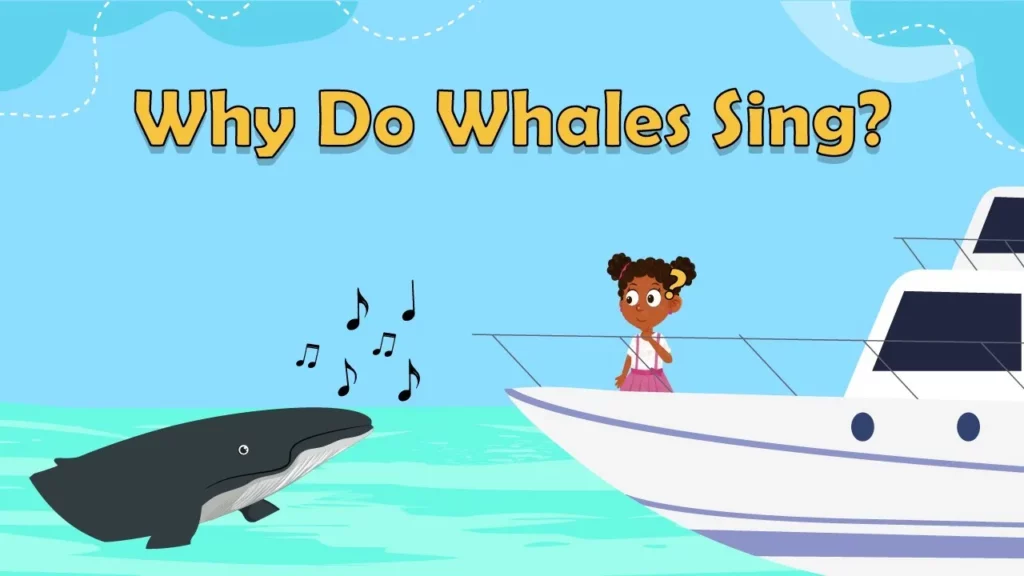
The lesson explores the reasons behind the singing of humpback whales, highlighting that their complex songs serve as a form of communication. Male whales sing primarily to attract females during mating season and to establish their territory, allowing them to convey their presence over long distances. This fascinating behavior not only showcases the intricacies of animal communication but also emphasizes the wonders of nature.
What Happened When Vikings Died?
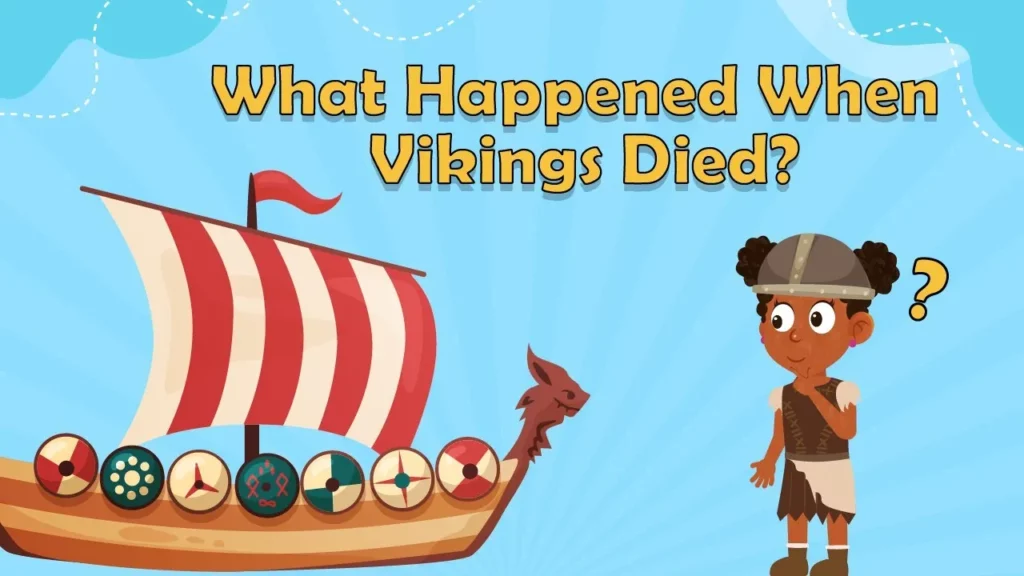
The lesson explores the unique Viking traditions surrounding death and funerals, highlighting their belief in an afterlife and the importance of honoring significant individuals like chiefs and warriors. Vikings typically conducted funerals through either an earth mound burial or a dramatic sea farewell, often involving a burial ship filled with personal belongings to aid the deceased in their journey to Valhalla. These customs reflect the Vikings’ values of bravery, honor, and respect for their leaders, showcasing their rich cultural practices in commemorating the dead.
Were Pterodactyls Dinosaurs?
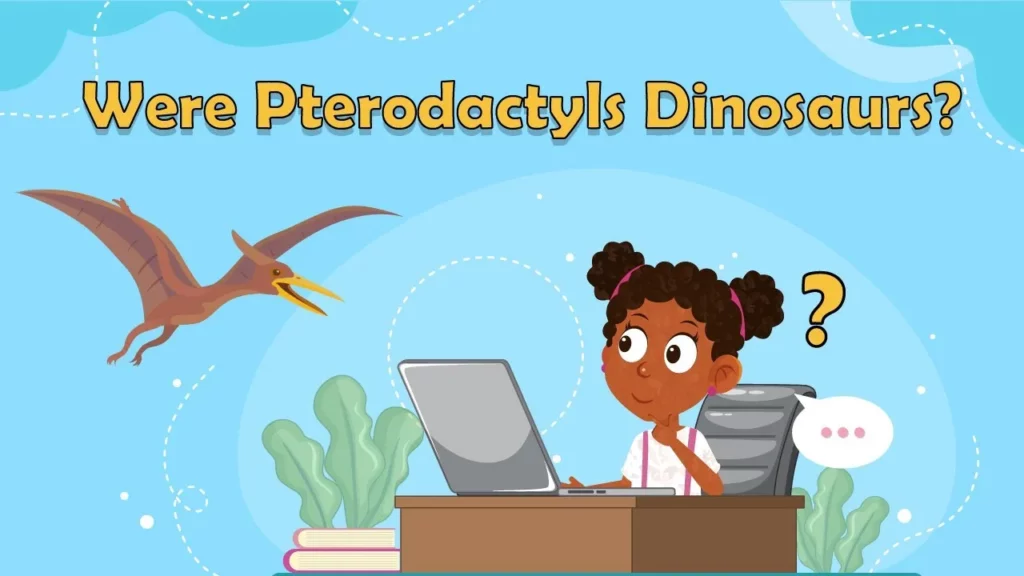
The lesson explains that pterodactyls, often thought of as flying dinosaurs, are actually not dinosaurs but rather winged lizards belonging to a group called pterosaurs. Unlike dinosaurs, which have legs positioned directly under their bodies, pterodactyls have limbs that extend from the sides, allowing them to fly with wings made of skin membranes. The lesson highlights the distinction between these fascinating creatures and true dinosaurs, emphasizing their unique characteristics and the excitement of learning about ancient life.
Do All Mollusks Have Shells?
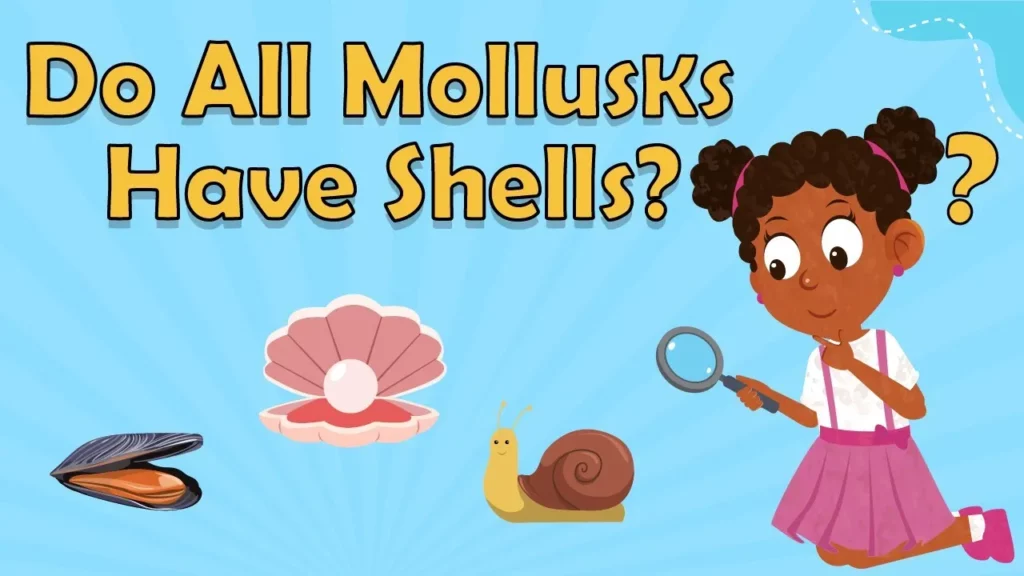
The lesson explores the diverse world of mollusks, highlighting that while many have protective shells formed by a mantle, not all do. It discusses specific types, such as snails with single shells and bivalves like oysters and clams with two shells, as well as the unique movement of shell-less mollusks like octopuses and squids. The lesson encourages observation and appreciation of these fascinating creatures and their various adaptations.
Are All Metals Magnetic?
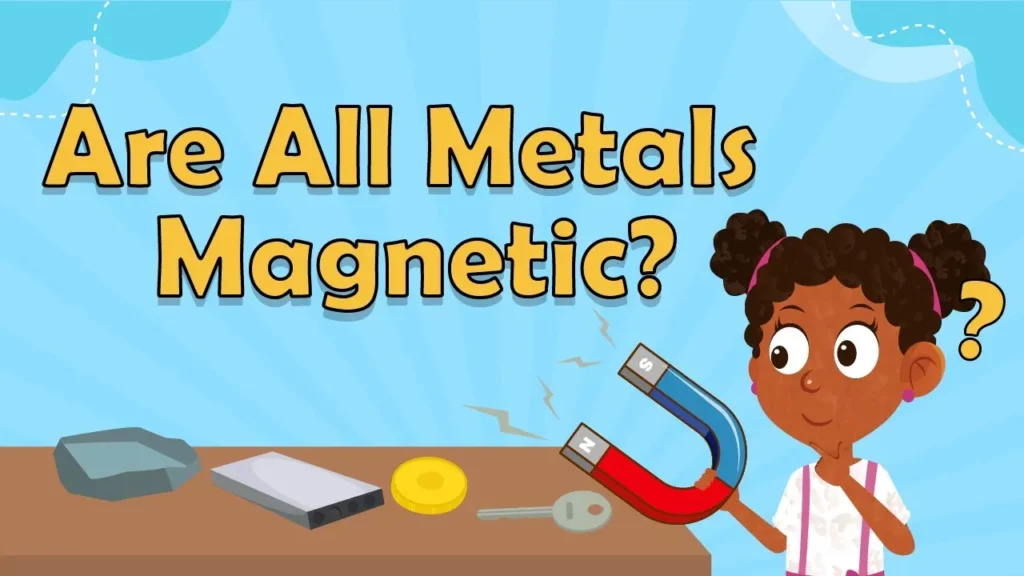
In this lesson, we learned that not all metals are magnetic; only certain metals like iron, nickel, and cobalt are attracted to magnets, while others like gold, silver, and aluminum are not. This magnetic property is utilized in various applications, such as electric motors and medical devices. Additionally, the Earth itself functions like a giant magnet due to its iron core, influencing compass directions.
Why are Bubbles Round?
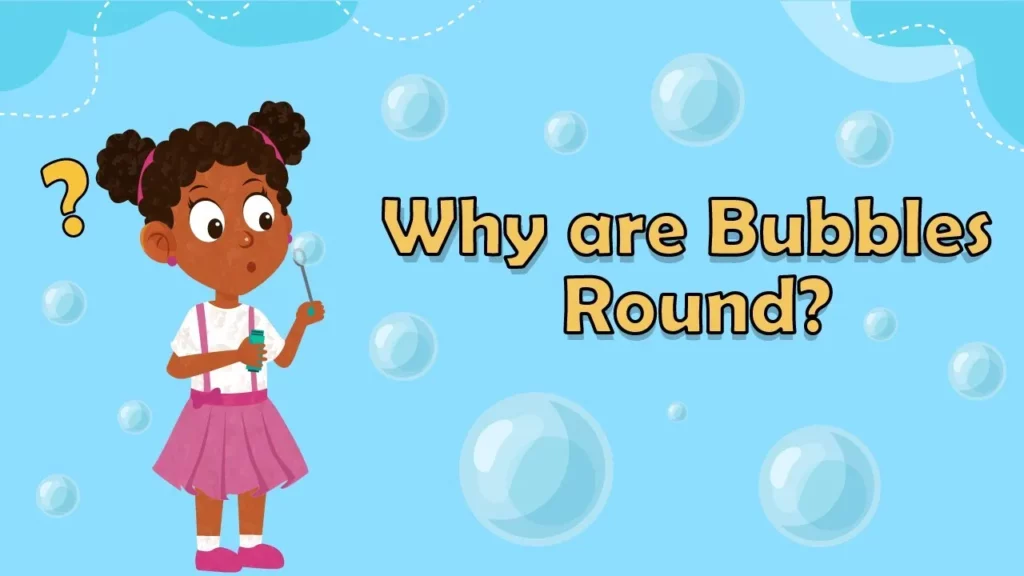
The lesson explains why bubbles are always round, highlighting that a sphere is the most efficient shape, requiring the least amount of soap and water to contain the air inside. When a bubble is formed, it quickly transitions from a wobbly shape to a perfect sphere to minimize resource use, demonstrating the concept of efficiency in nature. Additionally, the lesson shares fun facts about bubbles, including their colorful appearance and their tendency to join together while maintaining their round shape.
What is Inflation for Kids
In this lesson, a child learns about inflation during a trip to the fun fair with their dad. Through their experiences with rising prices for treats and games, the child discovers that inflation means the cost of goods increases over time, affecting how much money can buy. The dad explains the reasons behind inflation, such as increased demand and rising production costs, while the child humorously notes that their pocket money hasn’t increased along with prices.
Is Table Tennis The Same As Ping Pong?
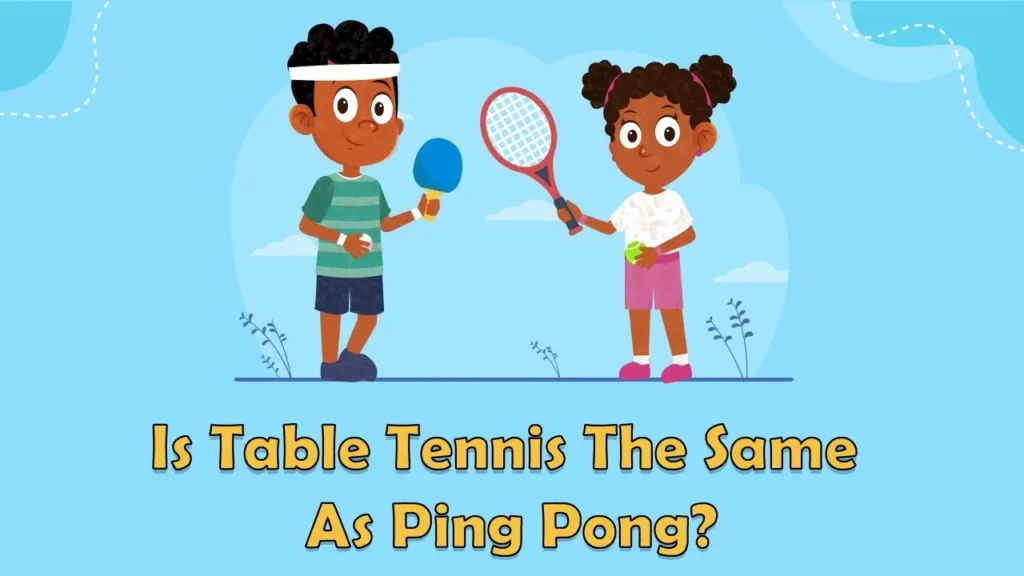
The lesson explains that table tennis and ping pong are essentially the same sport, with the name “ping pong” derived from the sounds made by the ball hitting the paddle. It highlights the global popularity of the game, particularly in China where it is considered the national sport, and shares fun facts about the sport’s characteristics and play style. Overall, it encourages readers to try playing and experience the excitement of this fast-paced indoor game.
Why do Bats Sleep Upside down?
Bats sleep upside down primarily to stay safe from predators, allowing them to quickly escape if threatened. Their unique physiology, including special valves in their blood vessels, prevents dizziness while hanging, making this position comfortable for them. This adaptation highlights the fascinating ways bats have evolved to thrive in their environments.
Harnessing the Ocean’s Power: Wave Energy!
The lesson on wave energy explores how the powerful movement of ocean waves can be harnessed to generate electricity through specially designed machines called wave energy converters. These devices capture the energy from waves in a clean and sustainable manner, offering an environmentally friendly alternative to fossil fuels. By utilizing wave energy, we can meet our energy needs while protecting the planet, highlighting the potential of the ocean as a significant power source.