
What Is Ice?
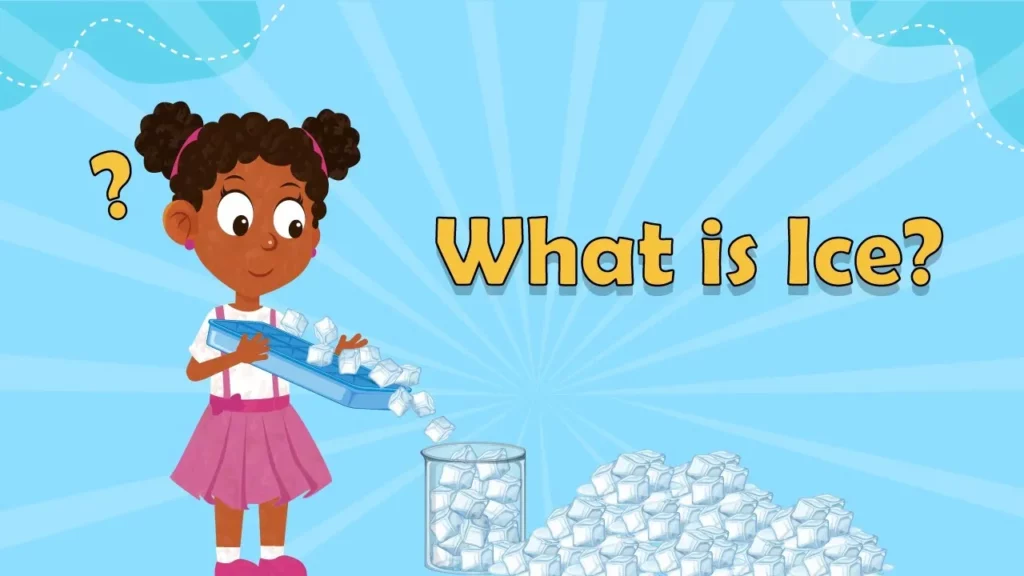
The lesson explains that ice is formed when water freezes at temperatures of 32°F or 0°C, causing water molecules to slow down and stick together to create a solid. It also highlights that ice floats on water due to its unique molecular arrangement, which makes it less dense than liquid water. Additionally, the lesson shares that ice can take various forms, from ice cubes to snowflakes and icebergs.
What Animals Live In Swamps?
This lesson explores the diverse array of animals that inhabit swamps, including alligators, snakes, frogs, birds like egrets and herons, fish, and mammals such as otters and beavers. It highlights the unique adaptations of these creatures to their wet and muddy environment and emphasizes the ecological importance of swamps in providing habitats, cleaning water, and preventing flooding. Overall, swamps are portrayed as vibrant ecosystems teeming with life.
Sun Facts for Kids
In this lesson, students learned fascinating facts about the sun, including its extreme heat, massive size, and critical role in our solar system’s structure. Key highlights include the sun’s core temperature of 13.6 million degrees Celsius, its composition of mostly hydrogen and helium, and its immense gravitational pull that keeps planets in orbit. The lesson also emphasized the sun’s age of over 4.5 billion years and its ability to produce energy far surpassing all Earth’s fossil fuels combined.
What Magical Powers Did Pegasus Have?
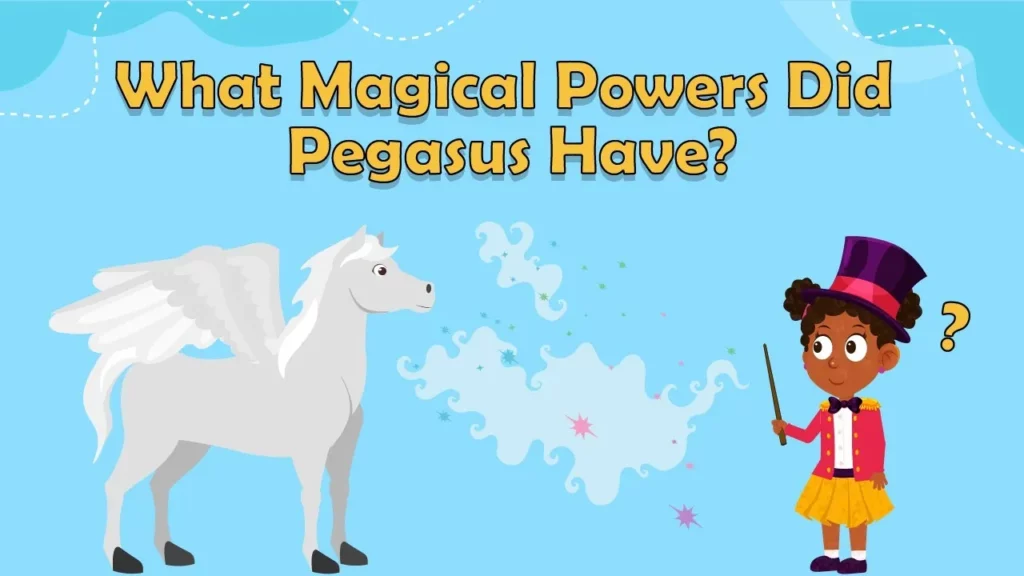
The lesson explores the magical powers of Pegasus, the winged horse from Greek mythology, highlighting its ability to summon lightning, create the inspiring Hippocrine well, and possess healing powers. Pegasus symbolizes hope, creativity, and healing, captivating the imagination of people both in ancient times and today. Through its legendary abilities, Pegasus serves as a reminder of the magic found in storytelling and the wonders of the world.
Where do mermaids Live?
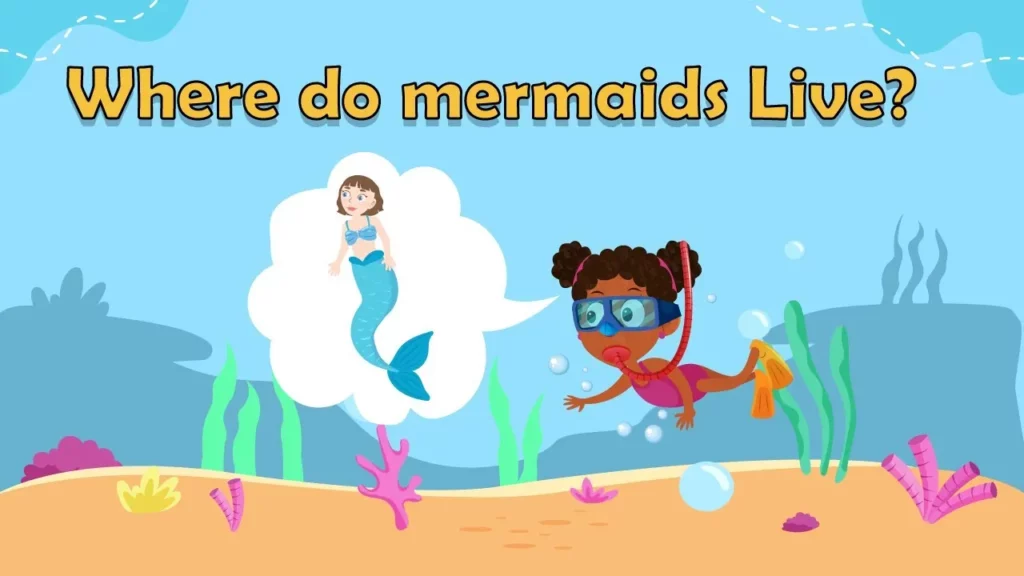
The lesson explores the enchanting world of mermaids, highlighting their mythical habitats in the ocean, such as coral reefs and deep waters. It discusses their magical powers, roles as protectors of the sea, and the playful, sometimes mischievous nature attributed to them in various legends. Ultimately, the lesson emphasizes the importance of caring for our oceans and the creatures within, inspired by the imaginative tales of mermaids.
Who is Thor?
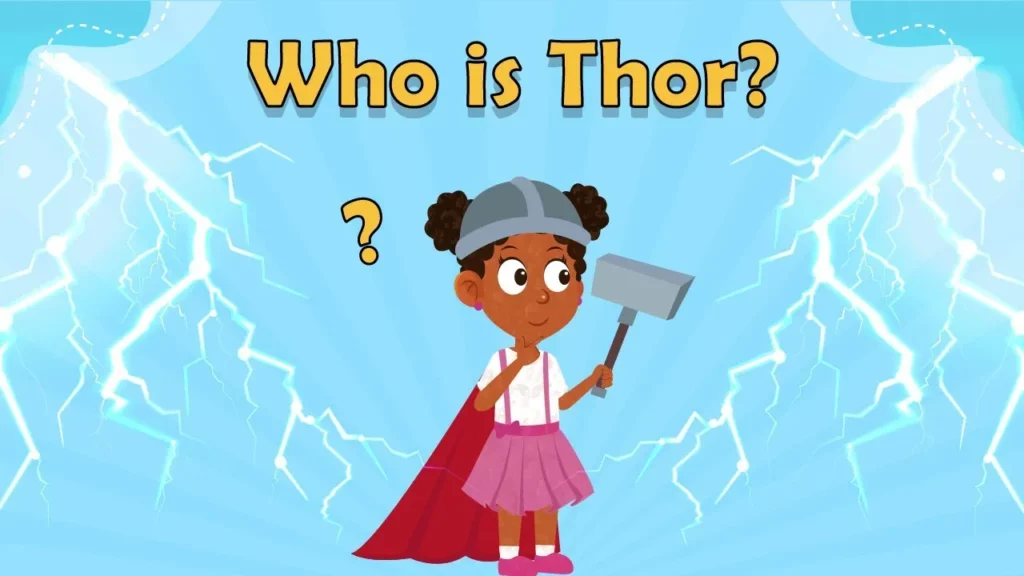
In Viking mythology, Thor is the God of Thunder, known for his magical hammer, Mjölnir, which allows him to create lightning and protect both gods and humans from giants and other threats. The Vikings revered Thor, often praying to him for safety during dangerous sea voyages, believing he could calm storms and guide them. His adventurous tales emphasize the values of courage, strength, and the importance of helping others, inspiring us to be heroes in our own lives.
Who Were The Gorgons?
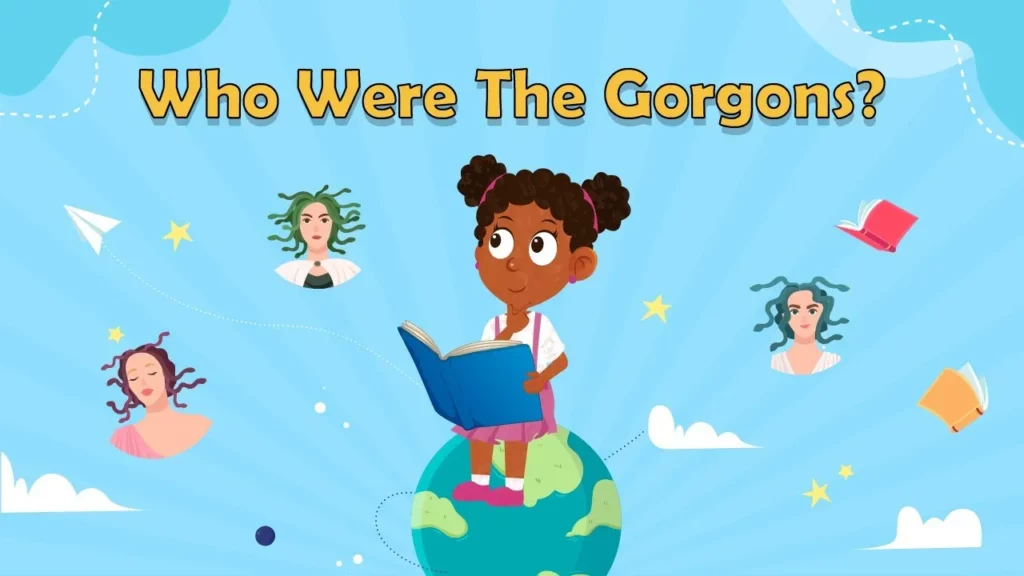
The lesson introduces the Gorgons, three sisters in Greek mythology—Medusa, Stheno, and Euryale—who were born from sea gods and known for their terrifying appearance, particularly Medusa, who was transformed from a beautiful woman into a monster with snakes for hair. While Stheno and Euryale were immortal, Medusa was mortal and ultimately defeated by the hero Perseus, who used cleverness to overcome her powers. The story highlights themes of bravery, intelligence, and the idea that appearances can be deceiving, encouraging exploration of the rich narratives within Greek mythology.
How Is A Baseball Made?

This lesson explains the intricate process of how baseballs are made, highlighting that each one is handcrafted from cowhide and features 108 double stitches, which are essential for maintaining shape and grip. It also notes the significant demand for baseballs in Major League Baseball, where teams use over 10,000 balls each season due to wear and tear. Additionally, the lesson emphasizes the functional role of the red stitches in aiding pitchers’ techniques.
What is a digital footprint
The lesson explains the concept of a digital footprint, which is the trail of information created by a person’s online activities, including social media posts, comments, and purchases. It emphasizes the importance of maintaining a positive digital footprint, as it can impact future opportunities like job applications, and offers practical tips for protecting one’s online presence, such as being cautious about what to share, keeping personal information private, and using strong passwords.
Are All Snowflakes The Same?
The lesson explores the fascinating world of snowflakes, highlighting that while they may appear similar to the naked eye, each snowflake is unique when examined closely. Snowflakes form from tiny water droplets that freeze around dust particles, resulting in diverse shapes and sizes influenced by environmental conditions. The lesson concludes with a fun fact about the largest recorded snowflake, encouraging students to appreciate the individuality of each snowflake they encounter.