
Coding for Kids
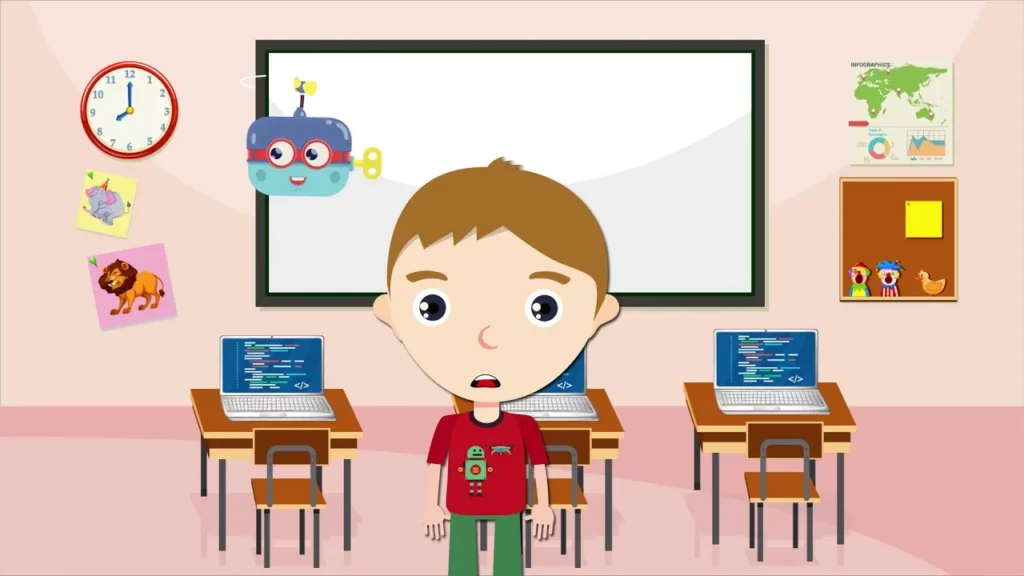
In today’s lesson on “Coding for Kids,” students learned essential coding concepts such as algorithms, sequences, loops, branching, and debugging. These foundational terms help young coders understand how to create instructions for computers, organize tasks in the correct order, repeat actions efficiently, make decisions based on conditions, and troubleshoot errors in their code. With this knowledge, students are now equipped to start developing their own characters and games.
A Tour in a Recycling Factory
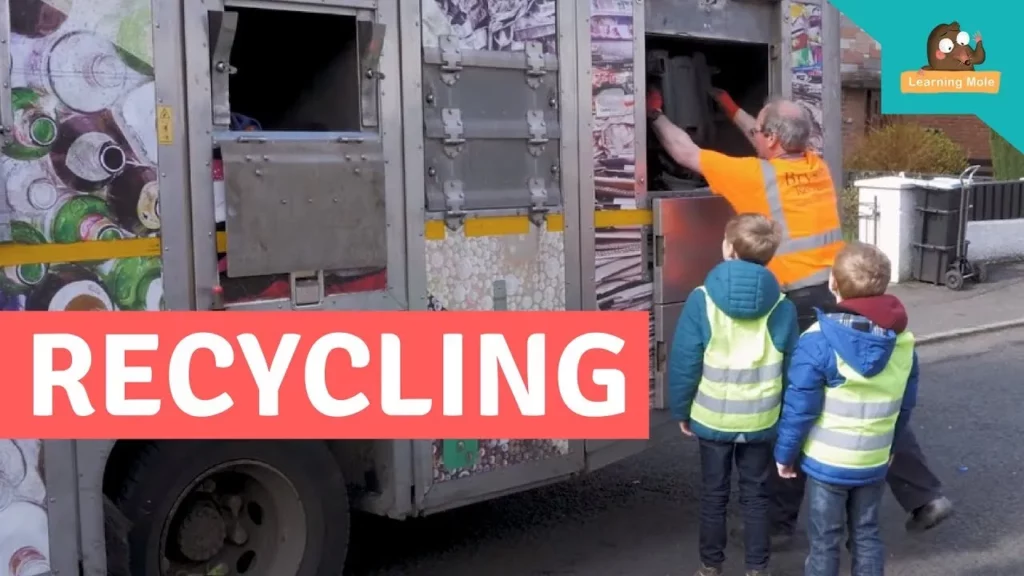
In this lesson, we explored the process of recycling at Bryson Recycling, learning how various materials like paper, plastics, and glass are sorted and processed. We discovered the significant environmental benefits of recycling, such as conserving natural resources and reducing waste, and were inspired to take action by recycling in our daily lives. Overall, the lesson emphasized the importance of recycling for both the planet and local communities.
What Did Marie Curie Discover?
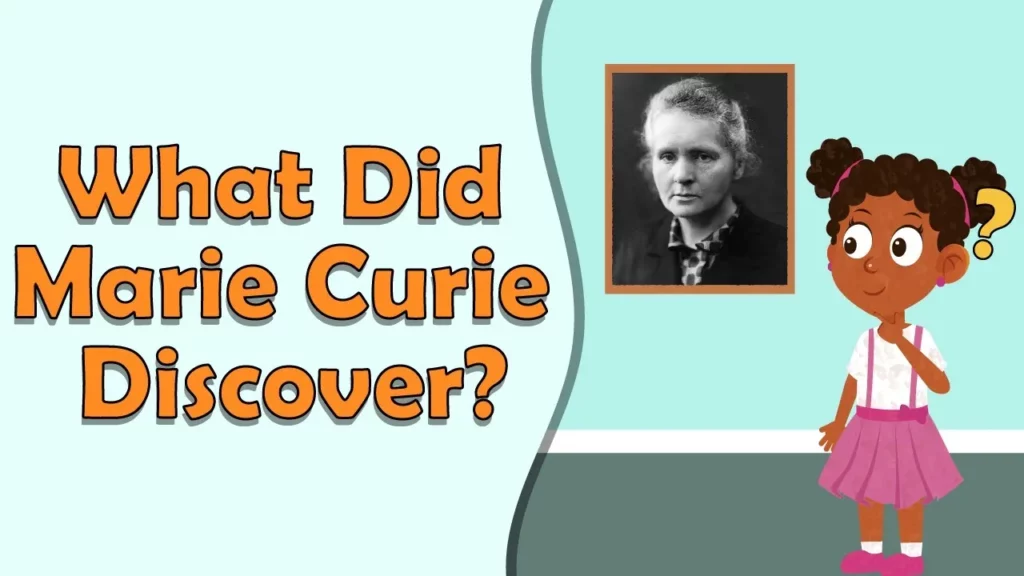
Marie Curie, alongside her husband Pierre, made significant scientific discoveries by studying pitchblende, leading to the identification of two new elements: polonium and radium. They also introduced the term “radioactivity,” which describes the emission of energy from certain elements, fundamentally advancing our understanding of atomic science. Curie’s groundbreaking work not only earned her two Nobel Prizes but also paved the way for advancements in various fields, including medicine.
How Was The Frisbee Invented?
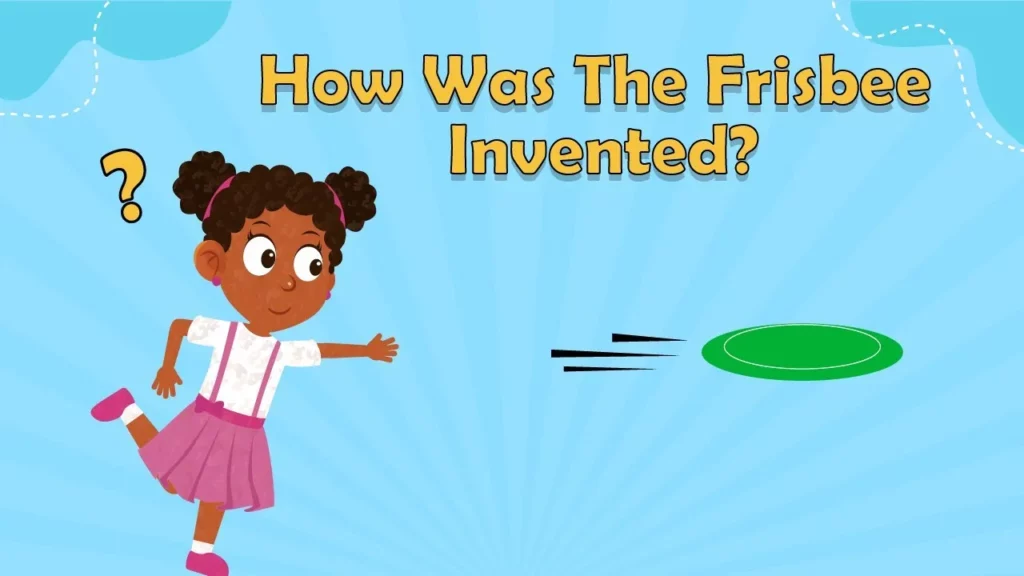
The lesson explores the fascinating history of the frisbee, which originated from students at Yale University tossing pie tins in the 1930s. Inventors Walter Morrison and Warren Franzconi later created a plastic version called “The Flying Saucer,” which was refined by the Wham-O Toy Company and renamed “frisbee,” leading to its popularity as a recreational toy and competitive sport. The lesson encourages hands-on play and creativity, inviting readers to enjoy frisbee games while appreciating its unique evolution.
What Is Stonehenge?
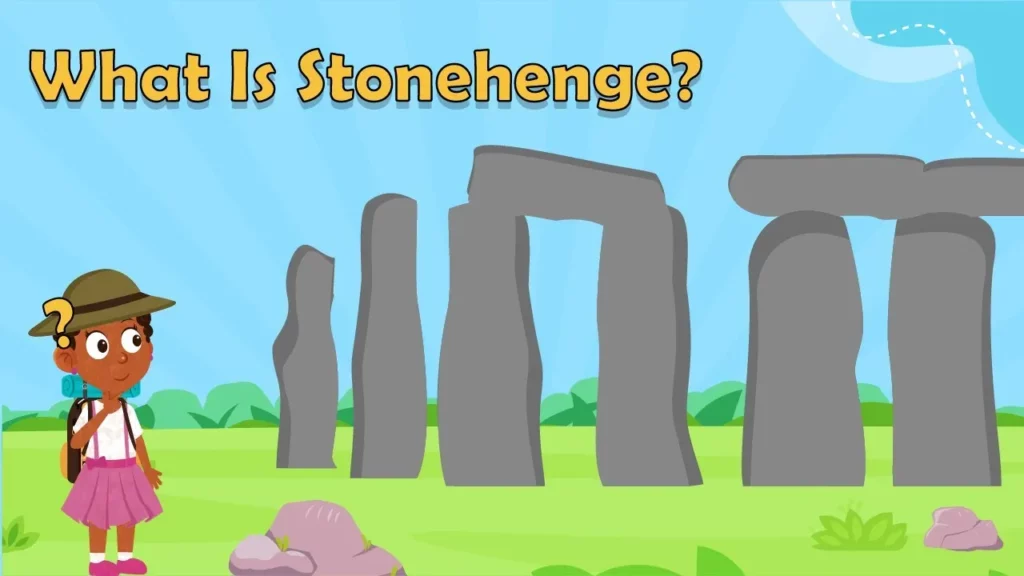
Stonehenge is an ancient monument in England, built over 4,000 years ago during the Neolithic and Bronze Ages, showcasing the remarkable skills of its builders who managed to create a complex stone structure without modern technology. While the exact purpose of Stonehenge remains uncertain, theories suggest it may have served as a site for religious ceremonies, a burial ground, or an ancient calendar to track seasonal changes. Today, Stonehenge offers valuable insights into the culture and daily lives of its creators, making it a fascinating archaeological site to explore.
In Baseball What is a Strike?
In this lesson, we learn about the concept of a “strike” in baseball, which occurs when a batter misses a pitch that is difficult to hit. A batter is allowed a maximum of two strikes before they are out after three misses. The lesson also introduces the term “no-hitter,” referring to a situation where a batter does not swing at a poor pitch, emphasizing the skills and teamwork involved in the game.
Are There Different Types Of Hockey?
The lesson introduces the various types of hockey, highlighting that while ice hockey is the most popular, there are also field hockey, roller hockey, and street hockey. Each type has its own unique playing surface and equipment, but they all share the common goal of scoring by hitting a puck or ball into the opposing team’s goal. The lesson encourages students to explore whether these games are played in their local area and to consider trying them out with friends.
Amazing Viking Facts for Kids
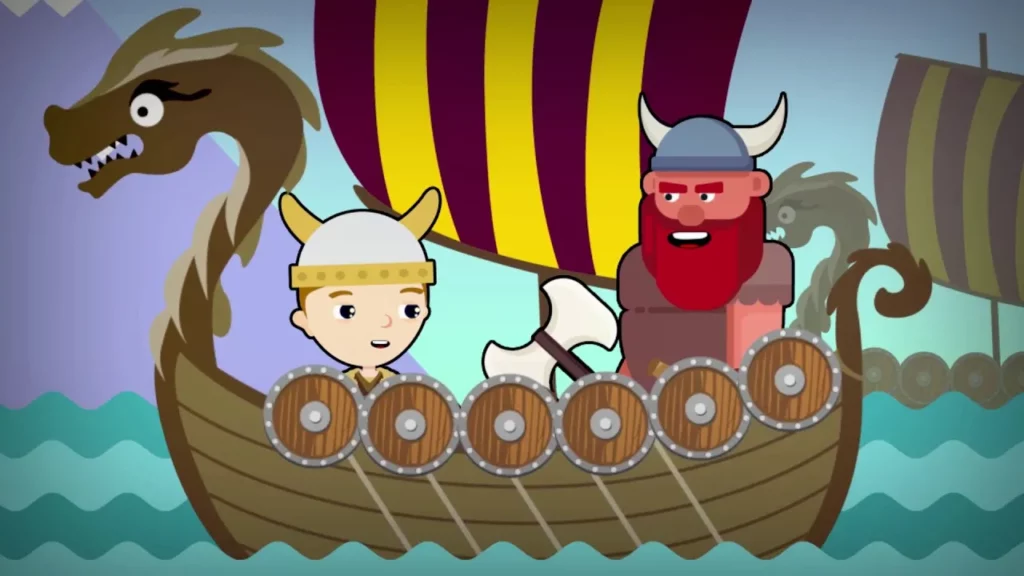
In this lesson, students explore fascinating facts about Vikings, including their origins, impressive longships, and preparations for adventure and battle. They learn about the Vikings’ travels across the Atlantic and Mediterranean, their quest for better farmland in England, and the gear they wore for protection during battles. The lesson highlights the Vikings’ adventurous spirit and their remarkable shipbuilding skills, making it an engaging introduction to this historical culture.
What is Compound Interest?
In this lesson, the concept of compound interest is introduced through a conversation between a child and their Grandad. Grandad explains that compound interest allows savings to grow faster than simple interest by earning interest on both the initial amount and the accumulated interest over time. The lesson emphasizes the importance of choosing the right savings account and understanding the balance between risk and reward when it comes to investing for future goals.
What Is The World’s Worst Smelling Fruit
The lesson introduces the durian, known as the world’s smelliest fruit, which is found in Southeast Asian countries like Malaysia, Indonesia, and Thailand. With its spiky shell and custard-like yellow flesh, the durian has a unique and polarizing smell that some people love while others find off-putting. Despite its strong odor, many locals enjoy its taste and incorporate it into various dishes, encouraging adventurous eaters to give it a try.