
Why Do People Put Gnomes In Their Garden?
Garden gnomes are small, colorful statues often found in gardens, believed to serve as protectors of plants and symbols of good luck. They are thought to help gardens thrive by assisting with tasks like watering and fertilizing, while also bringing happiness and fortune to homes. With a history spanning hundreds of years, these charming figures add a magical touch to outdoor spaces.
What is a Hillfort?

Hillforts were significant structures built during the Iron Age over 2,000 years ago in Britain and Central Europe, strategically located on high hills for protection and visibility. These forts served as both defensive structures and vibrant community centers, housing families, workshops, and storage facilities, thus playing a crucial role in the social and economic life of the people. They provided safety during attacks and facilitated trade and social gatherings, making them essential to the thriving communities of the time.
How Can You Calculate A Tortoise’s Age?
In this lesson, we learn how to calculate a tortoise’s age by counting the growth rings on its shell, similar to counting tree rings. Each ring typically represents one year of growth, allowing us to estimate the tortoise’s age. Additionally, the lesson highlights the longevity of tortoises, some of which can live over 100 years, and emphasizes their resilience in harsh environments.
What is a Phoenix
The lesson introduces the Phoenix, a mythical bird known for its extraordinary life cycle of rebirth. When the Phoenix grows old, it ignites itself in a nest of twigs, only to rise anew from its ashes, symbolizing renewal and hope. This powerful story teaches us that, like the Phoenix, we can overcome challenges and embrace new beginnings, reflecting a universal theme found in various cultures around the world.
What Do The Olympic Rings Mean?
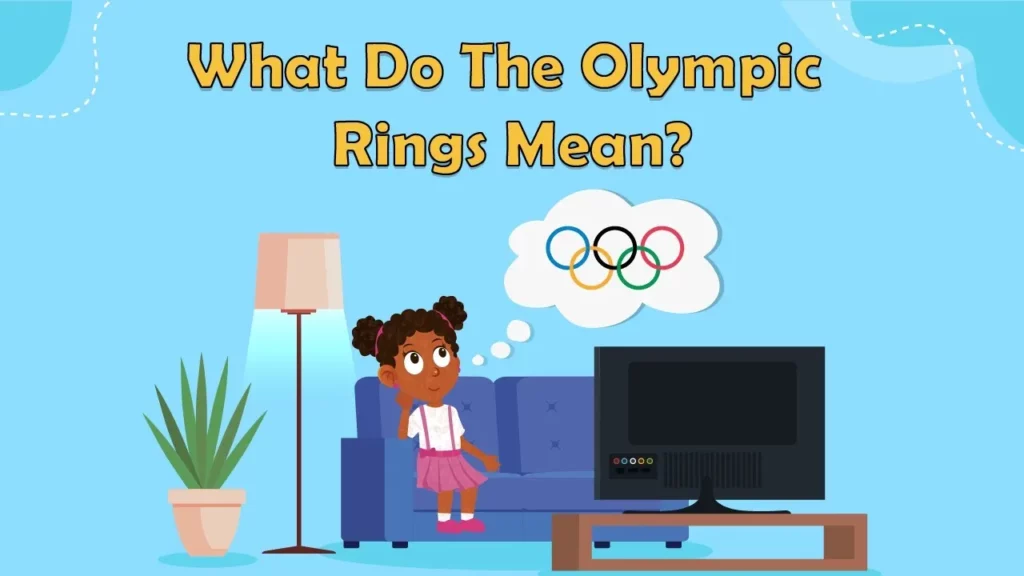
The Olympic rings, created in 1913, consist of five interlinked rings in blue, yellow, black, green, and red, symbolizing the unity of athletes from all five continents: Africa, America, Asia, Europe, and Oceania. These colors were specifically chosen because they appear on the flags of all participating countries, emphasizing the inclusivity and togetherness of the Olympic Games. Ultimately, the rings represent not only competition but also friendship and the celebration of sports among nations.
What Do Our Bodies Need Protein For?

This lesson explains the essential role of proteins in our bodies, highlighting their functions in building and repairing tissues, supporting skin and hair health, and transporting oxygen in the blood. It emphasizes the importance of consuming a balanced diet that includes a variety of protein sources, both plant-based and animal-based, to ensure we receive all necessary amino acids for optimal health. Additionally, it notes that proteins contribute to the strength of hair and nails, underscoring the significance of adequate protein intake.
Why Are Bees Important to Farmers?
This lesson highlights the crucial role of bees and butterflies, known as pollinators, in agriculture. By transferring pollen between flowers, they enable plants to produce fruits and seeds, which are essential for many of the foods we enjoy. Farmers support these vital creatures by creating “pollinator palaces” filled with flowers, and individuals can also contribute by planting flowers to provide food and habitats for pollinators.
Roman Gods Facts for Kids
The lesson introduces kids to the 12 main Roman gods, known as the Council of Gods or the Olympians, highlighting their familial connections and similarities to Greek mythology. Each god has distinct characteristics and roles, such as Jupiter as the king of the gods and Venus as the goddess of love. The lesson emphasizes the cultural significance of these deities in ancient Roman society and encourages curiosity about their fascinating stories.
What is a Perimeter in Math?
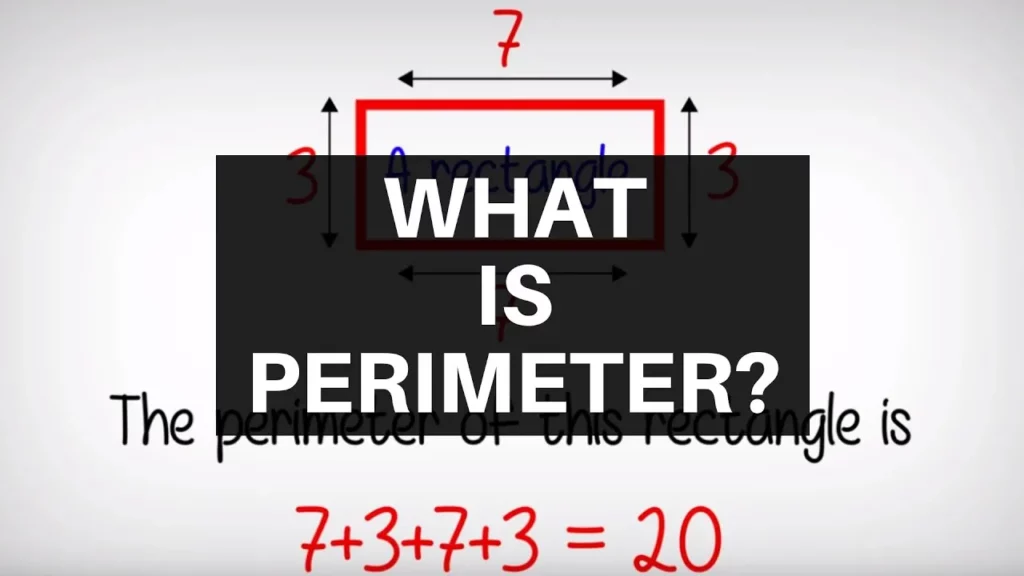
In this lesson, we explored the concept of perimeter, which is the total distance around a shape. We learned how to calculate the perimeter for various shapes, including rectangles, pentagons, triangles, squares, and circles, using specific formulas for each. By practicing these calculations, students can become proficient in measuring the boundaries of different geometric figures.
Are The Olympic Medals Made Of Gold?
The lesson explores the composition of Olympic gold medals, revealing that while early medals were made of solid gold, modern gold medals are primarily silver with only a thin layer of gold plating. This change was driven by the high cost of gold, allowing the Olympics to maintain the beauty of the medals while managing expenses. Additionally, each Olympic Games features unique medal designs, adding to their significance as symbols of achievement.