
Were Tennis Balls Always Yellow?
The lesson explores the history of tennis balls, highlighting their evolution from the first rubber balls created by Charles Goodyear in the 1850s, which were covered in white or black flannel for durability. A significant change occurred in 1986 when Wimbledon switched to neon yellow balls to enhance visibility for television viewers, a decision that also benefits players on the court today.
How Is A Sedimentary Rock Formed?
Sedimentary rocks are formed through a fascinating natural process involving the accumulation and compression of layers of sand, mud, and other materials over time. Factors such as the weight of these layers, the influence of water and ice, and the deposition of sediments by rivers contribute to the transformation of loose materials into solid rock, a process known as lithification. Additionally, sedimentary rocks can contain fossils, which are remnants of ancient plants and animals, showcasing the rich history of life on Earth.
What Do Giraffes Eat?
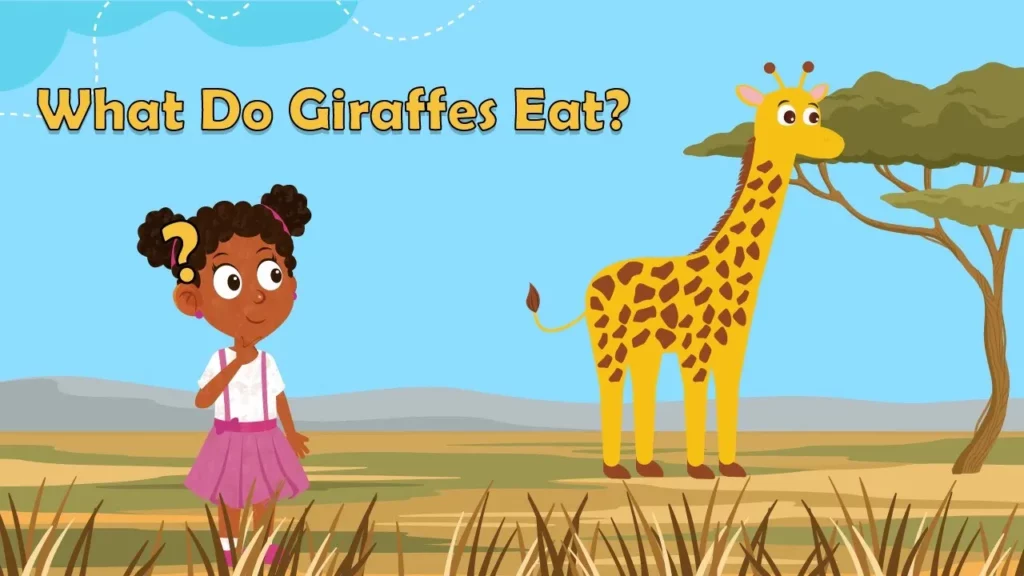
In this lesson, we learn about the diet of giraffes, which primarily consists of leaves and twigs from tall trees, particularly acacia trees. Their remarkable 20-inch long tongue, which is blue or purple, allows them to skillfully navigate thorns while feeding. As herbivores, giraffes can consume up to 75 pounds of vegetation daily, and their unique anatomy requires them to spread their legs or kneel to drink water.
Roman Facts
In this lesson, Aaron shares five intriguing facts about ancient Rome, highlighting its legendary founders, Romulus and Remus, and the dramatic spectacles held in the Colosseum, including water battles. He also explores the unusual dining habits of Romans, their unique laundry practices using urine, and the significance of the color purple as a symbol of power and status in Roman society.
What is the PH scale?
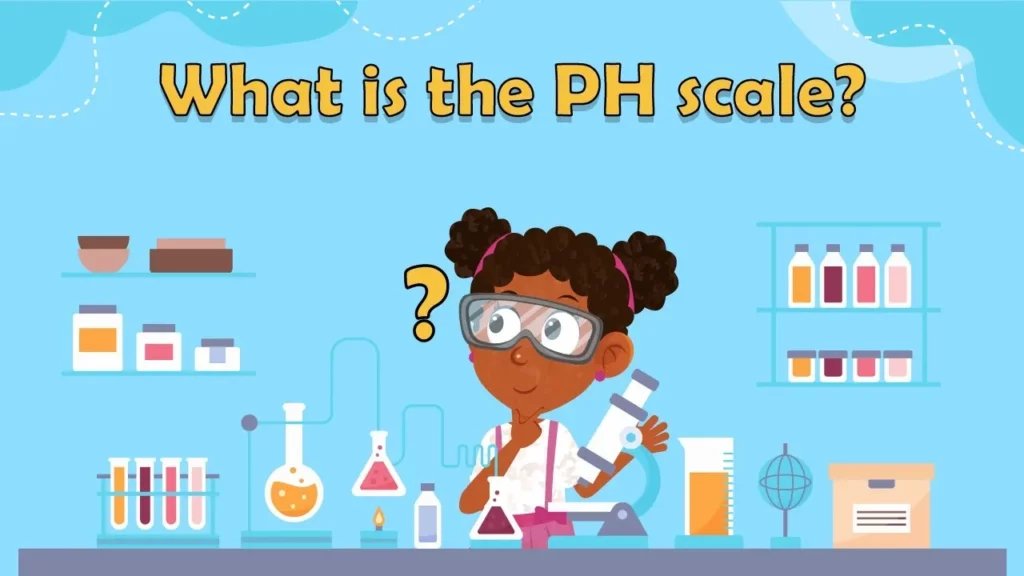
The lesson introduces the pH scale, which measures the acidity or basicity of liquids based on their ion composition. Acids, characterized by high hydrogen ion concentration, taste sour (like lemon juice), while bases, with high hydroxide ion concentration, feel slippery (like soap). The pH scale ranges from 0 to 14, with values below 7 indicating acidity and values above 7 indicating alkalinity, highlighting its importance in various scientific fields and everyday applications.
Owl Facts for Kids
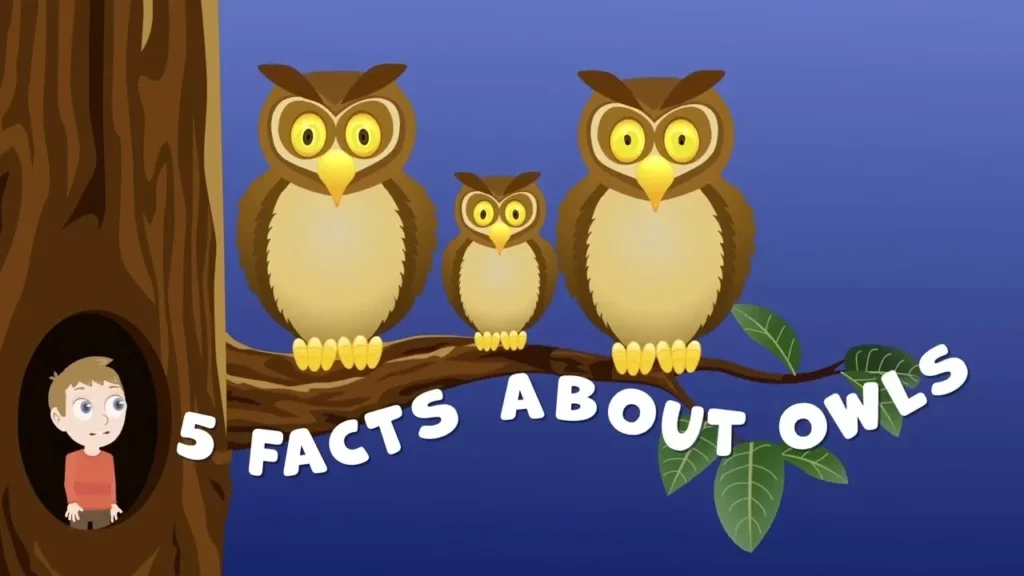
In this lesson, kids learn fascinating facts about owls, including their unique ear structure that enhances their hearing, the presence of three eyelids per eye for various functions, and their ability to produce pellets from undigested food. Additionally, the lesson highlights owls’ quiet hunting skills contrasted with their loud calls, and it shares intriguing historical information about ancient owls that once stood as tall as three feet.
What Is A Neuron?
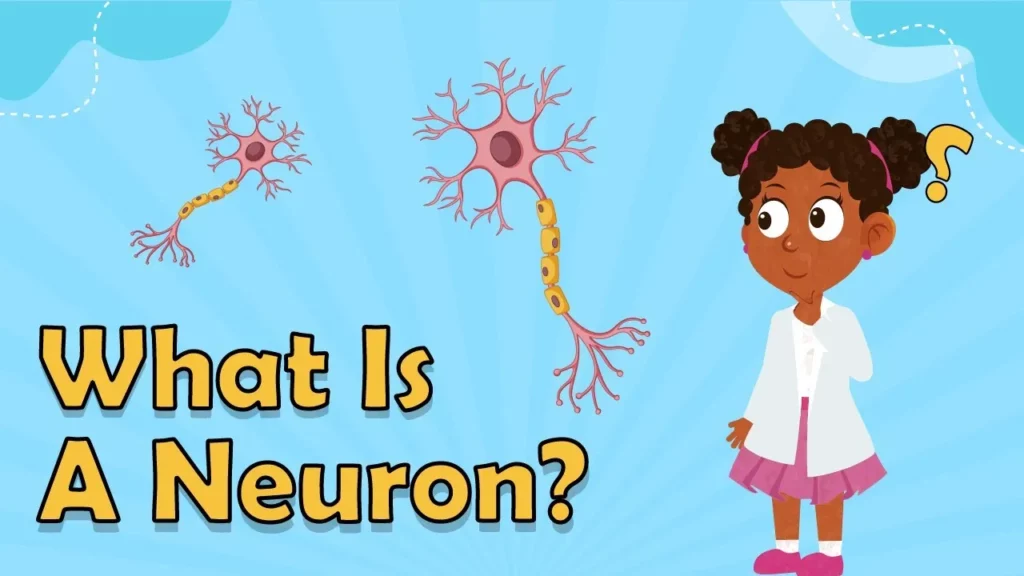
Neurons are specialized cells in the body that function as messengers, enabling us to think, feel, and move by transmitting information throughout the brain and body. They are the fundamental building blocks of the brain, with around 100 billion present, and consist of three main parts: the cell body, dendrites, and axon, which work together to send and receive messages rapidly. Neurons are crucial for learning, memory, and movement, forming networks that help us solve problems and make decisions.
Coding for Kids

In this lesson, the author introduces the concept of coding, explaining that it is essentially computer programming used to give instructions to computers. They discuss various coding languages, such as C++, Java, and Python, and highlight the difference between visual block coding, which is beginner-friendly and uses colorful blocks, and text-based coding, which involves writing actual code. The author expresses excitement about their new computer and the journey of learning to code, emphasizing the fun and educational aspects of this skill.
Fiction
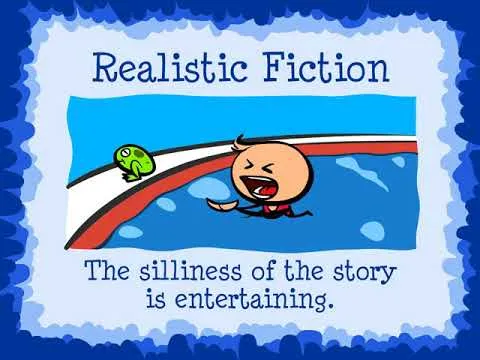
The lesson introduces fiction as a type of storytelling designed to entertain readers, highlighting its two main categories: realistic fiction and fantasy. Realistic fiction features events that could happen in real life, while fantasy includes imaginative scenarios that are impossible in reality. Readers can differentiate between the two by identifying clues in the story and using tools like charts and story maps to understand the author’s purpose and the nature of the events described.
Nouns
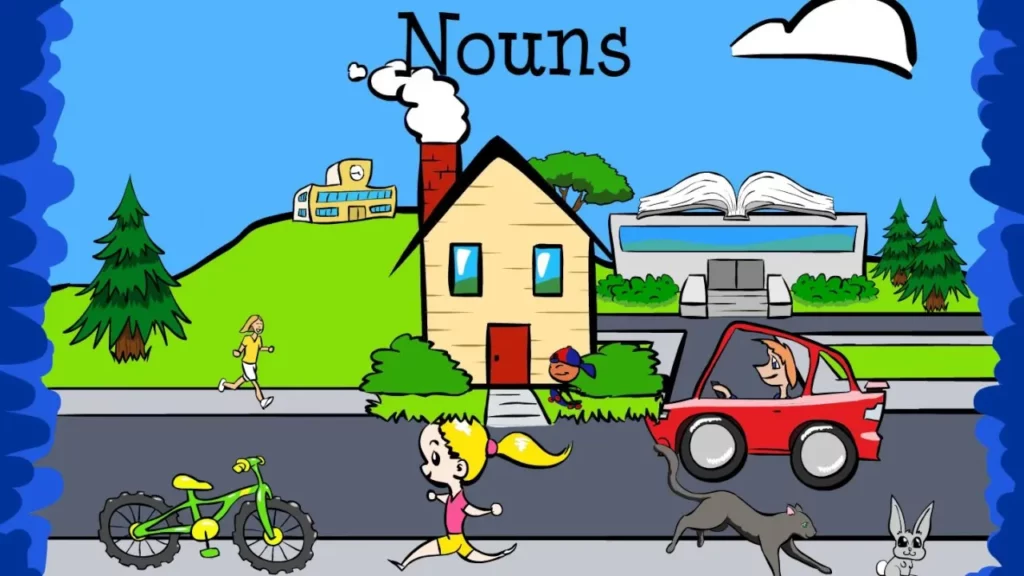
In this lesson, we learned that nouns are essential words that name people, places, animals, and things, allowing us to communicate about our surroundings. We explored four types of nouns: singular nouns (referring to one), plural nouns (referring to more than one), common nouns (general names), and proper nouns (specific names that start with a capital letter). Through examples and practice, we identified and categorized nouns, enhancing our understanding of their role in language.