
Non-Fiction
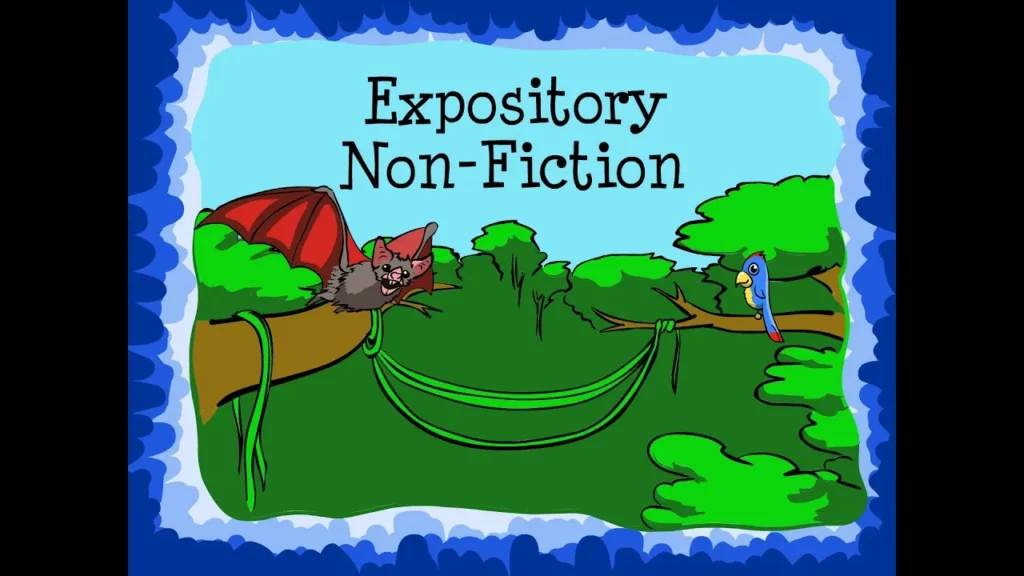
In this lesson, we explored nonfiction texts, which are factual writings about real people, places, events, or objects, aimed at informing or explaining true concepts to readers. We learned how to identify nonfiction by asking specific questions and examined various types, including expository texts, biographies, how-to guides, and compare-and-contrast texts. Additionally, we discussed the use of Venn diagrams as a tool for organizing thoughts and comparing different subjects effectively.
Word Problems
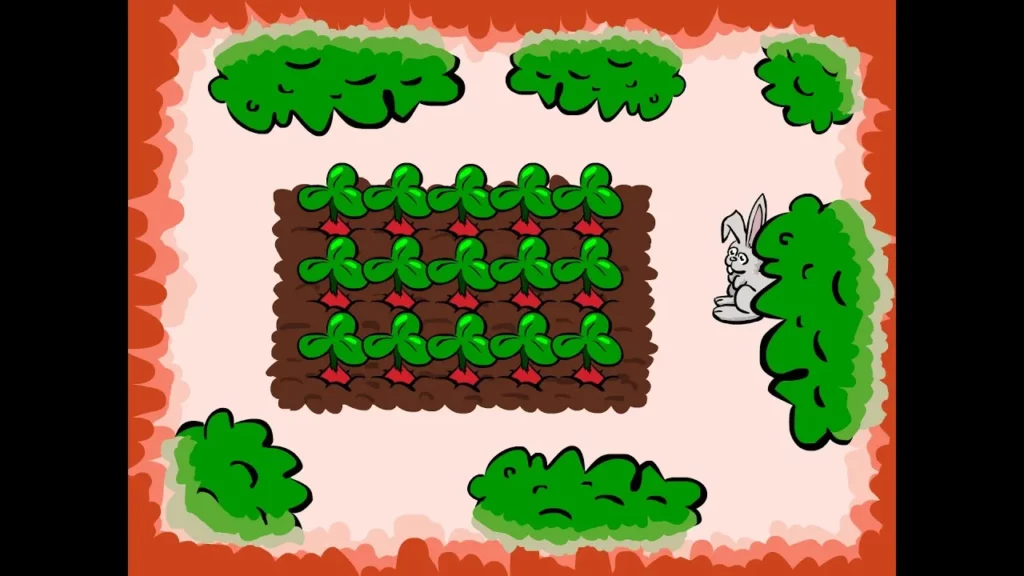
This lesson focuses on solving word problems by translating them into number sentences. It covers addition and subtraction word problems, emphasizing the importance of identifying key phrases to determine the operation needed, and includes strategies for tackling two-step problems. By following a structured approach of reading, planning, solving, and checking answers, students can effectively navigate and solve various types of word problems.
Pronouns
In this lesson, we learned about pronouns and their role in making sentences smoother and easier to read by replacing repetitive nouns. Through the story of Jack and Jill, we saw how using pronouns like “they,” “it,” and “their” can enhance clarity and flow. The lesson also introduced singular and plural pronouns, encouraging students to practice incorporating them into their own writing for improved expression.
First Grade Math – Skip Counting
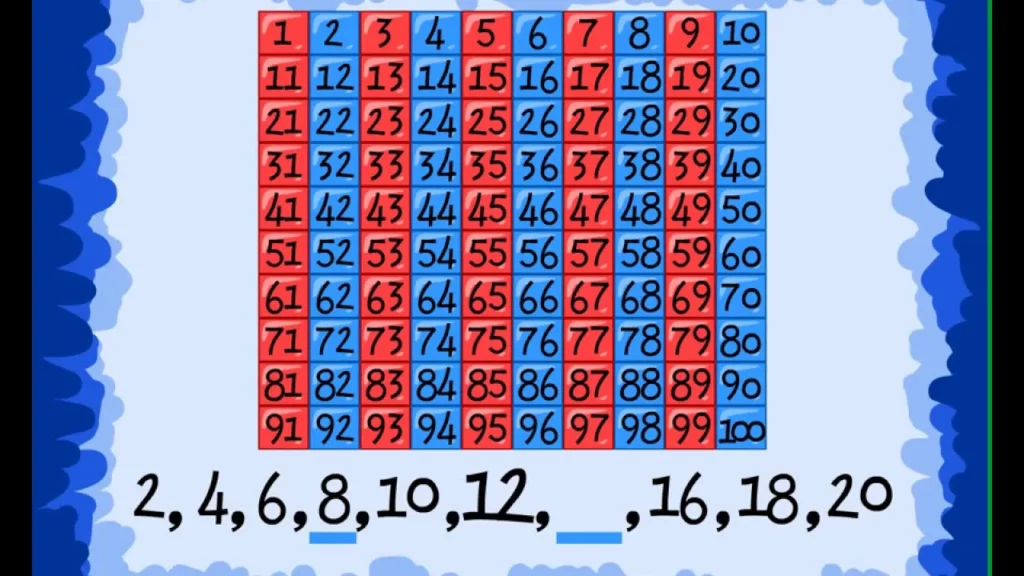
In this first-grade math lesson, students learn about skip counting as a method to count faster by grouping numbers. They practice skip counting by twos, fives, and tens using both verbal counting and a 100 chart, which helps them recognize patterns in numbers. Additionally, the lesson introduces the concepts of odd and even numbers, enhancing their understanding of number relationships.
Subtraction
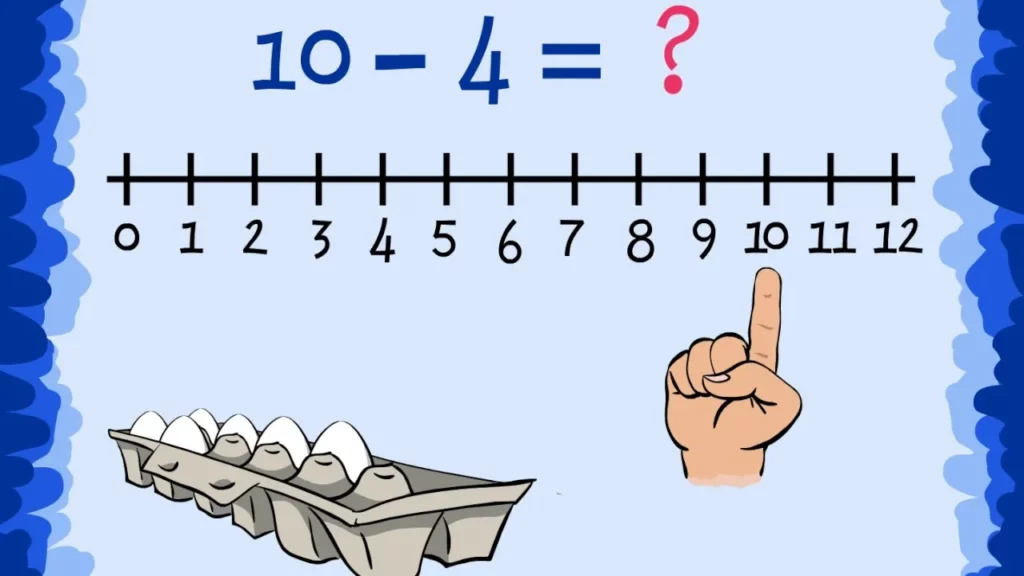
In the “Subtraction Fun!” lesson, students learn that subtraction is the process of determining how many items remain after some are taken away, using the minus sign (−) and equal sign (=) to express the operation and its result, known as the difference. The lesson introduces various strategies for subtraction, including counting back, using a number line, and applying doubles, to help students effectively solve subtraction problems. By practicing these techniques, students can enhance their subtraction skills and gain confidence in their mathematical abilities.
Adjectives
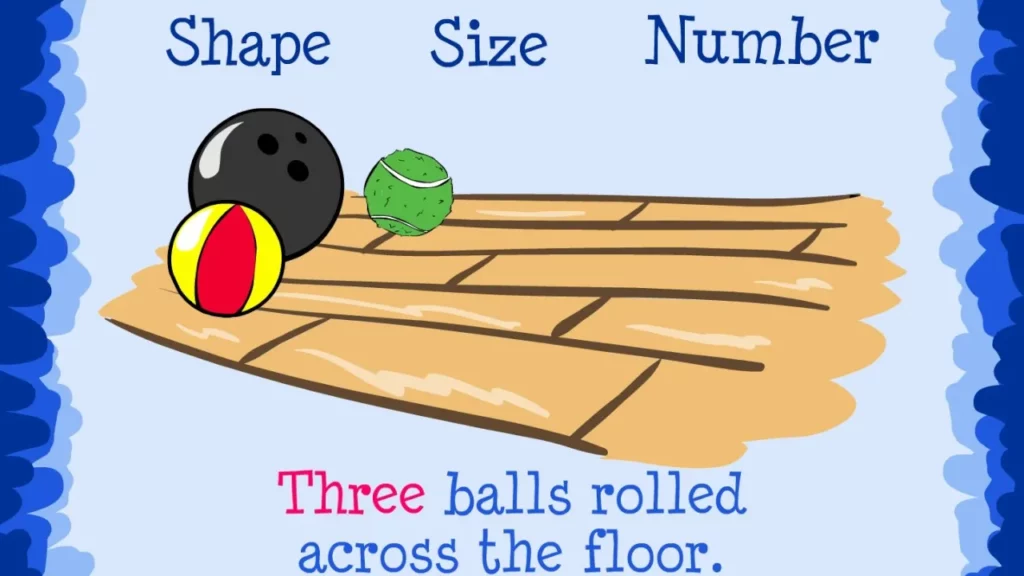
In this lesson, students learn about adjectives, which are descriptive words that enhance writing by providing details about people, places, animals, and things. By using their five senses, learners can generate vivid adjectives, and they also explore how adjectives can describe shape, size, and number, as well as how to compare items using “er” and “est.” Overall, the lesson emphasizes the importance of adjectives in making writing more engaging and colorful.
Patterns
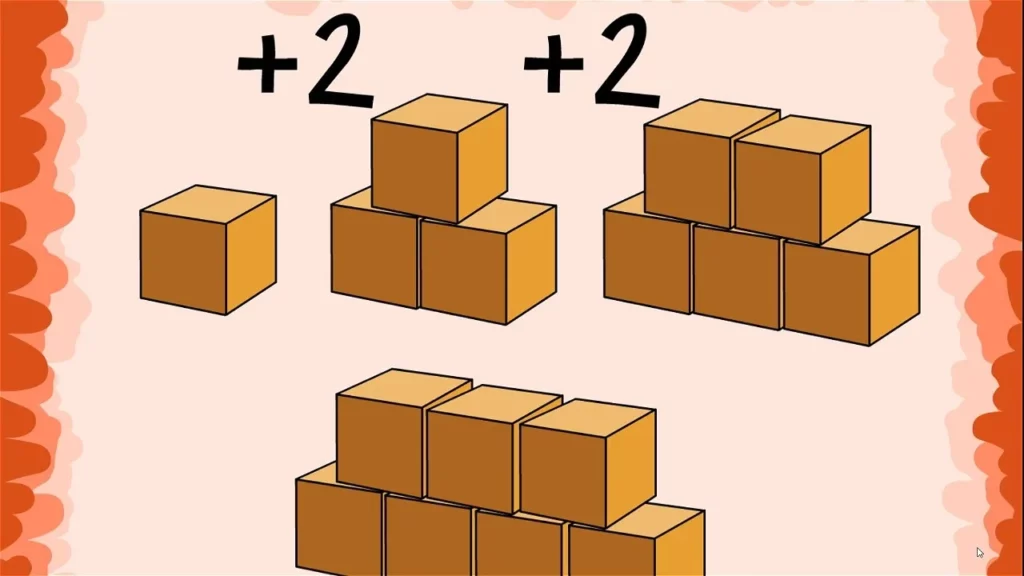
The lesson on “Understanding Patterns” teaches that patterns are sequences that repeat in a specific way, found in shapes, numbers, and daily routines. By recognizing and continuing these patterns, such as adding or subtracting a consistent amount, we can predict what comes next. The lesson emphasizes steps for identifying and solving patterns, including understanding the problem, planning the solution, and checking the work to ensure accuracy.
Compound Words
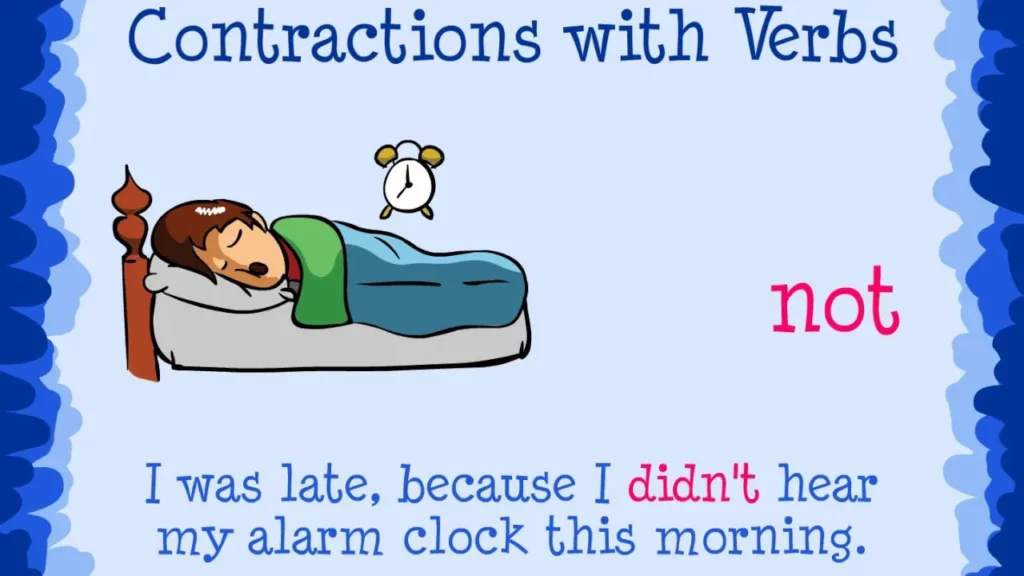
In this lesson, students learn about compound words, which are formed by combining two smaller words to create a new meaning, such as “horseshoe” from “horse” and “shoe.” The lesson also covers contractions, which shorten two words using an apostrophe to replace omitted letters, like “Lisa’s” for “Lisa is” and “didn’t” for “did not.” Through examples and interactive activities, students gain a better understanding of how to identify and use both compound words and contractions in their writing.
Measurement (Length, Width, Height)
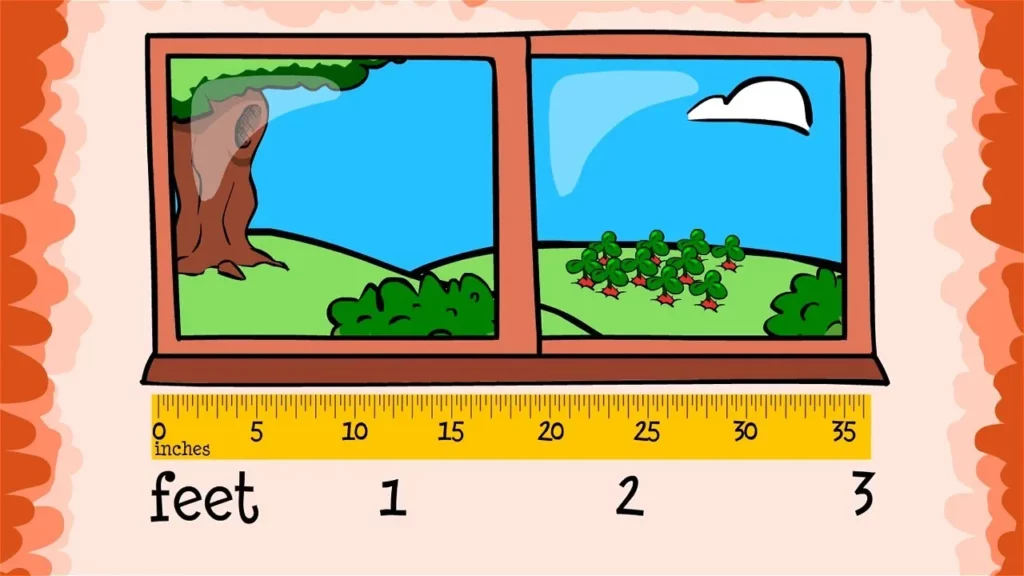
In this lesson on measurement, we explored how to determine the length, width, and height of objects using both non-standard units (like paper clips and hands) and standard units (such as inches, feet, and centimeters). We learned the importance of using measuring tools like rulers and ensuring they are properly aligned for accurate measurements, as well as the value of estimating dimensions before measuring.
Sentences, Subjects, and Predicates
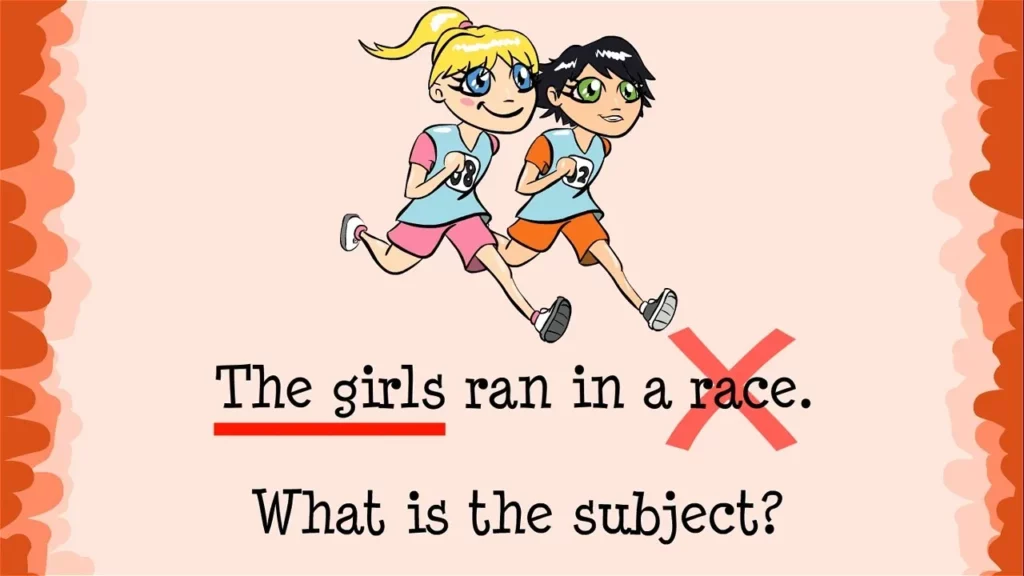
In this lesson, we learned that a sentence is a group of words that conveys a complete idea and consists of two essential parts: the subject and the predicate. The subject identifies who or what the sentence is about, while the predicate describes what the subject does or is. To form a complete sentence, it must start with a capital letter, make sense, and end with a period.