
Time
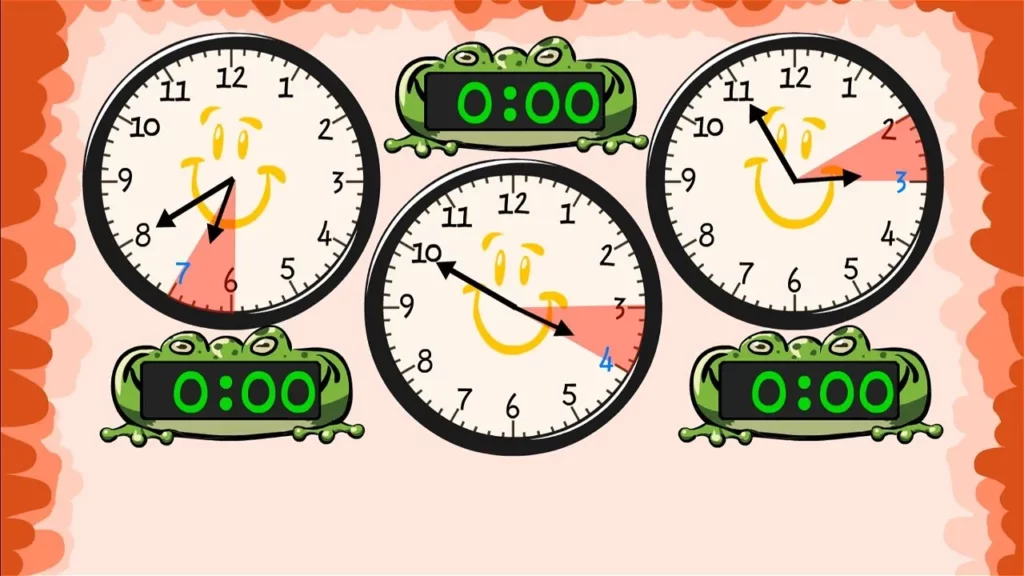
This lesson teaches how to read and tell time using both analog and digital clocks. It explains the roles of the hour and minute hands, how to count minutes, and the significance of quarter and half hours. Additionally, it covers how to express time as “past” or “before” the hour, providing a comprehensive understanding of time-telling.
Adding and Subtracting Two Digit Numbers
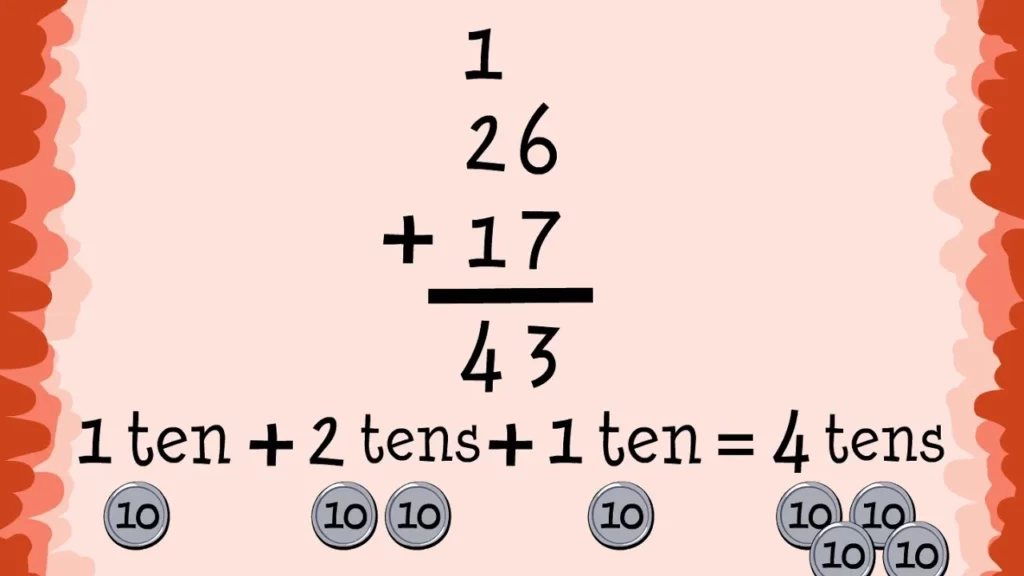
In this lesson, we learned how to add and subtract two-digit numbers by aligning them in columns for clarity. We explored the steps for both addition and subtraction, including how to handle regrouping when sums or differences exceed ten. With practice, these skills will help you solve two-digit arithmetic problems confidently!
Blends and Vowel Sounds

The lesson on blends and vowel sounds emphasizes their significance in enhancing reading and comprehension skills. It explains that blends are groups of letters that create distinct sounds in words, while vowel sounds can be categorized as short or long, depending on their pronunciation. By understanding and practicing these concepts, learners can improve their reading abilities.
Numbers
In this lesson, we explored the significance of numbers in our daily lives, focusing on both cardinal and ordinal numbers. Cardinal numbers help us count and quantify items, while ordinal numbers indicate the order of items or events. By understanding these concepts, we can better navigate and describe the world around us.
Time
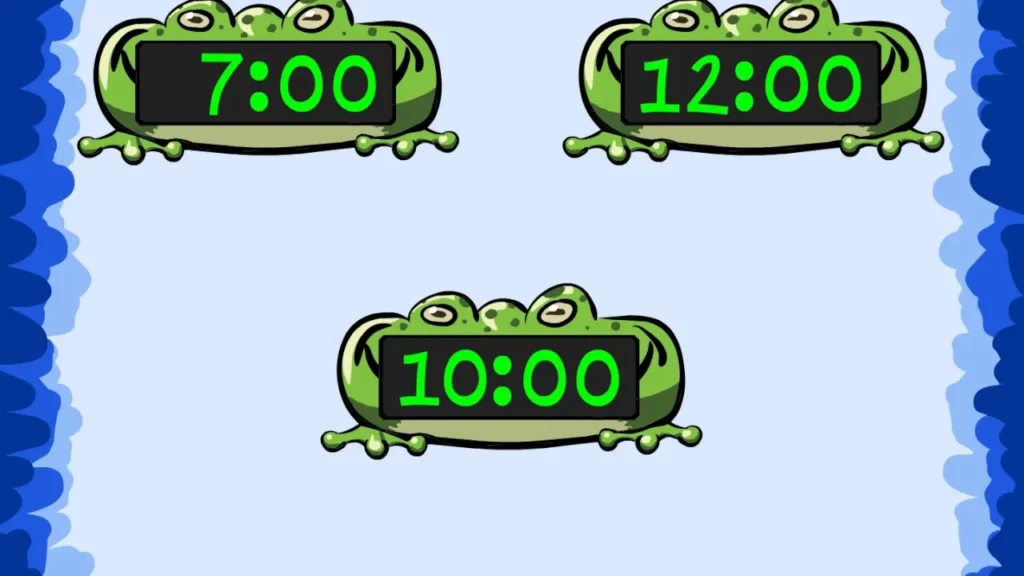
In this lesson, students learn how to tell time using both digital and analog clocks. Digital clocks display time with numbers for hours and minutes, while analog clocks use a face with numbers and two hands to indicate the time. The lesson covers reading “o’clock” times and “half past” times, encouraging practice to enhance understanding and proficiency in telling time.
Money
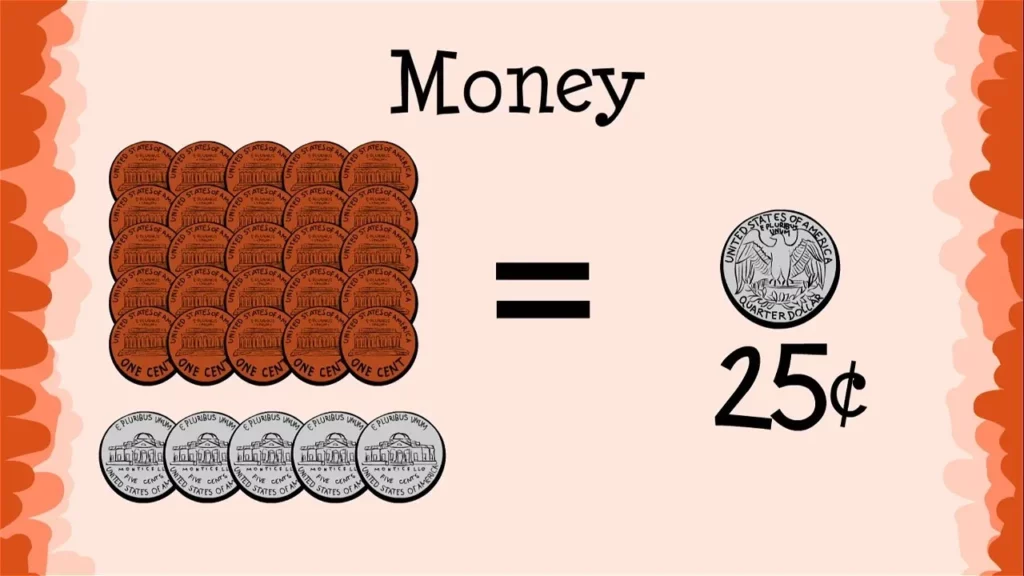
In this lesson, students learn about different types of coins and their values, including pennies, nickels, dimes, quarters, and half dollars. The lesson emphasizes the importance of understanding coin values, how to count them using skip counting, and how to compare groups of coins based on their total value. Ultimately, students are encouraged to practice with real coins to reinforce their understanding.
Addition
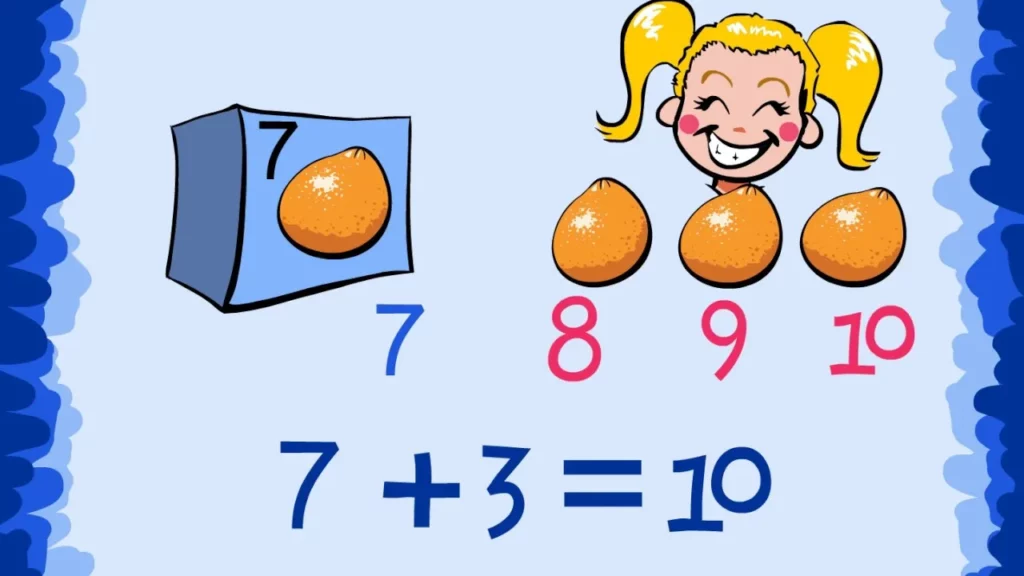
In this lesson, we learned that addition is the process of combining numbers to find a total, using the plus sign (+) for adding and the equal sign (=) for the result. We explored different strategies for addition, including counting on, using a number line, and recognizing doubles and doubles plus one to simplify calculations. By practicing these methods, students can improve their addition skills and gain confidence in solving math problems.
Weight
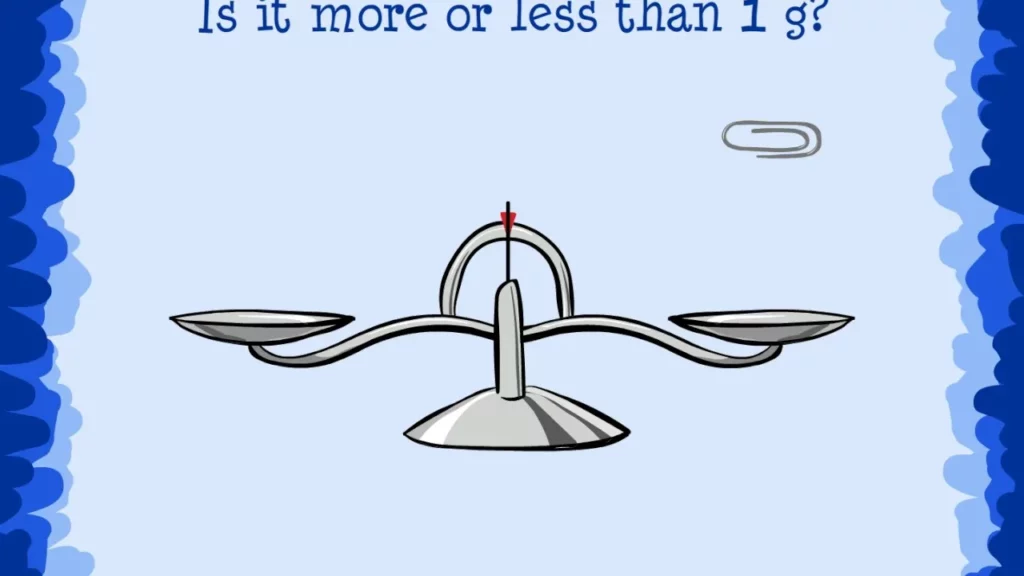
The lesson on “Understanding Weight and Capacity” introduces the concepts of weight and capacity, explaining how to measure and estimate them using various tools and units. Weight is measured in pounds and kilograms, with practical examples like a loaf of bread and a pineapple, while capacity is measured in cups, pints, and quarts, illustrated through everyday items like a soup ladle and a fishbowl. The lesson emphasizes the importance of estimation and comparison to understand these measurements better.
Verbs

In this lesson, we learned about verbs, the essential action words in our language that indicate what someone or something is doing. There are two main types of verbs: be verbs, which describe states of being using forms of “to be,” and action verbs, which express physical actions. Additionally, we explored how action verbs can change to indicate past, present, or future actions by modifying their endings or using auxiliary words like “will.”
Place Values
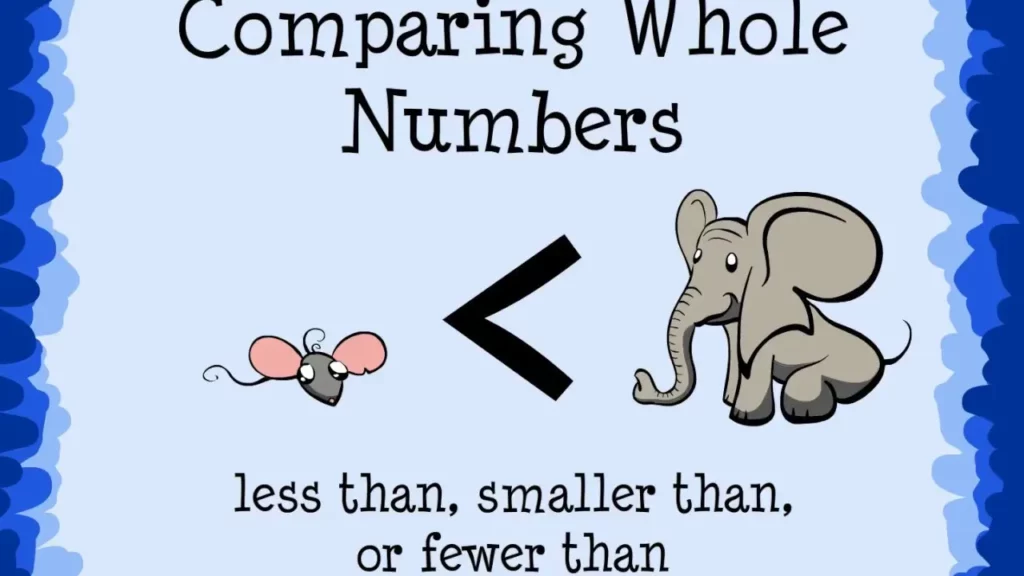
In this lesson, students learn about place value, which helps them understand the significance of each digit in a number, particularly in two-digit numbers where the tens and ones places are crucial. By grasping place value, students can effectively compare whole numbers using symbols for greater than, less than, and equal to, enabling them to determine which numbers are larger or smaller based on their digit placements.