
Data and Graphs
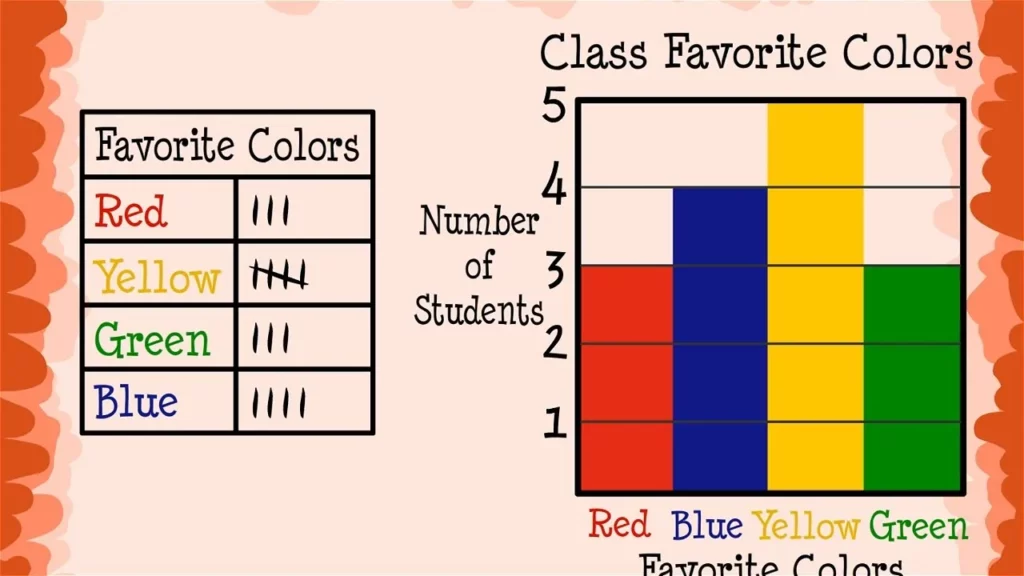
The lesson on “Data and Graphs” introduces various tools for collecting and organizing information, such as tally marks, Venn diagrams, pictographs, and bar graphs. These methods help visualize data, making it easier to understand preferences and comparisons among groups, like students’ favorite colors or subjects. Overall, the lesson emphasizes that using these graphical tools makes learning about data engaging and insightful.
Comparing Whole Numbers
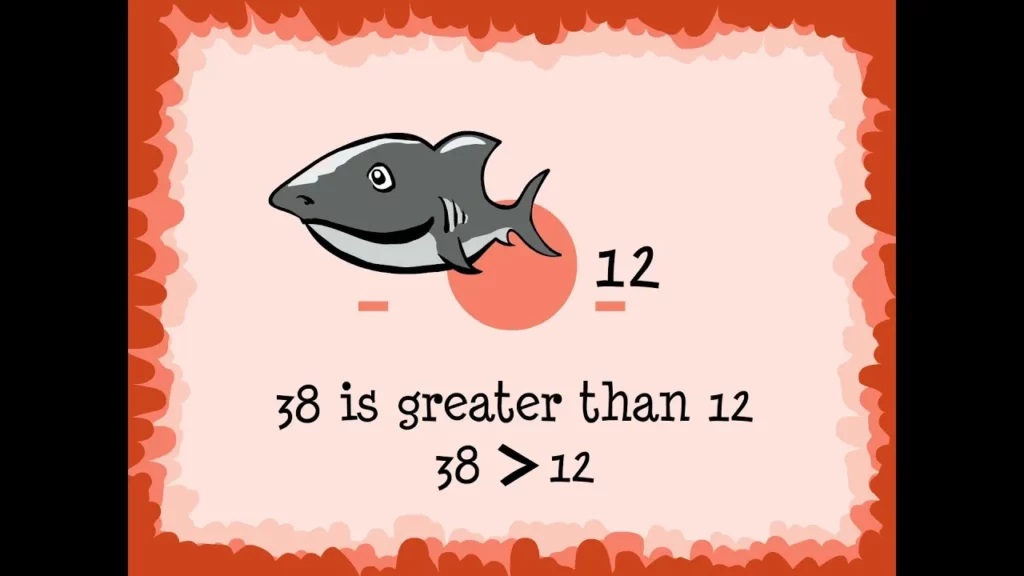
In this lesson, we learned how to compare whole numbers using the greater than (>), less than (<), and equal to (=) symbols. The process involves examining the digits from the highest place value down to determine which number is larger or if they are equal. We also explored scenarios where numbers have the same highest place value and how to compare them accordingly.
Strategies for Addition and Subtraction
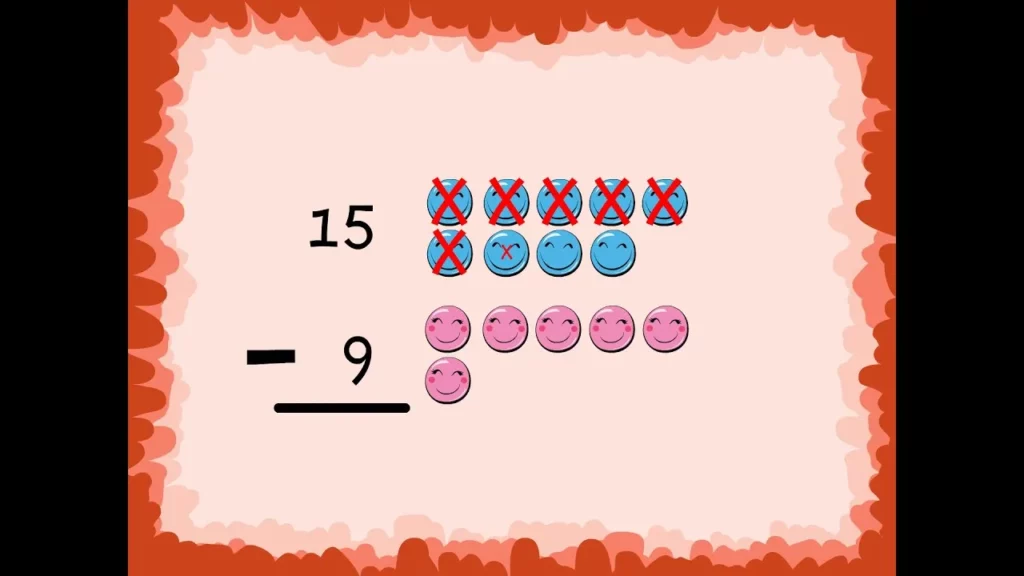
The lesson on strategies for addition and subtraction introduces key concepts and techniques for solving these operations. For addition, methods such as counting on and making ten are highlighted to simplify calculations, while subtraction strategies include counting back and using addition to find differences. Understanding these strategies helps students approach math problems with confidence and efficiency.
Vocabulary
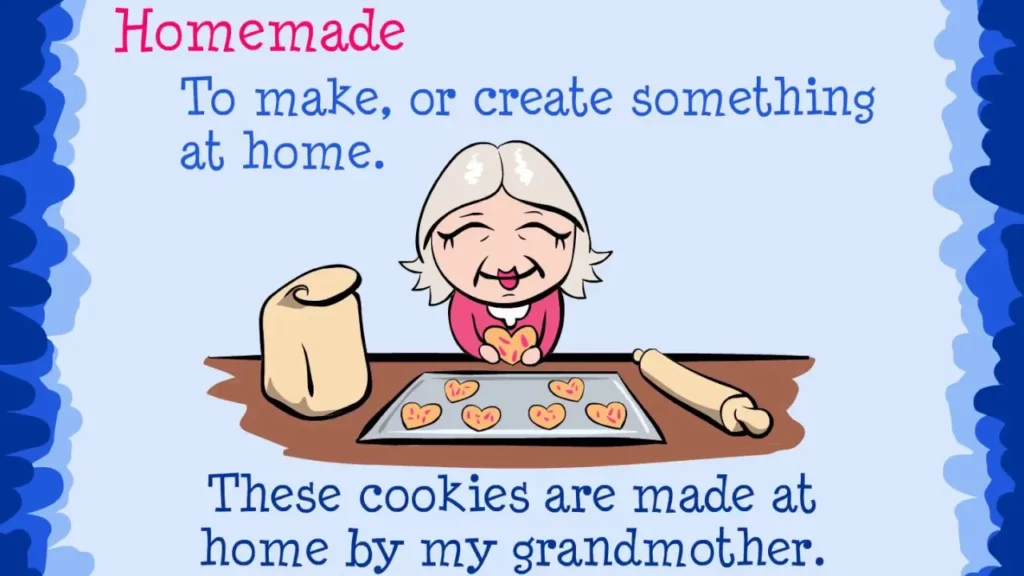
In the lesson “Learning New Words,” students are taught how to understand unfamiliar words by utilizing their prior knowledge and context clues from the text. By recognizing familiar components of words and identifying hints within sentences, readers can deduce meanings, enhancing their reading comprehension and vocabulary skills. This approach empowers them to become more proficient readers.
Division
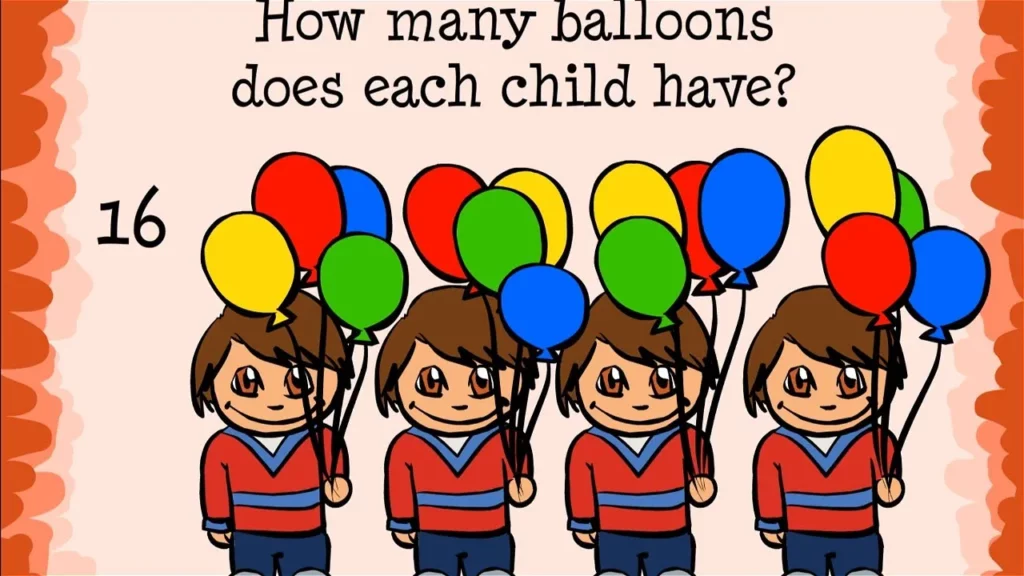
The lesson on division explains it as a method of sharing items equally among a group, using relatable examples like distributing candies or marbles. It introduces key concepts such as the dividend, divisor, and quotient, along with special rules for division, such as the outcomes when dividing by zero or one. The lesson also provides a structured approach to solving word problems through understanding, planning, and checking answers to ensure equal sharing.
Fractions
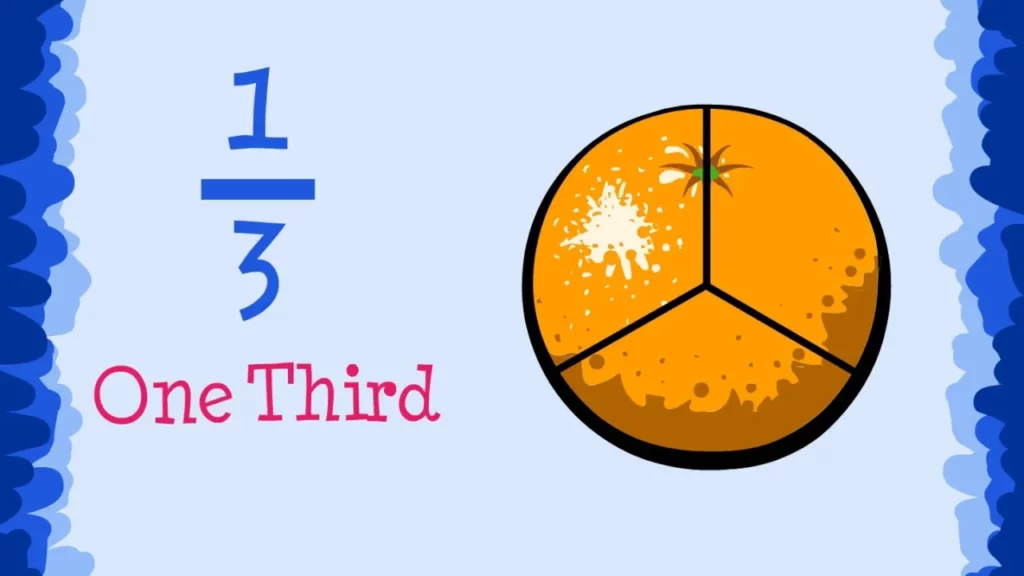
In this lesson, we explored the concept of fractions as representations of equal parts of a whole. We learned about different fractions, including one-half, one-third, and one-fourth, using examples like oranges and rectangles to identify equal divisions. Additionally, we discussed how fractions can apply to sets of objects, reinforcing the idea of determining fractions based on the total number of items in a group.
Money
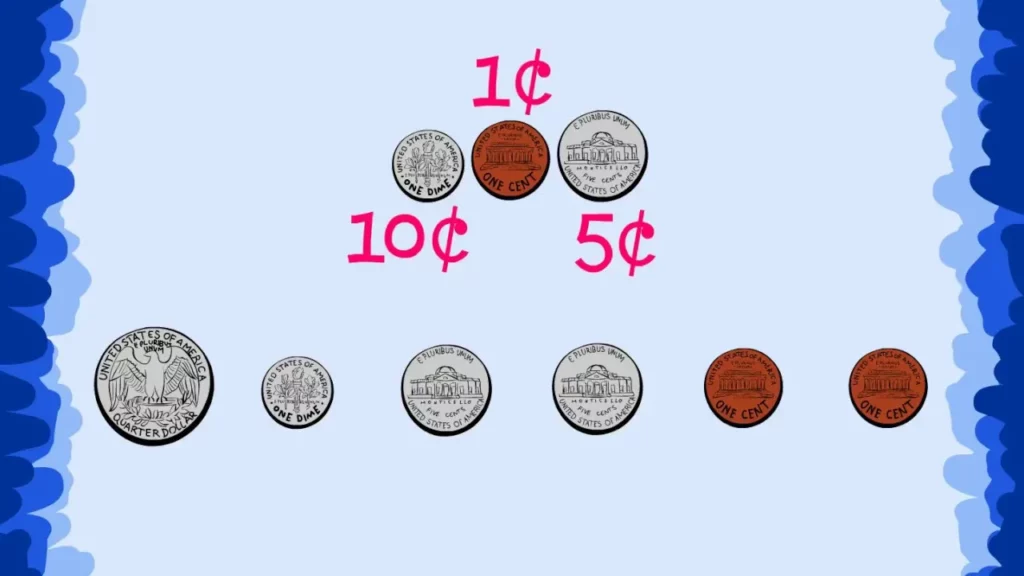
In this lesson, students learn about different coins and their values, including pennies, nickels, dimes, and quarters. They practice ordering the coins from greatest to least value and counting them using skip counting techniques. By the end of the lesson, students gain confidence in identifying and calculating the total amount of money they have.
Geometry
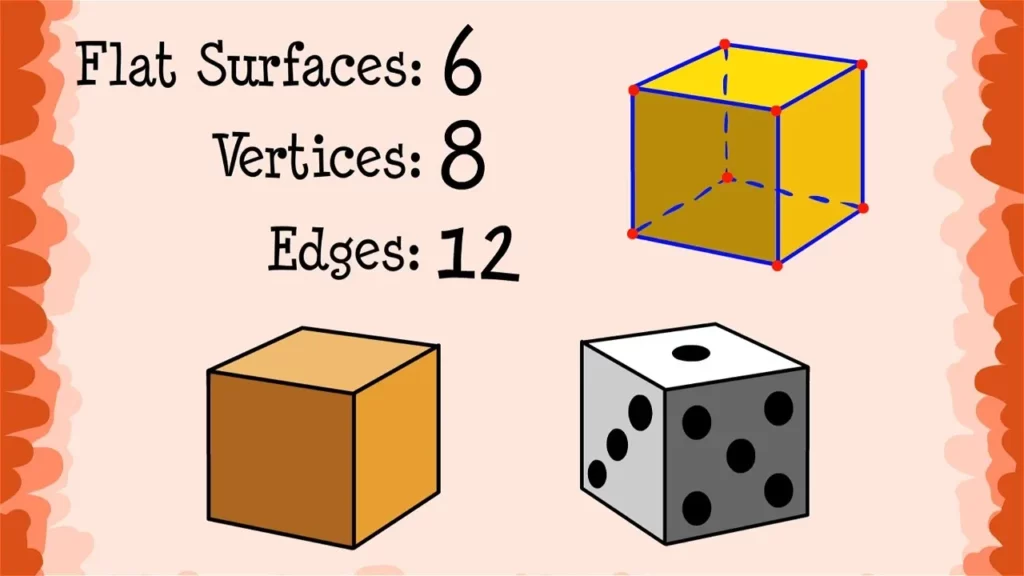
In this lesson, we explored the fascinating world of geometry, focusing on both two-dimensional shapes and three-dimensional objects. We learned about congruent shapes, how to manipulate them through sliding, flipping, and turning, and identified various solid figures like cubes, rectangular prisms, pyramids, cylinders, cones, and spheres. Additionally, we discovered the fun of combining shapes to create new forms, encouraging creativity and hands-on exploration in geometry.
Fractions
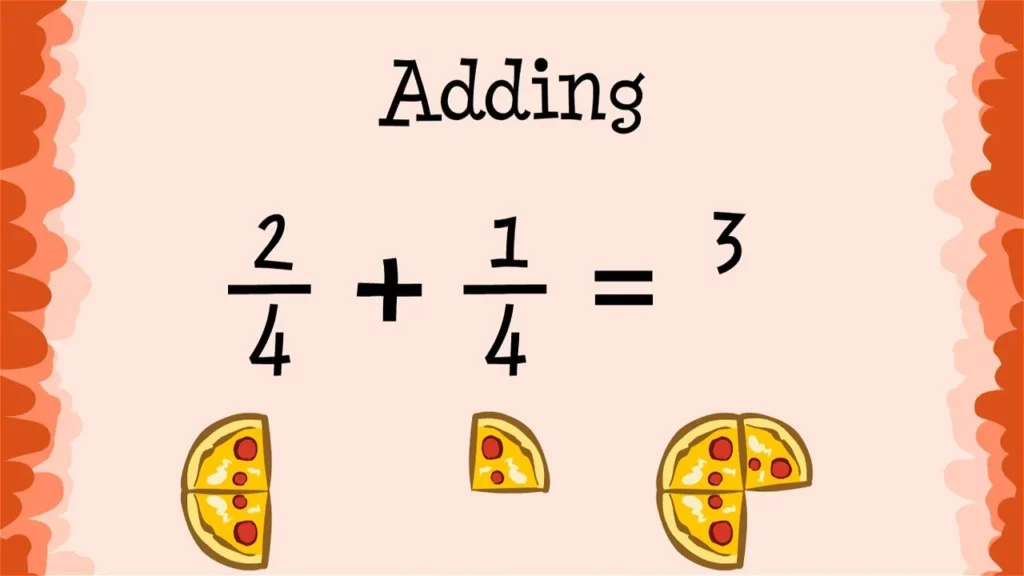
The lesson on understanding fractions introduces the concept of fractions as representations of parts of a whole, using relatable examples like sharing pizza and analyzing shapes. It explains the components of a fraction (numerator and denominator), demonstrates how to identify unit fractions, and covers basic operations such as adding and subtracting fractions with like denominators. Additionally, it highlights how to compare fractions based on their numerators when the denominators are the same, reinforcing the idea that fractions are useful for sharing and comparing quantities.
Multiplication
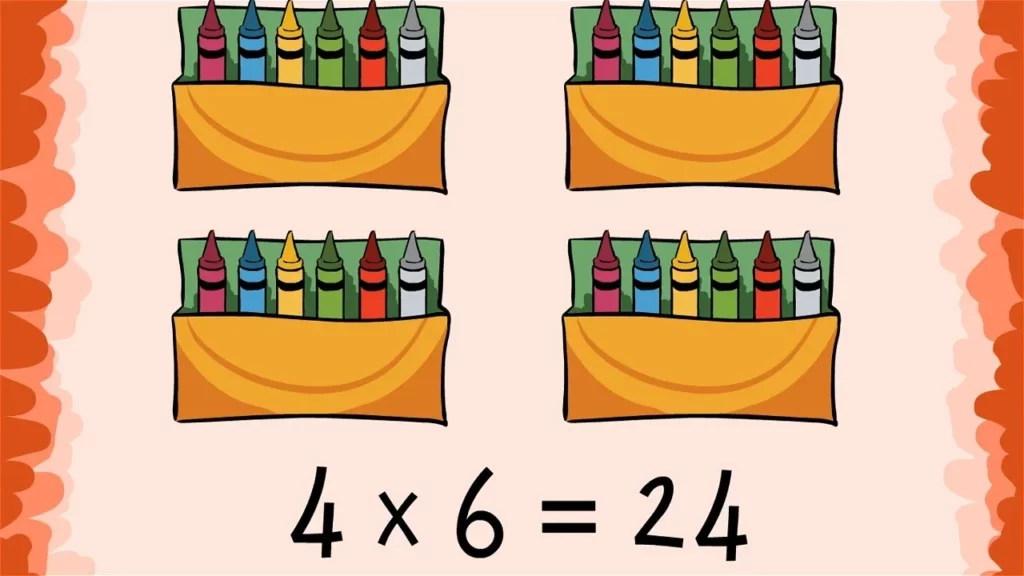
In today’s lesson, we explored the concept of multiplication through skip counting and repeated addition, making it both fun and accessible. We learned that multiplication helps us find the total number of items in equal groups, and we practiced solving word problems using a simple three-step method: understanding the problem, planning and solving, and checking our answers. By using tools like a hundred chart and visual aids, we can enhance our multiplication skills and become confident in solving various multiplication problems.