
Weight and Temperature
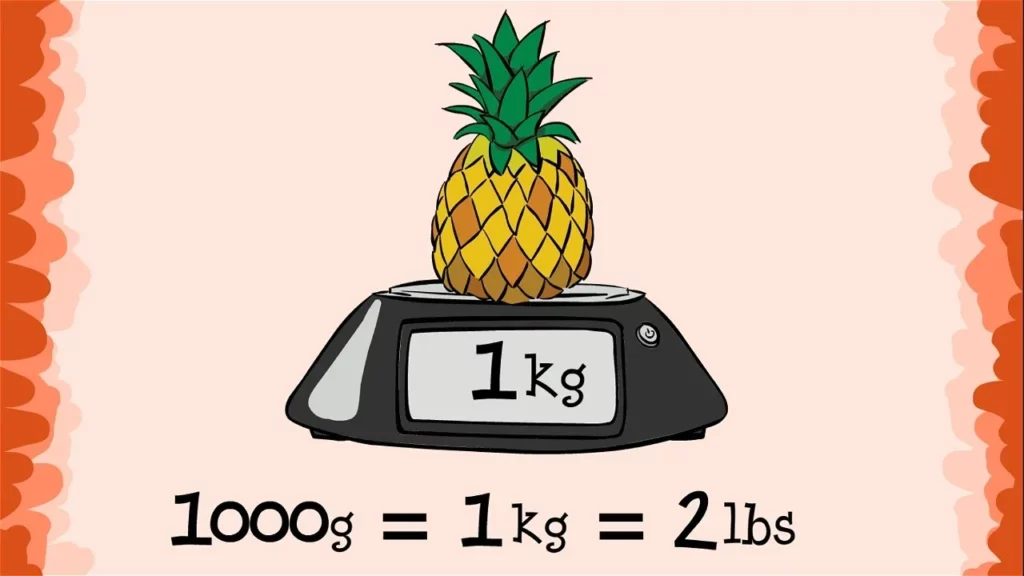
In this lesson, we explored the concepts of weight and temperature, two essential measurements that help us understand our environment. Weight is measured using scales and can be expressed in ounces, pounds, grams, and kilograms, while temperature indicates how hot or cold something is, measured in degrees Fahrenheit or Celsius using a thermometer. Understanding these measurements allows us to better interpret everyday experiences, from cooking to weather conditions.
Syllables
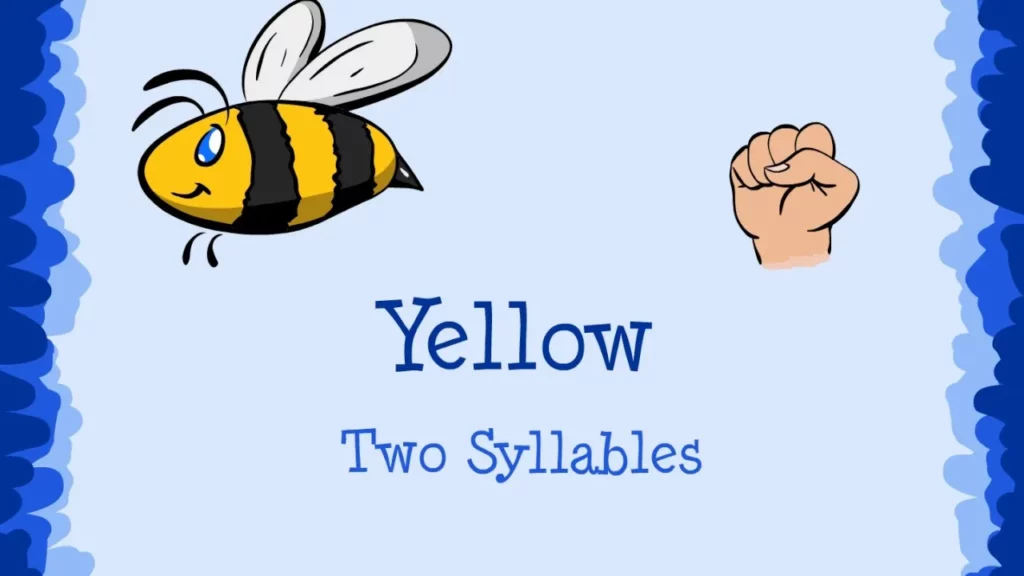
In today’s lesson, we explored the concept of syllables, which are the parts of words that contain vowel sounds. We learned how to count syllables by breaking down words like “fish,” “yellow,” “after,” and “wonderful” into their individual syllable components. The lesson emphasized the importance of listening for vowel sounds and encouraged practice to enhance understanding and enjoyment of syllables.
Estimation
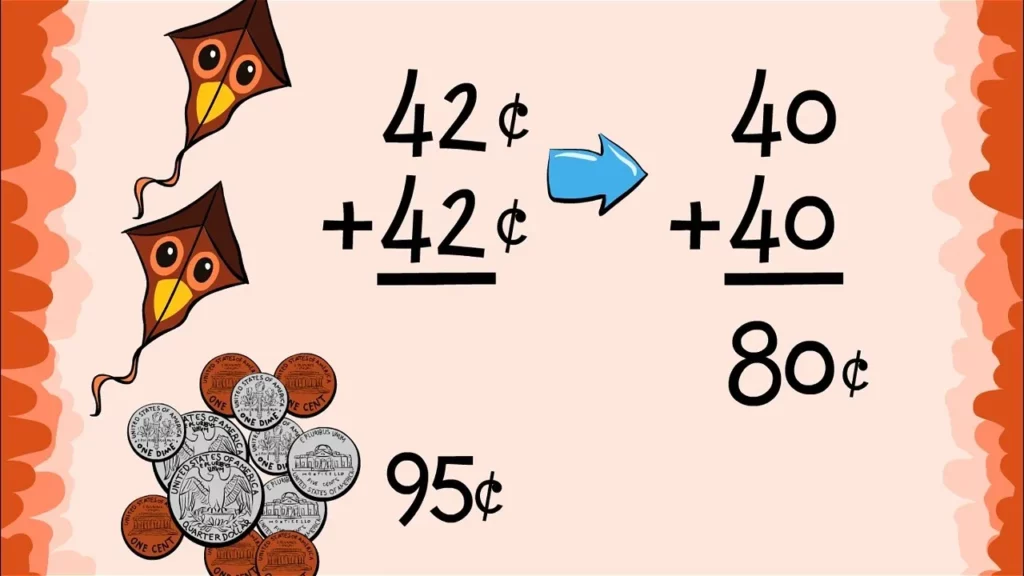
The lesson on estimating addition, subtraction, and money teaches students how to make smart guesses about numbers by rounding them to the nearest ten. This method helps in quickly assessing whether exact answers are reasonable, as demonstrated through examples of estimating sums and differences, as well as evaluating costs when shopping. Overall, estimation serves as a practical tool for making everyday decisions and verifying calculations.
Word Problems

In this lesson, students learn how to solve word problems using number sentences, which help organize information to find solutions. The lesson covers both addition and subtraction word problems, emphasizing key phrases that indicate whether to add or subtract. By following a structured approach—reading the problem, planning a solution, and checking their work—students can effectively tackle these mathematical challenges.
Probability
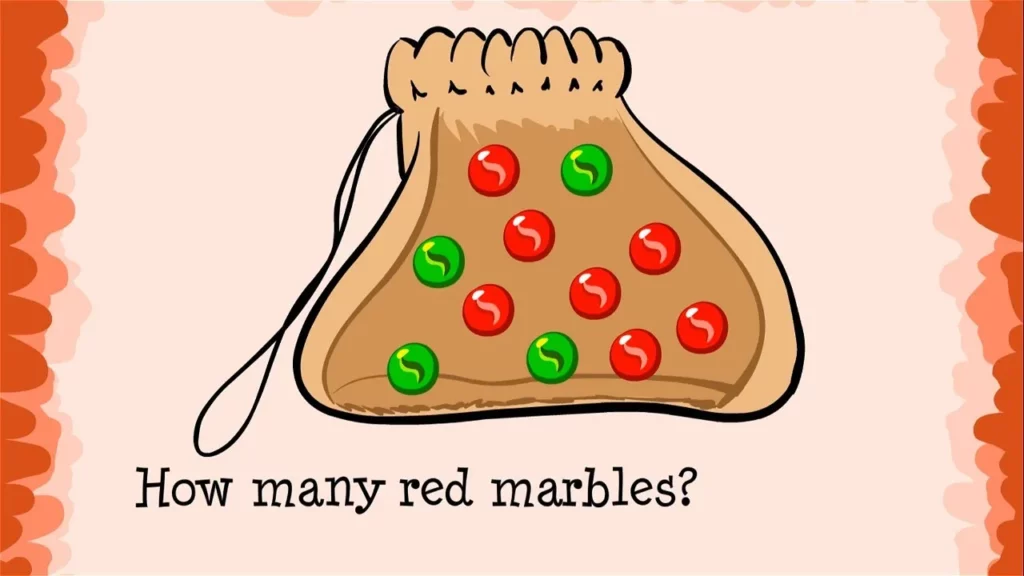
The lesson on understanding probability introduces the concept of making educated guesses about the likelihood of events occurring, using relatable examples like spinning a spinner and picking marbles from a bag. It explains the terms “certain,” “probable,” and “impossible,” illustrating how to assess the likelihood of different outcomes based on the quantities involved. Overall, the lesson emphasizes that probability is a fun and engaging way to predict what might happen in various scenarios.
Measuring Length
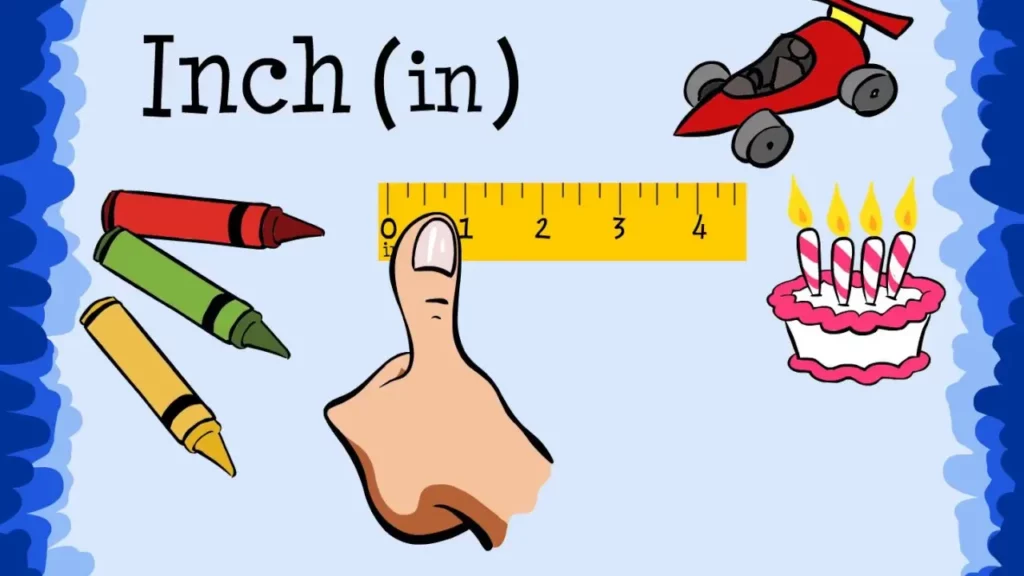
In this lesson on measuring length, students learn about two methods: non-standard units, such as using everyday items like paperclips or blocks, and standard units, which involve tools like rulers. The lesson emphasizes the importance of consistency in size when using non-standard units and provides examples of measuring various objects in inches and feet, encouraging students to practice and develop their measuring skills.
Capitalization and Punctuation
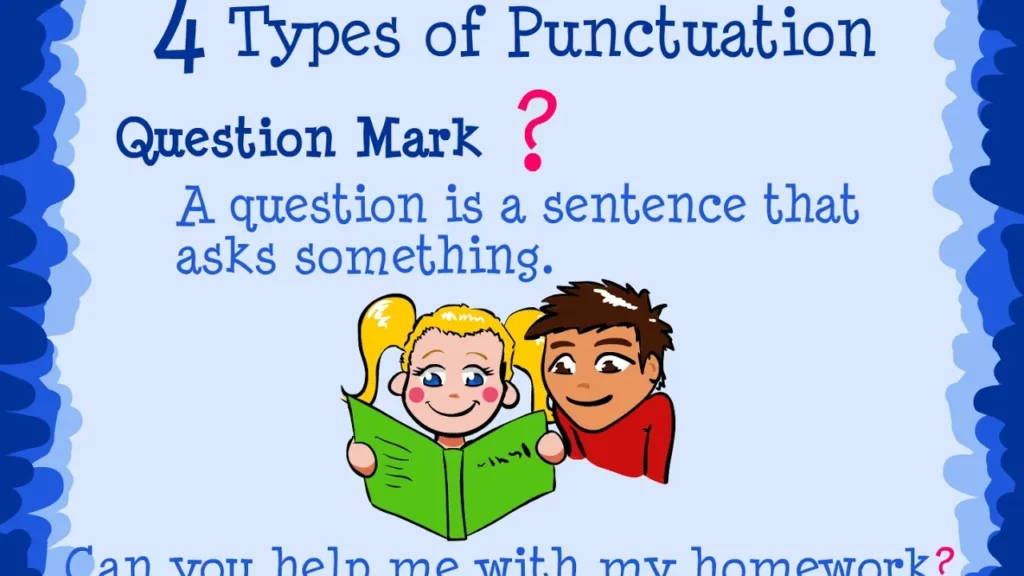
In this lesson on capitalization and punctuation, we learned essential rules for writing clearly and correctly. Key capitalization rules include capitalizing the word “I,” the first word of a sentence, proper nouns, days of the week, and holidays. Additionally, we explored punctuation marks such as periods, question marks, and exclamation marks, which help convey the intended tone and meaning of sentences.
Measurement (Perimeter, Area, Volume)
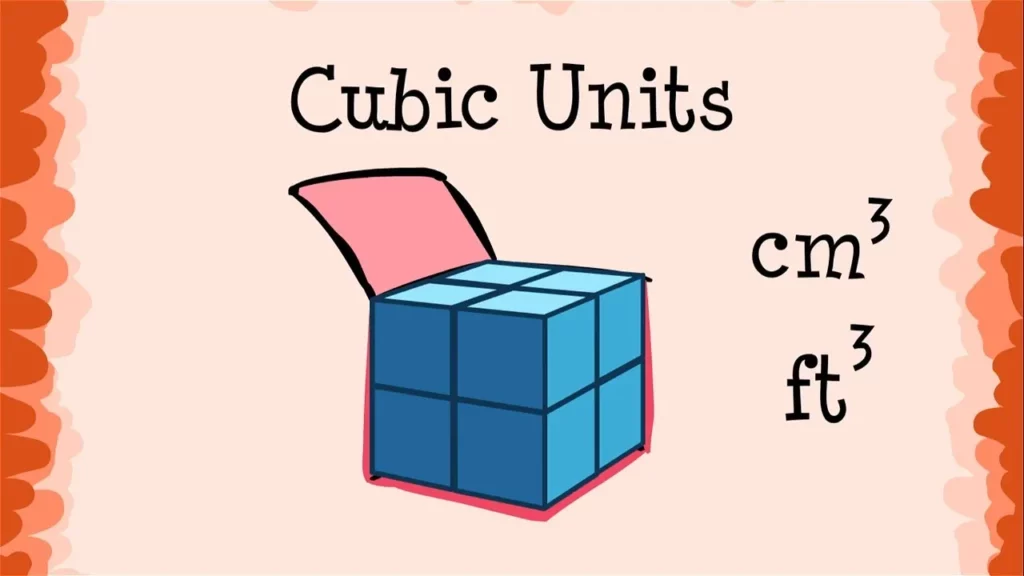
In this lesson, we explored the concepts of perimeter, area, and volume, which are essential for measuring different aspects of shapes and objects. Perimeter is the total distance around a shape, area measures the space inside a shape, and volume quantifies how much space an object occupies. Understanding these measurements allows us to better comprehend the size and space of various shapes in our environment.
Temperature
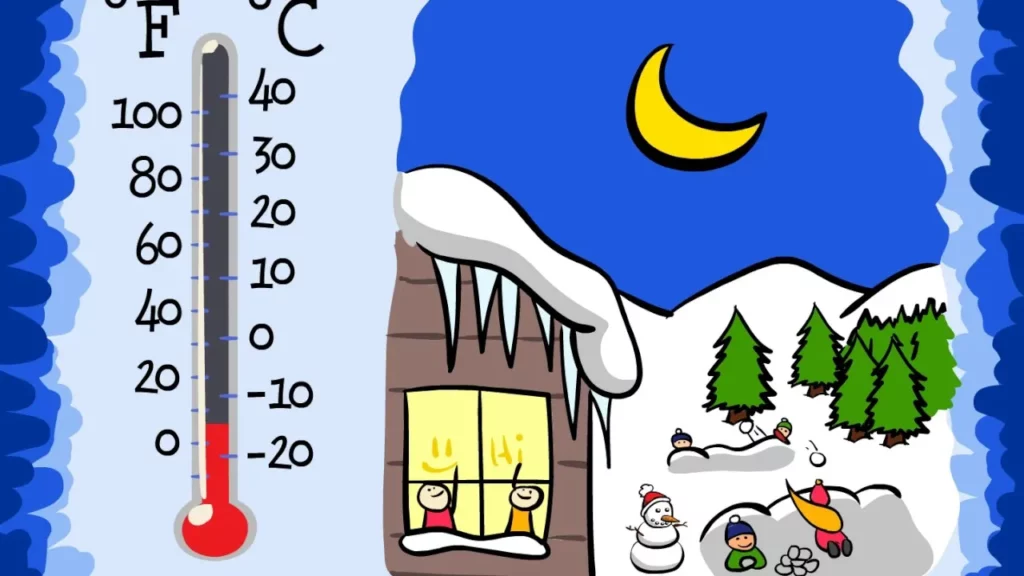
The lesson on understanding temperature introduces the concept of measuring heat using thermometers, which display temperatures in degrees Fahrenheit (°F) and Celsius (°C). It explains how to read a thermometer and highlights the activities and clothing choices appropriate for different temperature ranges, emphasizing the importance of temperature in planning daily activities.
Sentences
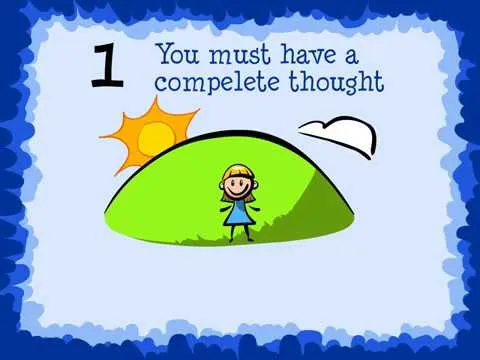
In this lesson, we learned that sentences are essential for conveying complete thoughts about people, places, animals, or things and their actions. Key components of a proper sentence include having a clear subject and verb, maintaining a logical word order, and using correct capitalization and punctuation. By following these simple rules, anyone can create effective and engaging sentences.