
‘th’ ‘f’ ‘v’ are often confused | Learn How to Say and Spell
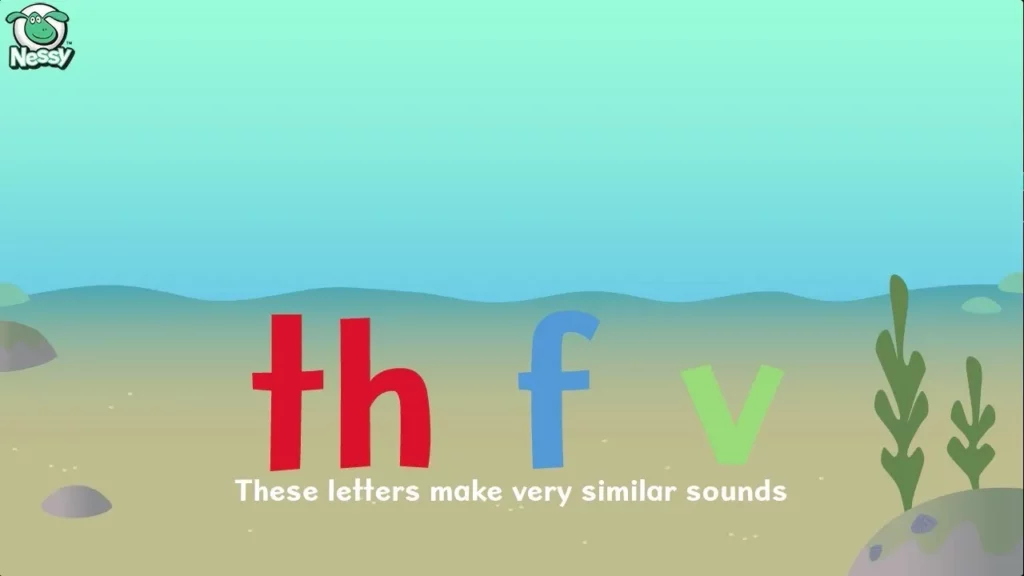
In this lesson, students learn to articulate the sounds ‘th’, ‘f’, and ‘v’ through engaging activities and practice. By using mirrors and specific mouth placements, they explore how to produce each sound correctly and reinforce their learning with a fun guessing game. The emphasis is on practice to build confidence and proficiency in pronouncing these tricky sounds.
When to use a comma | Help with Punctuation
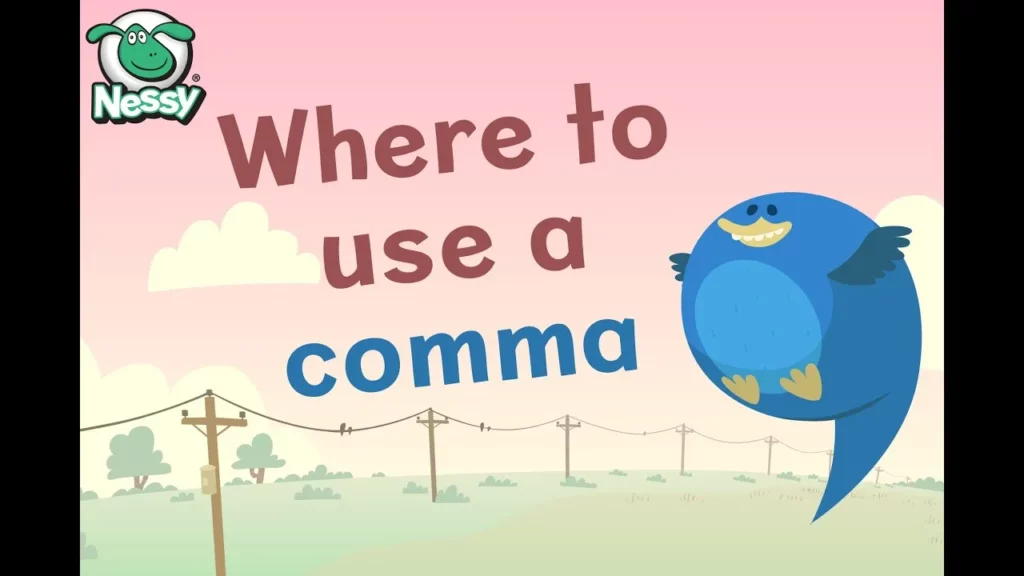
In this lesson, we learn about the importance of commas, represented as a “comma bird” that provides pauses in sentences for clarity. Commas help connect ideas within clauses and are essential for separating items in a list. However, it’s crucial to use them judiciously to avoid cluttering sentences, ensuring that periods are used for longer breaks between complete thoughts.
1-Minute Spelling Strategy | Learn to Spell Sight Words Using Pictures
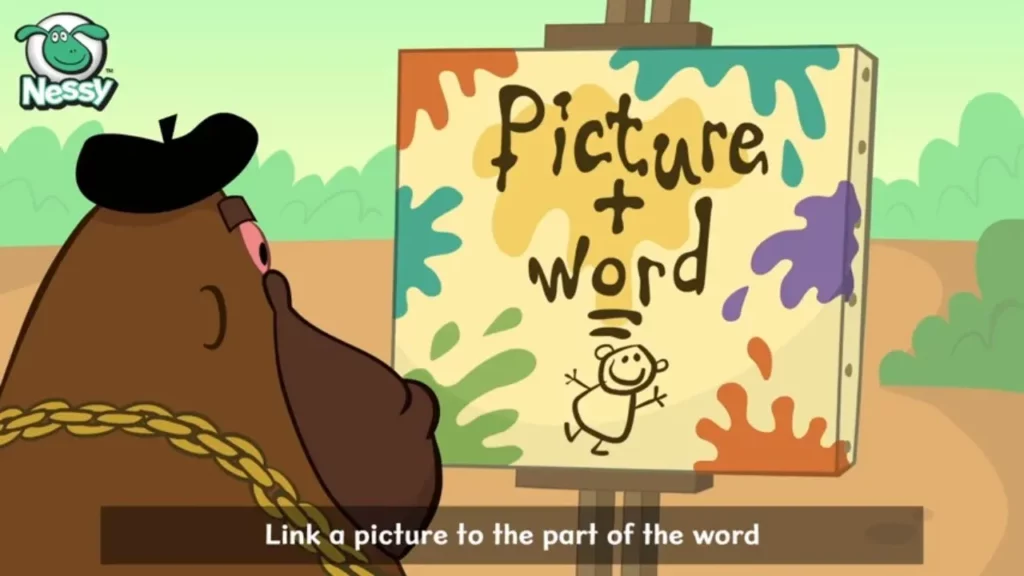
The “1-Minute Spelling Strategy” lesson teaches students how to spell challenging sight words by associating them with imaginative pictures. For example, to remember the spelling of “beginning,” students visualize two hills between the ‘n’s, while for “first,” they picture the letter ‘i’ as a runner coming in first place. This creative approach makes learning to spell more engaging and memorable.
Learn Greater Than, Less Than, and Equal To | Nessy Number Sense
In this lesson on Number Sense Island, students learn about the concepts of greater than, less than, and equal to through the adventures of the Lesser Yeti, who compares its size to various objects and other Yetis. The lesson emphasizes understanding numerical relationships, illustrating that three is greater than one, and five is less than nine, while encouraging students to engage with fun activities to reinforce these concepts.
Amazing Newts Vibrate (Adjective Noun Verb)
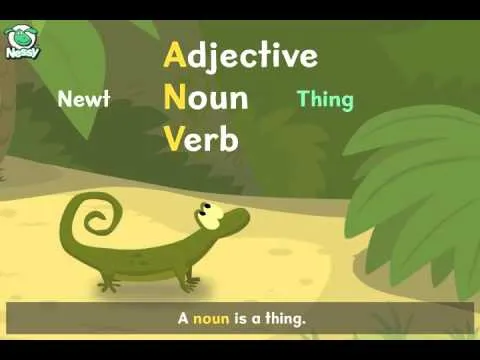
In this lesson, students embark on an adventure to discover an extraordinary newt that can vibrate, which serves as a fun way to learn about parts of speech. The lesson highlights adjectives, nouns, and verbs, using the words “amazing” (adjective), “newt” (noun), and “vibrating” (verb) to illustrate their definitions and functions in a sentence. By the end, students see how these elements come together to enhance their understanding of language.
How to Add and Subtract like a Superhero
In this lesson, young learners are introduced to the concepts of addition and subtraction through engaging superhero-themed activities. By using relatable examples like counting and manipulating nuggets, children practice the powers of “plus” and “minus,” reinforcing their understanding of basic math operations. The lesson encourages continued practice with fun activities and games, emphasizing that math is a valuable skill akin to a superpower.
Learn Times Tables | Multiplication Help
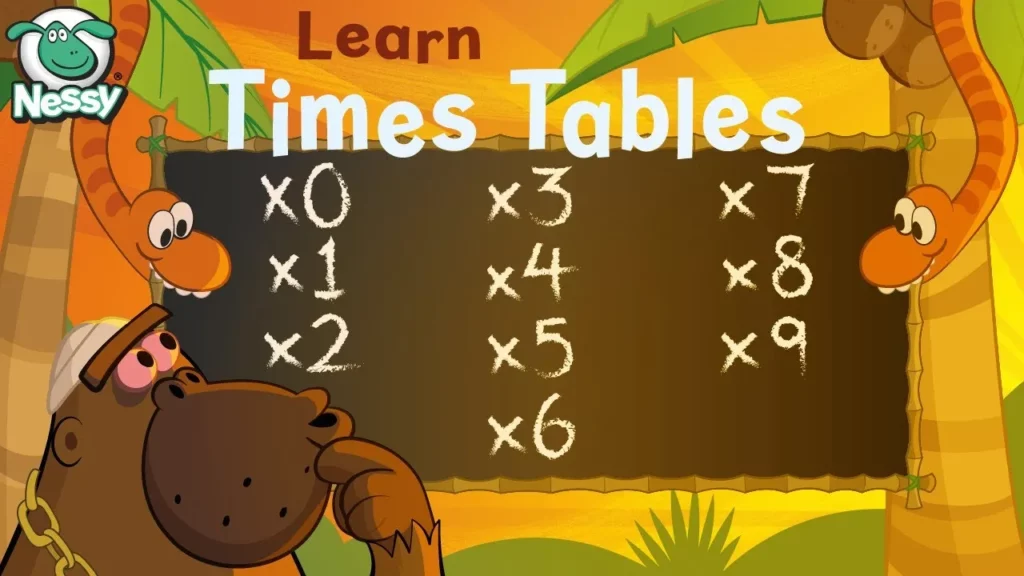
This lesson on multiplication introduces foundational concepts, starting with the principle that any number multiplied by zero equals zero. It covers the one and two times tables, emphasizing patterns and tricks, such as the commutative property of multiplication and using a table square for quick reference. Additionally, it highlights fun methods, like using fingers for the nine times table, to make learning multiplication engaging and accessible.
Tables of Doom: x9 Rule
In this lesson, students learn how to multiply by nine using their fingers and by recognizing patterns in the nine times table. The finger trick involves bending down a specific finger to visually represent the product, while the pattern method shows that the digits of the answers add up to nine. With practice, students can become proficient in the nine times table through these engaging techniques.
Number Sense | Learn Numbers 6-10 | Sing and Dance Along For Kids!
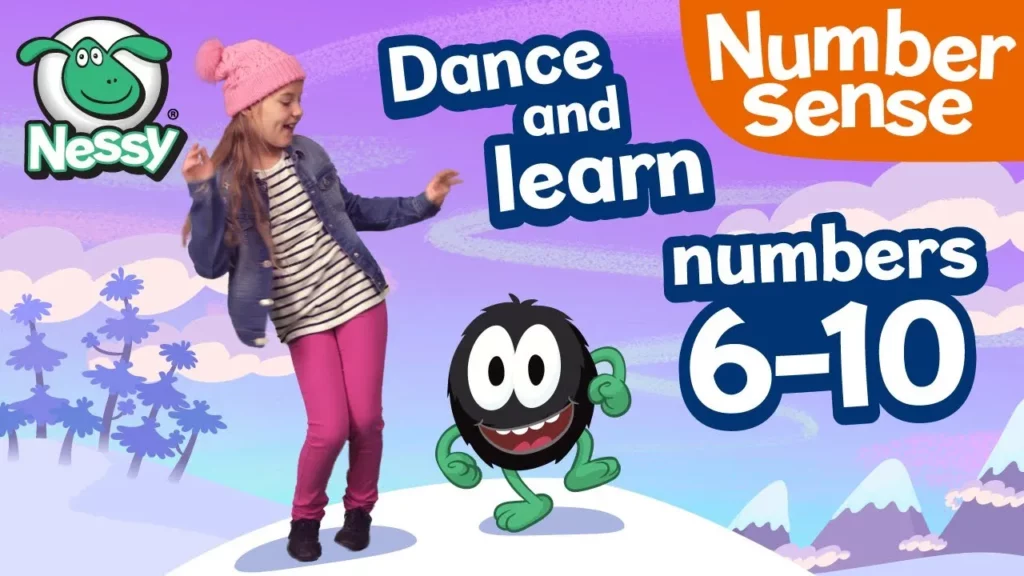
In this lesson, students learn numbers 6 to 10 through a fun and interactive dance routine that incorporates counting and movement. Each number is introduced with specific dance steps, encouraging physical activity while reinforcing numerical skills. The lesson concludes with a celebratory clap for reaching number ten, promoting a sense of achievement and enjoyment in learning.
Vowel R E | Learn to Read
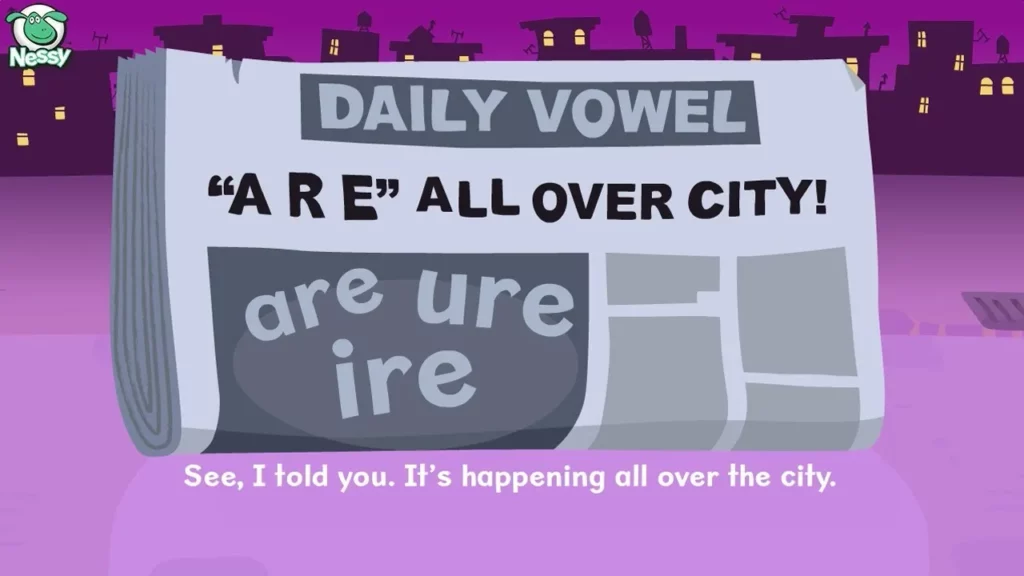
In this lesson, students learn about the magic “E” and its interaction with the letter “R” to create new sounds in words. By exploring examples like “care,” “fire,” and “cure,” learners discover how the combination of these letters alters pronunciation. The lesson encourages practice and sharing this knowledge with others, emphasizing the fun of uncovering the secrets of reading.