
Number Sense | Learn Numbers 1-5 | Sing and Dance Along For Kids!
In this engaging lesson, children learn numbers 1-5 through interactive songs and dance moves. Each number introduces a new dance step, encouraging kids to participate actively while reinforcing their understanding of counting and movement. The lesson emphasizes fun and physical activity, making learning enjoyable and memorable.
Syllable Division | Learn the six rules of syllables | Chunking words | Learn to Read
In this lesson on syllable division, students learn how to break words into syllables by identifying vowels and applying specific rules. Key concepts include distinguishing between open and closed syllables, understanding the treatment of vowel and “r” combinations, recognizing vowel teams, and applying the magic “e” rule. The lesson emphasizes practice and provides strategies for effectively splitting words to enhance reading skills.
Reading Strategy : ing, ang and ong
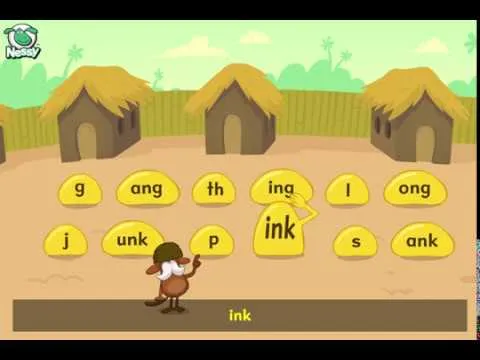
In this lesson, students learn about the reading strategy involving the special sound units “ing,” “ang,” and “ong.” By breaking words into smaller parts using their fingers, learners can easily identify and read these units, enhancing their reading skills. The lesson encourages practice and exploration of these units in various words to foster confidence and proficiency in reading.
1-Minute Spelling Strategy | Learn How Mnemonics Can Help You Spell Tricky Words | Sight Words
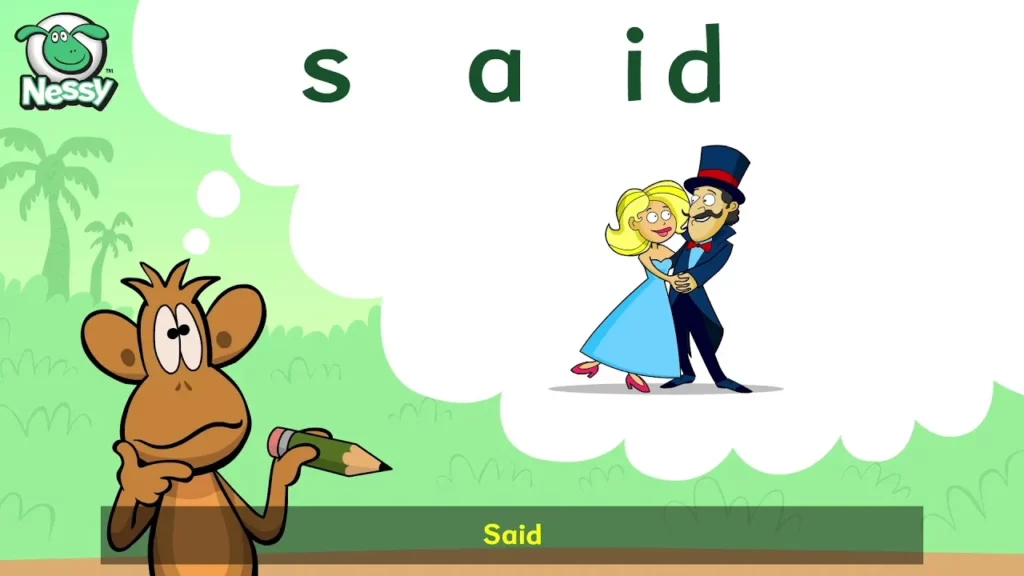
The lesson introduces the 1-Minute Spelling Strategy, which utilizes mnemonics to help remember the spelling of tricky words like “said.” By creating a fun sentence where each word starts with the same letter as the target word, learners can easily recall the spelling. Additionally, incorporating drawings can enhance memory retention, making the spelling practice both enjoyable and effective.
1 Minute Spelling Strategy: Rhyming!
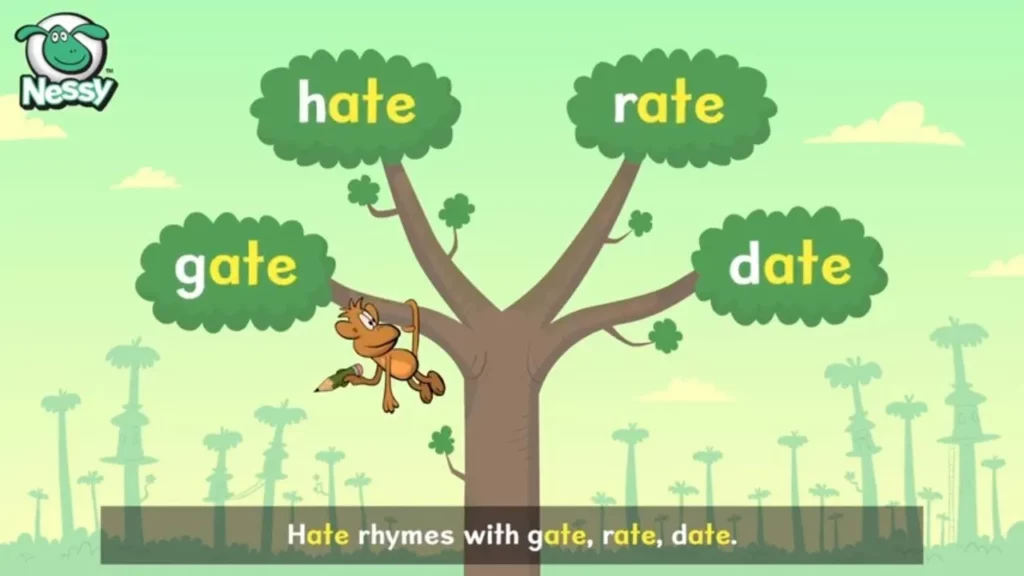
The “1 Minute Spelling Strategy: Rhyming!” lesson introduces a fun technique for improving spelling by using rhyming words, which often share similar letter patterns. For example, knowing how to spell “gate” can help you spell “hate” and “date” due to their shared ending. However, the lesson also cautions about homophones, which sound alike but have different spellings, reminding learners to be mindful of these exceptions while practicing their spelling skills.
Qu Words | Queen of Witches | Learn to Read |
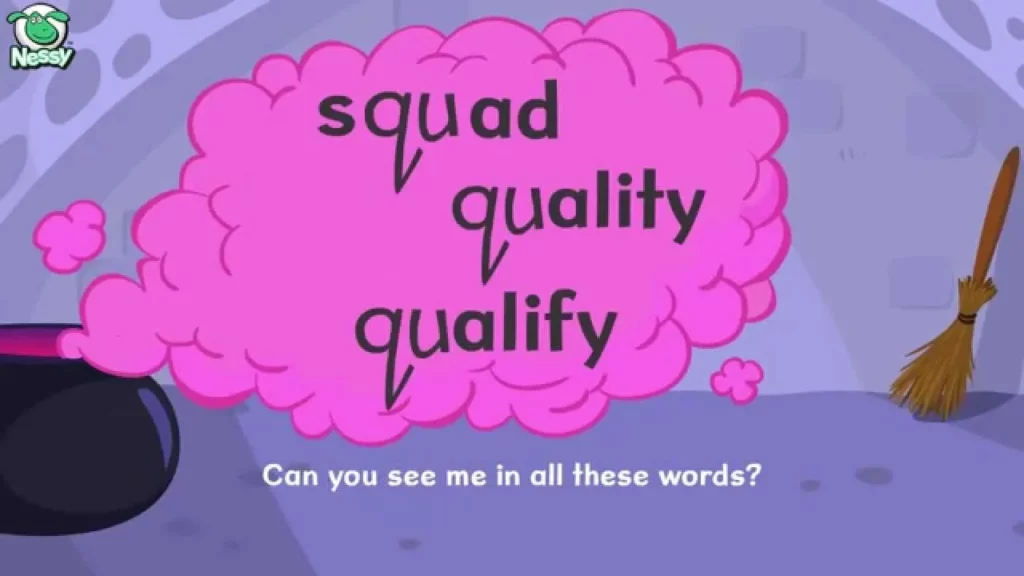
In this lesson, students are introduced to the magical concept of the letters “Q” and “U,” which together create the unique sound “kw,” as exemplified by words like “quick,” “squad,” and “quality.” The lesson encourages exploration of additional “qu” words and highlights the playful nature of language, inviting learners to engage with words creatively while enhancing their reading skills.
When to Use a Question Mark | When to Use an Exclamation Point
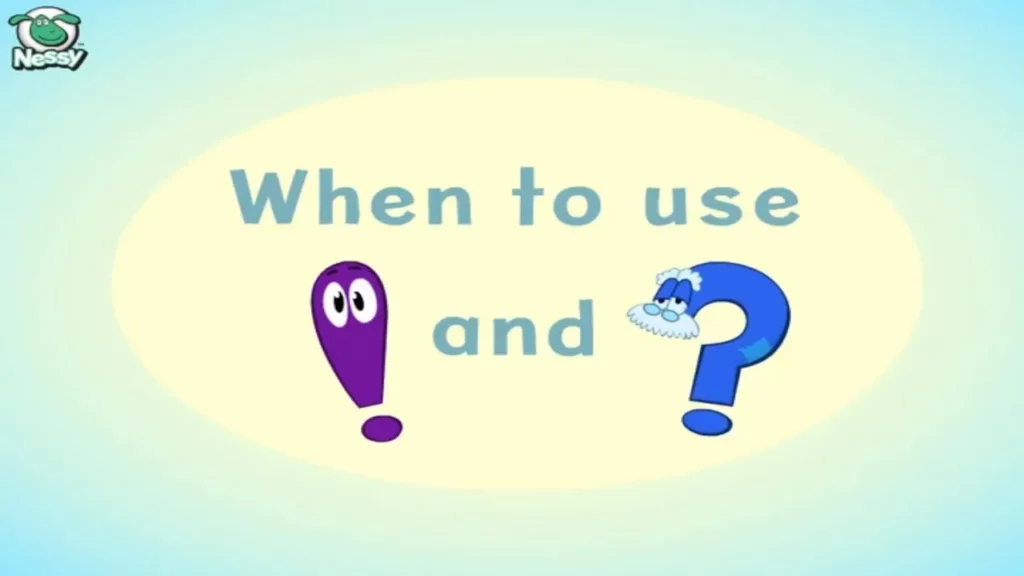
In this lesson, we learned about the proper use of question marks and exclamation points at the end of sentences. Exclamation points convey excitement or strong feelings, while question marks indicate that a sentence is asking something. By practicing with these punctuation marks, we can enhance our writing and express our emotions more effectively.
???? Finger Sense: Fun Finger Counting Song for Kids ????
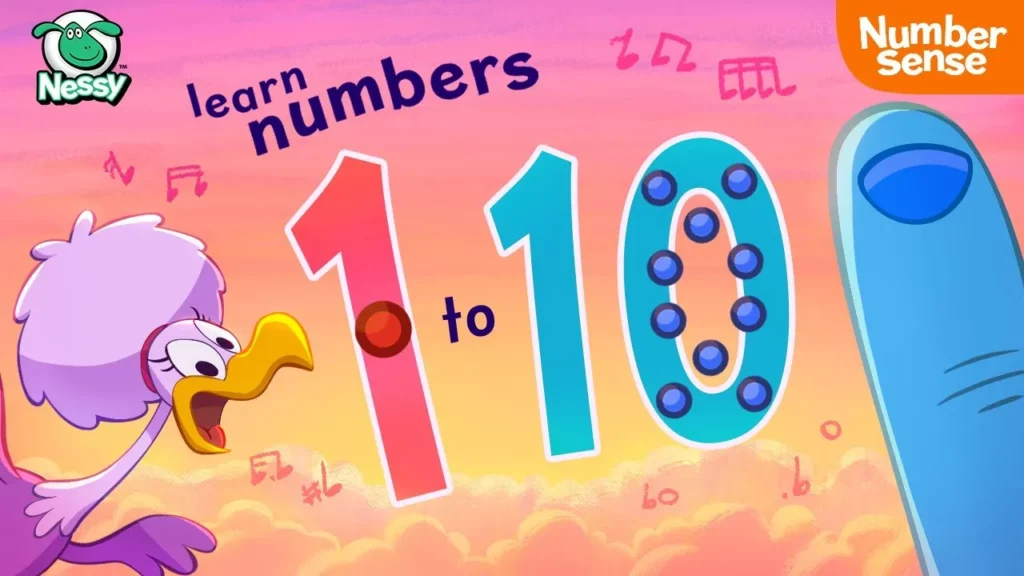
In the “Finger Sense: Fun Finger Counting Song for Kids” lesson, children learn to count using their fingers in an engaging and interactive way, starting with one hand and then moving to the other. The lesson encourages participation through clapping and counting, reinforcing number recognition and fine motor skills. It also promotes further learning opportunities through the Nessy Number Sense program, inviting kids to explore more fun math activities.
The Doubling Song | When do you double the consonant?
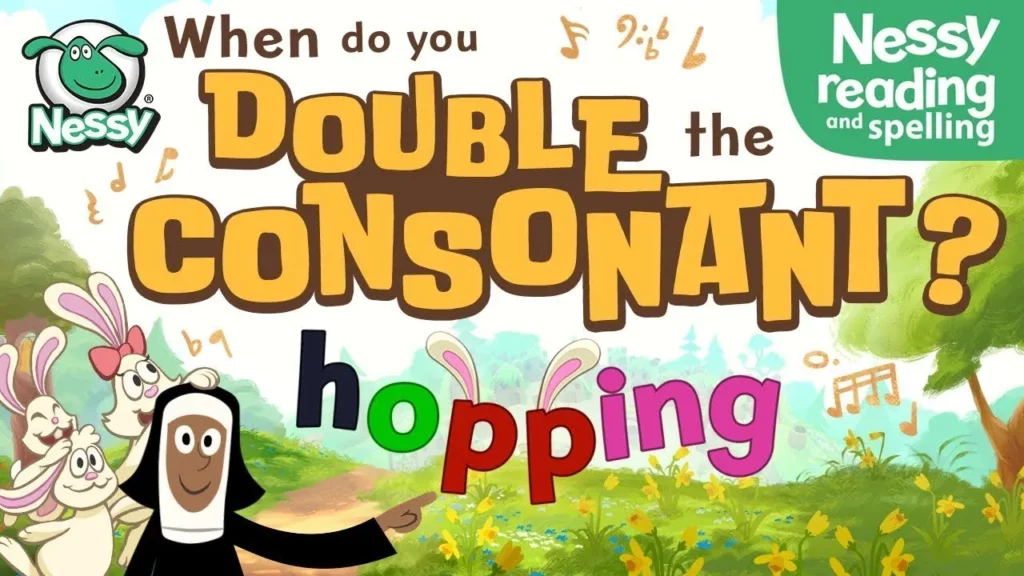
In this lesson, students learn about the “Doubling Rule,” which involves adding a consonant to words to make them larger and more exciting, referred to as “rabbit words.” The rule states that if a word has one short vowel sound followed by a single consonant, the consonant can be doubled before adding a suffix that starts with a vowel, such as in the transformation of “run” to “running.” This fun approach to word formation encourages engagement and excitement in learning about spelling.
1 Minute Spelling Strategy: Rules
The lesson introduces a simple spelling strategy that highlights the importance of understanding specific spelling rules in English. It focuses on the phonics sounds ‘aoy’ and ‘oh,’ explaining that ‘aoy’ is used in the beginning or middle of words, while ‘oh’ is reserved for the end. By associating these sounds with their positions in the alphabet, learners can easily remember where to use them, making spelling more manageable and fun.