
Antonyms for Kids | A Medley of Opposite Words
In this lesson, children learn about antonyms—words that have opposite meanings—through a magical adventure with Griselda the witch. By exploring various pairs of antonyms such as “empty and full,” “young and old,” and “big and small,” students engage with fun examples that illustrate the concept of opposites in a memorable way. The lesson emphasizes the importance of practicing antonyms to become proficient in understanding and using them.
Superheroes and Villains Quiz for Kids | Guess the Superheroes and Villains | Superhero Trivia
In this lesson, students participated in an engaging quiz focused on superheroes and villains from the comic book universe, testing their knowledge on iconic characters and their attributes. The quiz included questions about well-known figures such as Superman, Batman, and Thor, as well as their respective powers and identities. It aimed to make learning fun while encouraging students to explore the fascinating world of comics.
Guess the Country by its Currency Quiz | Guess the Currency Challenge
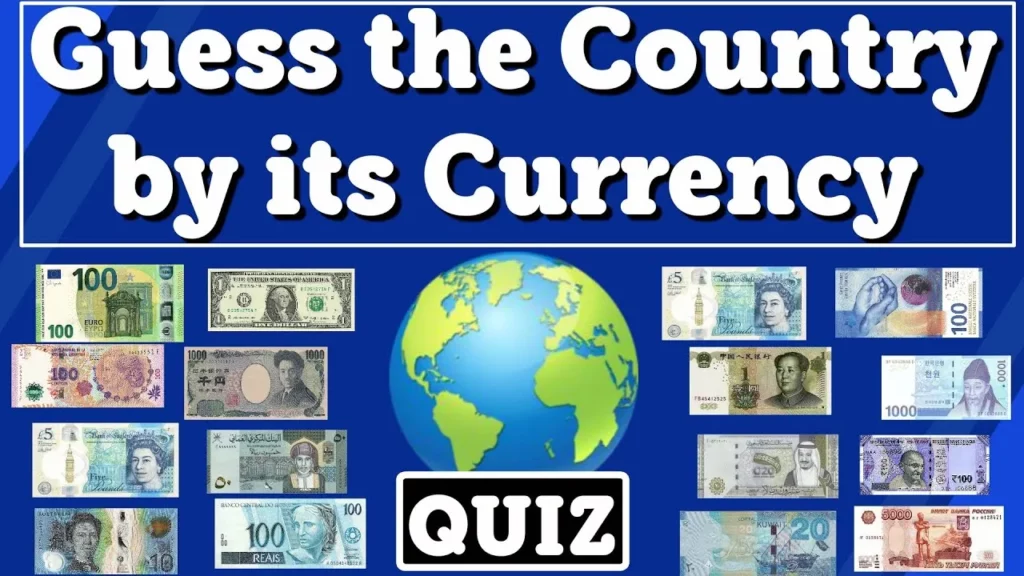
In this lesson, students participated in a quiz to identify various countries based on their currencies, enhancing their knowledge of global currencies and geography. Each question presented multiple-choice options, with the correct answers provided to reinforce learning. The lesson aimed to make learning about currencies engaging and interactive, encouraging further exploration through additional resources.
Sink or Float Quiz for Kids | Why Do Things Float or Sink? | Sink and Float Experiments
In this lesson, kids engage in a “Sink or Float” quiz where they predict whether various objects will sink or float in water. Through hands-on experiments with items like leaves, keys, and fruits, they learn that buoyancy is influenced by an object’s weight and density, as demonstrated by the surprising results when salt is added to water. The lesson encourages curiosity and exploration in science by inviting children to conduct their own experiments at home.
Animal Sounds for Kids | Guess the Animal Sound Game | Animal Sounds Quiz
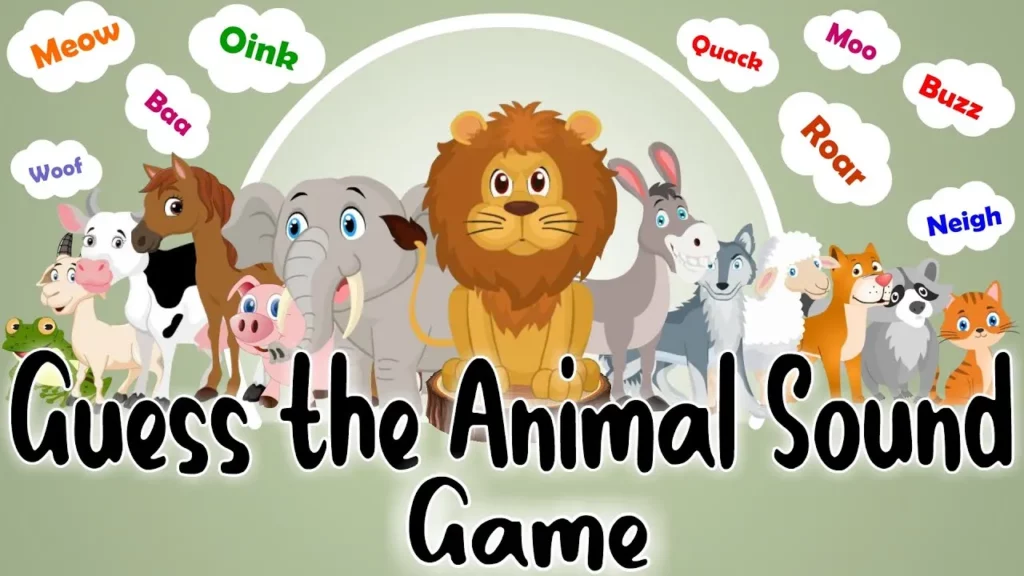
In the “Animal Sounds Fun!” lesson, participants engage in a playful game where they listen to various animal sounds and guess the corresponding animals. The activity encourages active listening and reinforces knowledge of animal sounds, while also promoting fun and interaction among friends. At the end of the lesson, participants are praised for their efforts and encouraged to explore more activities online.
Transformations Quiz | Rotation, Reflection, and Translation of Shapes | Math Quiz
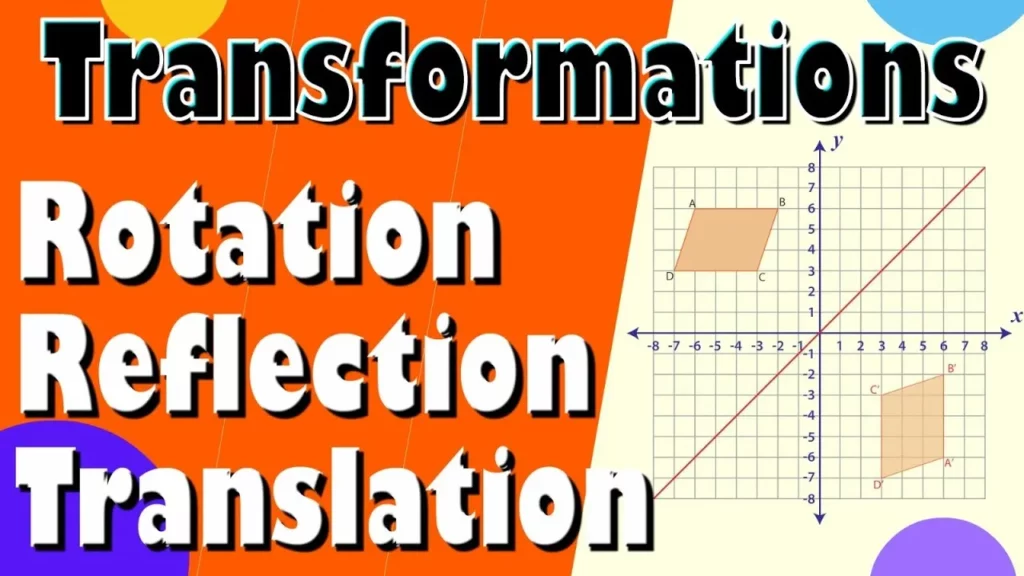
In this lesson, students explored the three main types of geometric transformations: reflection, translation, and rotation. They learned that reflection involves flipping a shape over a line, translation is the sliding of a shape without altering its size or orientation, and rotation is the turning of a shape around a fixed point. Through various examples and practice questions, students tested their skills in identifying each transformation, concluding with a sense of accomplishment in mastering these concepts.
The Human Skeletal System Quiz | Explore the Human Skeleton | Identify Bones and Their Functions
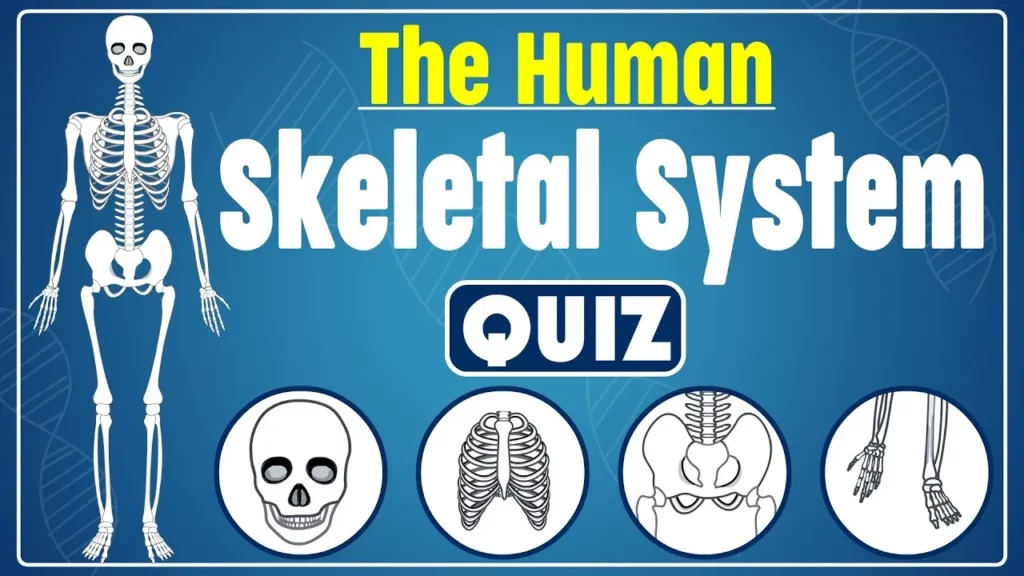
In this lesson, students embark on an engaging quiz to explore the human skeletal system by identifying various bones and understanding their functions. Through a series of challenges, learners discover key bones such as the skull, ribs, sternum, and femur, while gaining insights into their protective roles and structural significance in the body. The lesson encourages further exploration of the human body through additional educational resources.
Push and Pull Forces Quiz with Real-life Examples for Kids! | Identifying Push and Pull Forces
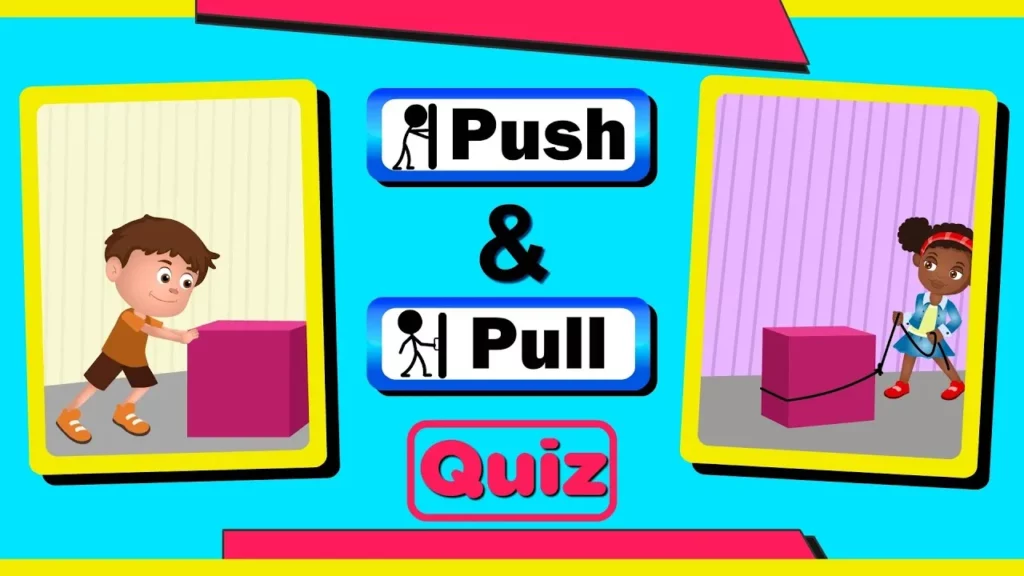
In this lesson, students learn about push and pull forces through engaging real-life examples and a fun quiz format. They explore various scenarios, such as opening a door (pull) and kicking a ball (push), to understand how these forces help objects move. The lesson encourages curiosity and provides additional resources for further practice.
Obtuse Angles | Bridging the Gap between Math and Real World
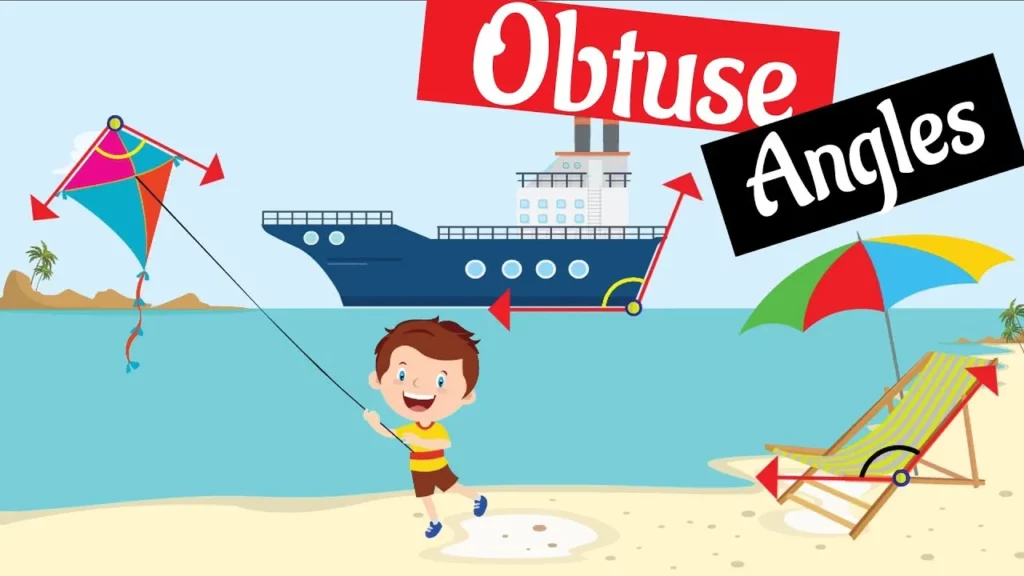
In this lesson, we explored obtuse angles, defined as angles greater than 90 degrees but less than 180 degrees, using relatable examples such as windmills, the letter K, and house rooftops. Students are encouraged to observe their surroundings for more instances of obtuse angles and to engage in further practice through suggested resources.
What is an Acute Angle? Explore with Real-Life Examples
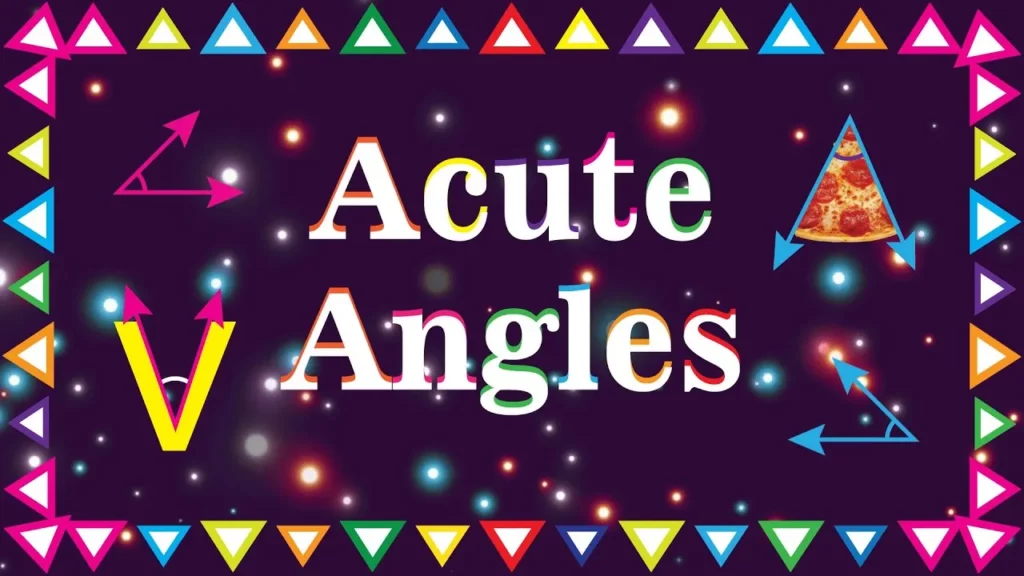
In this lesson, students learn about acute angles, defined as angles greater than 0 degrees but less than 90 degrees, using engaging real-life examples such as pizza slices, the letter V, and the spaces between fingers. The lesson encourages learners to observe and identify acute angles in their everyday surroundings, fostering a deeper understanding of geometry.