
Magnetic or Nonmagnetic Materials Quiz | Testing Materials for Magnetic and Nonmagnetic Properties
In this lesson, students participated in a fun quiz to learn about magnetic and non-magnetic materials. They discovered that objects made of certain metals, like steel and iron, are magnetic and stick to magnets, while materials such as plastic, wood, glass, and rubber are non-magnetic and do not stick. The quiz encouraged exploration and understanding of the properties of different materials in relation to magnetism.
The Dinosaur Quiz Show | Dinosaur Names and Meanings Quiz for Kids
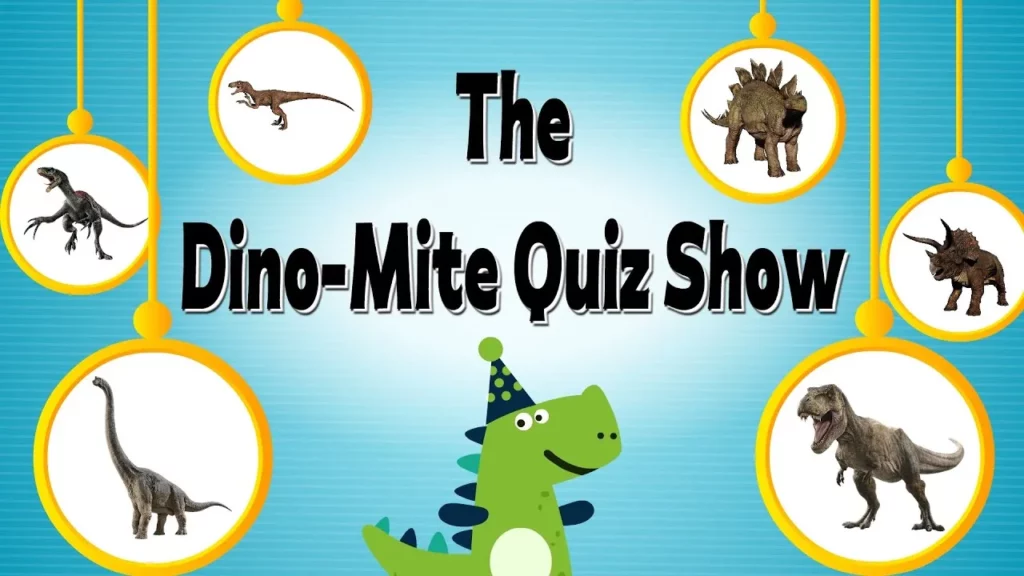
In “The Dinosaur Quiz Show,” kids engage in a fun quiz to learn about various dinosaurs and the meanings of their names. Each question highlights a different dinosaur, providing interesting facts about their characteristics, such as the Brachiosaurus being called the “arm lizard” due to its long front legs, and the Triceratops meaning “three-horned face.” The lesson encourages curiosity and exploration of the fascinating world of dinosaurs.
Properties of 3D Shapes | Faces, Edges, and Vertices of Prisms and Pyramids
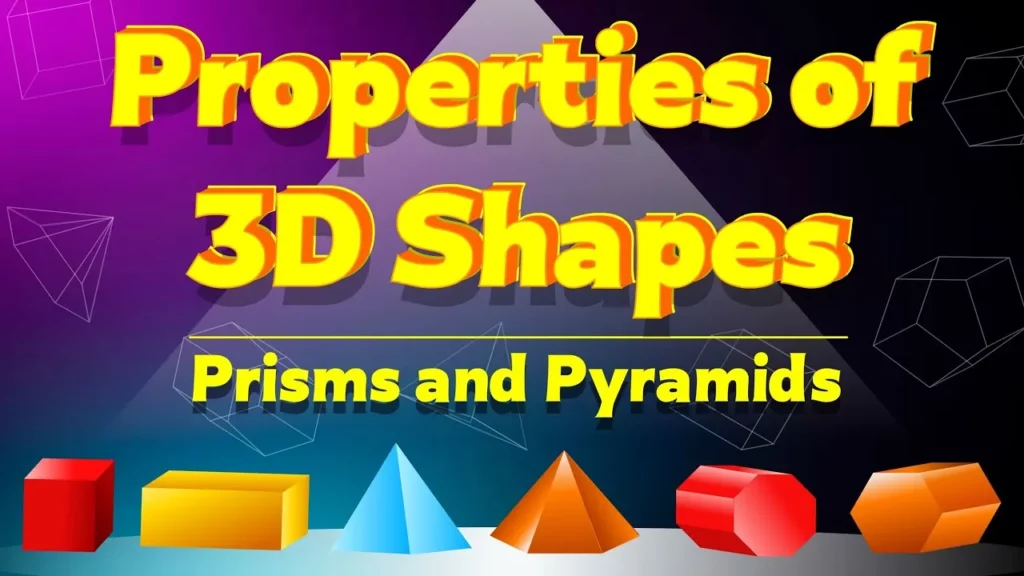
In this lesson, we explored the properties of 3D shapes, focusing on prisms and pyramids. We learned that prisms have two identical ends and flat faces, with specific characteristics based on their base shapes, while pyramids consist of a base and triangular sides, with a pattern relating the number of faces, edges, and vertices to the base’s sides. Additionally, we briefly touched on shapes with curved surfaces, including cylinders, cones, and spheres, highlighting their unique features.
Road Signs Quiz for Kids | Guess the Road Signs | Traffic Signs Quiz
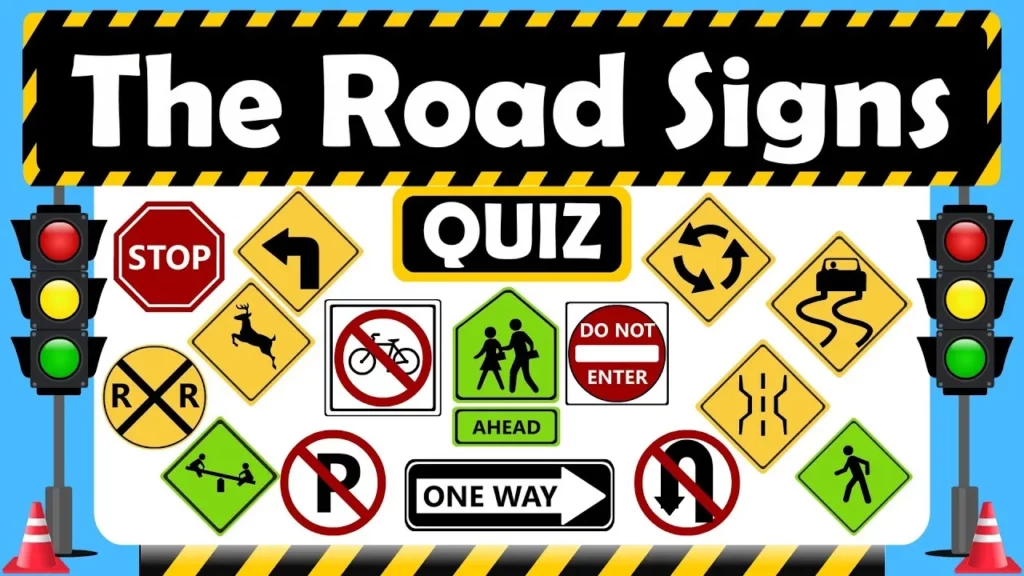
In this lesson, participants engaged in a quiz designed to test their knowledge of various road signs, emphasizing the importance of recognizing these signs for road safety. Each question presented a choice among three signs, with correct answers provided for signs such as stop signs, school zones, and pedestrian crossings. The quiz aimed to reinforce understanding of road signage while encouraging further practice through additional resources.
Homophones for Kids | List of Homophones
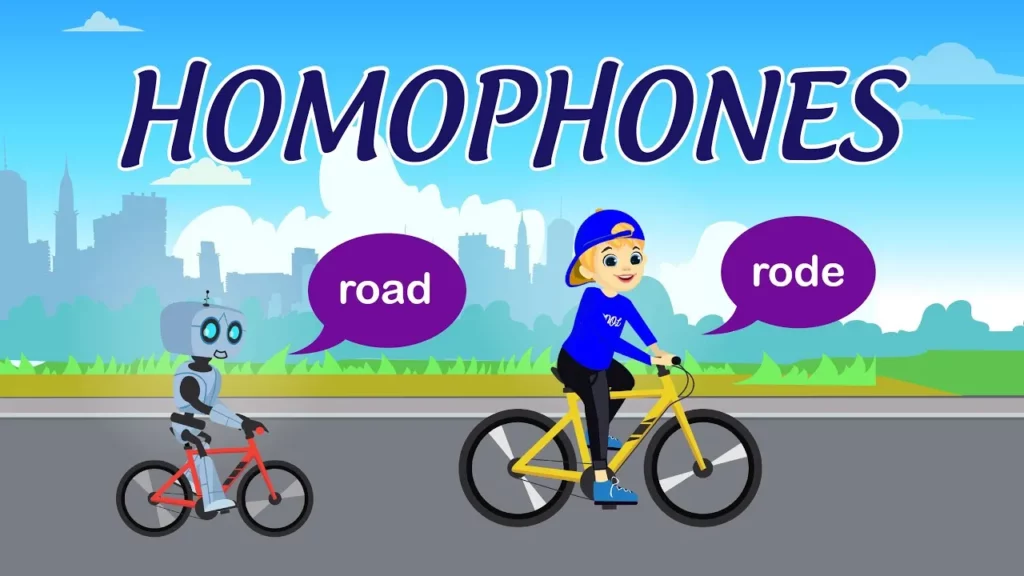
In this lesson, children are introduced to homophones through engaging stories featuring Luke and his dog, Rover. Homophones are words that sound the same but have different meanings and spellings, such as “son” and “sun” or “flour” and “flower.” The lesson includes various examples and encourages kids to practice identifying and writing homophones, making learning both fun and interactive.
What Are Collective Nouns? | Definition and Examples | Collective Nouns for Animals
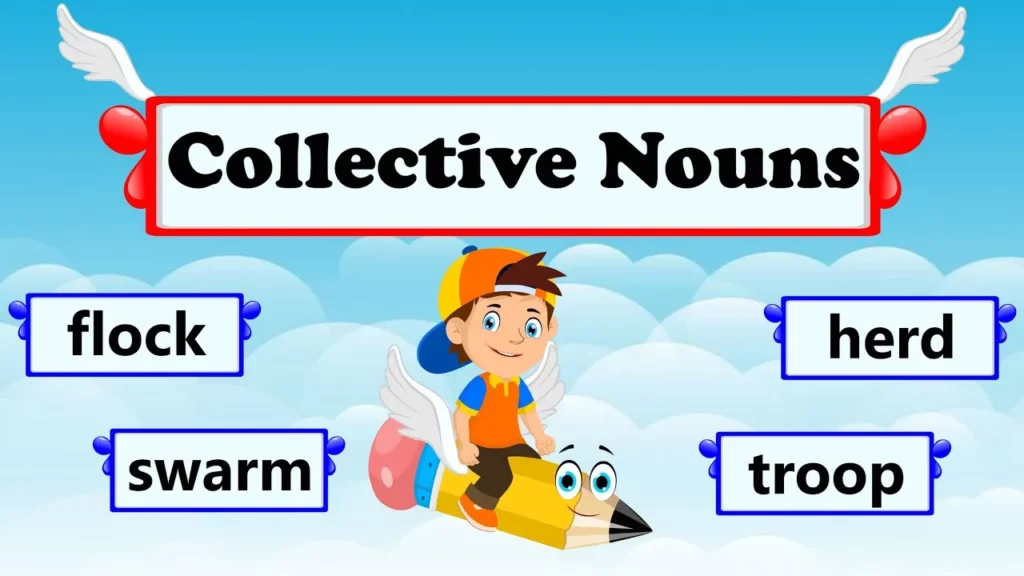
In this lesson, students learn about collective nouns, which are special words that describe groups of people, animals, or things, such as a “litter” of puppies or a “flock” of birds. Through engaging examples, like a “gaggle” of geese and a “pride” of lions, learners are introduced to various collective nouns and encouraged to practice their understanding with additional resources. The lesson emphasizes the fun and importance of collective nouns in language.
States of Matter Quiz | Is It a Solid, Liquid, or Gas?
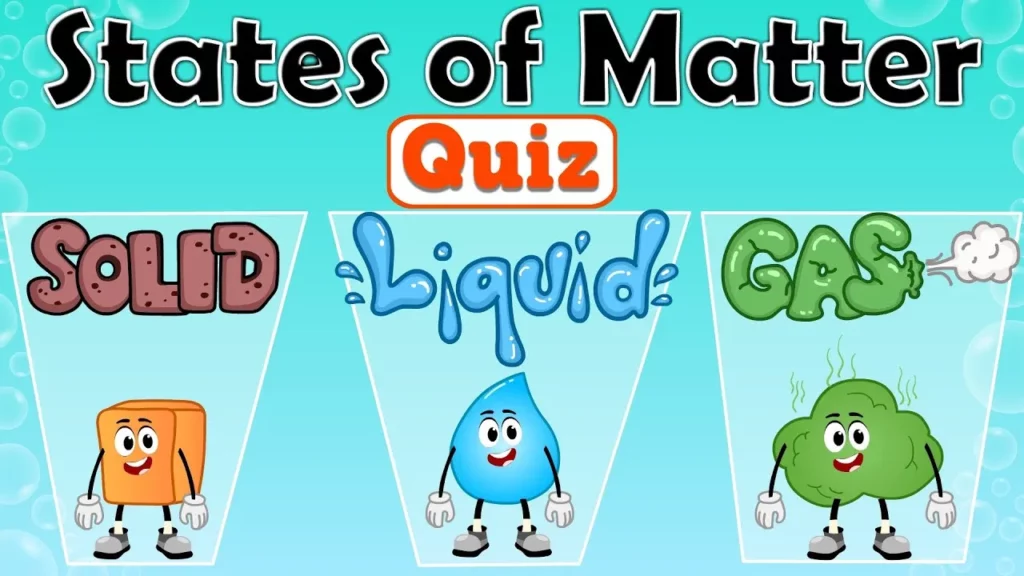
In this lesson, students explored the three states of matter: solid, liquid, and gas, through a fun quiz format. They learned to identify various substances, such as water, rubber ducks, and steam, categorizing them correctly based on their properties, such as shape and volume. The lesson emphasized the characteristics of each state, helping students understand how different materials behave in their respective forms.
Multiplication with Arrays | Multiplication Models | Multiplication Video for Kids
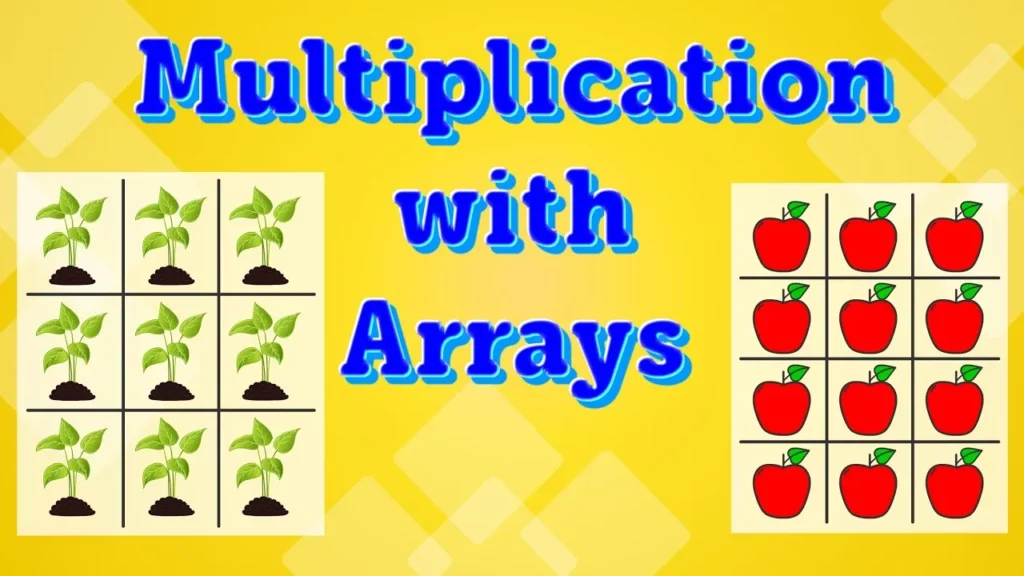
In today’s lesson, we explored multiplication using arrays, which are organized arrangements of objects in rows and columns. By using examples like donuts, apples, and saplings, we learned how to represent multiplication problems visually and discovered the commutative property, showing that the order of multiplication does not affect the result. Students are encouraged to find and create arrays in their surroundings to practice and enhance their multiplication skills.
Layers of the Earth Quiz with Interesting Facts
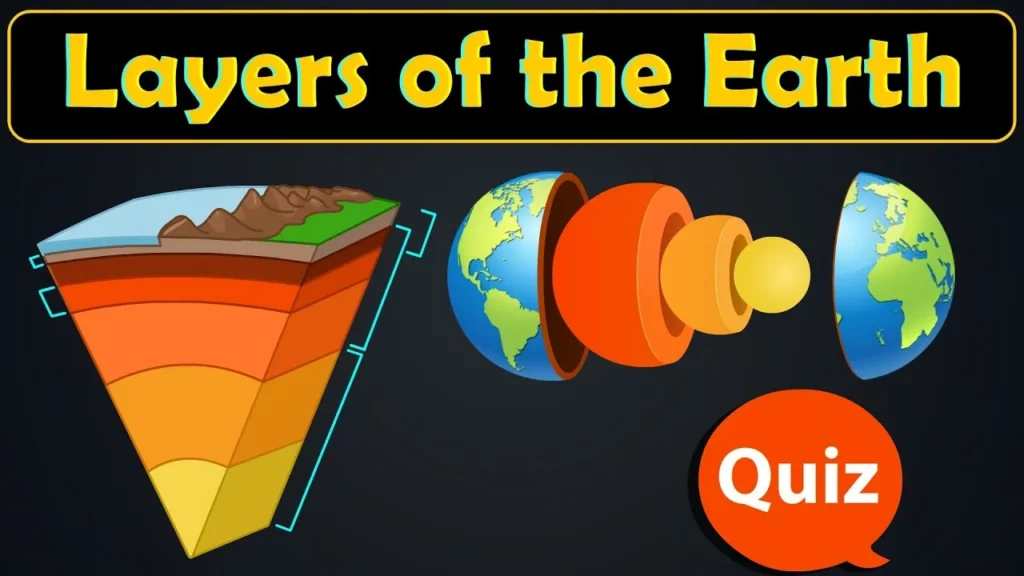
In this lesson, students explored the different layers of the Earth through an engaging quiz format. They learned about the characteristics and composition of each layer, including the crust, mantle, outer core, and inner core, while also discovering interesting facts such as the extreme temperatures and the role of the outer core in generating Earth’s magnetic field. The lesson concluded with an encouragement to further test their knowledge and engage with additional learning resources.
Guess the Countries by Their Flags | World Flags Quiz
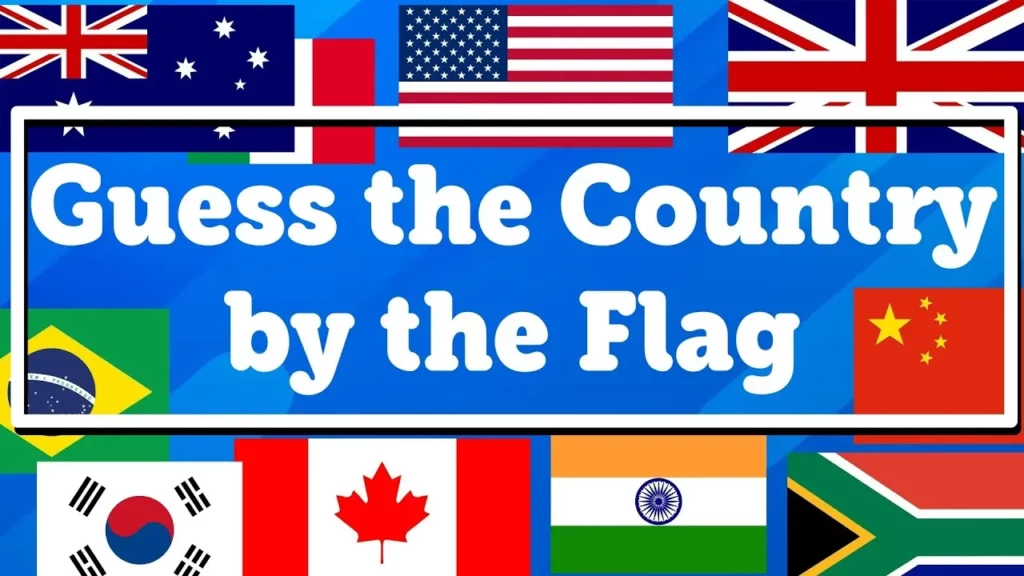
In this lesson, students embark on an engaging journey to identify various countries based on their flags. Through a series of multiple-choice questions, learners are challenged to recognize flags featuring distinct symbols and colors, enhancing their knowledge of global geography and cultural representation. The lesson concludes with encouragement to continue exploring and learning about the world’s flags.