
The Phases of the Moon | Lunar Phases | Astronomy for Kids
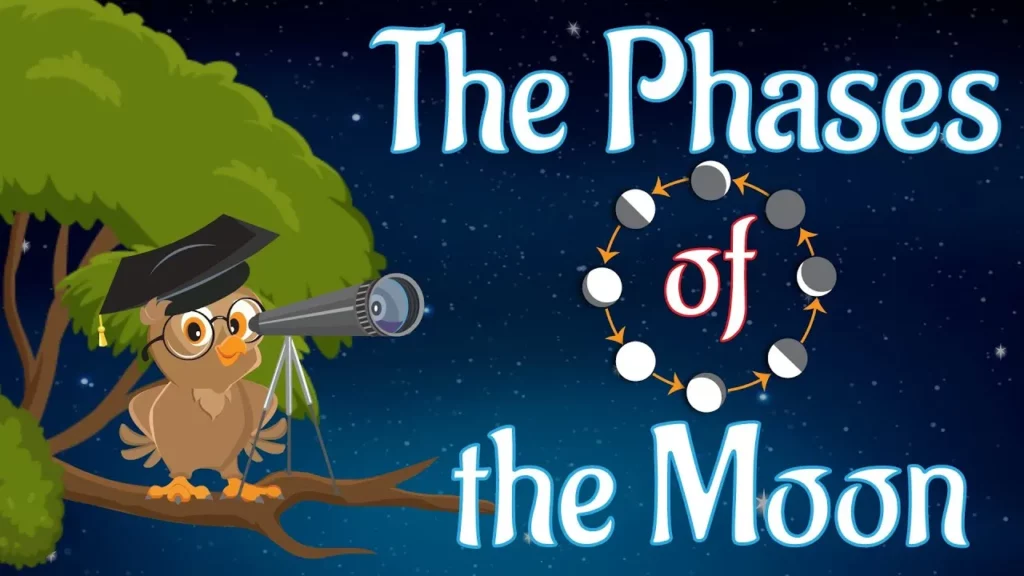
In this lesson, young learners explore the fascinating phases of the moon, which are the different shapes we observe in the night sky. The moon goes through eight distinct phases—New Moon, Waxing Crescent, First Quarter, Waxing Gibbous, Full Moon, Waning Gibbous, Third Quarter, and Waning Crescent—over a lunar cycle of approximately 29.5 days, driven by sunlight reflecting off its surface. Students are encouraged to observe the moon and track its changes, enhancing their appreciation for this celestial body.
Rounding Numbers to the Nearest 10, 100, and 1000 | Round up and Round down
In this lesson, students learn how to round numbers to the nearest ten, hundred, and thousand, making calculations simpler and quicker. By using a number line and following specific rounding rules, they can easily estimate totals and improve their math skills. Practice is encouraged to enhance their rounding abilities for both academic and everyday applications.
Articles A and An | Indefinite Articles for Kids
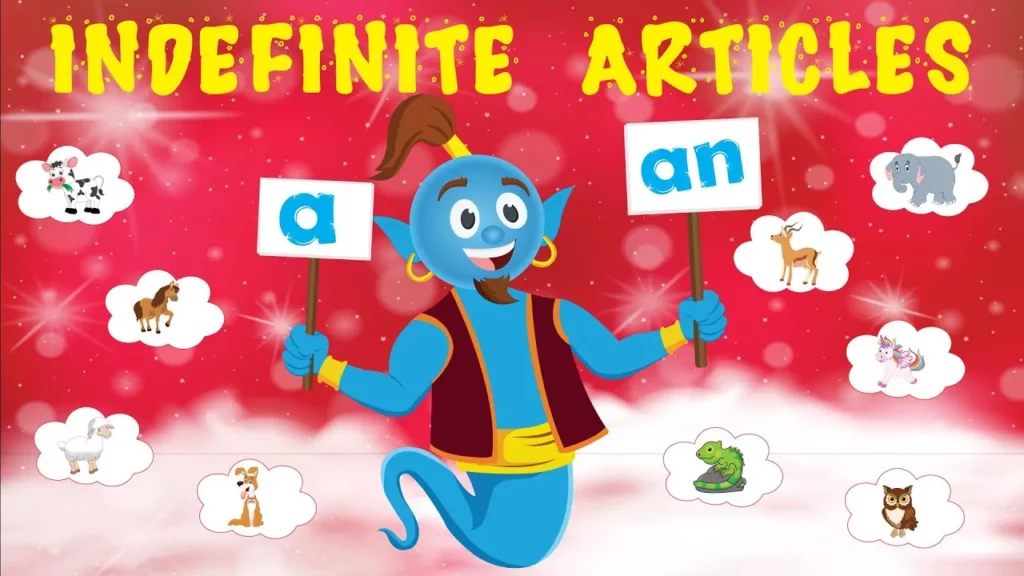
In this lesson, kids learn about the indefinite articles “a” and “an,” which are used to refer to singular countable nouns in a general way. Through Ruth’s magical adventure with a genie, students discover that “a” is used before consonant sounds, while “an” is used before vowel sounds, with special cases for silent letters. The lesson encourages practice with these articles to reinforce understanding.
Slope of a Straight Line | Learn to Find the Slope with Illustrations
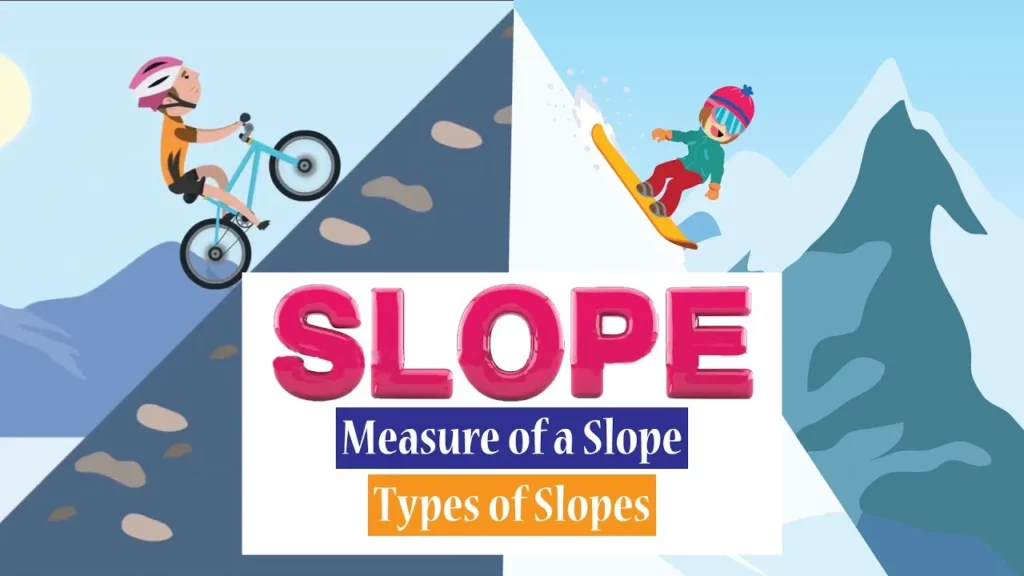
This lesson introduces the concept of slope in mathematics, explaining its significance in determining the steepness of a line on a graph. It covers how to calculate slope using the rise over run method, illustrates different types of slopes (positive, negative, zero, and undefined), and provides real-life examples to enhance understanding. Through practical exercises, learners are encouraged to apply their knowledge of slopes in various contexts.
World’s Strangest Predators and Their Bizarre Hunting Techniques | Animal Facts
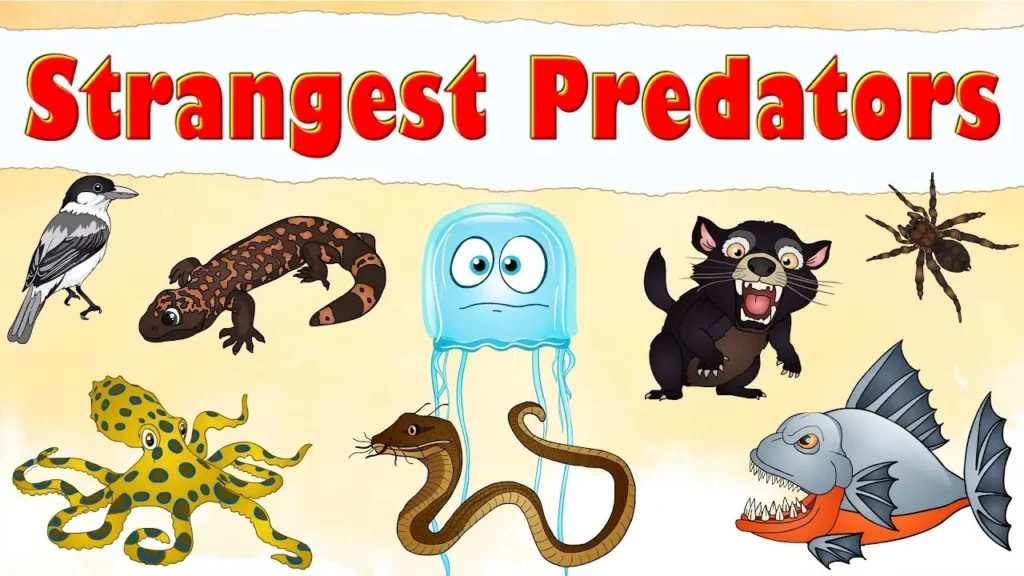
This lesson explores some of the world’s most unusual predators and their unique hunting techniques, highlighting their fascinating adaptations for capturing prey. From the drumming red-bellied piranha to the stealthy assassin bug, each predator showcases bizarre methods that contribute to their survival, with strangeness scores reflecting their extraordinary traits. The lesson encourages curiosity and further exploration of the diverse and remarkable creatures inhabiting our planet.
Guess the Countries and Their Capitals Quiz
In this lesson, participants engage in a quiz designed to test their knowledge of countries and their capitals, featuring questions about various nations such as France, Japan, and the United States. Each question provides multiple-choice answers, with the correct capital revealed after each query, encouraging learning in a fun and interactive way. The lesson concludes with a bonus question about Australia’s capital, Canberra, emphasizing the importance of exploring and expanding geographical knowledge.
Guess the Country by the Landmark Quiz | Guess the Monuments Challenge
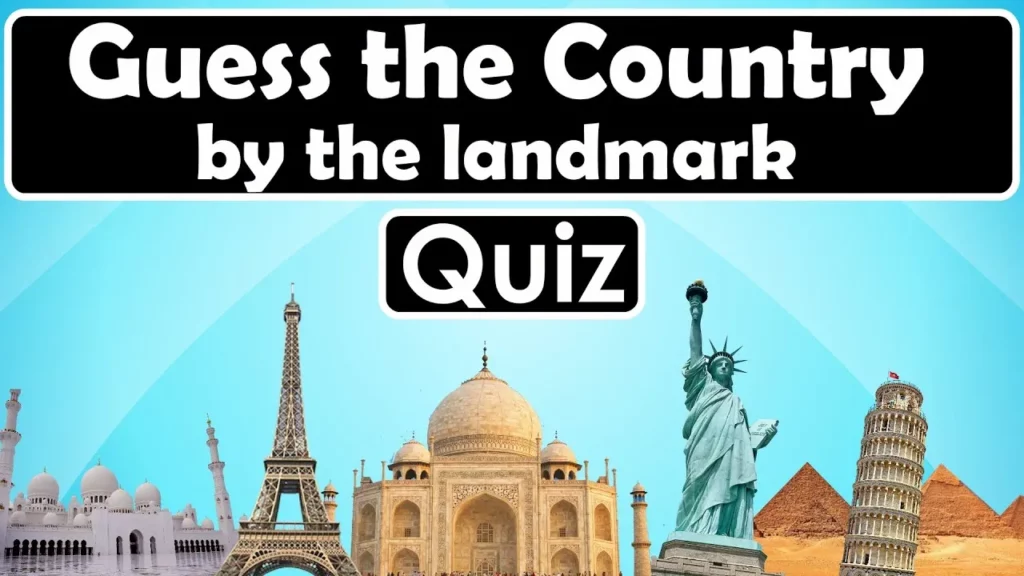
In this lesson, participants engage in a fun quiz to identify countries based on their famous landmarks, enhancing their geographical knowledge. Each landmark is presented with multiple-choice options, allowing learners to guess the correct location while discovering interesting facts about each site. The lesson encourages curiosity and exploration of global culture and history.
Guess the Country on the Map Quiz | Can You Identify the Country on the Map?
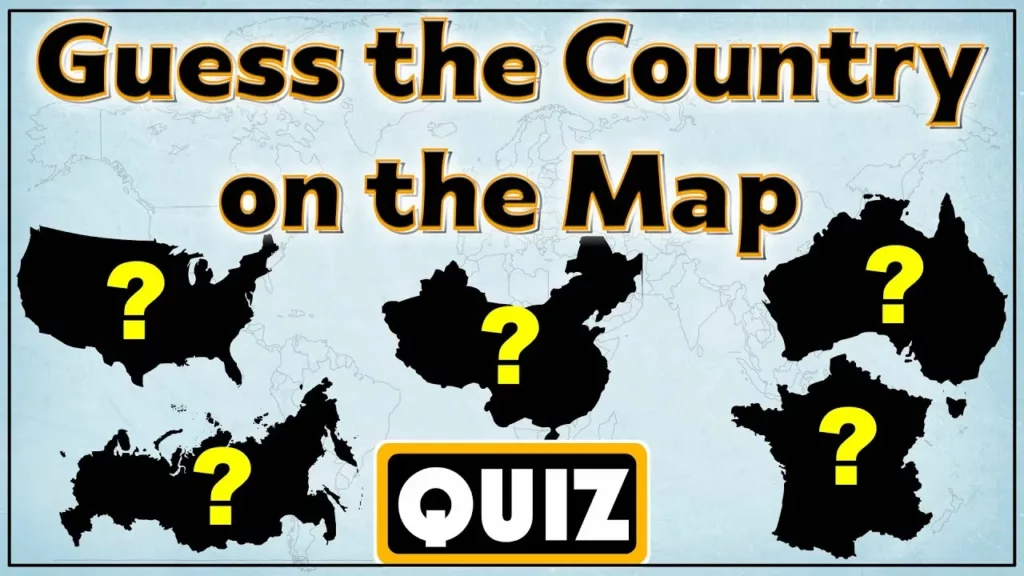
In the “Guess the Country on the Map Quiz,” participants embark on a fun geography challenge by identifying countries based on iconic landmarks and cultural references. The quiz features various countries, such as Australia, South Africa, and Italy, prompting players to guess the correct answers while reinforcing their knowledge of global geography. Overall, it’s an engaging way to learn about different nations and their unique characteristics.
Prefix for Kids | What Are Prefixes? | Prefixes Un-, Re-, Dis-, Mis-, Im-, Pre-, In-
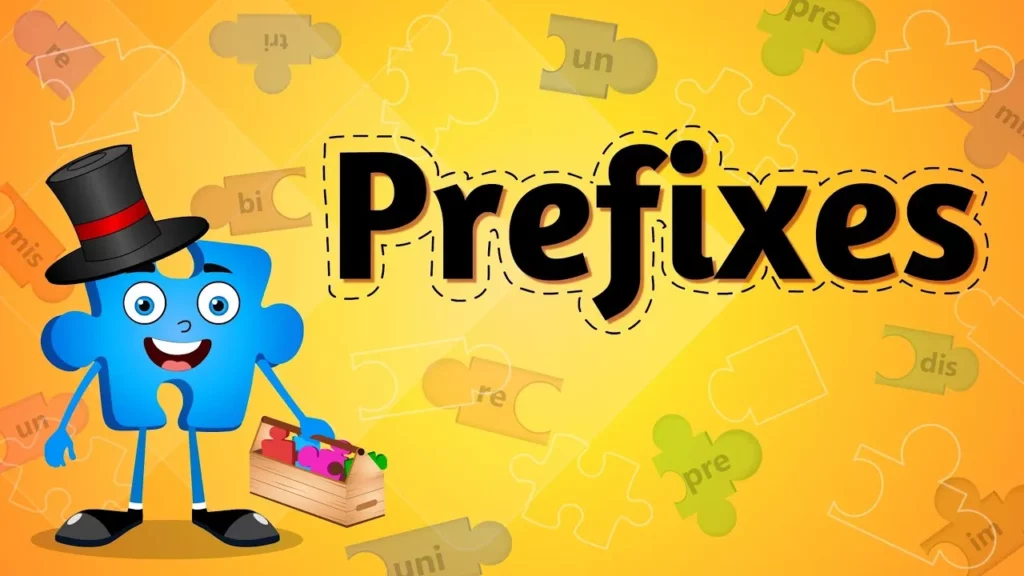
In this lesson, McDuff introduces the concept of prefixes, which are small word parts added to the beginning of words to alter their meanings. He explores several common prefixes, including “un-” (not), “re-” (again), “mis-” (badly), “dis-” (not/removal), “im-” (not), “pre-” (before), and “in-” (not), providing examples for each to illustrate how they transform base words into new meanings. The lesson emphasizes the fun and creativity involved in using prefixes to expand vocabulary.
Interesting Animal Facts: We Bet You Didn’t Know! | Animal Facts for Kids
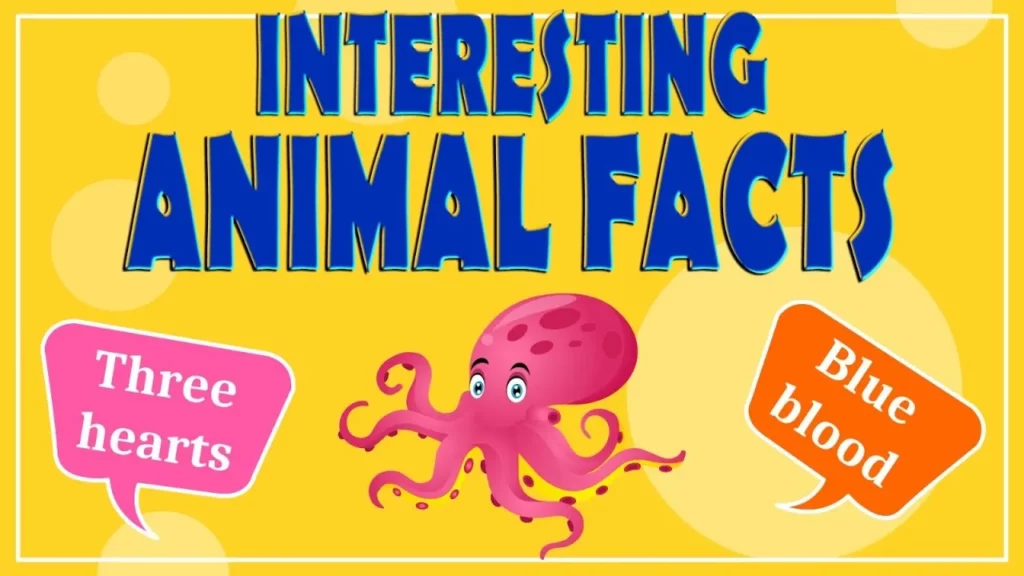
This lesson introduces a variety of fascinating and lesser-known facts about animals, highlighting their unique characteristics and behaviors. From octopuses with three hearts to seahorses that take on parenting roles, each fact showcases the incredible diversity of the animal kingdom. The lesson encourages curiosity and further exploration of the remarkable creatures that inhabit our world.