
Singular and Plural Nouns | Learn the Rules to Make Plurals
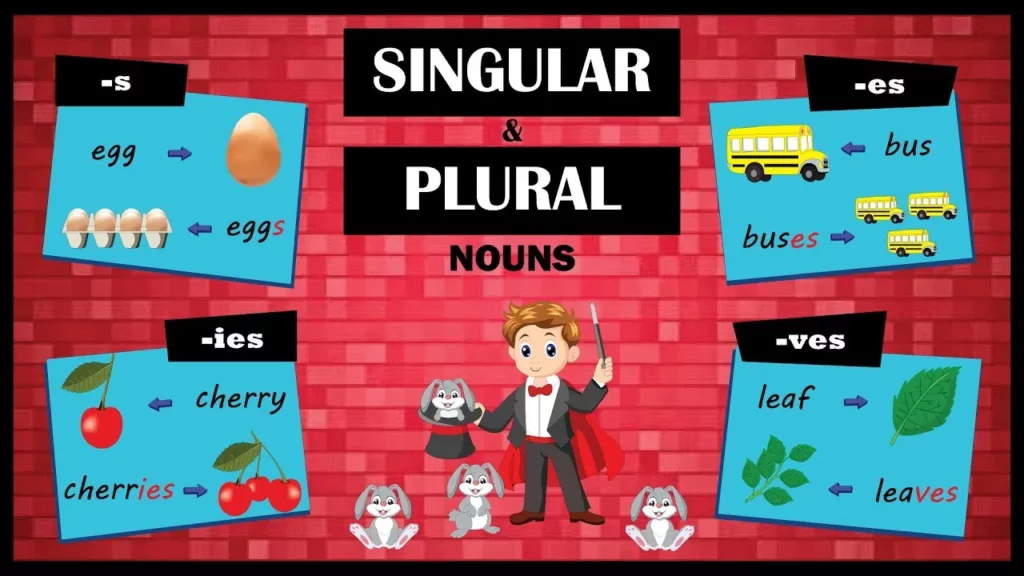
In this lesson, students learn how to form plural nouns through various rules presented by Aaron the Magician. Key rules include adding -s for most nouns, using -es for words ending in ch, sh, s, x, or z, changing -y to -ies when preceded by a consonant, transforming -f or -fe to -ves, and applying different rules for words ending in -o based on the preceding letter. The lesson encourages practice and engagement with the material through fun exercises.
Bar Graphs for Kids (Grade 1 and Grade 2) – Learn How to Read and Interpret Bar Graphs.
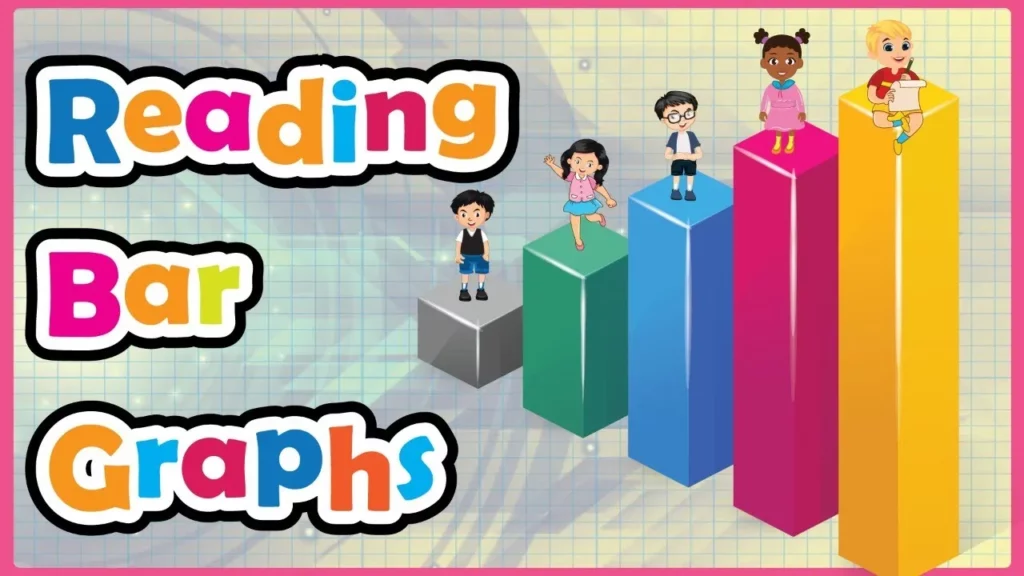
In this lesson, students learn about bar graphs through the story of Miss Jenkins, who uses them to determine her class’s favorite field trip destination and preferred aquatic animals to see at the aquarium. By analyzing the heights of the bars, students discover how to interpret data visually, concluding that the aquarium and dolphins are the most popular choices among the students. The lesson encourages kids to create their own bar graphs and engage with the concept further.
Guess the Extinct Animals Quiz | Prehistoric Animals Quiz for Kids
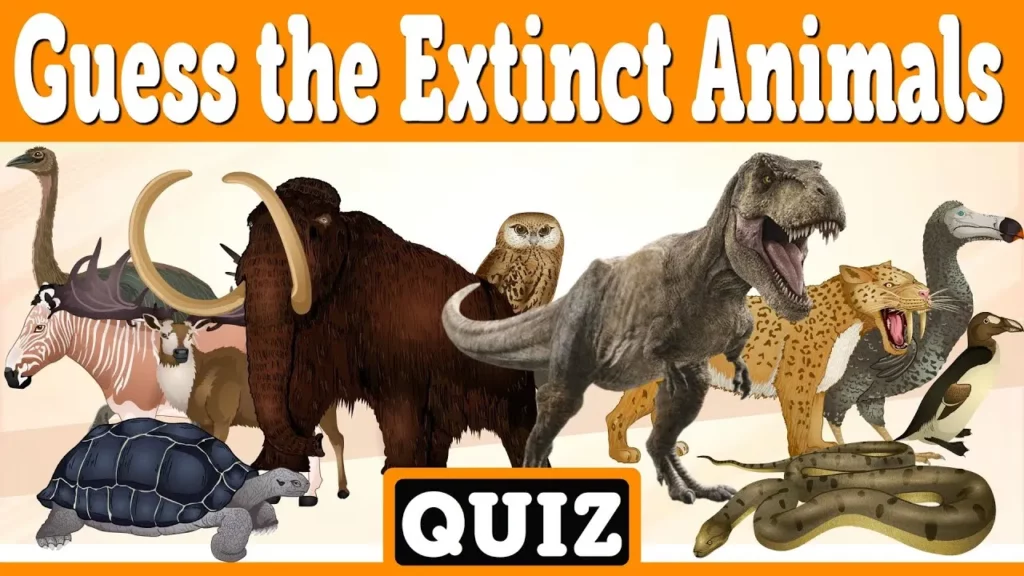
In this lesson, students embark on an engaging quiz that explores various extinct animals, encouraging them to guess the names of these fascinating creatures based on descriptive clues. The quiz features a range of animals, including the elephant bird, Megalodon, and woolly mammoth, providing an educational journey through prehistoric times while enhancing knowledge about biodiversity and extinction.
Ordinal Numbers | On Your Mark, Get Set, Go!
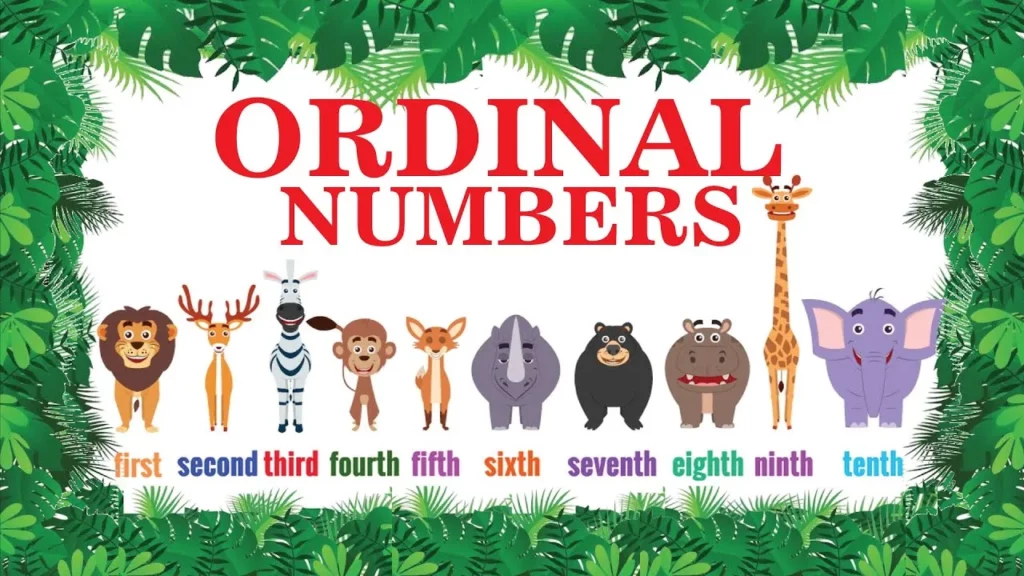
In this lesson, students learn about ordinal numbers through the engaging scenario of a jungle race featuring various animals. They discover the difference between cardinal numbers, which count quantity, and ordinal numbers, which indicate position, such as first, second, and third. The lesson concludes with a guide on how to write ordinal numbers, reinforcing the concept in a fun and interactive way.
Living and Nonliving Things for Kids | Difference between Living and Nonliving Things
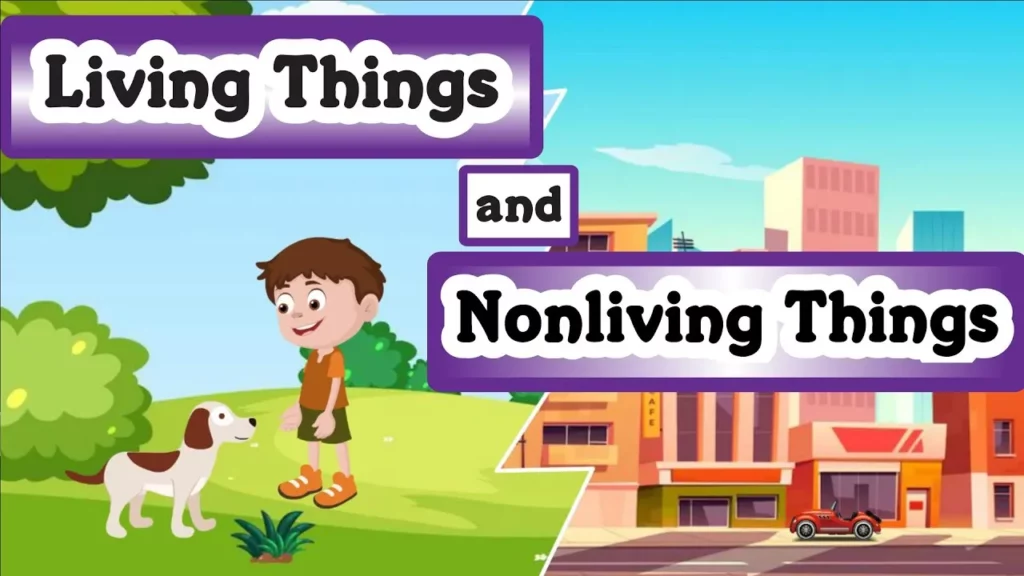
In this lesson, we explored the differences between living and nonliving things. Living things can move, grow, need food, breathe, feel emotions, and reproduce, while nonliving things do not possess any of these characteristics. Understanding these distinctions helps us appreciate the diverse world around us.
Right Angles | Simulate a Real-World Experience
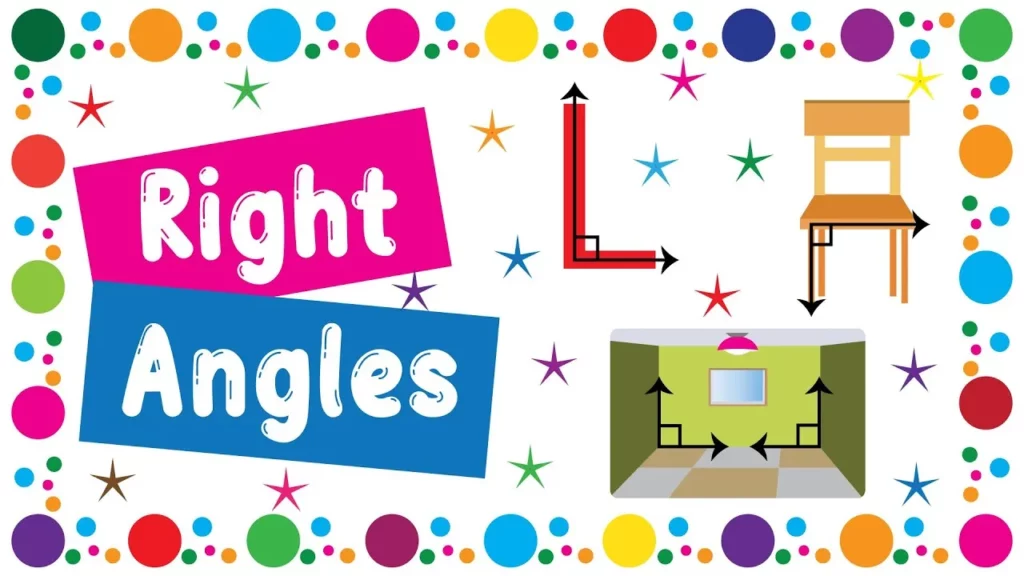
In this lesson, students learn about right angles, defined as angles that measure 90 degrees and can be observed in everyday life, such as in the corners of rooms, books, and the letter “L.” The lesson emphasizes how to identify right angles, often represented by a small square in the corner, and encourages exploration of their presence in various environments. Students are also directed to additional resources for further practice and discovery.
Subtraction on a Number Line | Let’s Go Hippity-Hoppity!
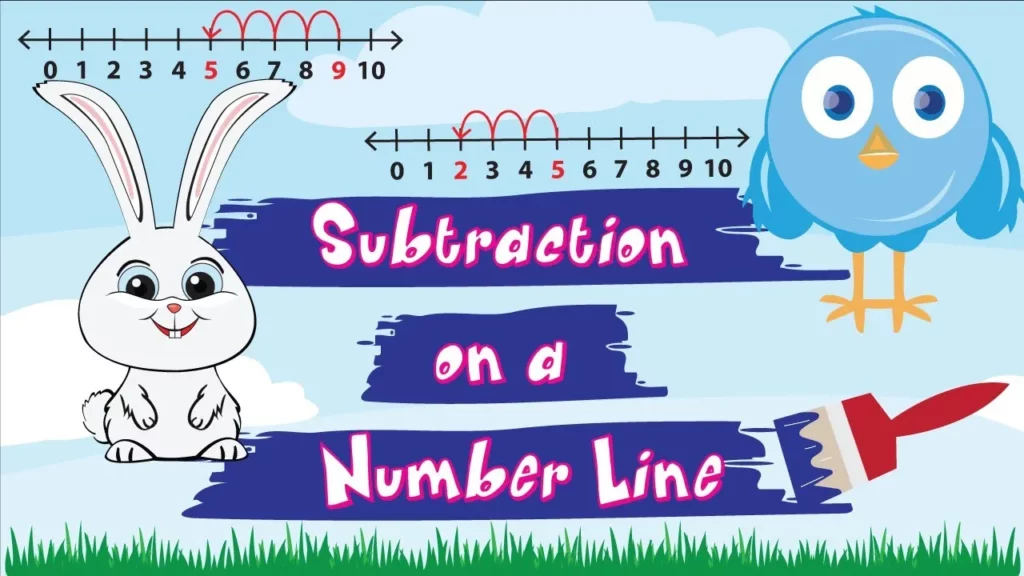
In this lesson, students learn subtraction using a number line with the help of characters Skittles the birdie and Mr. Snowball. By visually hopping backward on the number line, they practice solving subtraction problems, such as 5 minus 3 and 9 minus 4, reinforcing the concept of finding the difference between numbers. The lesson encourages students to continue practicing subtraction independently while making the learning process enjoyable.
Telling Time to the Hour | Learn to Tell Time on an Analog Clock | Telling Time for Kids
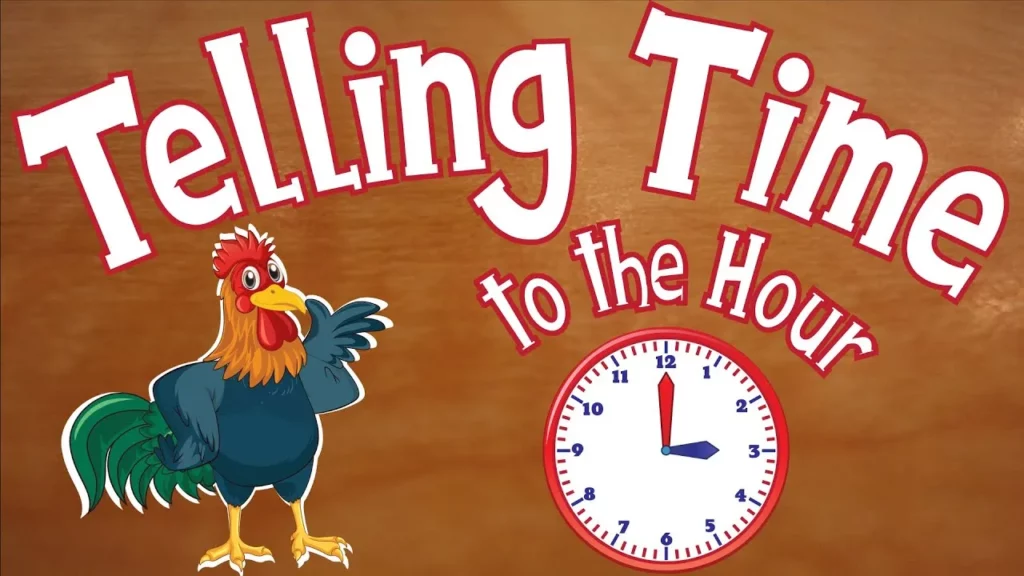
In this lesson, Doodle the Rooster introduces students to telling time on an analog clock, highlighting the differences between analog and digital clocks. Students learn that the short hand indicates the hour and the long hand indicates minutes, and they practice reading the time when the minute hand points to 12, reinforcing their understanding of telling time to the hour.
How to Actually Save the Rainforest
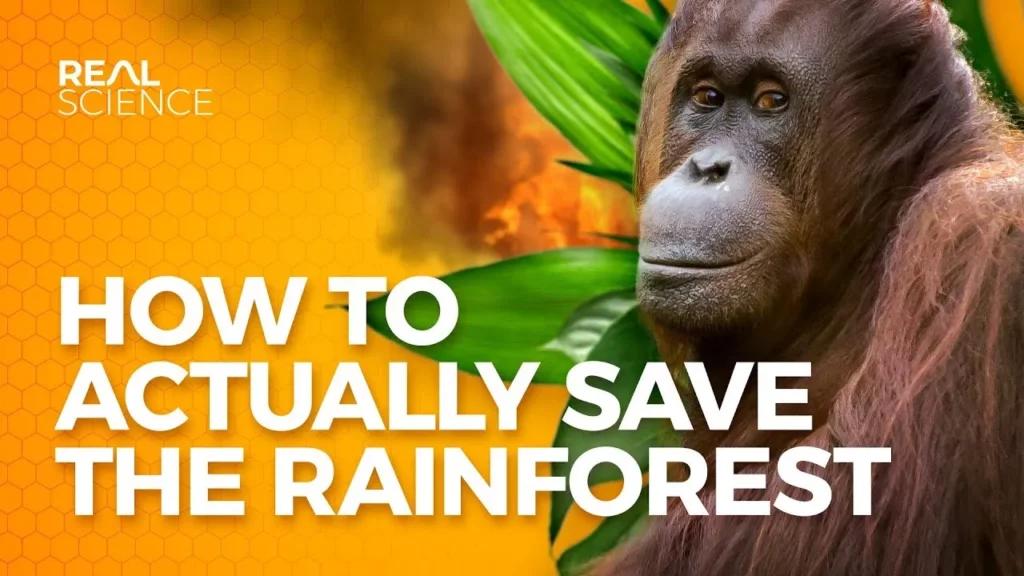
The lesson emphasizes the urgent need to address the global deforestation crisis, particularly in the Brazilian Amazon and Southeast Asia, where rampant fires and land clearing for agriculture threaten vital ecosystems. Despite international efforts and initiatives like the SAFE project in Borneo, which studies the impact of altered forests on biodiversity, complex challenges remain, including economic dependencies on palm oil and illegal logging. Collaborative approaches involving industry, ecology, and policy are essential for effective conservation, and engaging with educational resources can empower individuals to contribute to these efforts.
The new tool in the battle against cane toads
The lesson discusses the innovative use of conditioned taste aversion as a strategy to manage the invasive cane toad population. This psychological phenomenon enables predators to learn to avoid the toxic toads by associating their taste with unpleasant experiences, ultimately promoting ecological balance and protecting native species. By applying this method in wildlife management, researchers aim to reduce conflicts between humans and wildlife while safeguarding ecosystems.