
How do narwhals dive all the way to the ocean midnight zone?
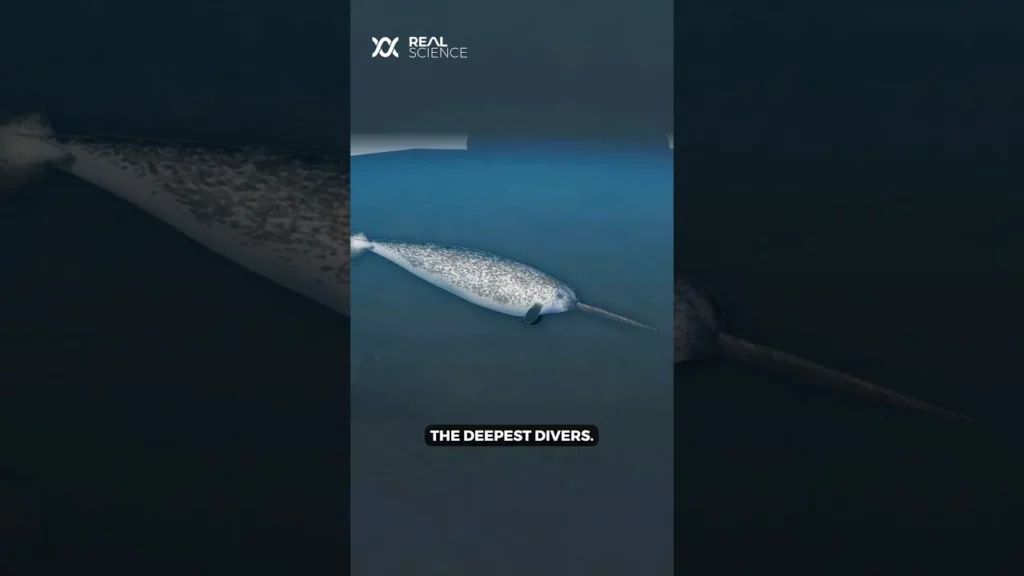
The lesson explores the remarkable diving abilities and adaptations of narwhals, which can dive up to 1,800 meters in search of food, particularly during winter. Key features that enable these deep dives include thick blubber for warmth, collapsible ribs to withstand pressure, and the capacity to store large amounts of oxygen. Additionally, narwhals utilize echolocation for hunting and suction feeding to consume their prey, showcasing their unique skills in the Arctic environment.
The Deep Ocean Noises We Still Can’t Identify
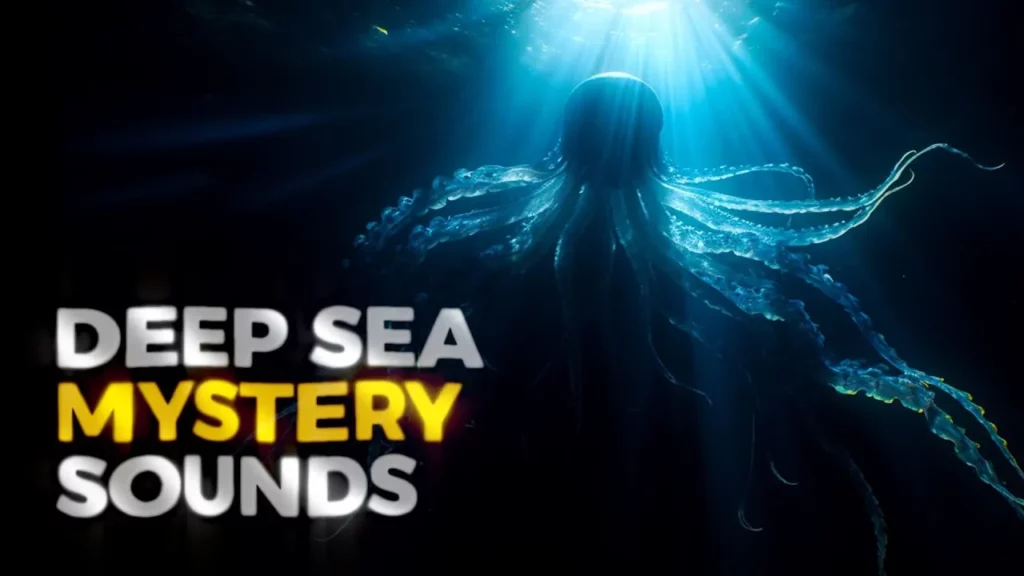
The lesson explores the mysterious sounds of the deep ocean, which have intrigued scientists since the Cold War when military sonar devices were repurposed for research. Despite advancements in technology and the discovery of various underwater noises, such as “upsweep” and “the bloop,” many sounds remain unidentified, highlighting the ocean’s complexity and the importance of sound for marine life. The ongoing research aims to deepen our understanding of these phenomena and their implications for ocean health amidst increasing human-made noise.
How Gene Editing Is Curing Disease
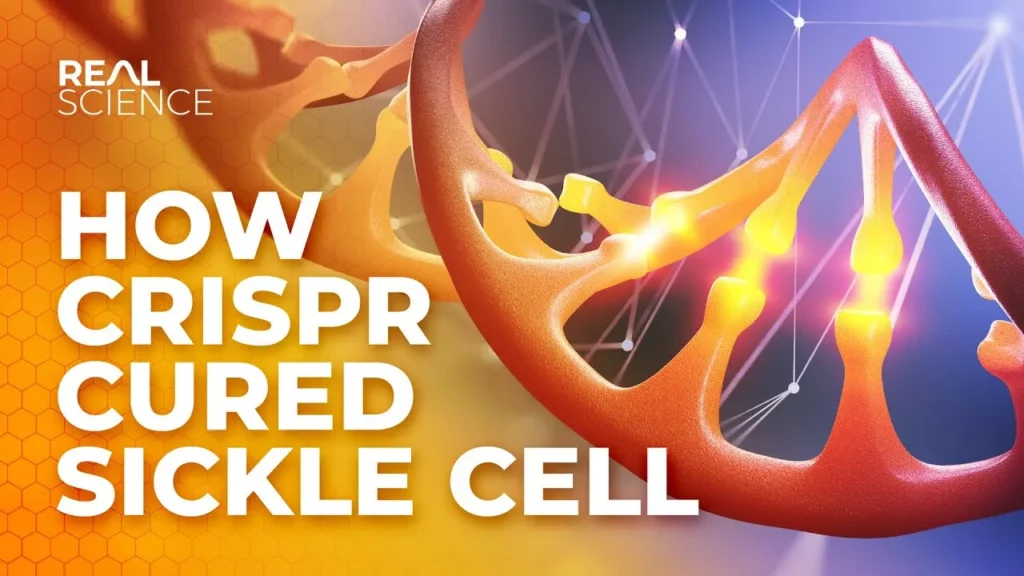
The lesson explores the groundbreaking potential of gene editing, specifically CRISPR technology, in treating sickle cell disease, a genetic disorder that severely impacts patients’ lives. It highlights the case of Victoria Gray, who underwent a novel treatment that increased fetal hemoglobin production, significantly alleviating her symptoms and improving her quality of life. While gene therapy shows promise for various genetic conditions, challenges such as cost, complexity, and potential side effects remain, prompting ongoing research into its broader applications.
What Causes the Worst Cyclones (It’s Not Just Heat)

The lesson discusses the factors contributing to the increasing intensity of cyclones, highlighting the rapid intensification of Hurricane Lee in September 2023 as a notable example. It explains the formation and structure of tropical cyclones, their potential to evolve into mid-latitude storms, and the impact of climate change on their strength and duration. Additionally, it emphasizes the importance of improving storm predictions to better prepare for future weather events.
The Insane Biology of: The Spotted Hyena
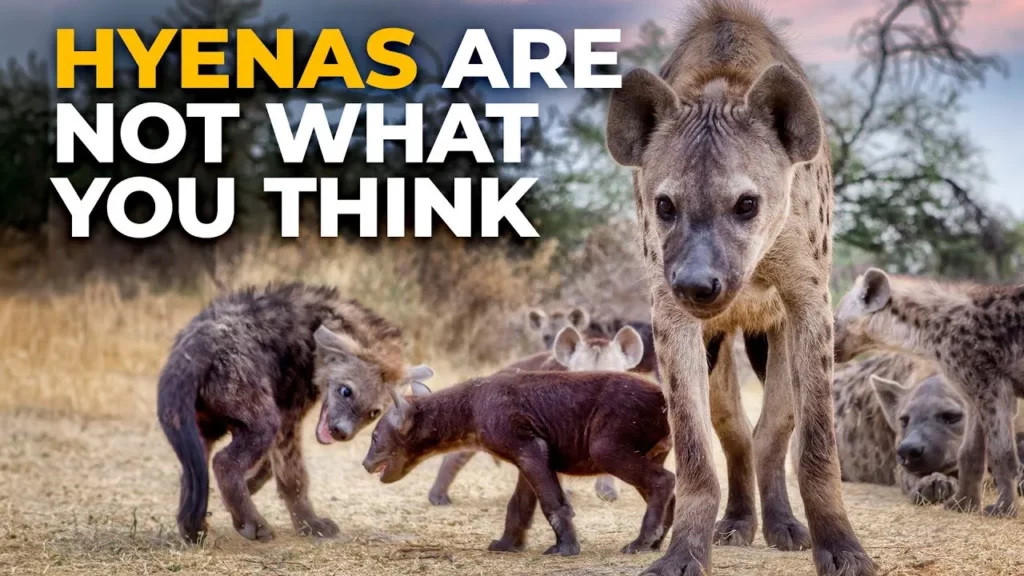
The lesson explores the fascinating biology and social structure of the spotted hyena, Africa’s most common large predator. Contrary to their negative portrayal in popular culture, these highly intelligent and adaptable animals exhibit complex social behaviors within their clans, where females dominate and cooperation is key to their hunting success. With powerful jaws and a unique ability to consume a wide range of food, hyenas are not only skilled hunters but also caring mothers, challenging the stereotype of them as mere scavengers.
The Truth About GMOs
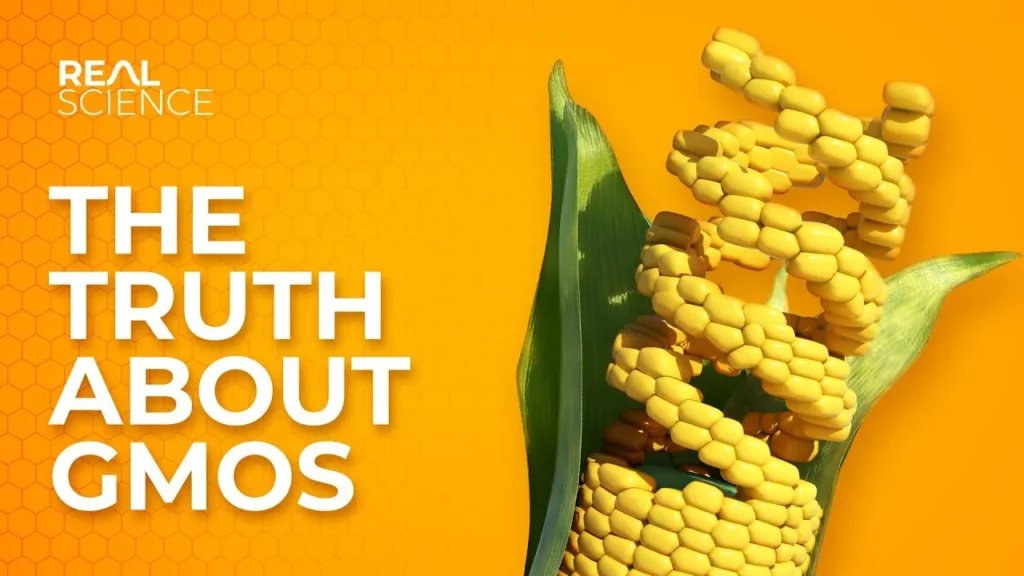
The lesson discusses the historical context and ongoing debate surrounding genetically modified organisms (GMOs), highlighting their potential benefits and challenges. It emphasizes the role of GMOs, such as the Innate Potato and Golden Rice, in addressing global issues like food security and malnutrition, while also acknowledging public concerns and misconceptions about their safety. Ultimately, the lesson advocates for informed discussions about GMOs to harness their potential for a sustainable future.
Surviving the World's Deepest Dives
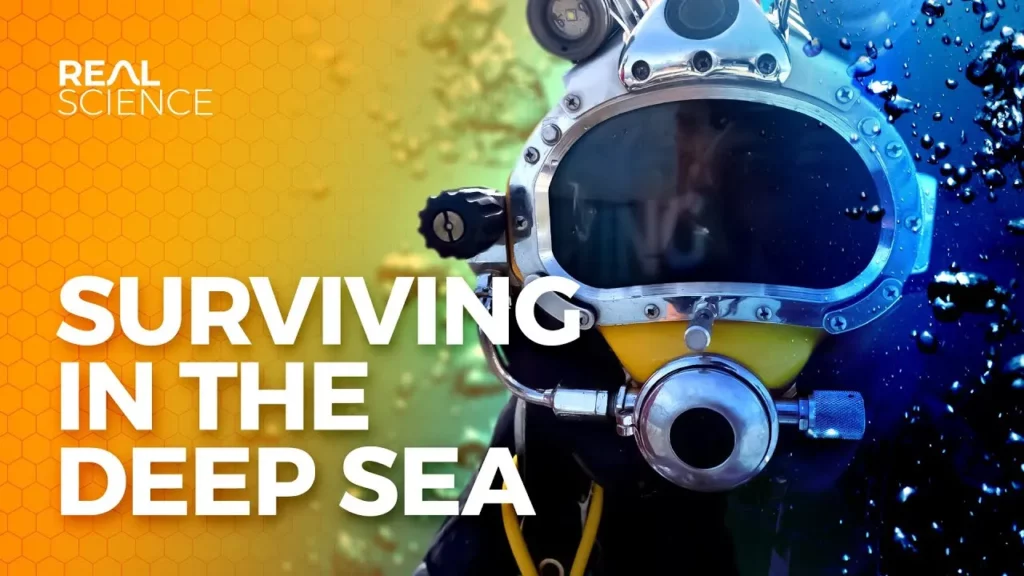
The lesson “Surviving the World’s Deepest Dives” explores the challenges and dangers of deep-sea diving, including the effects of pressure, temperature, and light on divers. It highlights critical issues such as decompression sickness and nitrogen narcosis, which can impair judgment and pose life-threatening risks. The lesson also discusses advancements in diving technology, particularly saturation diving, which allows for extended underwater missions while mitigating some of these dangers, and hints at future innovations like liquid breathing that could further enhance human capabilities in extreme environments.
The Insane Biology of: The Dune Sandworm
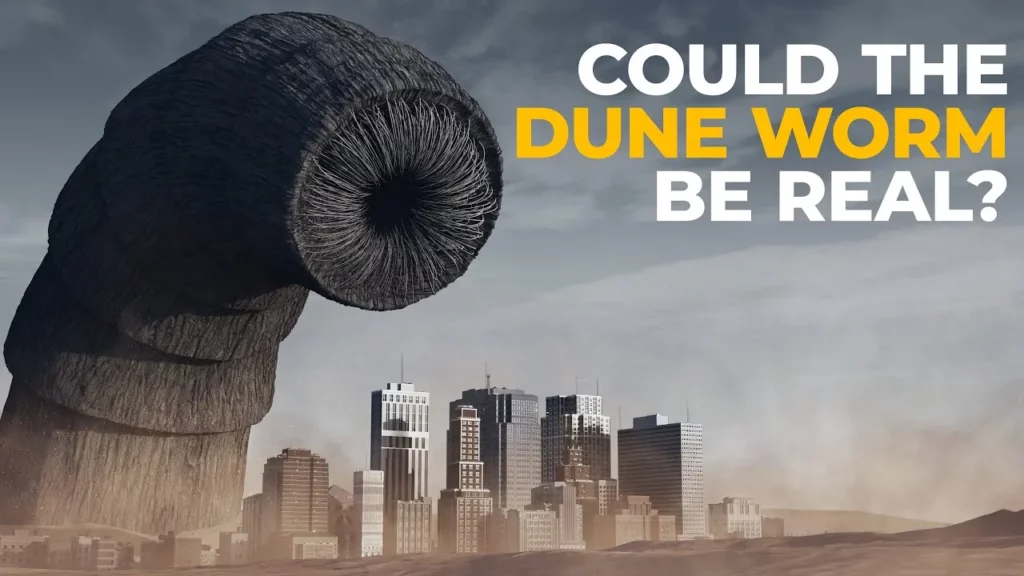
In Frank Herbert’s “Dune,” sandworms, or “Shai-Hulud,” are colossal creatures integral to the ecosystem of Arrakis and the series’ narrative. Their unique biology, including a life cycle that begins with sandtrout and their role in producing the valuable spice melange, highlights their ecological importance and cultural significance to the Fremen, who view them as symbols of power and spirituality. The intricate relationship between sandworms, the spice, and the planet’s environment underscores key themes of survival and the balance of nature within the “Dune” universe.
What do a chimp, a platypus, an anteater, and a pangolin have in common?
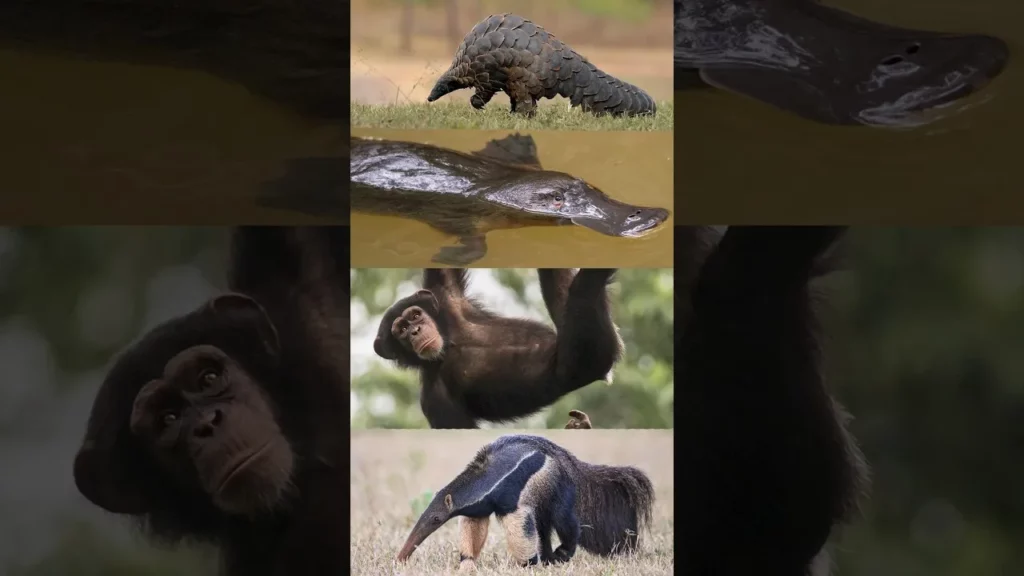
This lesson explores the unique movement style known as knuckle-walking, shared by chimpanzees, platypuses, anteaters, and pangolins. Each of these animals has adapted this method to accommodate their specialized front limbs—whether for digging, swimming, or climbing—allowing them to navigate their environments effectively while keeping their claws or fingers safe. Ultimately, knuckle-walking exemplifies the fascinating ways animals adapt to their specific needs and surroundings.
The Insane Evolution of: Hibernation
The lesson explores the fascinating phenomenon of hibernation, particularly in Madagascar’s unique wildlife, such as the fat-tailed dwarf lemurs, which hibernate in tree holes during the dry season. It highlights the evolutionary history of hibernation, tracing its origins back to ancient reptiles and discussing how modern mammals, like bears and ground squirrels, adapt their metabolic processes to survive harsh conditions. The lesson also touches on the potential implications of understanding hibernation for human applications, including space travel and medical advancements.