
Why its hard to do science on vampire bats

The lesson discusses the unique challenges of studying vampire bats, particularly their feeding behaviors and the concept of taste aversion, which they do not seem to exhibit like other bat species. As obligate blood feeders, vampire bats have evolved specific adaptations that may have led to the loss of the ability to associate tastes with negative experiences, complicating research efforts. Understanding these complexities requires innovative approaches that consider their evolutionary history and physiological traits to gain insights into their ecology and biology.
How Pigeons Always Find Their Way Home
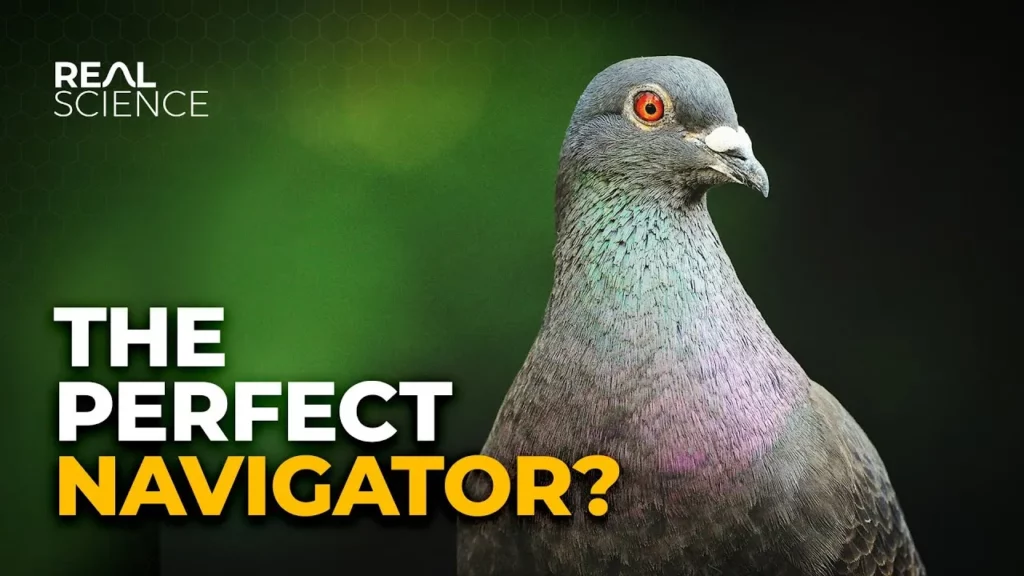
The lesson explores the remarkable role of pigeons in espionage during the Cold War, highlighting their exceptional navigational abilities that allowed them to deliver crucial intelligence. The CIA’s secret operation, Takana, involved attaching cameras to pigeons, which provided detailed images from the sky, often surpassing satellite capabilities. Throughout history, pigeons have proven invaluable in military communications, with their contributions recognized through awards like the Dickin Medal, underscoring their significance in wartime efforts.
How Dolphins Protect the U.S. Navy
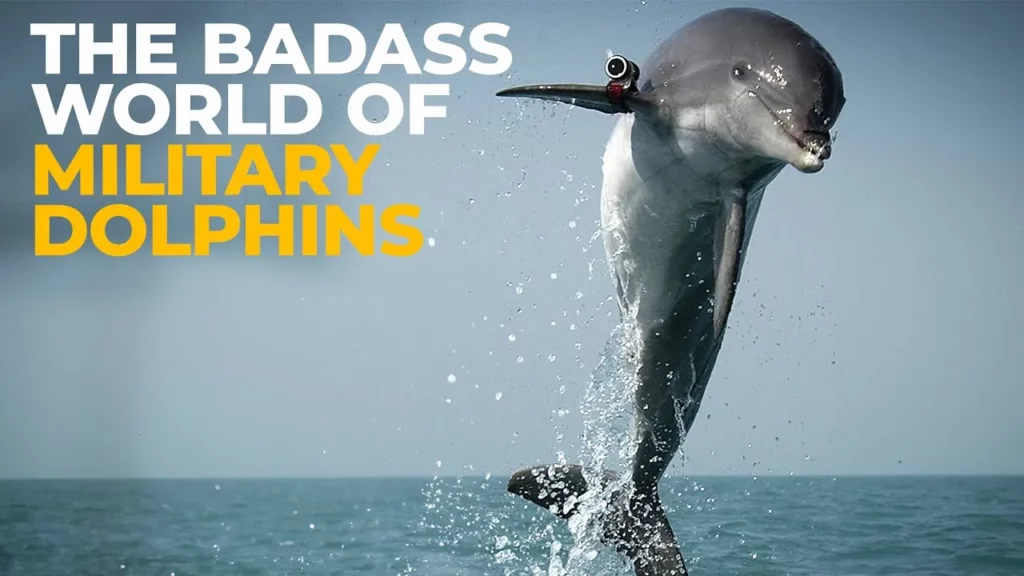
The lesson explores the unique role dolphins play in U.S. Navy operations, highlighting their intelligence and echolocation abilities, which make them effective in locating underwater mines and ensuring safe naval missions. It also touches on the historical context of using marine mammals in military roles, the ethical considerations surrounding their use, and the ongoing care provided to these animals. Overall, the lesson emphasizes the fascinating intersection of marine biology and military technology.
Why Is (Almost) All Bioluminescence in the Ocean?
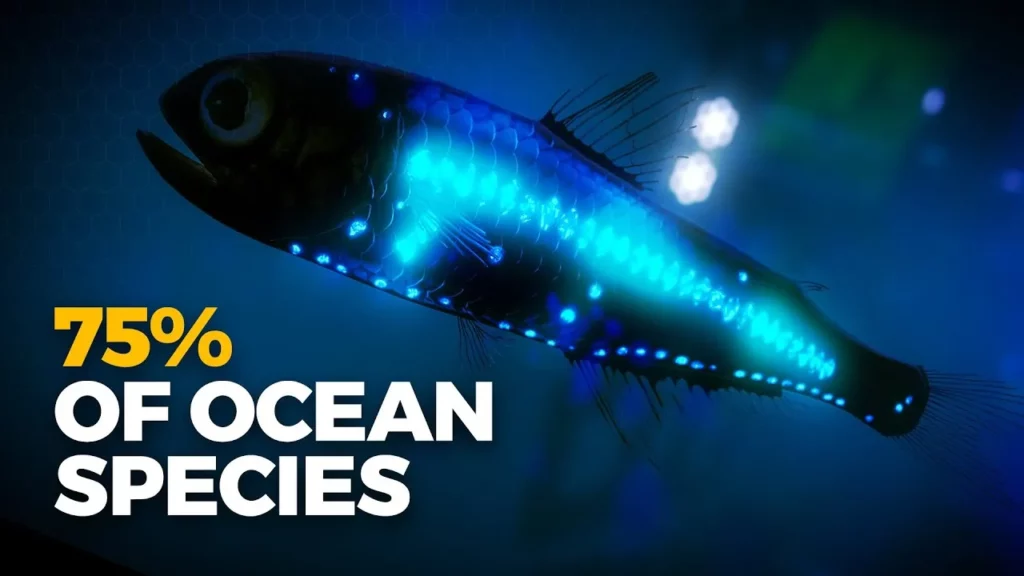
The lesson explores the prevalence of bioluminescence in the ocean, where over 75% of marine organisms can produce light, a trait that has evolved independently across various species due to the unique challenges of life in dark underwater environments. In contrast, bioluminescence is rare on land, primarily due to the toxicity of the necessary chemicals and the shorter evolutionary timeline for terrestrial life. This adaptation serves crucial functions in the ocean, such as predator evasion and prey attraction, highlighting the remarkable diversity of life on Earth and the potential for bioluminescence to be a key indicator in the search for extraterrestrial life.
The secret superpower of the praying mantis
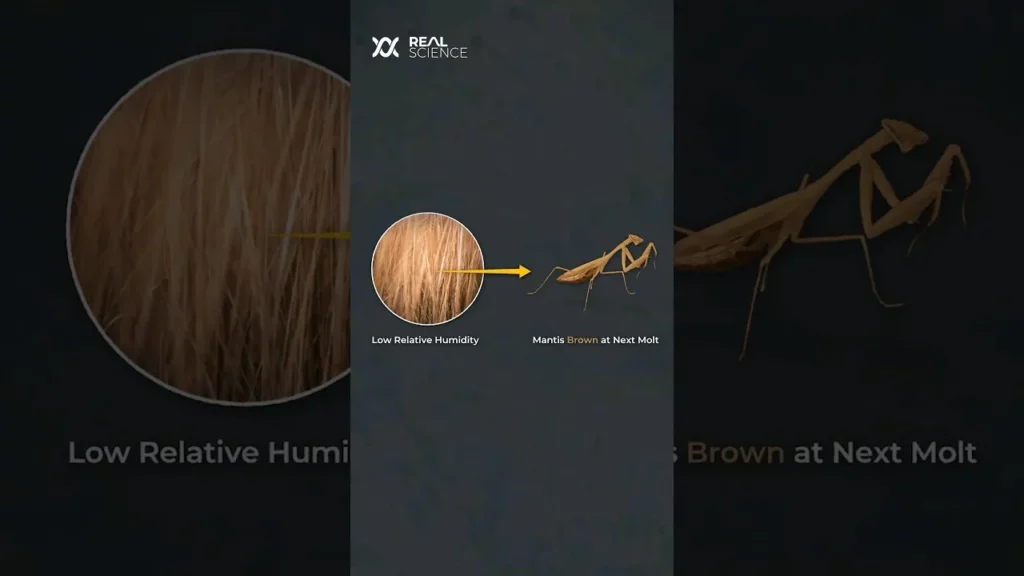
The lesson explores the remarkable color-changing abilities of the Egyptian praying mantis, which allows it to blend seamlessly into its savanna environment. Unlike rapid color changers like octopuses, mantises change color during molting, influenced by humidity levels, enabling them to camouflage effectively against predators and prey. Additionally, some species exhibit fire melanism, turning black at the end of the dry season, showcasing the mantis’s adaptability and survival skills in a changing habitat.
The World's Most Dangerous Blood Type

The lesson highlights the critical importance of blood donation, emphasizing that nearly 5 million people in the U.S. require transfusions each year, while also discussing the complexities of blood types. It focuses on the rarest blood type, Rh-null, which poses unique challenges for those affected, as they can only receive blood from a limited number of individuals. The lesson underscores the vital role of blood donation in healthcare and the ethical considerations surrounding the responsibilities of individuals with rare blood types.
What Happens to Wildlife After Nuclear Disaster
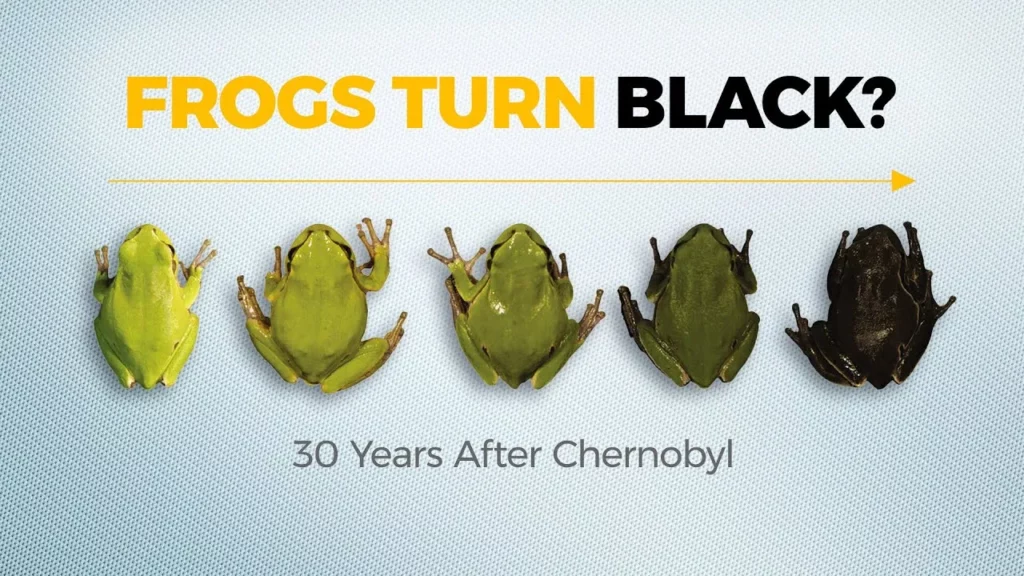
The lesson explores the profound effects of nuclear disasters on wildlife and ecosystems, highlighting both the immediate impacts of radiation exposure and the remarkable resilience of certain species. While many animals face acute health challenges, some adapt and thrive in the absence of humans, leading to unexpected ecological changes and potential evolutionary advancements. This resilience underscores the importance of minimizing human interference in natural habitats to foster biodiversity and informs conservation strategies for future environmental management.
The Insane Biology of: The Elephant Seal
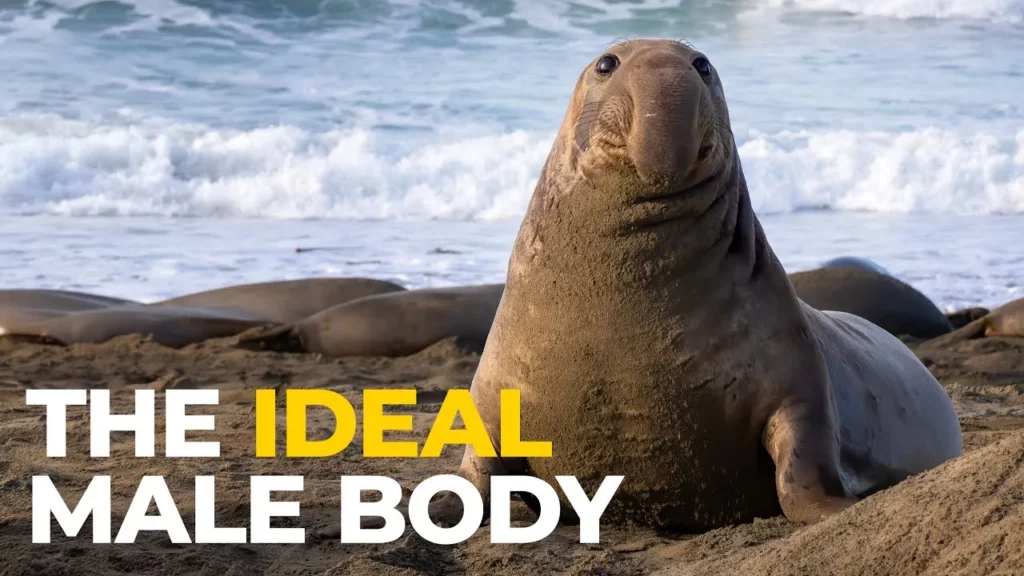
The lesson explores the remarkable biology and behavior of Southern elephant seals, highlighting their intense mating rituals, deep-diving capabilities, and the challenges young seals face in their early lives. It follows the story of Neil the seal, a rare pup who exemplifies the resilience of his species, as he navigates the dangers of the ocean and human environments. The lesson emphasizes the adaptations that allow these massive marine mammals to thrive, including their unique diving techniques and the demanding molting process they undergo after breeding.
Florida's Plan to Release GM Mosquitoes
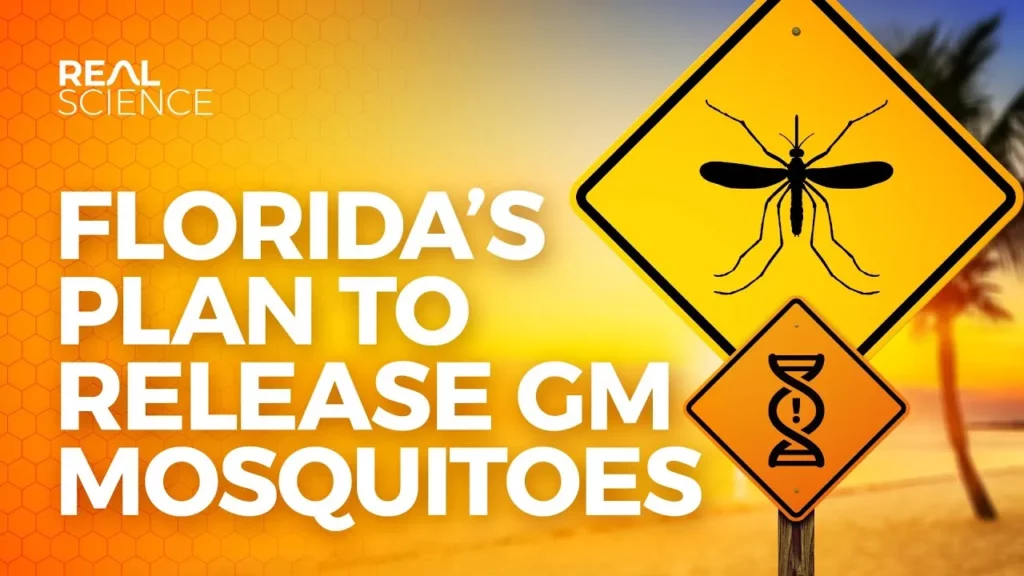
Florida’s plan to release genetically modified (GM) mosquitoes aims to combat the rising threat of mosquito-borne diseases, such as dengue fever and malaria, which claim over a million lives annually. Developed by Oxitec, these GM Aedes aegypti mosquitoes carry a self-limiting gene that prevents their offspring from reaching adulthood, potentially reducing mosquito populations significantly without the use of insecticides. Despite promising results from previous trials and the potential benefits, concerns about safety, environmental impact, and public opposition highlight the ongoing debate surrounding this innovative approach to disease control.
Why British People Can't Donate Blood in America

The lesson explains the historical context and health implications of mad cow disease (BSE) and its human counterpart, variant Creutzfeldt-Jakob disease (vCJD), which has led to blood donation bans for individuals who spent significant time in the UK during the 1980s and 1990s. Despite the low number of reported vCJD cases, the difficulty in diagnosing the disease has maintained these restrictions, although advancements in detection methods may eventually lead to their reevaluation. The lesson also emphasizes the importance of improving animal welfare to prevent such diseases and highlights ongoing efforts to address blood shortages exacerbated by the COVID-19 pandemic.