
The Truth About Lab-Grown Meat
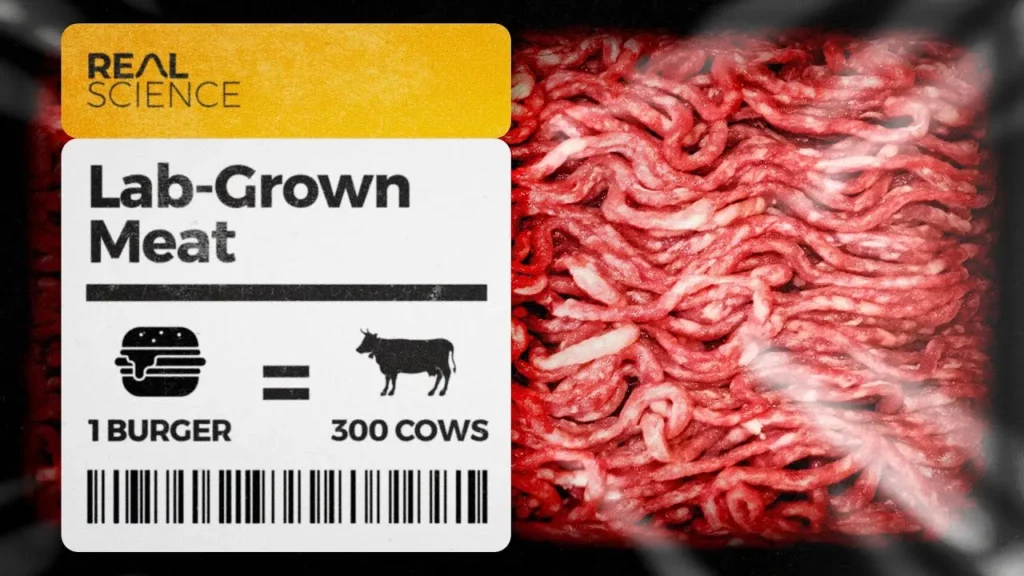
The lesson discusses the historical significance of meat consumption in human evolution and the environmental challenges posed by the modern meat industry, which contributes significantly to greenhouse gas emissions. It introduces lab-grown meat as a promising solution to enjoy meat without harming animals or the environment, while addressing the current challenges in production, such as reliance on fetal bovine serum and high costs. The lesson emphasizes the potential for technological advancements to make lab-grown meat more accessible and affordable, alongside personal reflections on the importance of reducing meat consumption for environmental sustainability.
The Insane Biology of: The Chimpanzee
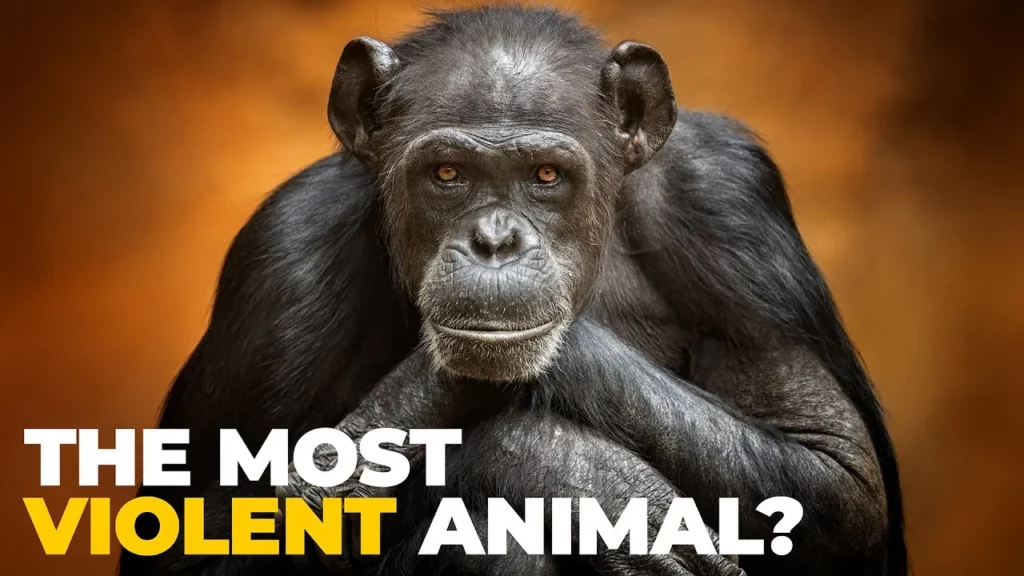
The lesson on chimpanzees highlights their fascinating biology, intelligence, and complex social structures, emphasizing their close genetic relationship with humans. It underscores the dangers of treating them as pets due to their unpredictable nature and potential for violence, as well as the significant conservation challenges they face from habitat destruction and poaching. The lesson encourages support for conservation efforts to protect these remarkable animals and their ecosystems.
Why is this manta ray pink?
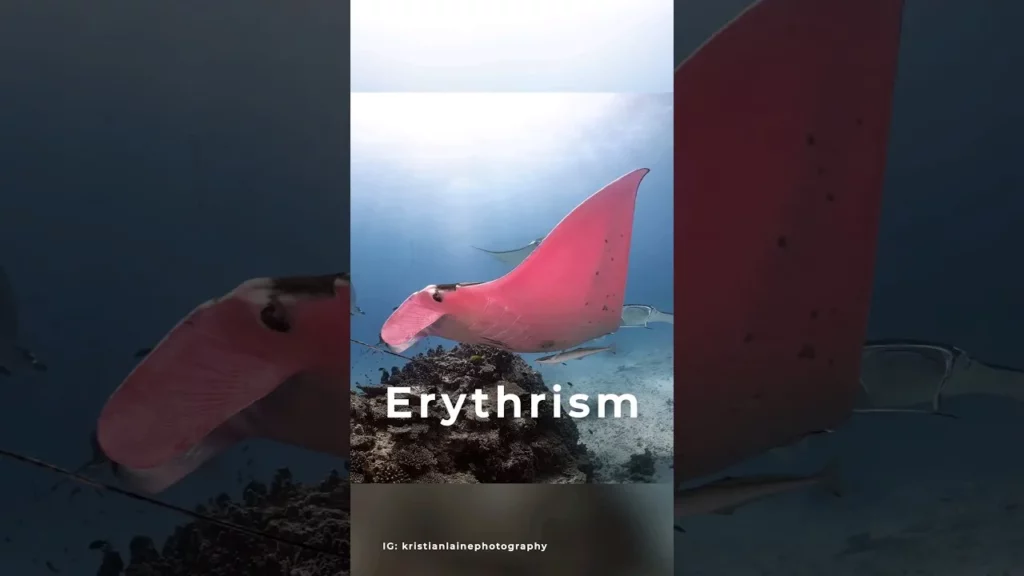
The lesson explores the fascinating discovery of Inspector Cluso, the world’s only known pink manta ray, spotted near the Great Barrier Reef. Scientists initially speculated about the cause of his unusual color, considering dietary factors and skin infections, but ultimately found that it results from a genetic mutation similar to albinism. This rare occurrence highlights the diversity of wildlife and the importance of studying unique animals to enhance our understanding of genetics and the natural world.
The Power of Bee Democracy
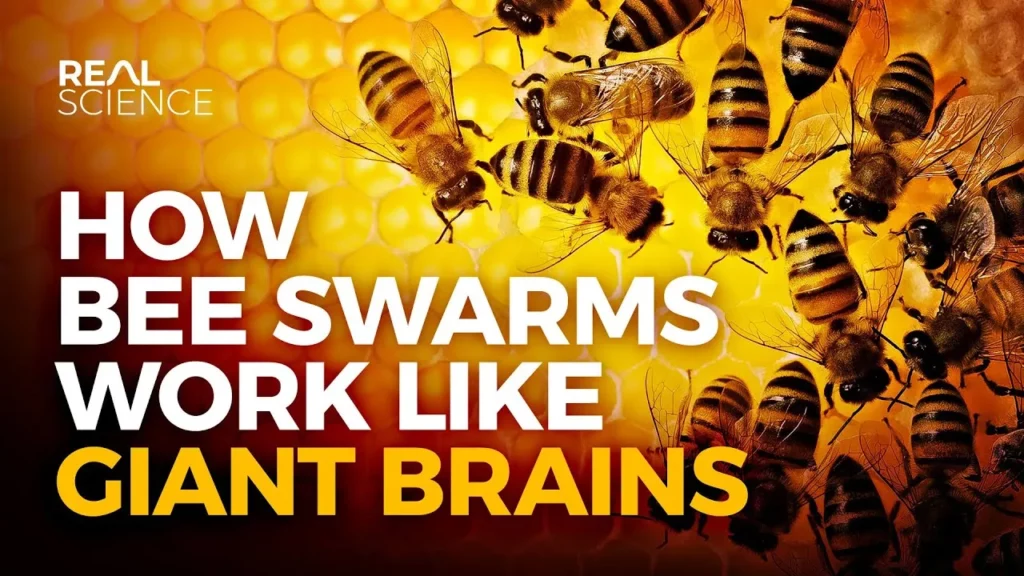
The lesson “The Power of Bee Democracy” explores how honeybees utilize intricate communication methods, particularly the waggle dance, to make collective decisions within their colonies, akin to a democratic process. By studying bee behavior, scientists have drawn parallels to human decision-making, revealing insights into psychological principles and inspiring algorithms in computer science, such as the artificial bee colony (ABC) algorithm, which optimizes problem-solving by mimicking bee decision-making strategies. This highlights the potential of nature-inspired solutions in addressing real-world challenges.
Why Spider Silk is Stronger Than Steel
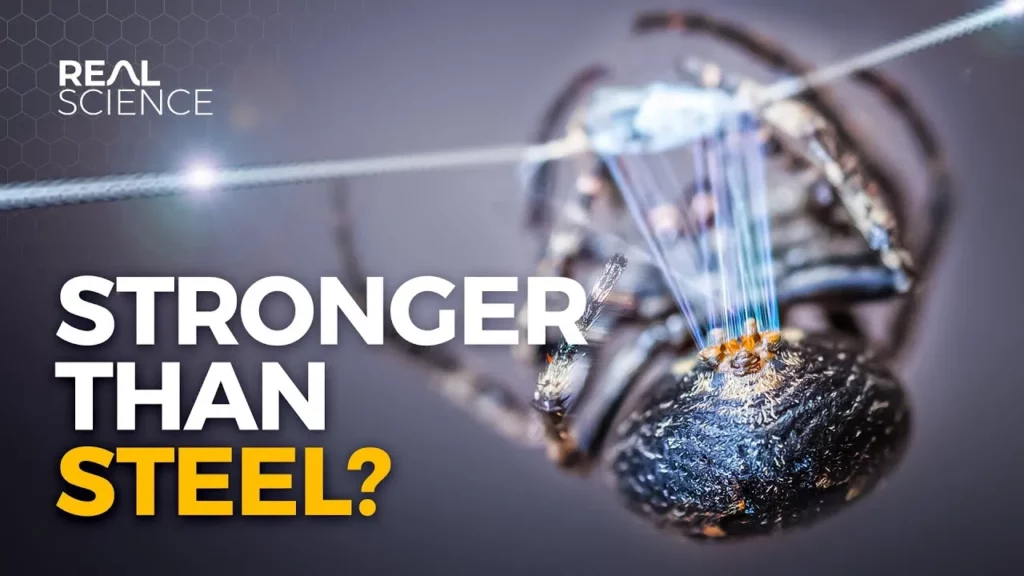
The lesson explores the remarkable properties of spider silk, highlighting its strength, flexibility, and potential applications in various industries. It details the extensive process of harvesting spider silk, the evolutionary history of spiders, and the scientific challenges in mass-producing this unique material. Despite these challenges, advancements in genetic modification and collaborations with companies suggest a promising future for spider silk as a sustainable alternative to synthetic fibers.
Why super weaners are such a menace
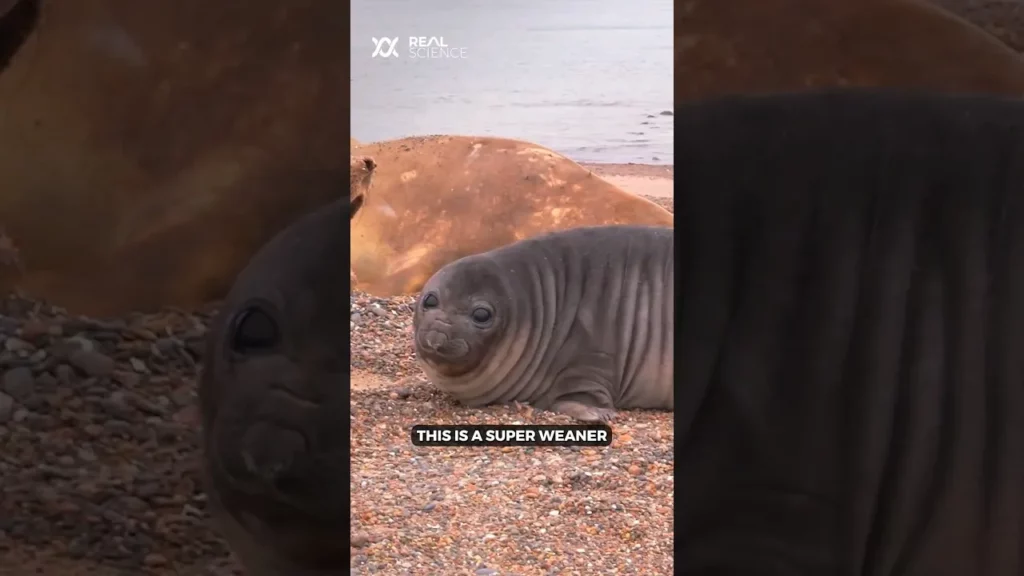
The lesson explores the intriguing behavior of “super weaners,” which are large male elephant seal pups that cleverly steal milk from nursing mothers after their own mothers leave. While this risky tactic can lead to painful encounters with protective mothers, it allows these pups to grow significantly larger, enhancing their chances of survival as they learn to fend for themselves in the wild. This phenomenon highlights the adaptability and resourcefulness of animals in their natural habitats.
Surviving an Impossible Deep Freeze
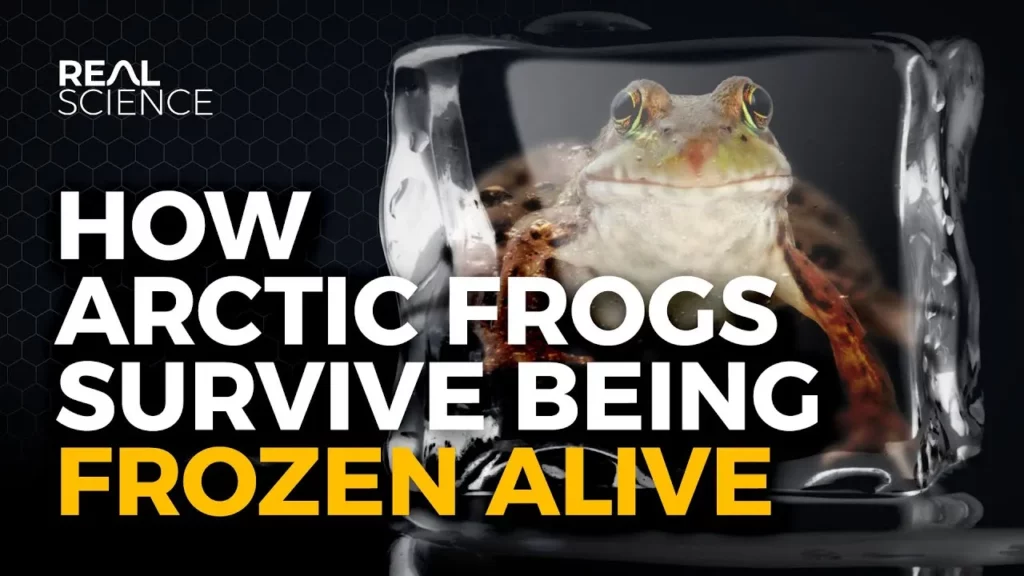
The lesson explores the remarkable adaptations of animals, particularly the wood frog, that enable them to survive extreme cold in Arctic regions. The wood frog can freeze up to 70% of its body water and later thaw out unharmed, inspiring scientists to investigate its unique biological mechanisms for potential applications in preserving human organs for transplants. This highlights the importance of learning from nature to address human challenges in organ preservation.
The Giant Fish That Makes Milk
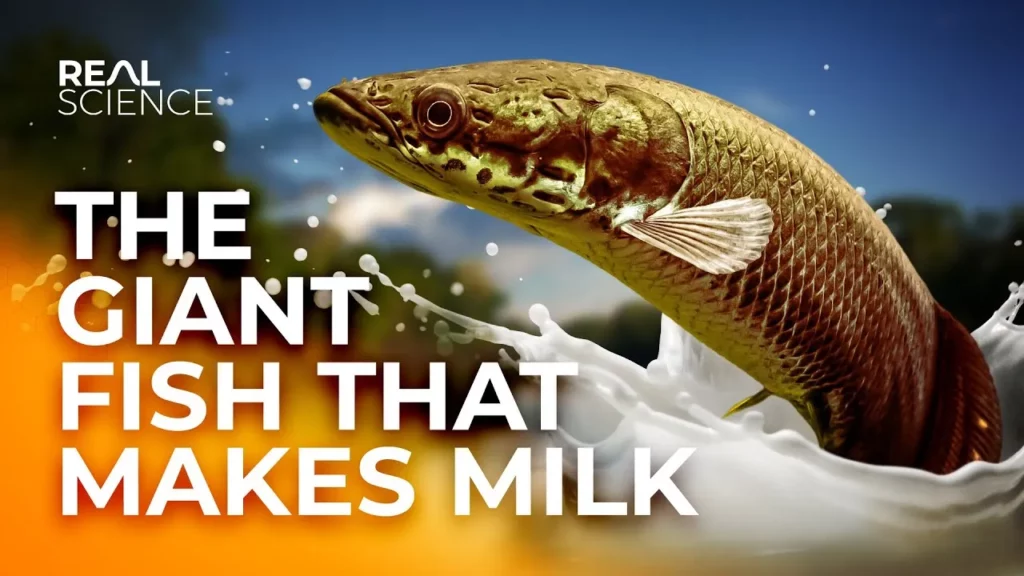
The lesson explores the fascinating arapaima, the largest freshwater fish in the world, found in the Amazon River. It highlights the fish’s unique adaptations, such as its ability to breathe air and produce a milky substance during reproduction, which plays a role in parental care. Despite their remarkable traits, arapaima populations are threatened by overfishing, prompting conservation efforts that aim to protect both the species and their habitat, ultimately benefiting the entire Amazon ecosystem.
Newborn great white shark caught on camera for the first time
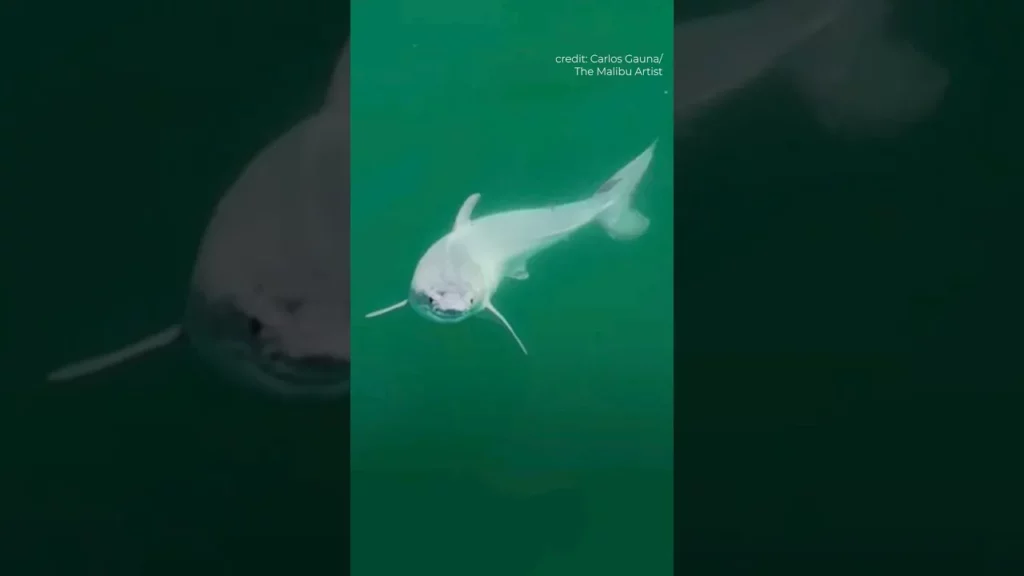
A drone camera off the coast of Carpinteria, California, captured footage of a newborn great white shark, potentially the youngest ever recorded, covered in uterine milk. This discovery is significant as it provides rare insight into the reproductive process of great white sharks, which remains largely mysterious, with no documented instances of them giving birth. Understanding their reproduction is crucial for the conservation of these species and highlights the ongoing need for research into their life cycles.
The Most Important Deep Sea Discovery
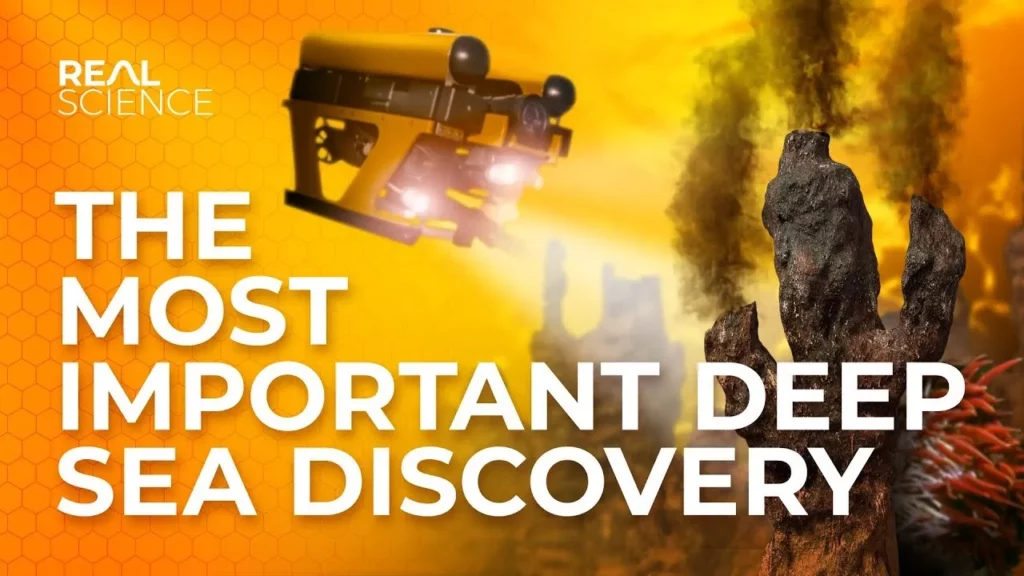
The lesson discusses the groundbreaking discovery of deep-sea hydrothermal vents, first identified during a 1977 exploration near the Galapagos Islands. This finding revealed thriving ecosystems in the deep ocean, challenging previous beliefs that life depended solely on sunlight, and introduced the concept of chemosynthesis, where organisms derive energy from chemical reactions rather than photosynthesis. The discovery has profound implications for understanding the origins of life on Earth and the potential for life beyond our planet.