
Why do ants do this creepy death spiral?
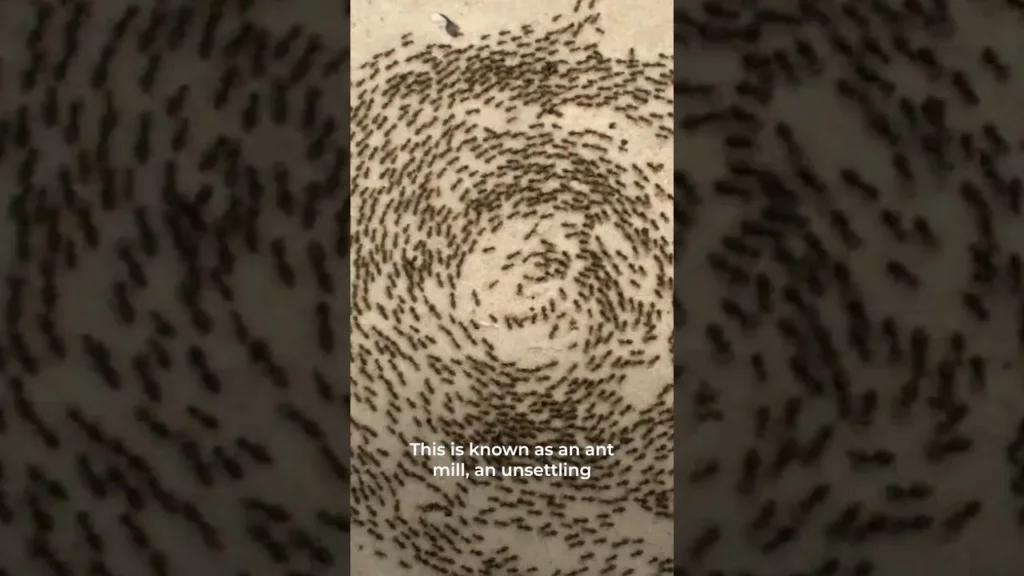
The lesson explores the phenomenon of “ant mills,” where army ants become trapped in a circular path due to their reliance on pheromone trails. When a lead ant encounters an obstacle and turns around, it creates a loop that other ants follow, leading to exhaustion and death as they fail to escape the cycle. This behavior highlights the importance of communication and teamwork in nature, while also serving as a cautionary tale about the dangers of over-reliance on a single method for navigation.
Can We Create Universal Blood?

The lesson explores the intriguing concept of creating universal blood, highlighting historical cases of acquired B blood type and the role of bacterial enzymes in altering blood antigens. It discusses the critical need for universal donor blood, particularly O negative, due to ongoing shortages and the complexities of blood type compatibility in transfusions. Recent advancements in enzyme research show promise for converting various blood types into O type, potentially revolutionizing blood donation and saving lives.
How Malaria Was Eradicated In The U.S.
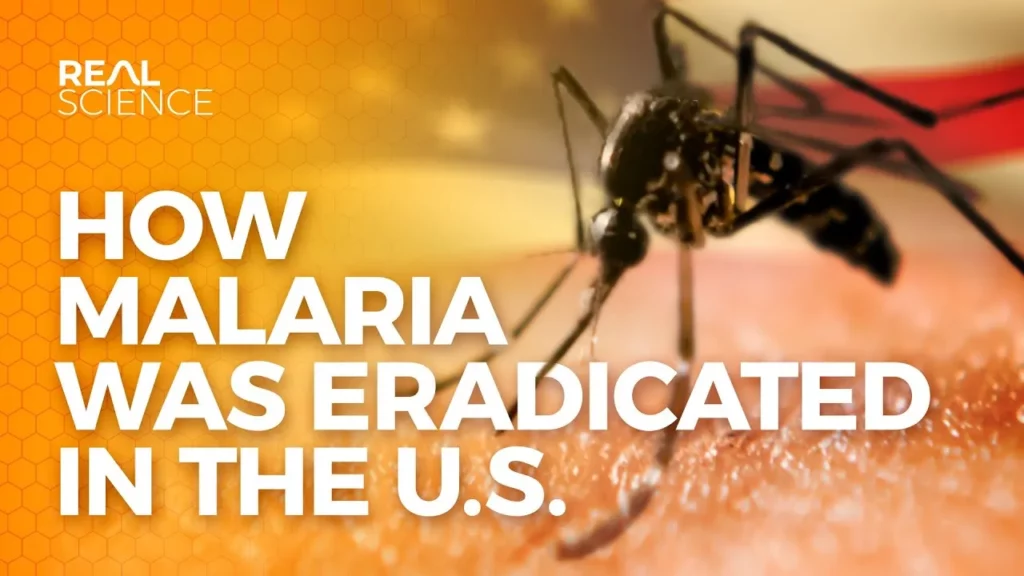
The lesson outlines the historical presence of malaria in the United States, detailing its spread through the Anopheles mosquito and the Plasmodium parasite, which significantly impacted settlement patterns and public health. It highlights the multifaceted efforts that led to the disease’s eradication by the early 1950s, including mosquito control measures, the use of DDT, and public health initiatives. The lesson also emphasizes the challenges of replicating these successes globally, particularly in regions like Africa, and discusses ongoing innovations and strategies aimed at achieving worldwide malaria eradication.
Chimps beat humans in this memory test

In a study comparing memory skills, chimpanzees outperformed humans in a short-term memory test involving the recall of numbers displayed briefly on a screen. Despite the numbers being shown for as little as 210 milliseconds, chimps demonstrated remarkable speed and accuracy, suggesting they possess a unique type of memory known as “tic memory,” akin to photographic memory. This research not only highlights the impressive cognitive abilities of chimps but also offers insights into memory processes that could enhance our understanding of human memory.
How Electric Bandages Accelerate Healing

The lesson discusses the role of electric bandages in accelerating the healing process, particularly for chronic wounds that are difficult to treat. It outlines the natural wound healing stages and highlights how electric fields can disrupt bacterial biofilms, enhance immune responses, and promote blood flow, ultimately leading to improved healing outcomes. As research continues, electric bandages may become a vital tool in modern wound care, addressing challenges faced by healthcare systems.
Orcas have fashion trends
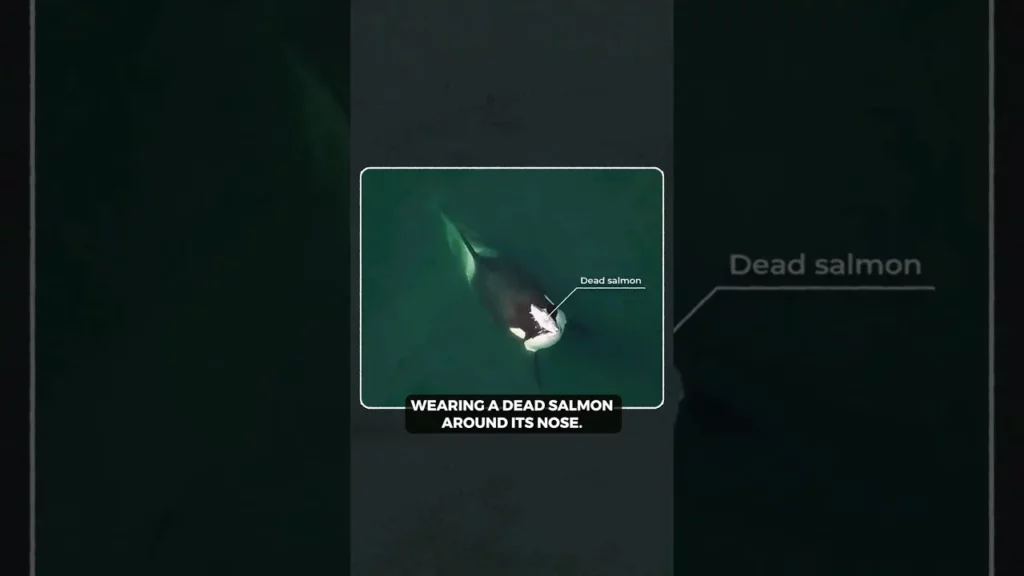
The lesson highlights the fascinating phenomenon of orcas adopting fashion trends, exemplified by a female orca that wore a dead salmon on her nose, sparking a temporary trend among her pod and others. This behavior illustrates cultural sharing among orcas, showcasing their intelligence and social connections, similar to human cultural practices. By studying these behaviors, scientists gain insights into animal communication and social interactions.
The Insane Biology of: The Platypus
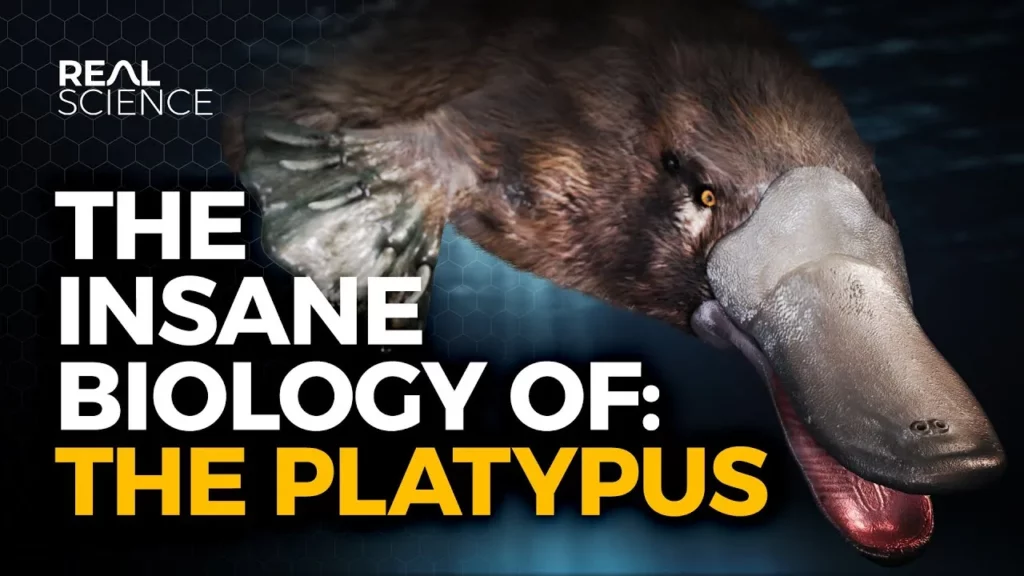
The lesson explores the unique biology and evolutionary history of the platypus, a remarkable monotreme that defies typical mammalian characteristics by laying eggs and possessing features like a duck-like bill and venomous spurs. It highlights the platypus’s adaptations for hunting and survival in aquatic environments, as well as its genetic connections to both birds and reptiles, illustrating the complexities of its classification and evolutionary path. Additionally, the lesson emphasizes the ongoing discoveries about the platypus and the rich biodiversity of Australia, where this extraordinary creature resides.
Nature's Most Surprising Projectiles
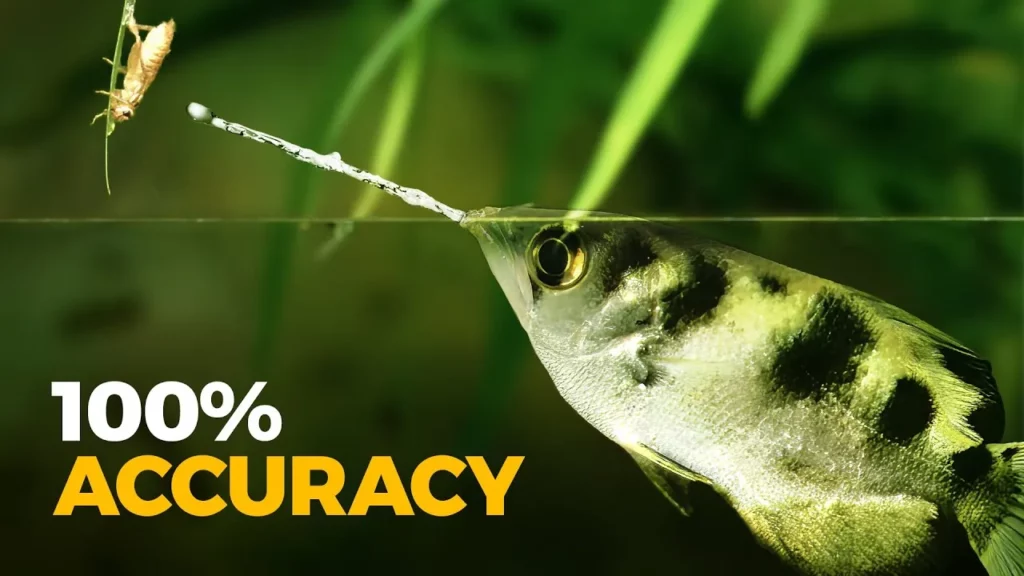
The lesson explores the fascinating ways in which various animals and plants have evolved to use projectiles for survival, showcasing nature’s ingenuity. It highlights examples such as the Bombardier beetle, which can spray boiling chemicals for defense, and the archerfish, known for its precise water-shooting abilities to catch prey. Additionally, it discusses how certain fungi can launch their spores at high speeds, emphasizing the diverse and creative strategies found in the natural world.
Why Hybrid Animals May Take Over the North

The lesson discusses the emergence of hybrid animals, particularly in the context of the Canadian Arctic, where a polar bear-grizzly bear hybrid, known as a “pisley,” was discovered. This phenomenon highlights the increasing occurrence of hybridization among species as environmental changes weaken reproductive barriers, suggesting that hybrids may play a significant role in evolution and adaptation. The lesson emphasizes that hybrids could enhance biodiversity and resilience in changing ecosystems, challenging the traditional view of evolution as a linear process.
The Insane Biology of: Hammerhead Sharks
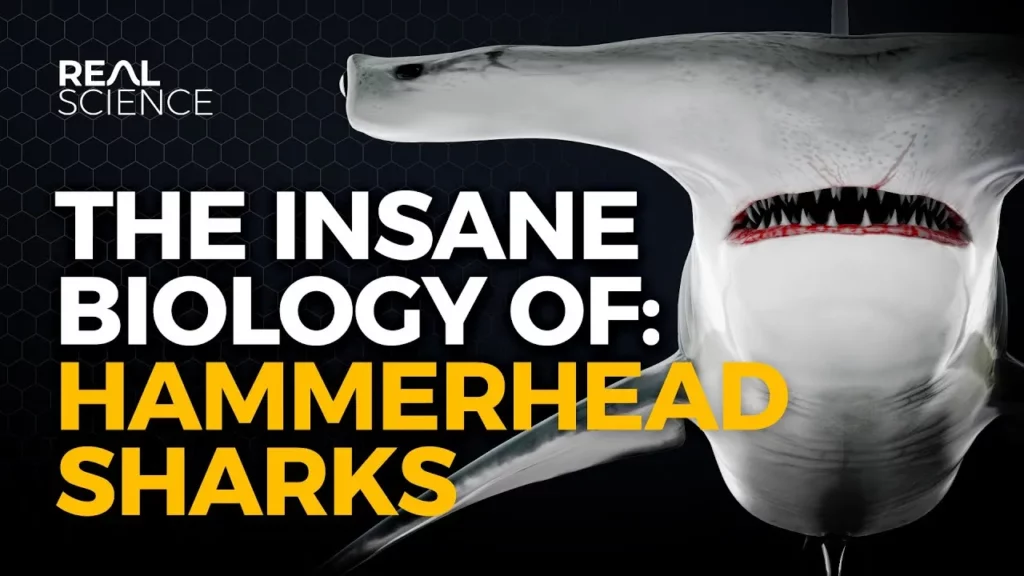
The lesson explores the evolutionary history of sharks, particularly focusing on the unique hammerhead shark, which emerged around 20 million years ago. It highlights the hammerhead’s distinctive cephalofoil, which enhances its vision and maneuverability, as well as its remarkable electroreception abilities that aid in hunting. Despite their evolutionary success, hammerhead sharks face significant threats from human activities, emphasizing the need for conservation efforts to ensure their survival and continued evolution.