
Why You Wouldn't Exist Without Viruses
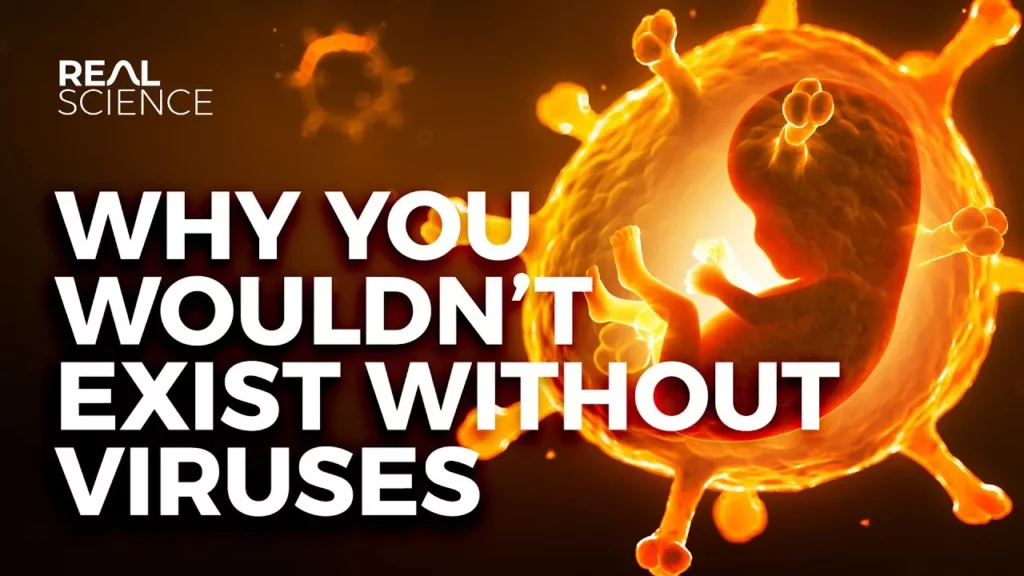
The lesson highlights the paradoxical role of viruses in human existence, emphasizing that while many viruses are harmful and have caused significant health crises, a substantial number have been integral to our evolution. Approximately 8% of human DNA is of viral origin, with ancient viral infections influencing key developmental processes, such as the formation of the placenta. Ultimately, this understanding reveals that viruses are not just threats but also vital contributors to the complexity of life and our evolutionary journey.
The Insane Biology of: The Harpy Eagle
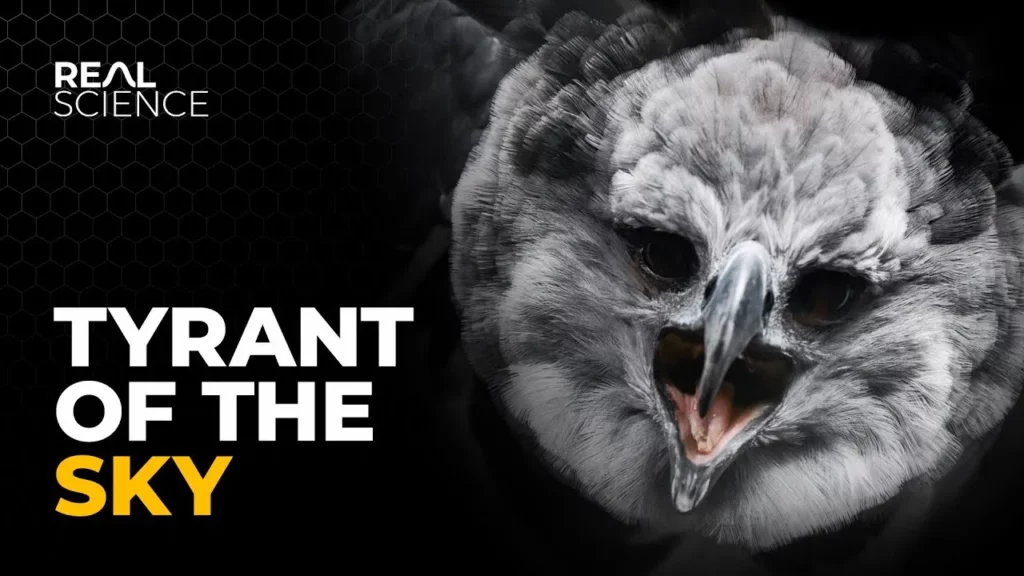
The lesson explores the harpy eagle, a powerful predator native to Central and South America, known for its impressive physical characteristics and hunting skills. With a wingspan exceeding 2 meters and the ability to spot prey from great distances, these eagles exhibit remarkable agility and intelligence, engaging in an evolutionary arms race with their prey. The lesson also highlights their historical significance, sensory adaptations, and the dynamic predator-prey relationships within their rainforest ecosystem.
The Insane Biology of: The Electric Eel
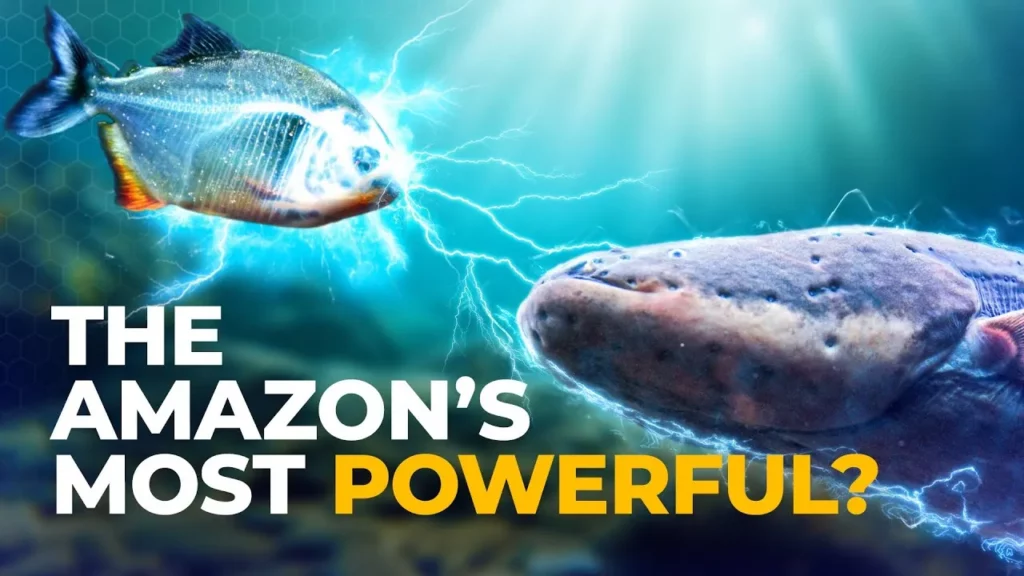
The lesson explores the fascinating biology and unique abilities of the electric eel, a freshwater fish native to South America that can generate powerful electric shocks for hunting and communication. It highlights the eel’s physical features, hunting techniques, and social behaviors, as well as its significant impact on science and technology, particularly in the development of batteries. Additionally, the lesson encourages further exploration of electricity through educational resources.
The Creatures That Thrive in the Pacific Garbage Patch
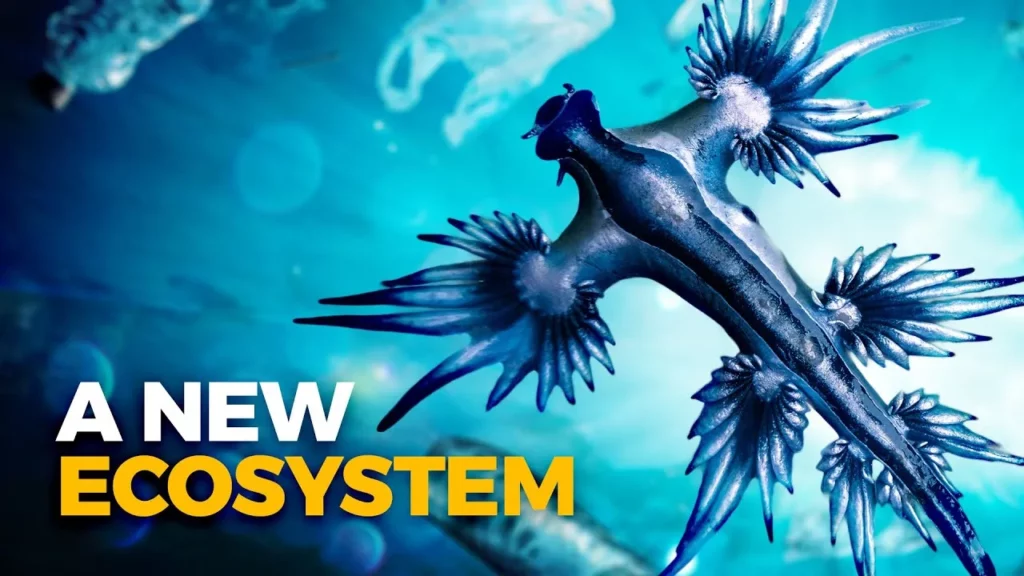
The lesson explores the surprising life that thrives within the Pacific Garbage Patch, highlighting how various organisms have adapted to this polluted environment. While the presence of plastic in the ocean poses significant challenges, it also raises important questions about the impact of cleanup efforts on these unique creatures. Ultimately, the lesson emphasizes the need for a balanced approach to ocean cleanup that considers both the removal of harmful debris and the protection of the ecosystems that have formed around plastic pollution.
Have We Found Life on Venus?

The lesson explores the intriguing possibility of life on Venus, focusing on the recent detection of phosphine gas in its atmosphere, which may indicate microbial life or unknown chemical processes. Despite the planet’s extreme conditions, including high temperatures and acidity, scientists are investigating the implications of phosphine as a potential biosignature, while also considering alternative explanations for its presence. This discovery has reignited interest in Venus and space exploration, prompting calls for further research and potential missions to gather more data.
The Vaccine to End the Pandemic?
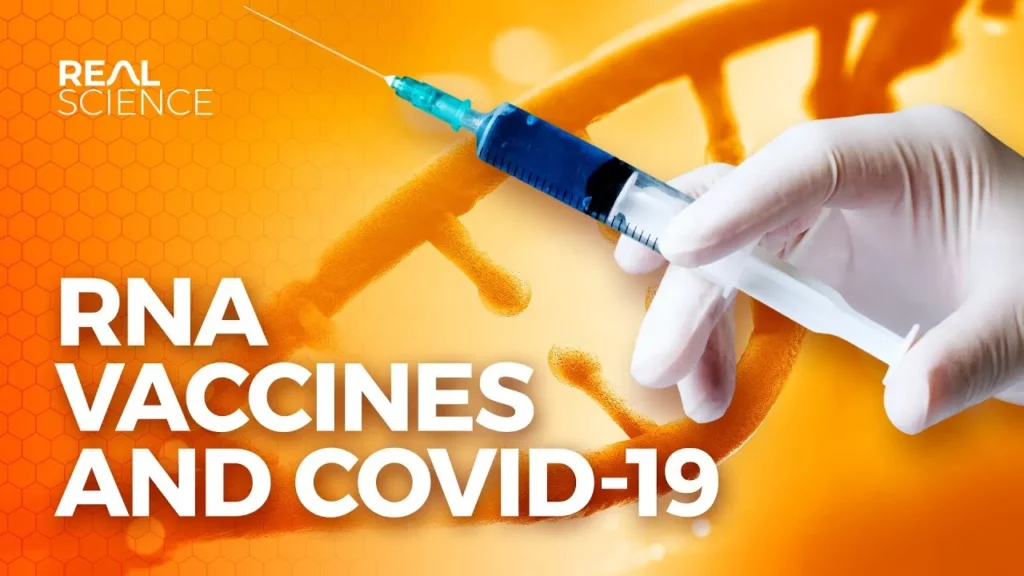
The lesson discusses the significant impact of the coronavirus pandemic, highlighting the urgent need for a vaccine to prevent further infections and avoid prolonged lockdowns. It contrasts traditional vaccine production methods with innovative RNA vaccines, such as Moderna’s mRNA-1273, which can be developed more rapidly and efficiently. The lesson emphasizes the importance of thorough testing and the potential for RNA vaccines to transform the approach to combating infectious diseases.
The shocking thing that happened when tardigrades went to space
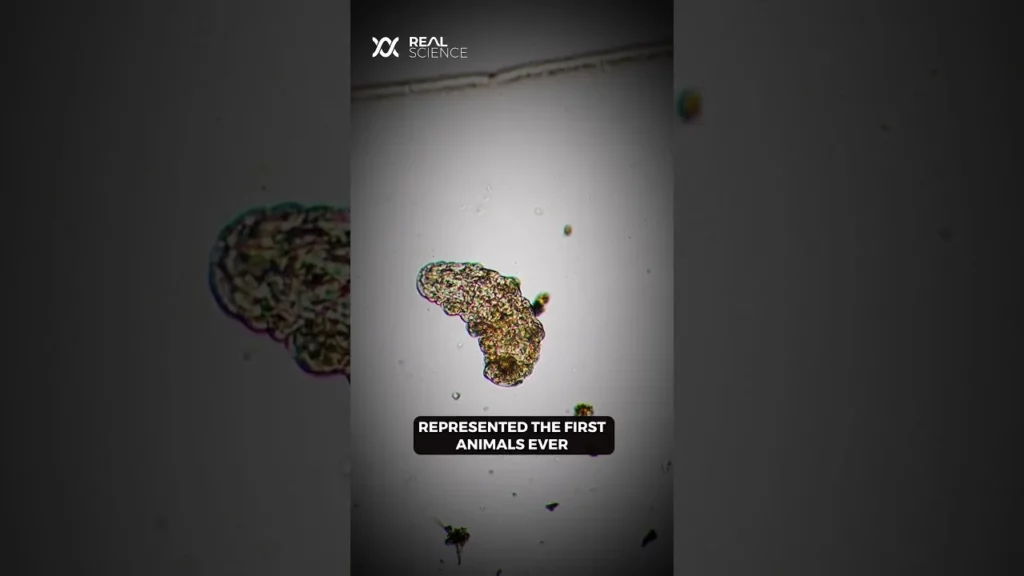
The lesson explores the remarkable resilience of tardigrades, tiny organisms known for their ability to survive extreme conditions, including the vacuum and radiation of space. An experiment conducted during the European Space Agency’s Photon M3 mission revealed that while some tardigrades could withstand the vacuum, only those exposed to specific types of UV radiation survived, marking them as the first animals to endure such harsh space conditions. This research not only highlights the adaptability of life but also provides insights into potential strategies for human survival in extraterrestrial environments.
The Insane Biology of: The Praying Mantis
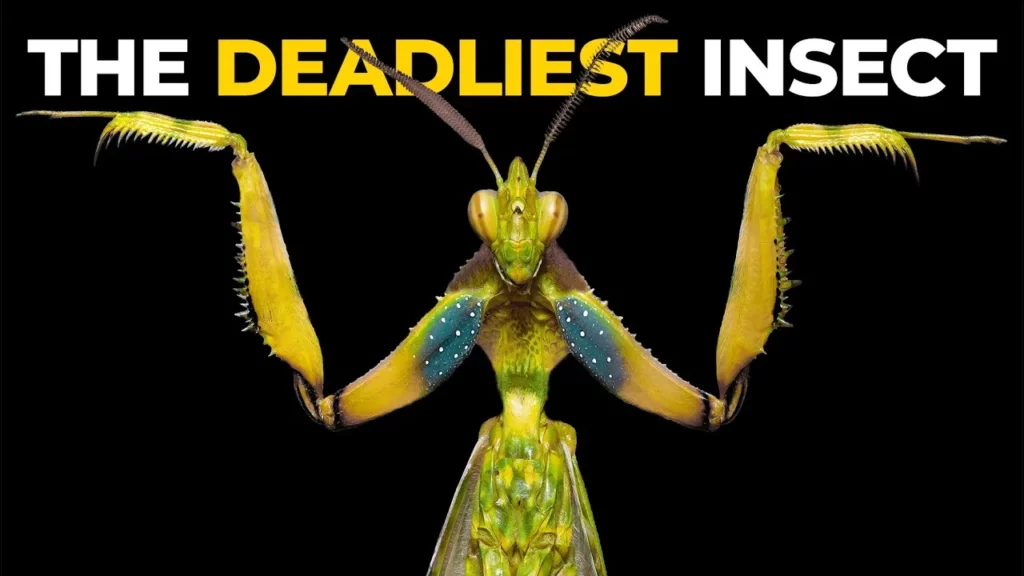
The lesson on praying mantises highlights their unique biological traits and behaviors that make them exceptional hunters and survivors in the insect world. With remarkable adaptations such as 3D vision, aggressive mimicry, and rapid predatory strikes, these insects showcase the power of evolution. Additionally, their intriguing behaviors, including the rare occurrence of sexual cannibalism, further emphasize their complex nature and the fascinating dynamics of their ecological roles.
The Insane Biology of: The Giant Manta Ray
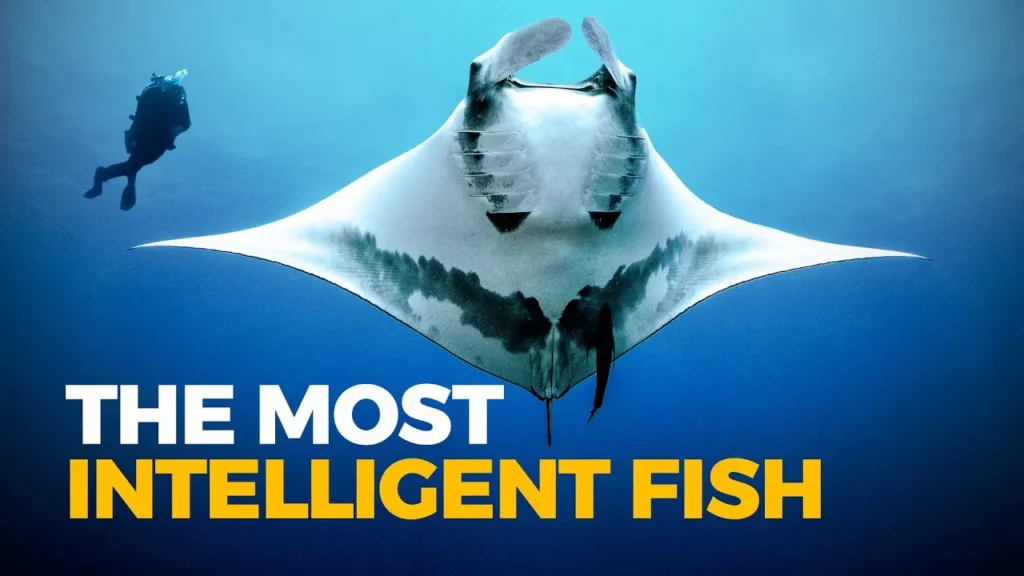
The lesson explores the extraordinary biology and behavior of the giant manta ray, the largest species of ray, known for its impressive wingspan and intelligence. It highlights their unique adaptations, such as flight-like swimming, deep-sea exploration, and color-changing abilities, while also addressing the conservation challenges they face due to human activities. Understanding these remarkable creatures is crucial for protecting their habitats and ensuring their survival for future generations.
How scientists find emperor penguins from space
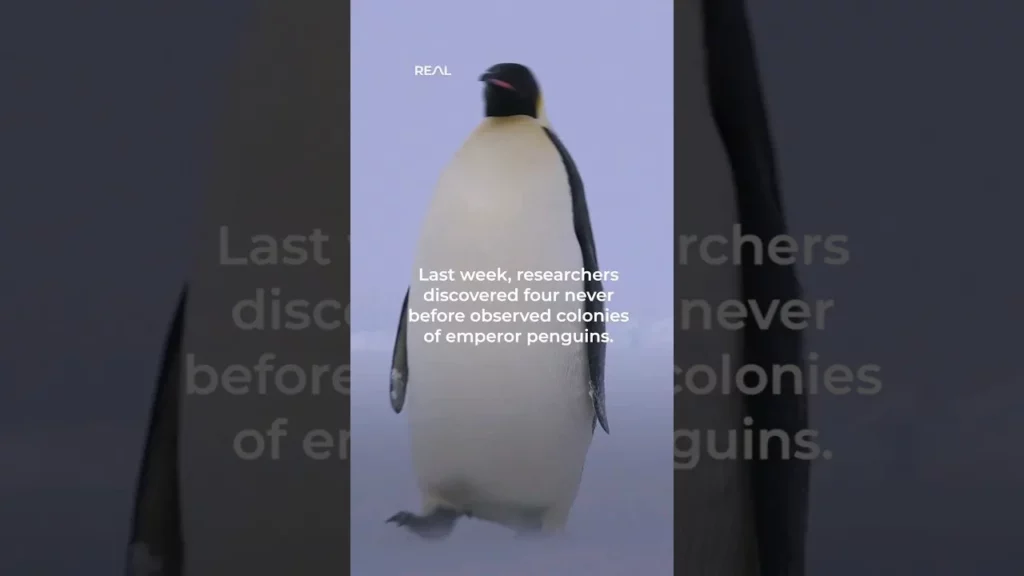
In this lesson, researchers discovered four new colonies of emperor penguins using satellite imagery, which allowed them to identify the birds by their droppings against the snow. This finding is significant as it enhances our understanding of emperor penguin populations, which are threatened by melting sea ice, and highlights the importance of innovative technology in wildlife conservation efforts. Although the overall conservation status remains unchanged, each new colony contributes valuable information for protecting these remarkable birds.