
Could Chat GPT Talk to Whales?
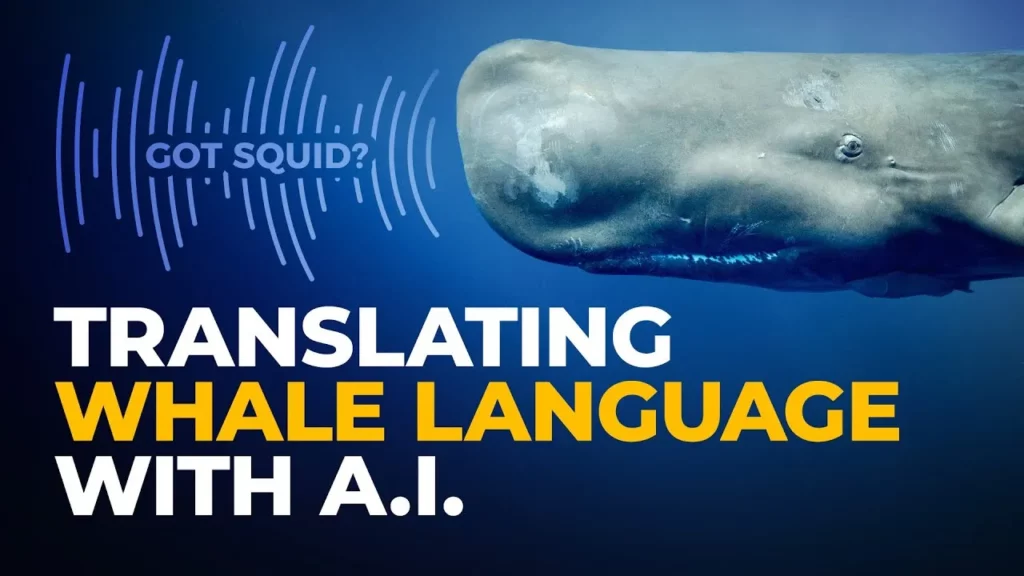
The lesson explores the intriguing possibility of inter-species communication, particularly focusing on sperm whales, whose complex vocalizations may resemble a form of language. Advances in technology, such as natural language processing, are being utilized to analyze whale sounds, with initiatives like the Citation Translation Initiative aiming to decode their communication patterns. Understanding whale language could not only enhance our knowledge of these creatures but also contribute to their conservation in the face of environmental challenges.
The Insane Biology of: The Emperor Penguin
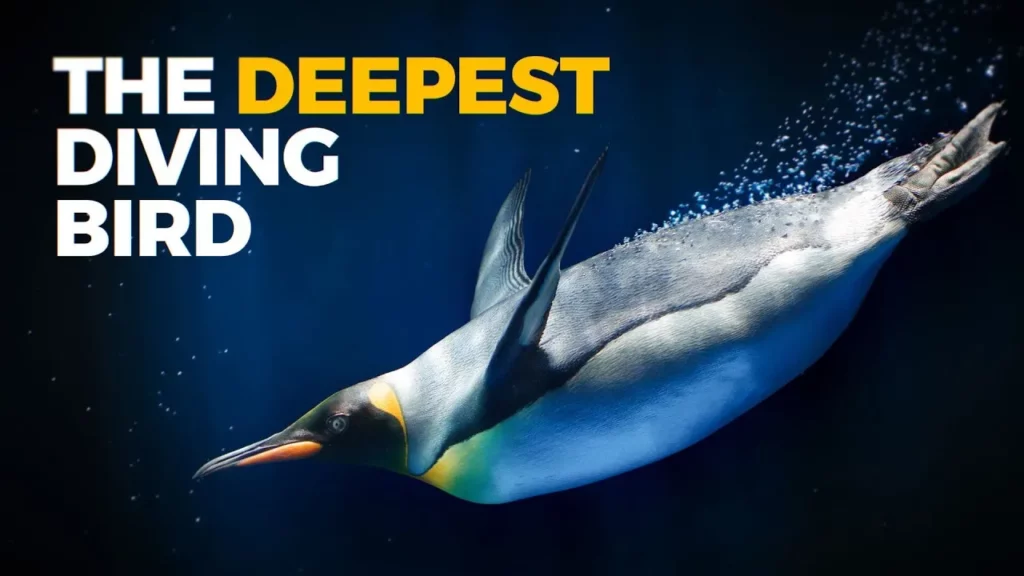
The lesson explores the remarkable adaptations and survival strategies of the emperor penguin, the largest penguin species, which thrives in the extreme conditions of Antarctica. It highlights their unique breeding behaviors, exceptional diving abilities, and social dynamics that enable them to endure harsh environments, while also addressing the significant threats posed by climate change to their habitat and future. Ultimately, the emperor penguin serves as a poignant symbol of the environmental challenges facing our planet.
The Insane Biology of: The Great White Shark
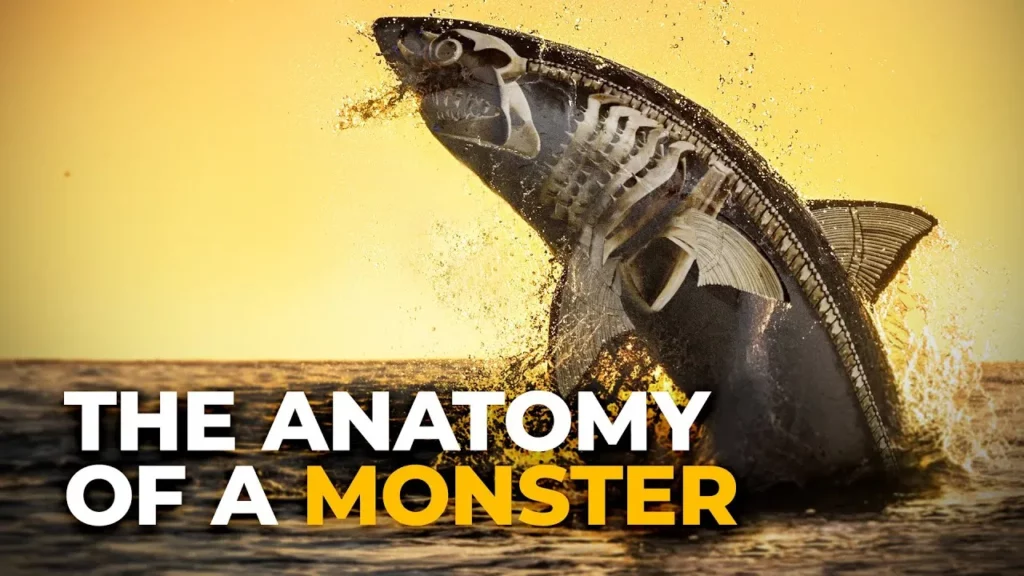
The lesson on great white sharks highlights their impressive biology and the misconceptions surrounding them. While often feared as mindless killers, these intelligent predators possess remarkable adaptations, such as exceptional vision, a powerful bite, and the ability to regulate their body temperature, which contribute to their success in the ocean. Understanding their behavior and ecological importance can help foster respect and promote conservation efforts rather than fear.
The Insane Biology of: The Tardigrade
The lesson on tardigrades highlights these remarkable organisms’ extraordinary survival abilities, allowing them to endure extreme temperatures, desiccation, and even the vacuum of space through a process called cryptobiosis. With a unique anatomy and ancient origins, tardigrades exhibit fascinating feeding habits and growth mechanisms, prompting ongoing scientific research into their resilience and potential for survival in harsh extraterrestrial environments. Despite their toughness, they still face threats in their natural habitats, underscoring the complexity of life on Earth.
The Insane Biology of: Sloths
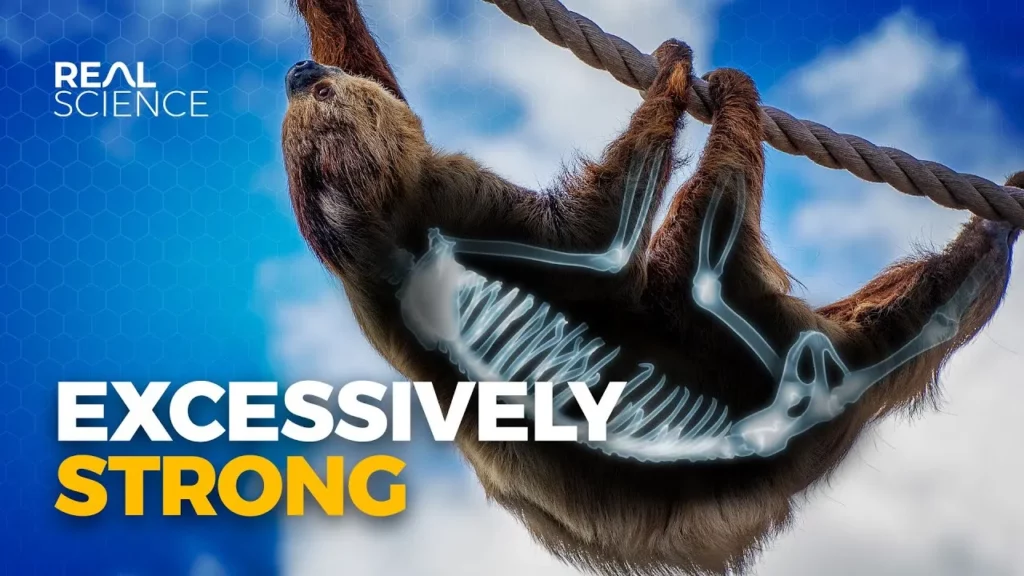
This lesson explores the unique biology and adaptations of sloths, highlighting how their slow and solitary lifestyle is a well-suited survival strategy in the challenging rainforest ecosystem. Despite their seemingly disadvantageous traits, sloths possess remarkable grip strength, specialized digestion, and a slow metabolism that enable them to thrive in their arboreal habitat. The lesson emphasizes the importance of ongoing research and conservation efforts to better understand and protect these fascinating creatures.
Is this the loneliest whale on Earth?
The lesson explores the intriguing story of the “52 Hertz whale,” a unique whale that communicates at a frequency much higher than other whales, leading to the belief that it may be the loneliest whale on Earth. Initially thought to be isolated due to its distinct calls, recent research suggests that there may be other whales communicating at the same frequency, challenging the notion of its loneliness. Overall, the tale of the 52 Hertz whale highlights the mysteries of ocean life and the ongoing quest for understanding marine communication.
The Insane Biology of: The Orca
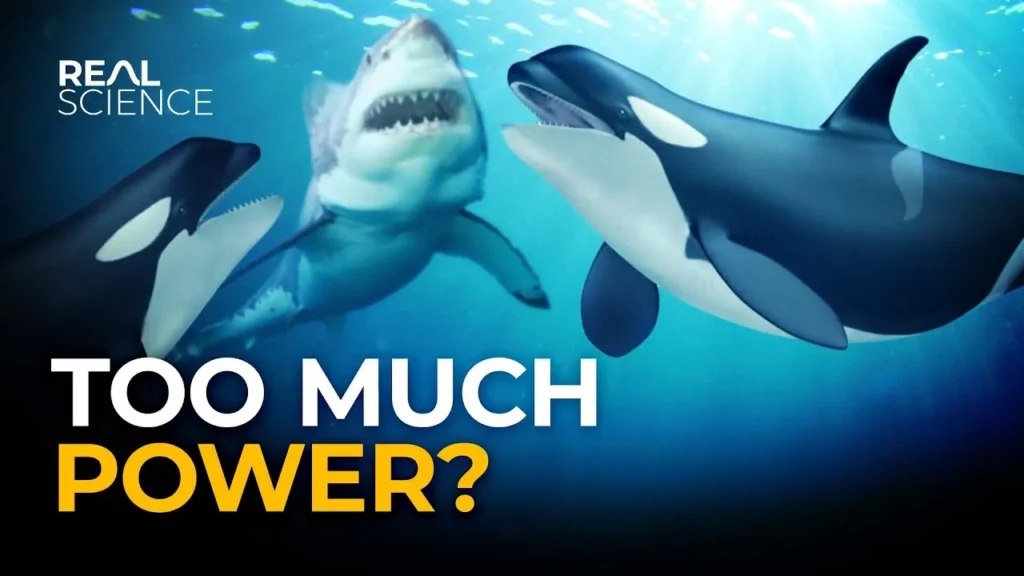
The lesson explores the fascinating biology and behavior of orcas, or killer whales, highlighting their status as apex predators and their sophisticated hunting techniques. It delves into their evolutionary history, physical characteristics, social structures, and advanced cognitive abilities, emphasizing their complex communication and cultural practices. Ultimately, the lesson underscores the intelligence and adaptability of orcas, drawing intriguing parallels between their lives and those of humans.
The Insane Biology of: The Gorilla
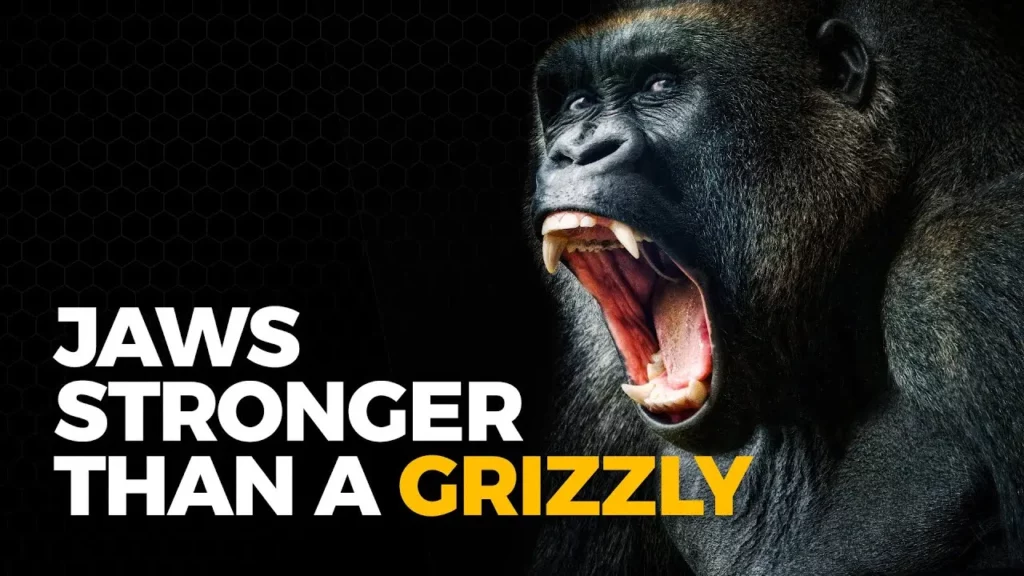
The lesson explores the fascinating biology and behavior of gorillas, highlighting their intelligence and social structures, as well as their close genetic relationship with humans. It focuses on Coco, a gorilla who learned American Sign Language, demonstrating her ability to communicate emotions and needs, which has significantly contributed to our understanding of gorilla communication. The lesson emphasizes the importance of studying these remarkable creatures to deepen our insights into their lives and enhance their welfare in both captivity and the wild.
Why Long Distance Swimming is So Dangerous (Its not just the poop water)

The lesson highlights the significant dangers associated with long-distance swimming, particularly in contaminated waters like the Seine River, where athletes faced health risks from E. coli. It emphasizes the physical and physiological challenges swimmers encounter, including hypothermia, jellyfish stings, and the toll of endurance on the body, while also noting that women often excel in these events despite the inherent risks. Ultimately, the sport demands exceptional endurance and resilience, attracting athletes who seek to push the limits of human capability.
The Problem with Deep Space Travel

The lesson explores the multifaceted challenges of deep space travel, highlighting historical missions like Soyuz 21, which faced unexpected psychological and environmental issues. It discusses the physical impacts of microgravity on the human body, the importance of mental health in isolated environments, and the dangers posed by space radiation. As space agencies prepare for future missions to the Moon and Mars, ongoing research aims to address these challenges and enhance astronaut safety and well-being.