
The Insane Biology of: The Axolotl
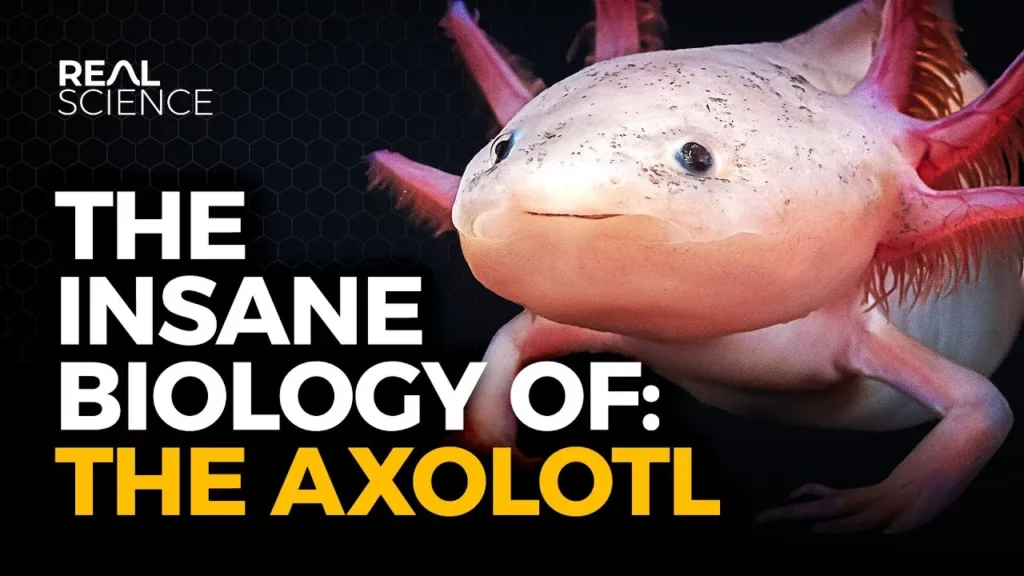
The lesson explores the fascinating axolotl, a unique salamander native to Lake Xochimilco in Mexico, which is steeped in Aztec mythology and renowned for its remarkable regenerative abilities. Despite its scientific significance and captivating biology, the axolotl faces severe threats from habitat loss and pollution, prompting urgent conservation efforts to preserve this extraordinary species and maintain biodiversity. The axolotl’s story serves as a reminder of the importance of protecting our planet’s natural wonders.
Is this the best parenting hack of the animal kingdom?
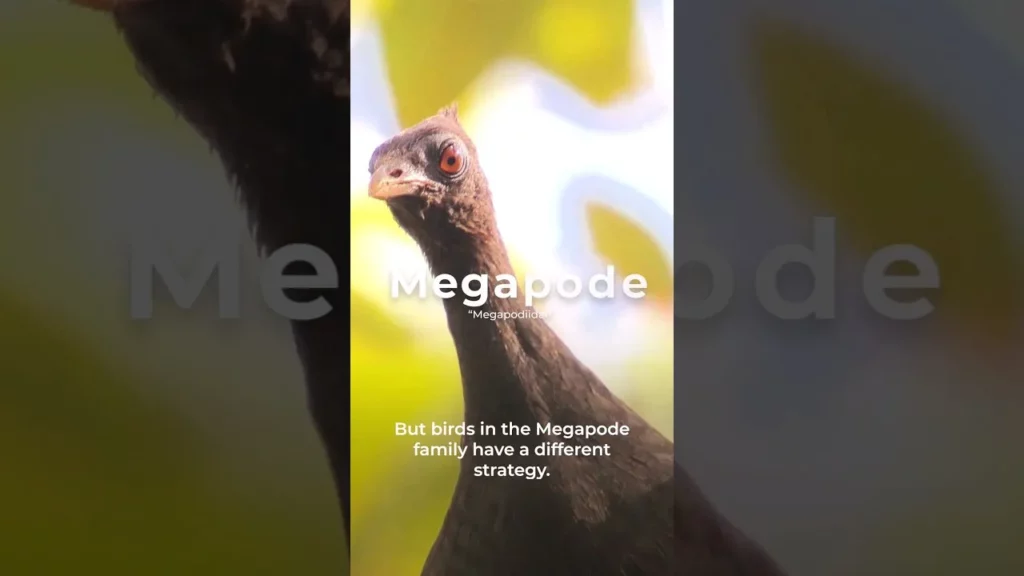
The lesson highlights the unique nesting strategy of megapodes, large birds that build enormous mounds from natural materials instead of traditional nests. These mounds serve as natural incubators, generating heat through decomposition, allowing the parent birds to care for their eggs with less effort. This adaptation not only facilitates the hatching of highly developed chicks that can fly shortly after birth but also exemplifies the remarkable ingenuity of nature in addressing parenting challenges.
The Insane Evolution of: Flight
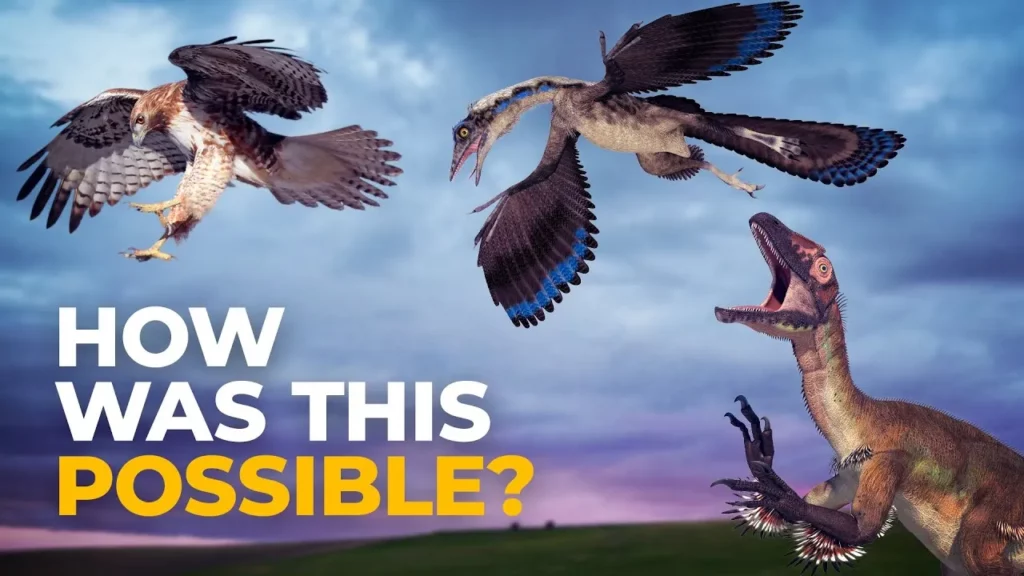
The lesson on “The Fascinating Journey of Flight Evolution” explores the remarkable transition of life from aquatic environments to the skies, highlighting how various organisms, including insects, pterosaurs, birds, and bats, independently evolved the ability to fly. It discusses the unique adaptations and evolutionary paths each group took, revealing the complexity of flight development and its significance in ecological diversification. Ultimately, the lesson draws parallels between the evolution of flight and human evolution, emphasizing the adaptability of life and our ongoing curiosity about our own origins.
The Insane Biology of: The Mantis Shrimp
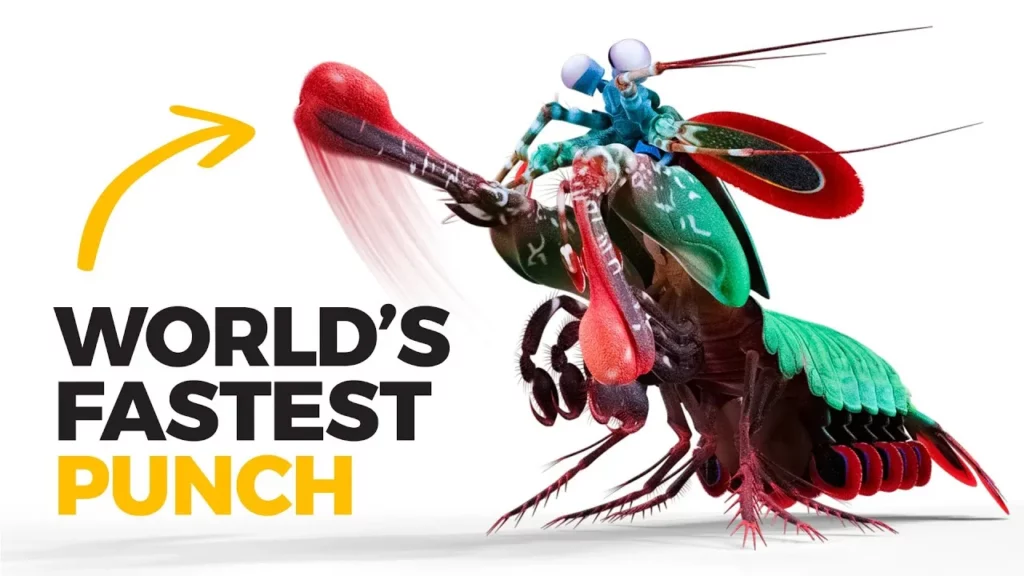
The lesson explores the remarkable biology of the mantis shrimp, highlighting its incredible speed and unique hunting techniques, which include two main types: spearers and smashers. With the most complex eyes in the animal kingdom, mantis shrimp can detect a wide range of light and process visual information rapidly, making them effective predators. Their extraordinary adaptations have inspired advancements in materials science, robotics, and optics, showcasing the potential for scientific innovation derived from nature.
What Happens to the Human Body on Top of Everest
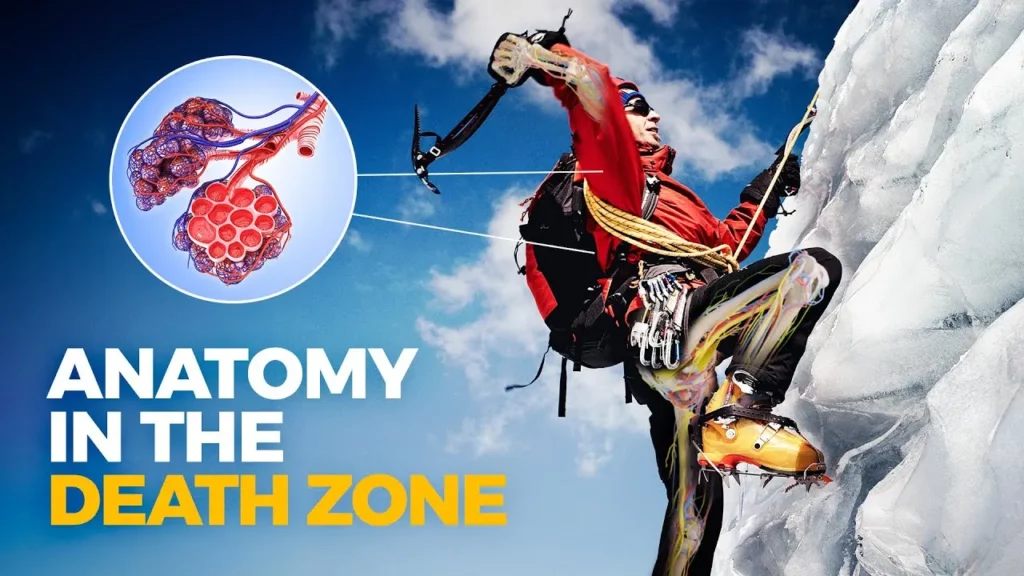
The lesson explores the extreme physiological challenges faced by climbers on Mount Everest, particularly focusing on the historic ascent of Peter Habler and Reinhold Messner in 1978 without supplemental oxygen. It highlights the body’s acclimatization process, the dangers of the “death zone,” and the unique adaptations of high-altitude climbers, including the Sherpa people, who have evolved to thrive in such harsh conditions. Ultimately, the lesson emphasizes the resilience of the human body and the extensive training required to conquer the world’s tallest mountain.
Why Evolution Has Screwed Sea Turtles (And So Have We)
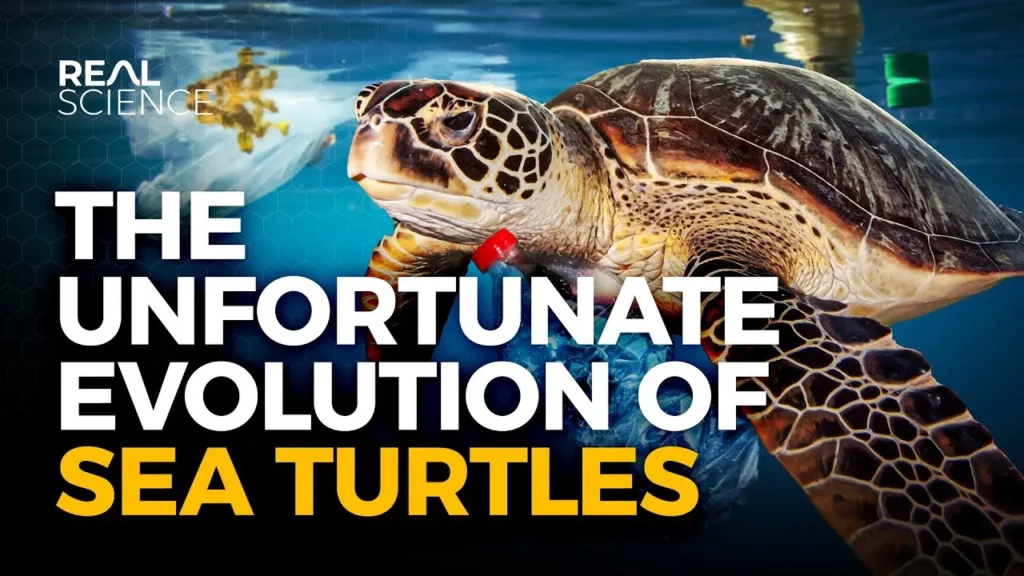
The lesson discusses the long evolutionary history of sea turtles, highlighting their resilience through past mass extinction events, but emphasizes the current threats they face due to human activities such as pollution and habitat loss. It outlines the importance of global initiatives like the Team Seas campaign, which aims to remove trash from oceans, and encourages community efforts to reduce artificial light on nesting beaches to improve hatchling survival rates. Ultimately, the lesson conveys a message of hope, showcasing successful conservation efforts that have helped certain turtle populations rebound and urging collective action to protect these ancient creatures and their habitats.
The Insane Biology of: The Poison Dart Frog
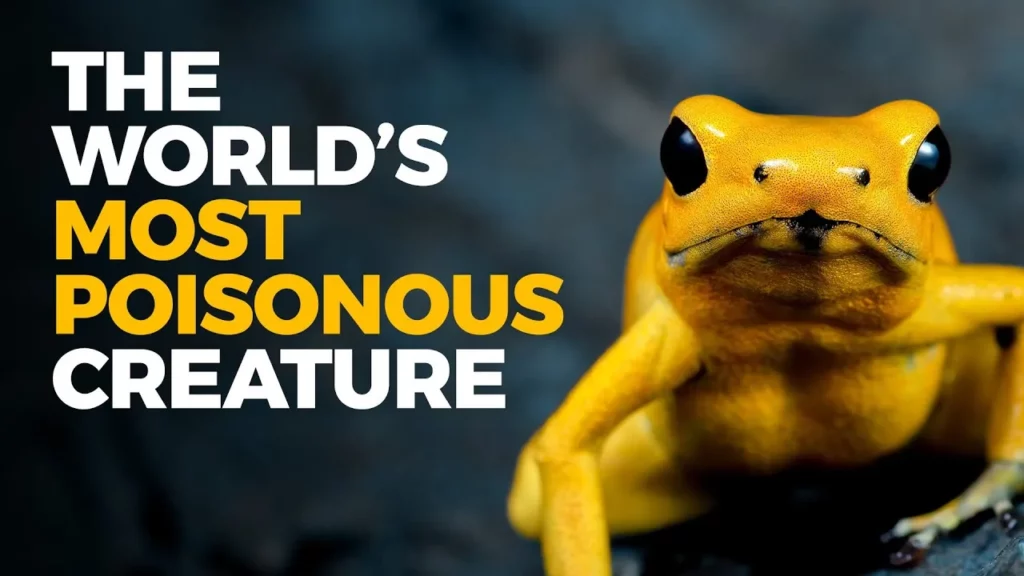
The lesson explores the fascinating biology of poison dart frogs, highlighting their lethal toxicity derived from their diet of arthropods, which allows them to sequester potent alkaloids for defense. These vibrant amphibians use their bright colors as a warning to predators, while their unique genetic adaptations grant them immunity to their own toxins. Additionally, the lesson addresses conservation concerns for these species, emphasizing the importance of understanding their biology for potential applications in human medicine and conservation efforts.
The Insane Biology of: The Cuttlefish
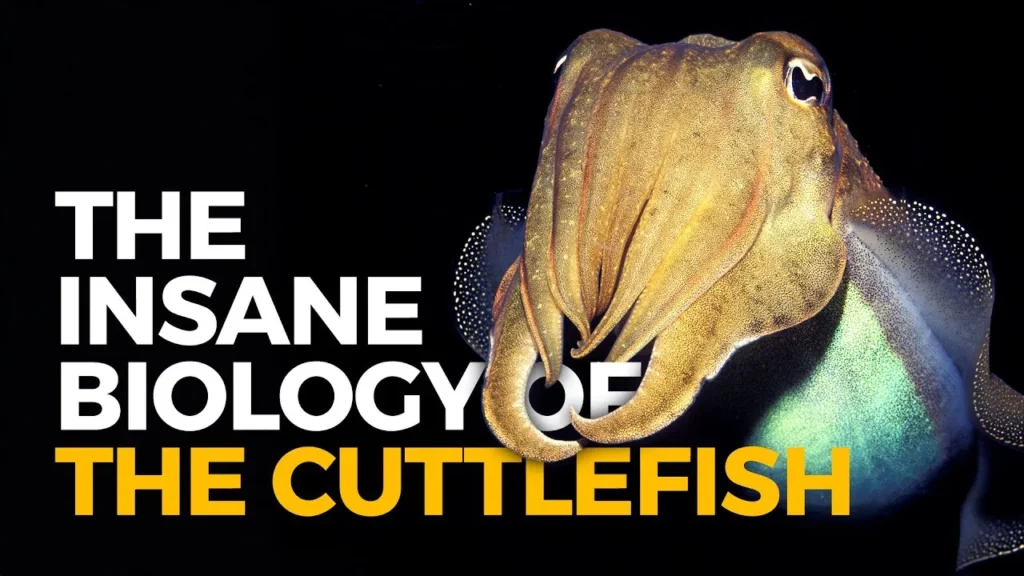
The lesson explores the fascinating biology and intelligence of cuttlefish, highlighting their remarkable ability to change color and texture for camouflage and hunting. Related to octopuses, these creatures possess advanced cognitive skills, demonstrated through problem-solving and memory, and have unique adaptations like the cuttlebone for buoyancy. Despite environmental challenges, cuttlefish have thrived for over 100 million years, showcasing the wonders of evolution.
The Insane Biology of: The Cicada
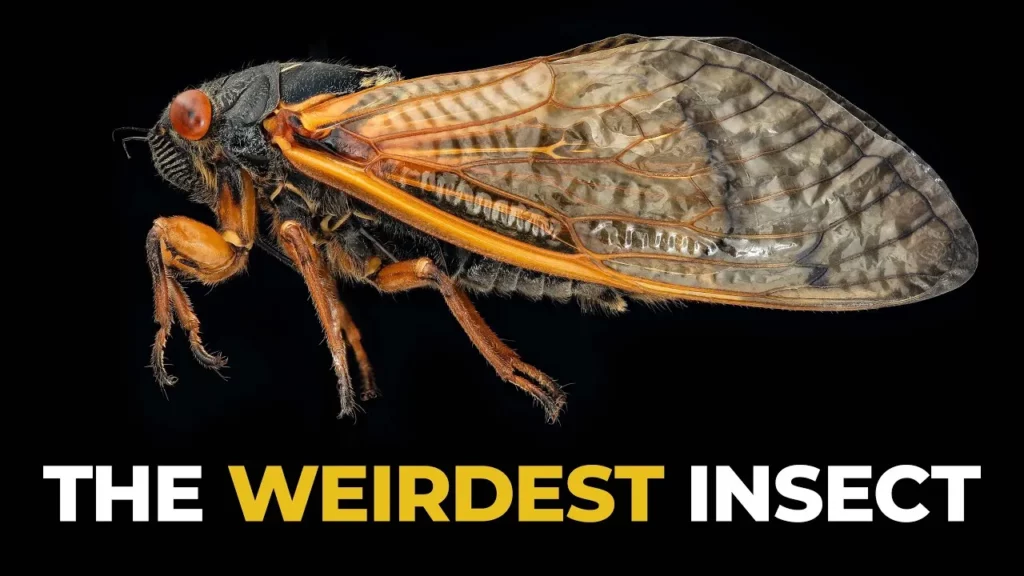
The lesson explores the fascinating biology and life cycle of periodical cicadas, which emerge in massive numbers after spending 13 or 17 years underground. These insects, known for their loud mating calls and synchronized emergence, play a vital role in the ecosystem by recycling nutrients and supporting tree growth. Despite their eerie appearance, cicadas are harmless and their unique life cycle continues to intrigue scientists and nature enthusiasts alike.
How We Accidentally Started Making Infinite Robots
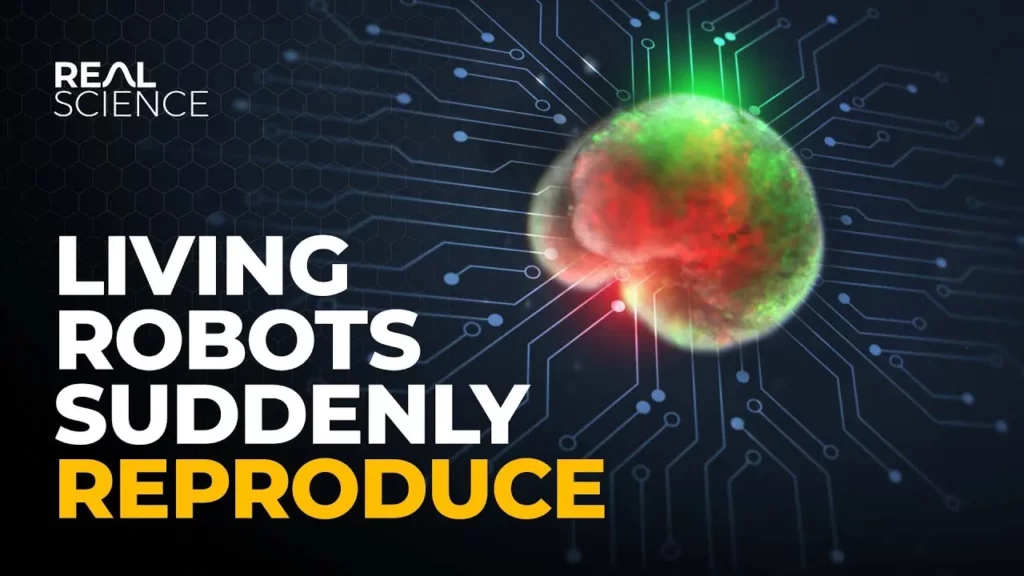
The lesson discusses the creation and implications of xenobots, a new form of life designed by humans using frog cells, which challenge traditional classifications of living organisms. These synthetic entities not only exhibit spontaneous reproduction and self-healing capabilities but also hold potential for addressing environmental and health challenges. The ongoing debate about whether xenobots are truly alive underscores the need for further exploration into the intersection of biology and technology.