
The Insane Evolution of: Life in the Arctic
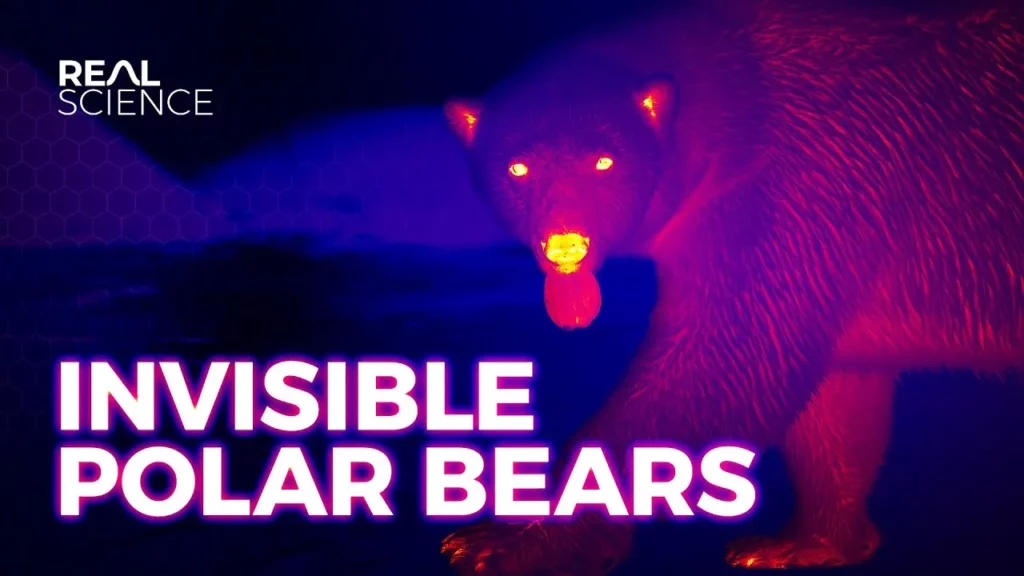
The lesson explores the remarkable adaptations of life in the Arctic, highlighting how animals and humans have evolved to survive extreme cold conditions. It discusses various survival strategies, such as the use of brown fat for heat production in hibernating animals, the insulating properties of blubber in marine mammals, and physiological responses like vasoconstriction in humans. Additionally, it touches on the fascinating ability of some species to endure freezing temperatures, setting the stage for future studies on these adaptations and their potential benefits for humanity.
The Insane Biology of: The Octopus
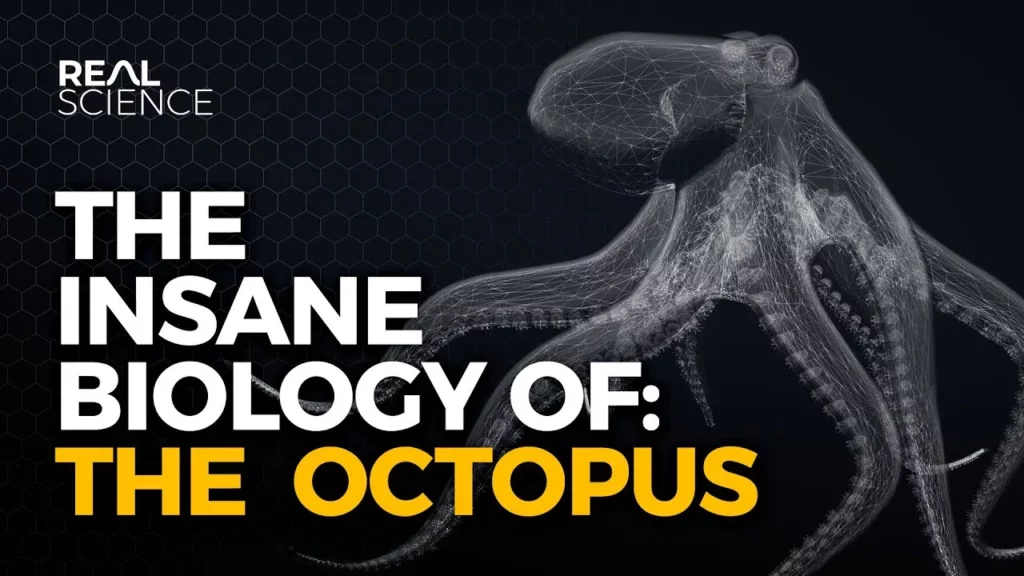
The lesson explores the remarkable biology and intelligence of octopuses, highlighting their unique characteristics as highly adaptable and intelligent cephalopods. With a decentralized nervous system that allows for independent arm function and advanced problem-solving abilities, octopuses demonstrate complex behaviors such as camouflage, tool use, and playful curiosity. Their evolutionary history, which spans over 500 million years, reveals how their intelligence developed independently from vertebrates, offering valuable insights into alternative forms of cognition.
The Problem Dogs Solved That We Couldn't

The lesson highlights the remarkable olfactory abilities of dogs, which are estimated to be 10,000 to 100,000 times more sensitive than humans. This extraordinary sense of smell enables dogs to perform vital tasks, such as locating missing persons, detecting explosives, and identifying diseases with high accuracy, showcasing their potential to significantly contribute to human safety and health. Additionally, ongoing research aims to further understand and harness this capability, potentially leading to innovative diagnostic tools.
Do Monkeys Have a Moral Compass?
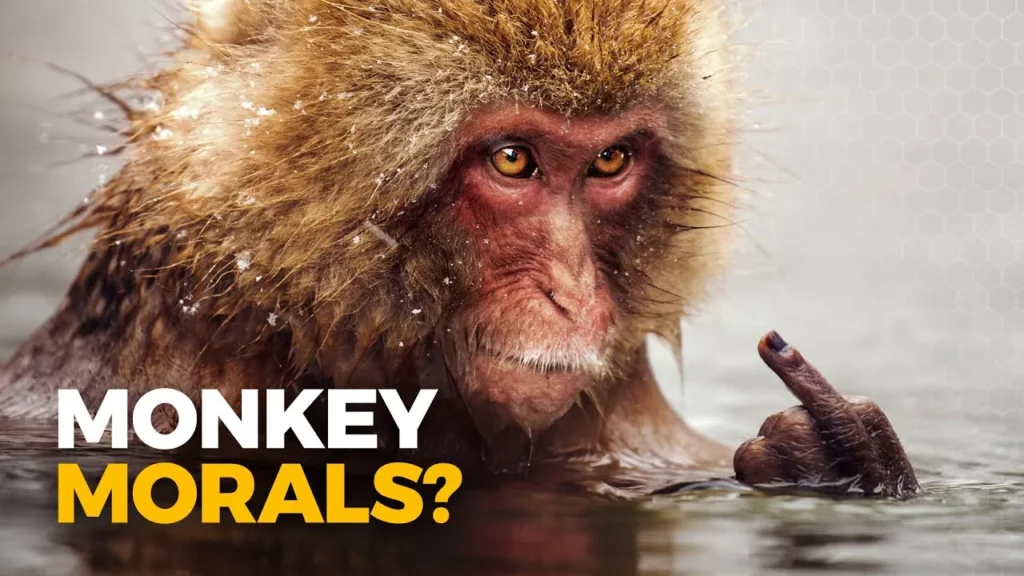
The lesson explores the intriguing question of whether monkeys possess a moral compass, examining their behaviors in social contexts that suggest elements of fairness, empathy, and cooperation. Research indicates that monkeys can recognize unfairness, demonstrate empathetic behaviors, and even engage in judgment and reconciliation, hinting at a complex understanding of morality. While their actions may not fully align with human moral reasoning, the parallels raise important questions about the origins of morality and the emotional experiences shared between humans and monkeys.
The Assassin's Favorite Plant

The lesson discusses the assassination of Bulgarian dissident Georgi Markov in 1978, who was killed using a poisoned umbrella that delivered a toxin derived from a dangerous plant. It highlights the lethal potential of various toxic plants, such as the castor bean and deadly nightshade, which have been used historically for nefarious purposes but also possess medicinal properties. The lesson emphasizes the dual nature of these plants, illustrating that while they can be deadly, they also have valuable applications in medicine and industry, underscoring the importance of understanding their effects.
The Insane Biology of: The Dragonfly
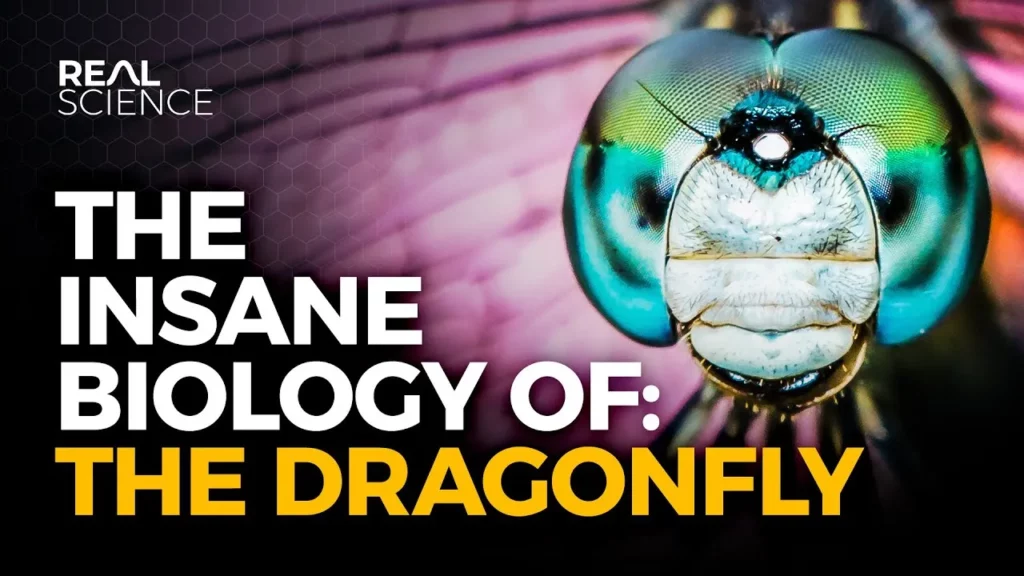
The lesson explores the remarkable biology and hunting prowess of dragonflies, highlighting their nearly perfect aerial hunting success rate compared to other predators. It delves into their ancient lineage, unique anatomy, exceptional flight capabilities, and advanced vision, which together enable them to effectively capture prey. Additionally, the lesson touches on the evolutionary reasons for their size reduction over time and their influence on technological advancements in robotics.
The Insane Biology of: Ant Colonies
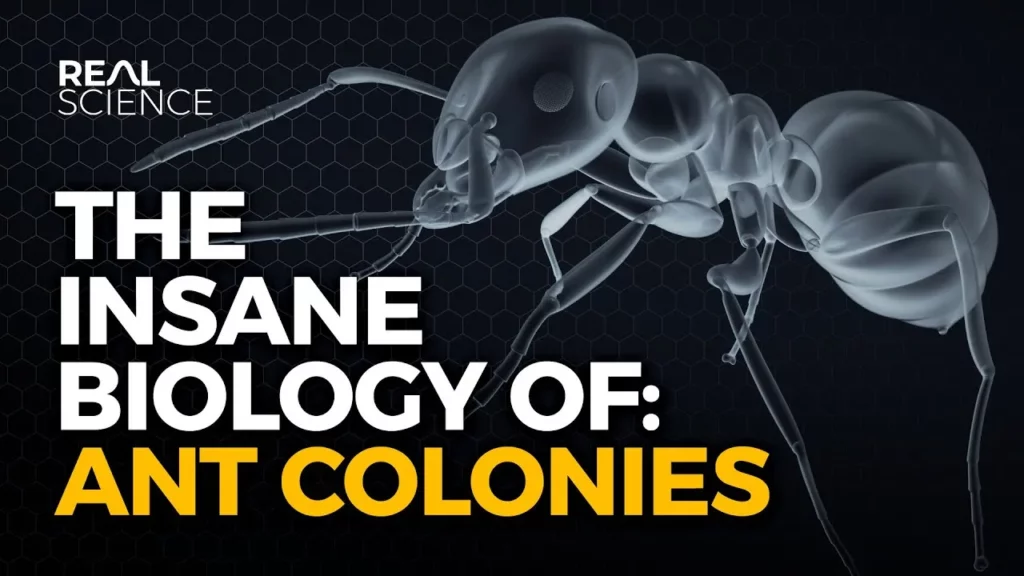
The lesson explores the remarkable biology and social structure of ant colonies, highlighting their ecological dominance and complex behaviors. Ants, with a population rivaling that of humans, operate as a superorganism, where the queen and worker ants collaborate through sophisticated communication methods, such as pheromones. This intricate social system not only showcases their evolutionary success but also offers valuable insights into cooperation and societal structures, drawing parallels to human society.
The Insane Biology of: The Narwhal
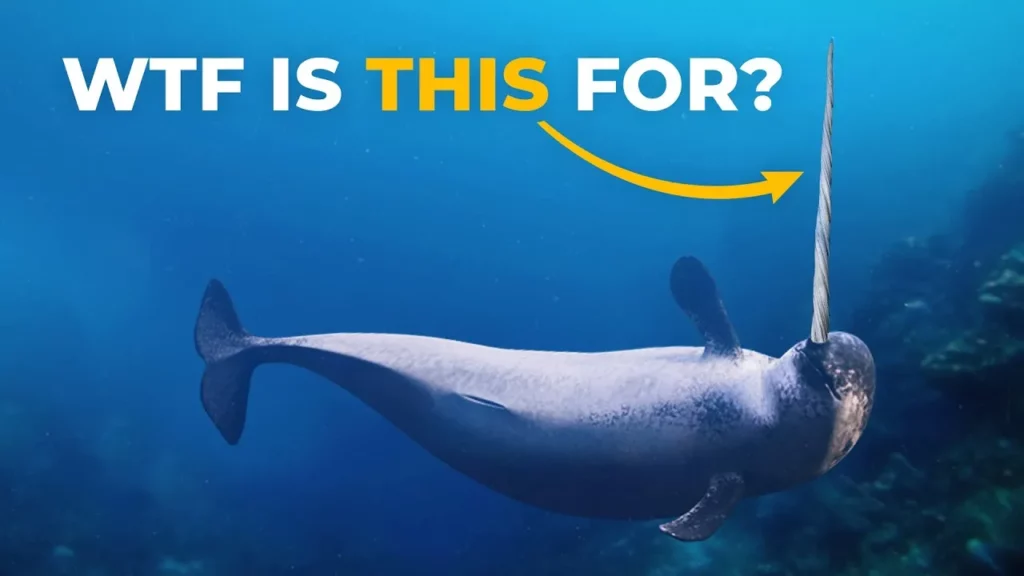
The lesson explores the fascinating biology of the narwhal, a unique marine creature known for its long, spiraling tusk, which is actually an elongated tooth. Historically mistaken for a magical horn, the tusk serves various potential functions, including sensory abilities related to water salinity and possibly playing a role in mating displays. Narwhals are remarkable divers, capable of reaching great depths, and exhibit complex social behaviors, highlighting the intricate evolutionary processes that shape their existence.
How to Bring an Extinct Animal Back to Life
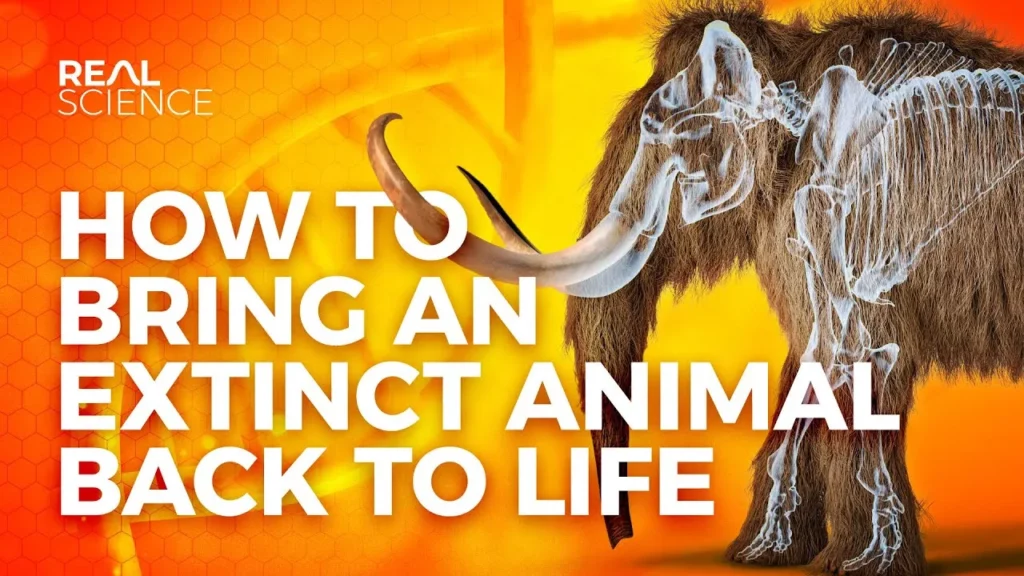
The lesson explores the concept of de-extinction, the process of reviving extinct animal species, which is becoming increasingly feasible due to advancements in genetic engineering and cloning. It discusses the potential benefits of de-extinction, such as restoring biodiversity and learning from extinct species, while also addressing the challenges and ethical considerations involved in bringing back these animals. Ultimately, the lesson highlights the importance of balancing de-extinction efforts with conservation to mitigate the ongoing loss of species.
The Secrets of the Oldest Footprints Ever Found
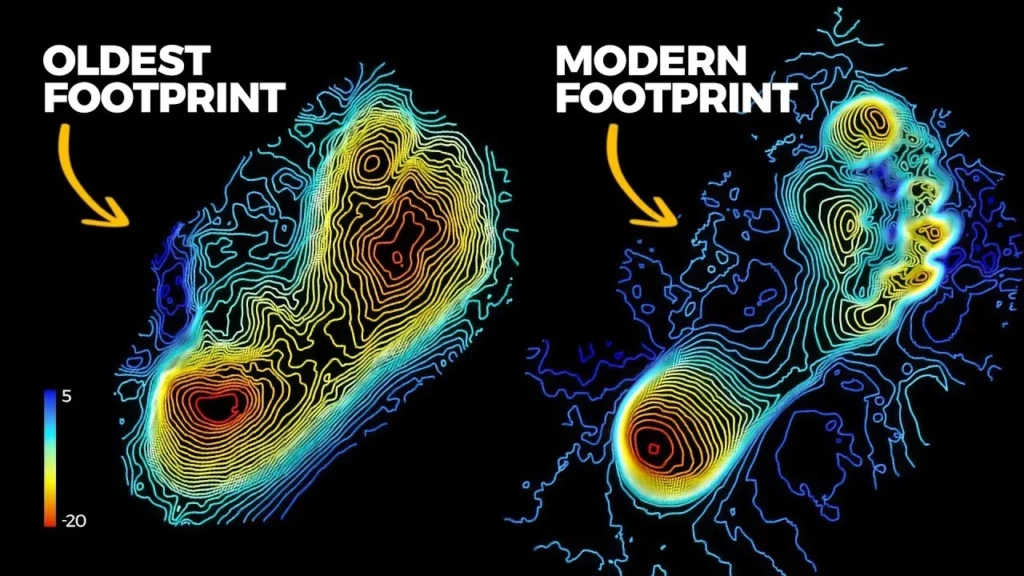
The lesson explores the evolutionary journey of humans, highlighting key discoveries that have shaped our understanding of human ancestry, such as the identification of ancient species like Homo neanderthalensis and Homo erectus. It emphasizes the significance of bipedalism, evidenced by ancient footprints found in Tanzania, as a crucial adaptation that preceded the development of larger brains, and discusses various theories regarding the reasons for this shift. Ultimately, the lesson underscores the complex adaptations that have led to the emergence of modern humans as a unique and influential species.