
Why Do Deep Sea Creatures Evolve Into Giants?
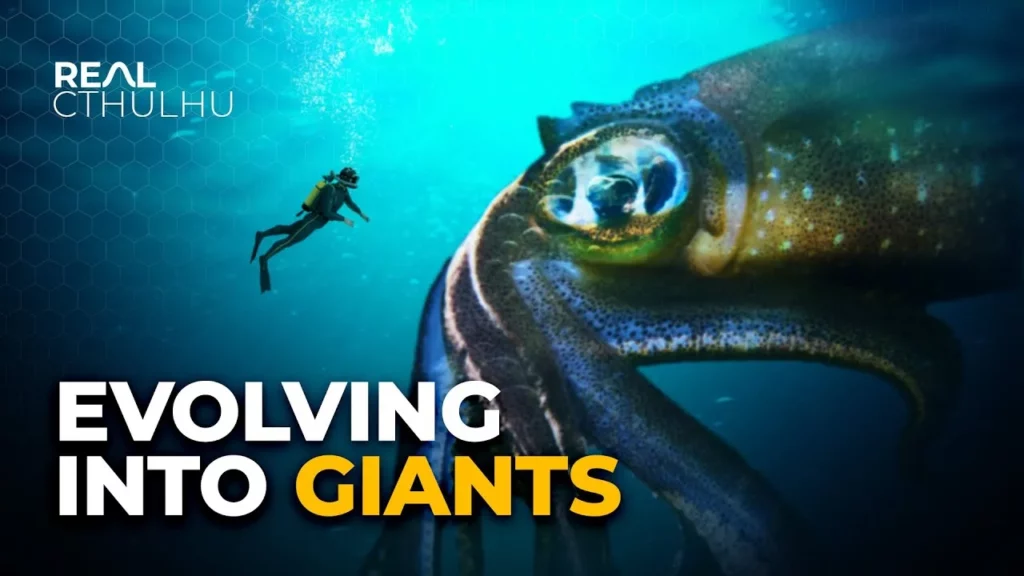
The lesson explores the fascinating phenomenon of deep-sea gigantism, where certain creatures evolve to become significantly larger than their shallow-water relatives due to factors like food scarcity, predator avoidance, and the cold, high-pressure environment of the deep ocean. It highlights various deep-sea giants, such as the giant squid and colossal squid, and discusses the ecological importance of these creatures, emphasizing the need for their protection amidst threats like overfishing and climate change. Understanding these adaptations and the unique ecosystems they inhabit is crucial for preserving the health of our planet.
When Your Eyes Can’t See, but Your Brain is Still Watching
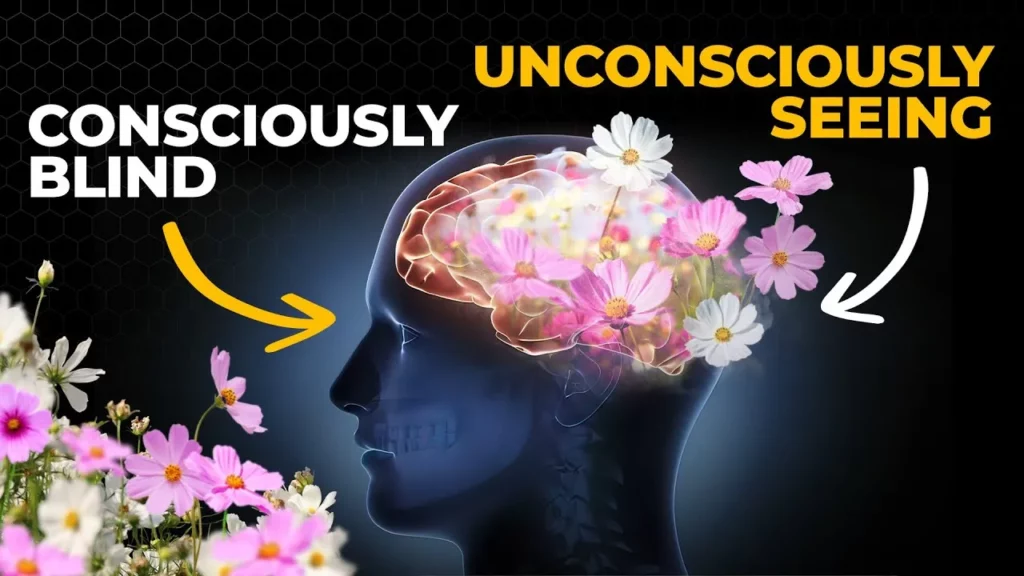
The lesson explores the critical role of vision in human perception and cognition, highlighting that while vision accounts for a significant portion of our sensory experience, the brain’s adaptability allows individuals without sight to develop enhanced abilities, such as echolocation. It discusses how the brain processes visual information and compensates for visual impairments, including phenomena like blindsight, where individuals can respond to visual stimuli without conscious sight. Additionally, ongoing research aims to find solutions for vision loss, showcasing the remarkable capabilities of the human brain.
The Insane Biology of: The Jesus Christ Lizard
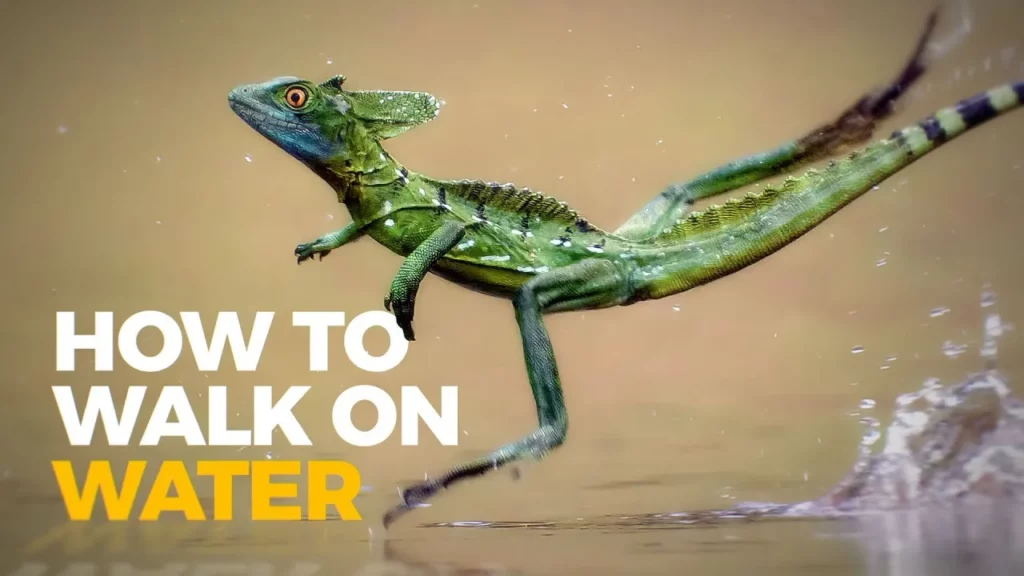
The lesson explores the remarkable abilities of the Basilisk Lizard, also known as the “Jesus Christ Lizard,” which can run on water due to its unique leg movements that create air pockets. While it uses this skill primarily for escaping predators, the lizard’s water-walking ability has inspired advancements in robotics, leading to the development of machines that can navigate both land and water. This fascinating intersection of biology and technology highlights how nature can inform and enhance human innovation.
Australia's Most Destructive Creature
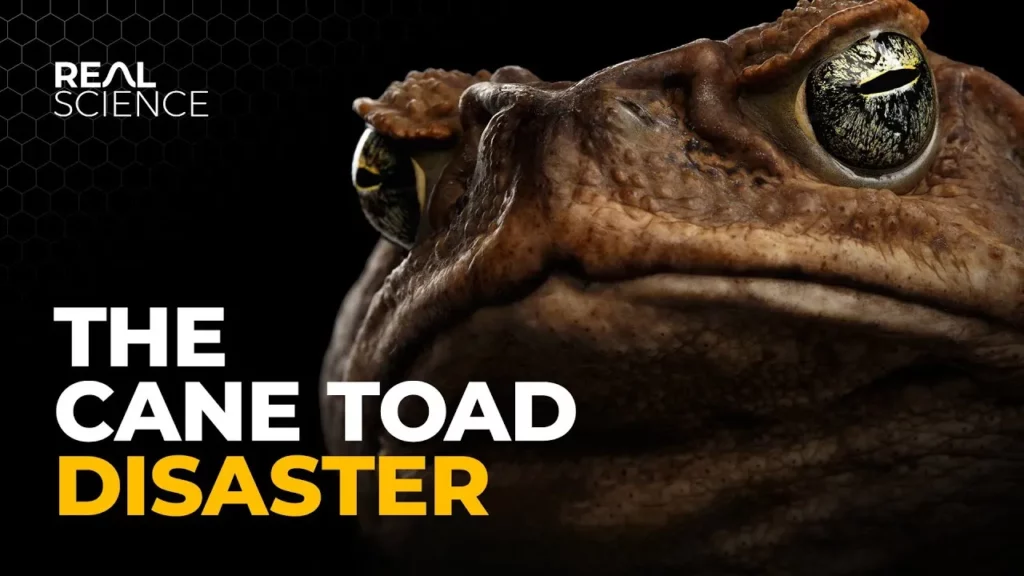
The lesson discusses the introduction of cane toads to Australia in the 1930s as a misguided attempt to control cane beetle populations, which led to severe ecological consequences. The cane toads, now an invasive species, have proliferated rapidly, threatening native wildlife and disrupting local ecosystems due to their toxic nature and high reproductive rates. This situation highlights the importance of understanding the impacts of invasive species and the need for responsible environmental management to protect biodiversity.
The Insane Biology of: The Sperm Whale
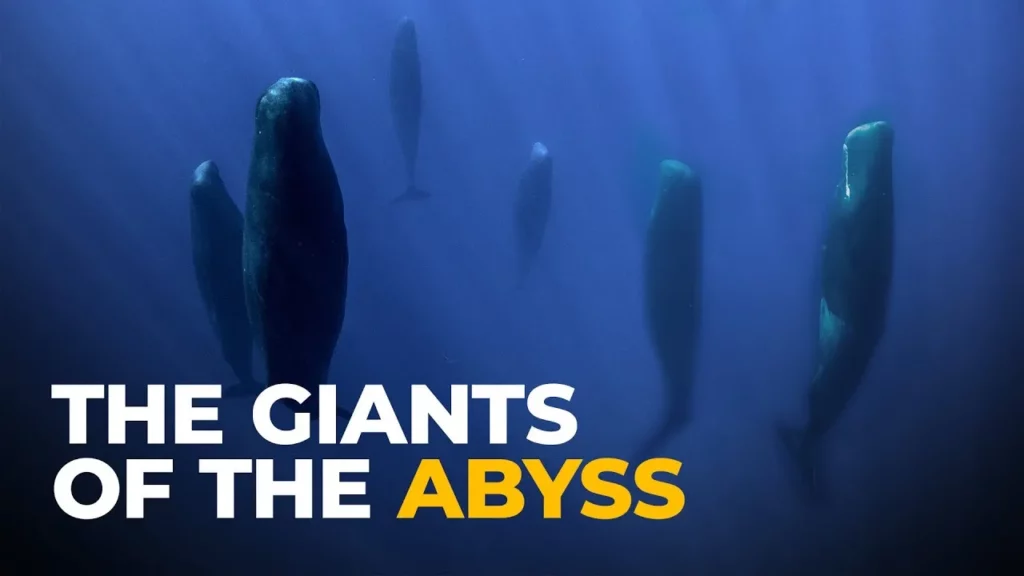
The lesson explores the fascinating biology and behavior of sperm whales, the largest toothed predators on Earth, known for their deep-diving abilities and complex social structures. These majestic creatures communicate using powerful clicks and are uniquely adapted to survive in extreme ocean depths, where they hunt giant squid and other deep-sea prey. Ongoing research aims to uncover more about their intelligence and social dynamics, highlighting the challenges faced by scientists studying these enigmatic giants of the ocean.
Why Horseshoe Crab Blood Is So Valuable
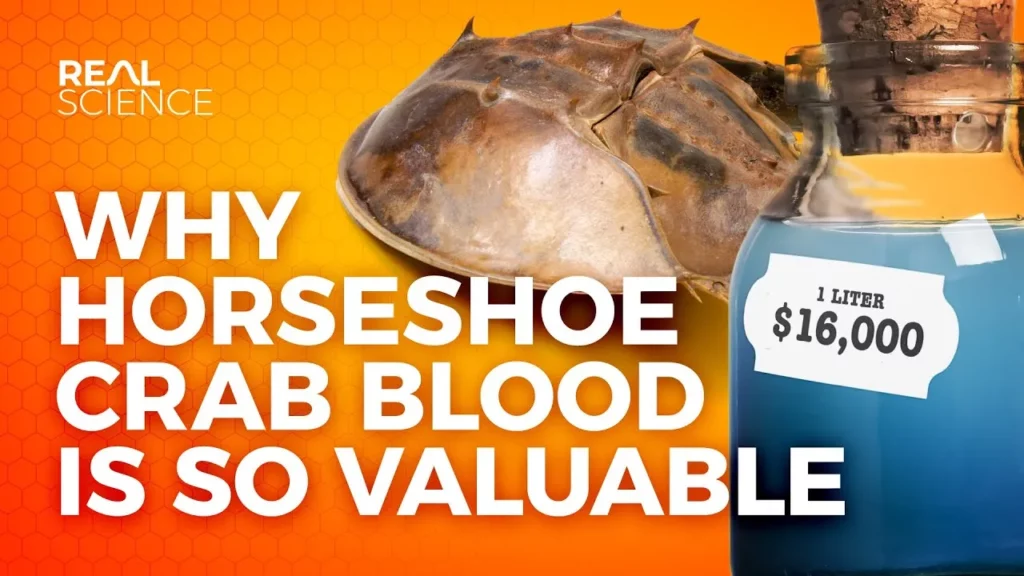
The lesson highlights the remarkable journey and ecological significance of horseshoe crabs, which have existed for 450 million years and possess unique blue blood that is crucial for the pharmaceutical industry. Their blood, used in the LAL test to detect bacterial toxins in medical products, is highly valuable but poses conservation challenges due to the impact of blood collection on their populations. Ongoing research aims to develop synthetic alternatives to reduce reliance on these ancient creatures while ensuring their survival and the health of the ecosystems that depend on them.
Why Evolution Hasn't Gotten Rid of Allergies
The lesson explores the perplexing nature of allergies, which, despite being seemingly harmful, may have evolved as protective mechanisms against parasites or toxins. It discusses how our immune system, particularly through the production of IgE antibodies, reacts to harmless substances like pollen and peanuts, leading to allergic symptoms. Ultimately, while allergies can pose serious health risks, they may also serve a complex role in safeguarding us from more significant threats.
The Insane Biology of: The Venus Flytrap
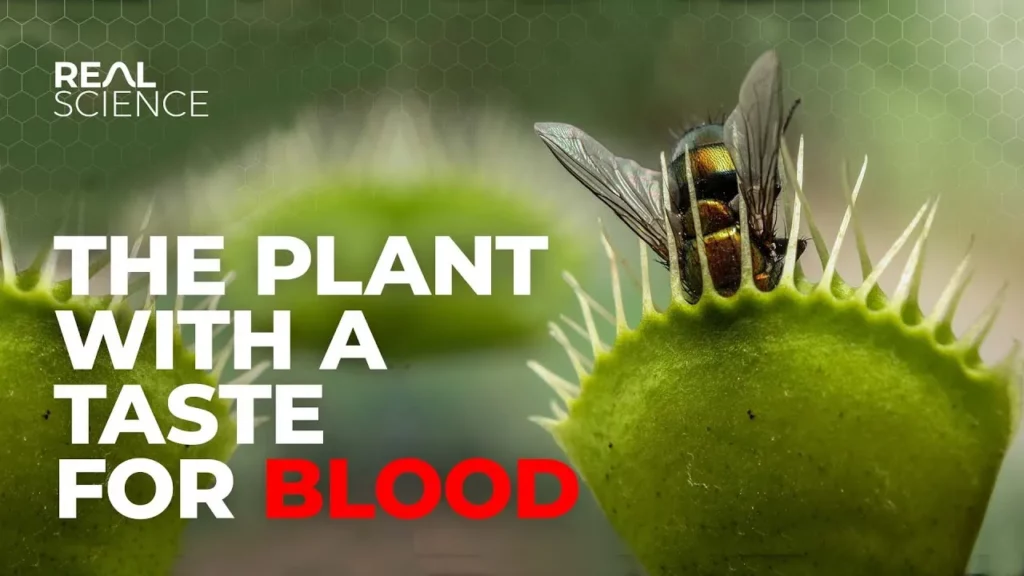
The lesson explores the unique biology and evolutionary adaptations of the Venus flytrap, a carnivorous plant that captures and digests insects to supplement its nutrient intake in nutrient-poor environments. It highlights the plant’s specialized trapping mechanism, which relies on electrical signals and sensory hairs, as well as the genetic adaptations that have allowed carnivory to evolve independently in various plant species. The lesson emphasizes the importance of understanding these mechanisms through advancements in genetics and computational biology.
Could the Cordyceps Fungus Really Take Over?
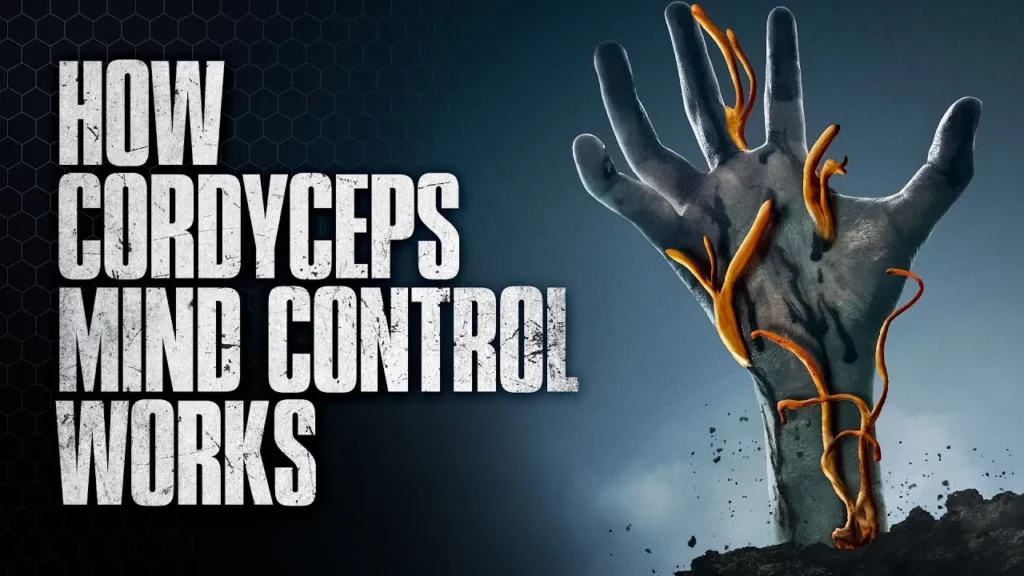
The lesson explores the intricate battle between ant colonies and parasitic fungi, particularly focusing on the fungus *Ophiocordyceps unilateralis*, which manipulates the behavior of infected carpenter ants to facilitate its own reproduction. Ants have developed various defense mechanisms to combat these infections, such as grooming and banishing sick members, but some fungi have evolved sophisticated strategies to outsmart these defenses. This dynamic relationship underscores the complex interactions within ecosystems and highlights the broader implications of parasitic influence, including potential effects on human behavior through parasites like *Toxoplasma gondii*.
The Insane Biology of: The Sunfish
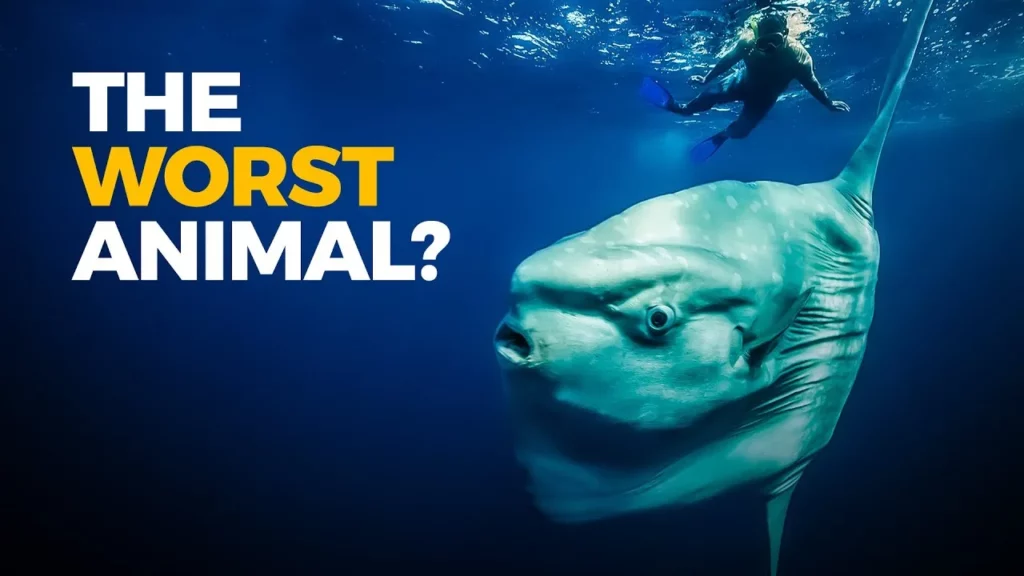
The lesson on the ocean sunfish, or mola, highlights its unique adaptations that enable it to thrive in marine environments despite its unusual appearance. Key features include its distinctive body shape, specialized swimming style, deep-diving behavior to hunt gelatinous plankton, and an extraordinary reproductive strategy that allows females to lay hundreds of millions of eggs. Overall, the sunfish exemplifies how unconventional traits can lead to success in the natural world.