
The Insane Biology of: The Seahorse
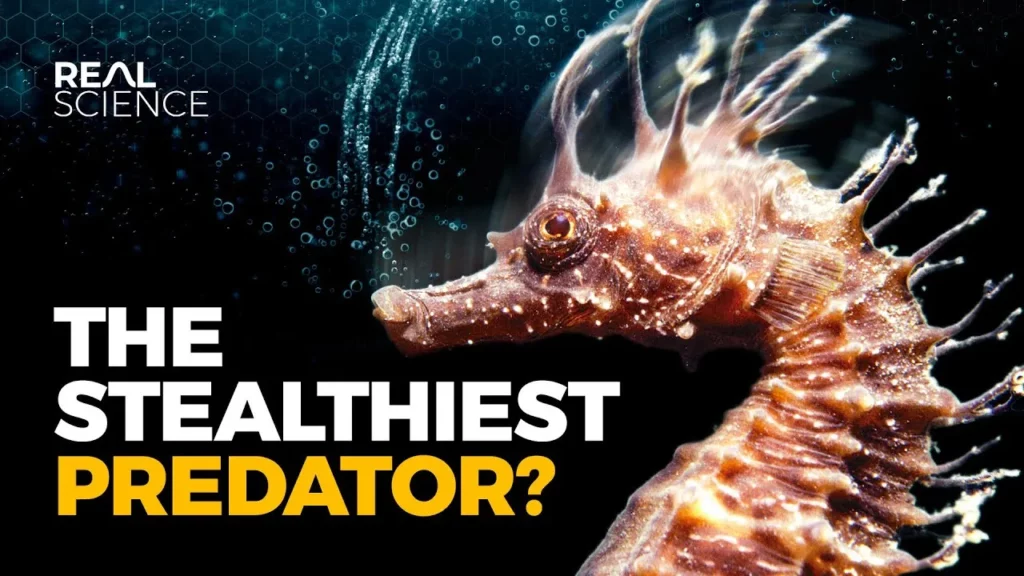
The lesson explores the fascinating biology and unique adaptations of seahorses, highlighting their impressive hunting success rate of over 90% compared to larger predators like sharks. It emphasizes the unusual reproductive role of male seahorses, who carry and give birth to young, as well as their specialized features such as independent eye movement and flexible armor that aid in survival and ambush hunting techniques. Overall, the lesson illustrates how evolution has shaped these remarkable creatures to thrive in their oceanic environments.
The Insane Biology of: Slime Mold
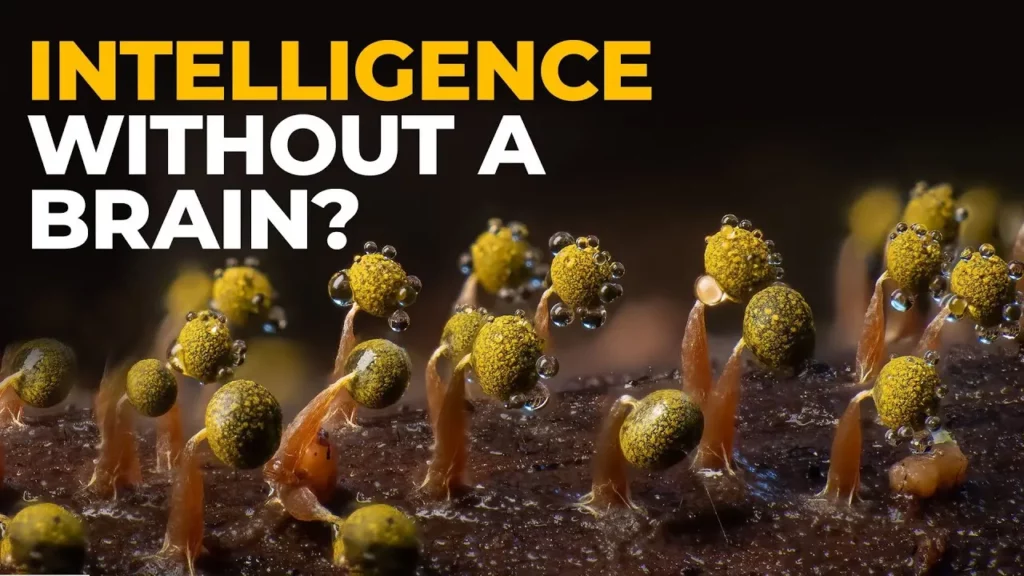
This lesson explores the remarkable biology and problem-solving capabilities of slime molds, simple single-celled organisms that exhibit complex behaviors akin to primitive intelligence. Despite lacking a brain, slime molds can navigate mazes, optimize transportation networks, and even inspire algorithms for computer technology, showcasing their potential as a valuable resource for solving real-world challenges. Their unique traits and abilities highlight the fascinating intersection of biology and technology, suggesting innovative applications in various fields.
The Insane Biology of: Humans

The lesson explores the unique biological traits of humans that set us apart from other animals, despite not being the fastest or strongest. Key adaptations such as our ability to throw accurately, dive deeply, and thrive at high altitudes highlight our evolutionary advantages. The lesson concludes by emphasizing that human evolution is ongoing, and our future capabilities remain unpredictable.
The Insane Biology of: Kangaroos
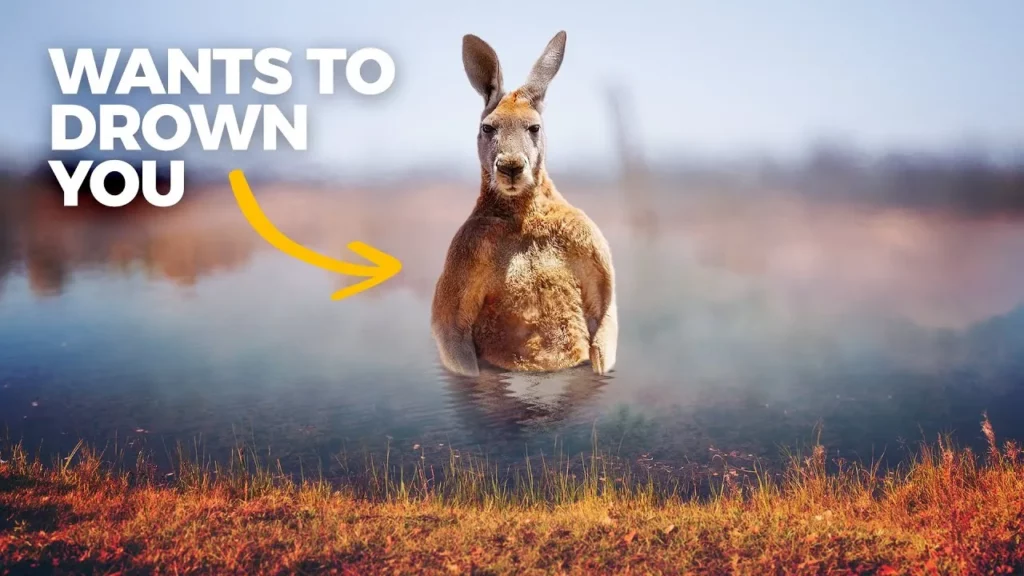
The lesson explores the fascinating biology and behavior of kangaroos, highlighting their surprising aggression despite their herbivorous nature. It discusses their unique adaptations, such as efficient hopping and a specialized digestive system, as well as their combat skills that can pose risks to humans. Additionally, the lesson emphasizes the importance of maintaining a safe distance from kangaroos in the wild and the role of mathematics in understanding animal behavior and ecosystems.
Why This Is the Deadliest Venom in the World
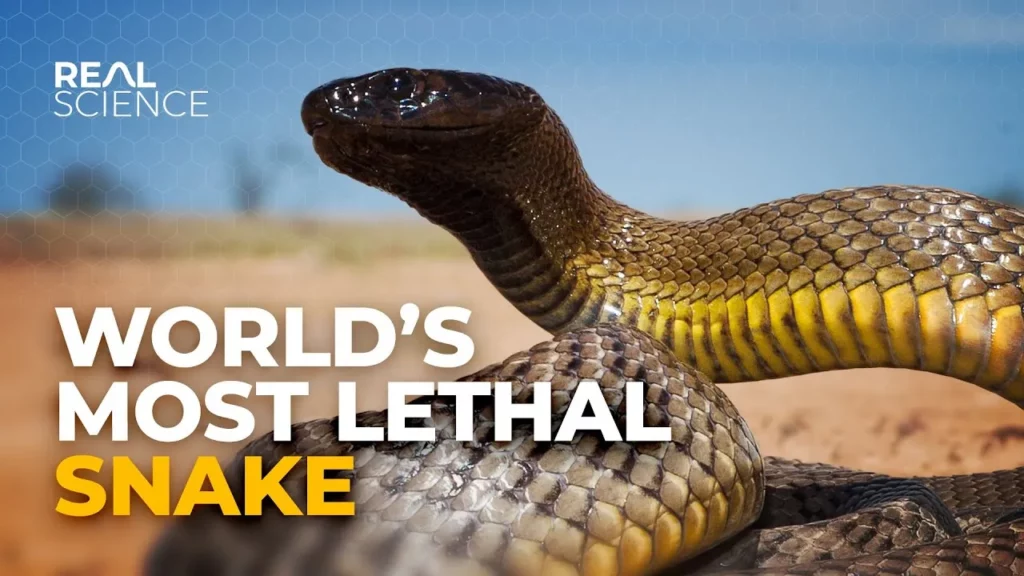
The lesson explores the inland taipan, the world’s most venomous snake, highlighting the extreme potency of its venom, which is significantly more lethal than that of other snakes. It discusses the evolutionary adaptations that led to the development of such powerful venom, enabling the inland taipan to effectively immobilize and digest its prey. Understanding the biology and unique characteristics of the inland taipan not only underscores its danger but also enhances our appreciation for the complexities of nature.
Why Crows Are as Smart as 7 Year Old Humans
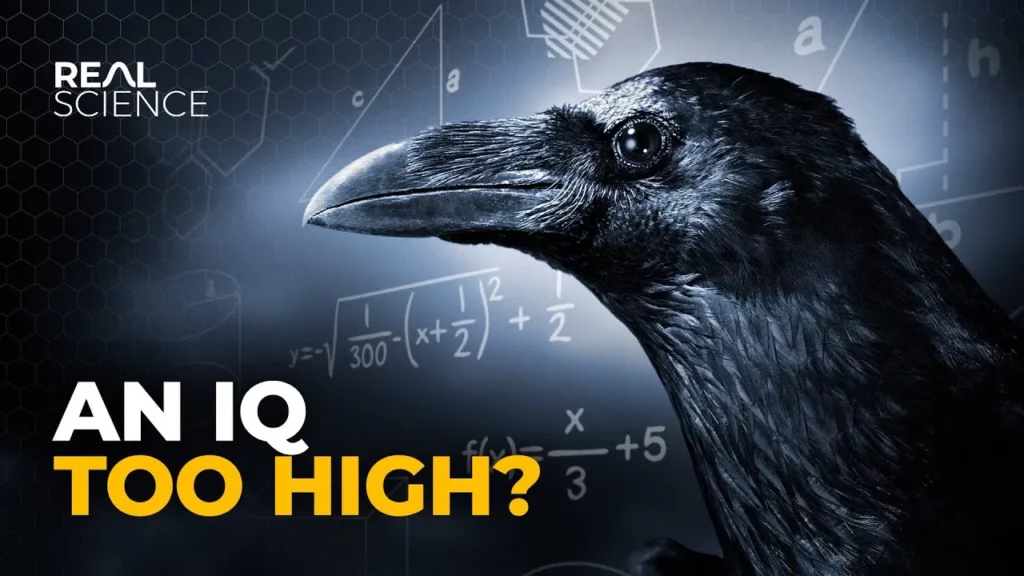
The lesson explores the remarkable intelligence of crows, particularly the New Caledonian crow, which exhibits problem-solving skills comparable to those of seven-year-old humans. Crows demonstrate advanced abilities such as tool-making, future planning, and social learning, which are enhanced by their unique brain structure and extended parental care. By studying these intelligent birds, scientists gain insights into brain development and the nature of intelligence across species.
Why periodical cicadas are the weirdest insect
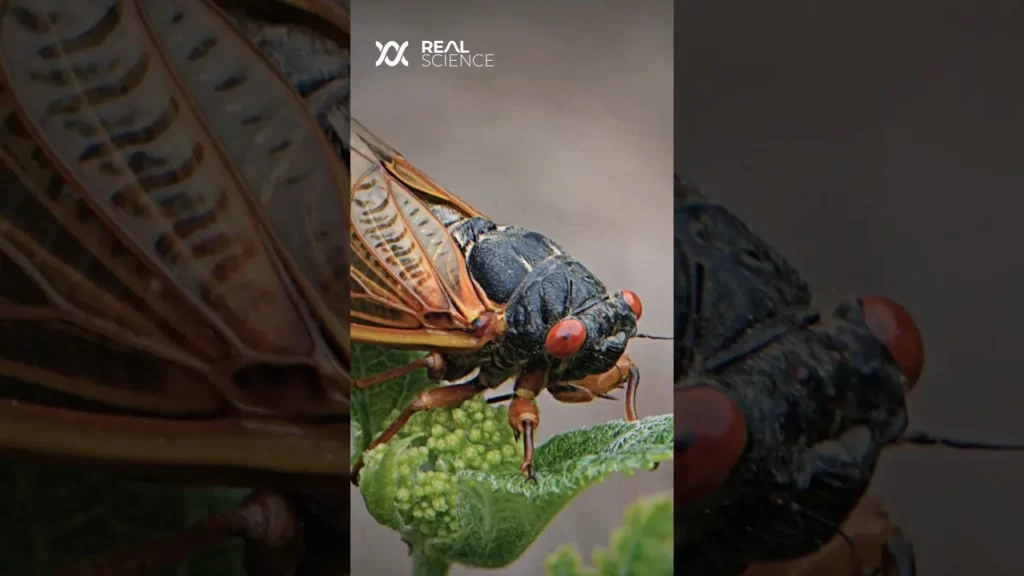
The lesson explores the unique life cycle of periodical cicadas, a group of insects that spend 13 to 17 years underground before emerging in massive numbers for a synchronized event. Their long underground development, during which they feed on tree root fluids, culminates in a spectacular emergence that overwhelms predators and ensures their survival. This fascinating phenomenon highlights themes of patience, survival, and the wonders of nature.
The Secret Language of Trees
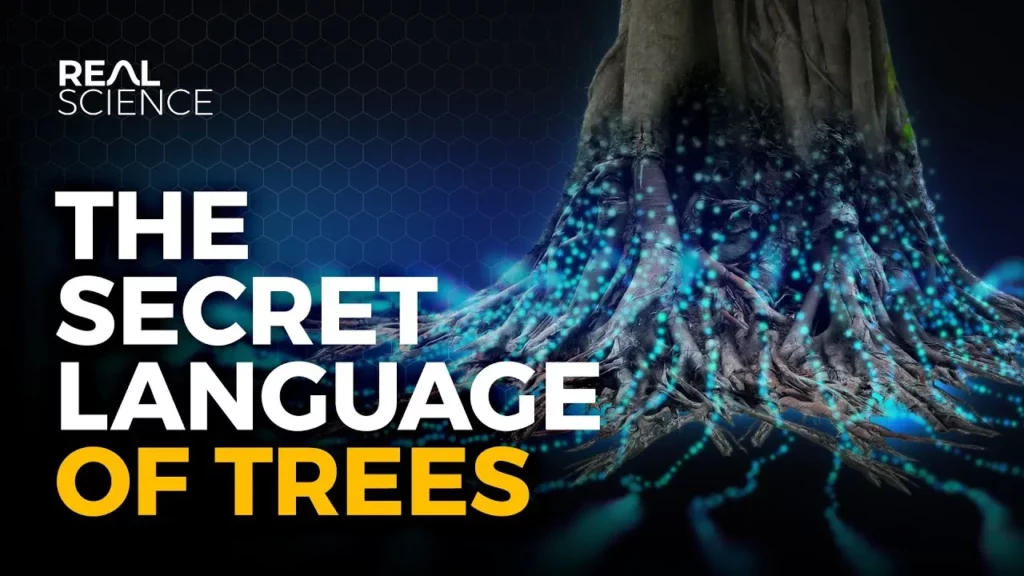
The lesson “The Secret Language of Trees” explores the complex and interconnected life of trees, highlighting their resilience and the vital roles they play in ecosystems. It reveals that trees communicate and share resources through underground mycorrhizal networks, challenging the notion of competition among them and emphasizing cooperation. The research of Suzanne Simard underscores the importance of “mother trees” in these networks, suggesting that preserving such trees can enhance forest health and resilience against climate change, with implications for sustainable forestry and agriculture practices.
The Weirdest Parasite on Earth
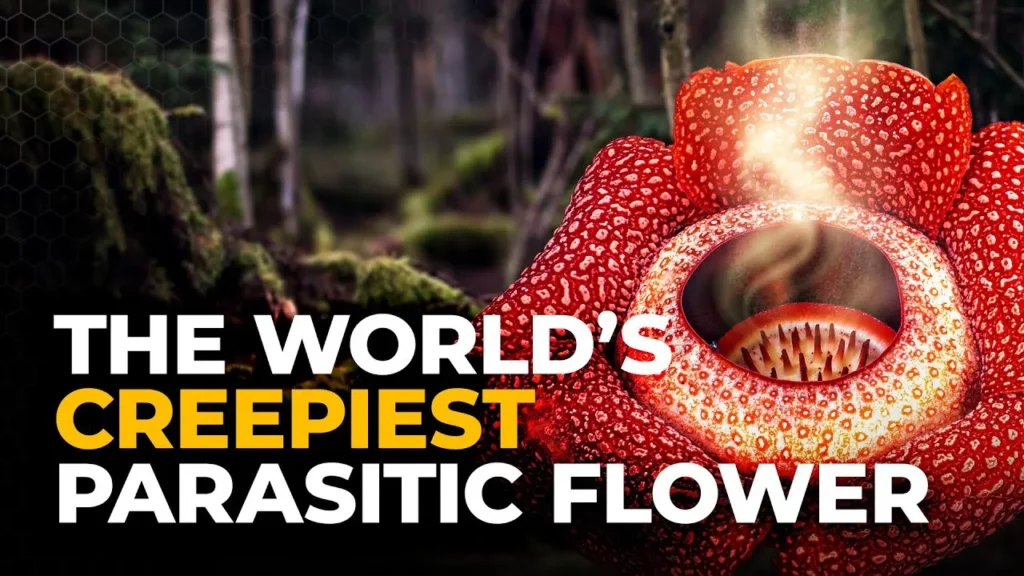
The lesson explores the fascinating and unusual Rafflesia plant, known for being the largest flower in the world and its strong odor reminiscent of decaying meat. This parasitic plant thrives in the rainforests of Southeast Asia, relying on host vines for nutrients and moisture, while employing a unique strategy of attracting specific flies for pollination through its foul smell and spongy texture. Despite its rarity and the challenges in cultivating it, Rafflesia remains an iconic symbol of Indonesia and a subject of ongoing scientific research due to its intriguing evolutionary adaptations and potential medicinal properties.
Why Do Orcas Keep Sinking Boats?
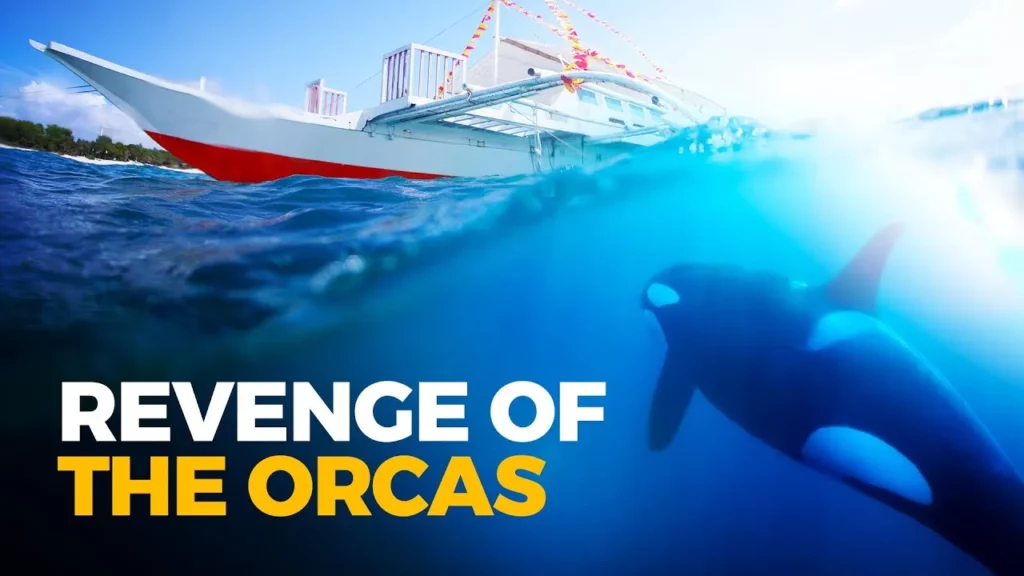
The lesson discusses the recent phenomenon of orcas attacking boats in the waters around Spain and Portugal, with over 500 incidents reported since May 2020, including several boats sinking. While some speculate on human-like motivations for these behaviors, scientists suggest that the orcas, particularly the critically endangered Iberian subpopulation, may be reacting to environmental changes or exploring their surroundings. The complex relationship between orcas and humans is highlighted, emphasizing the need for further understanding of these intelligent marine mammals and their interactions with human activities.