
Can Humans Breathe Liquid?
The lesson explores the concept of liquid breathing as a potential solution for deep-sea diving, addressing the challenges and dangers associated with traditional air breathing at great depths. While research has shown promise, particularly with perfluorocarbons (PFCs) for oxygen and carbon dioxide transport, practical applications remain limited due to difficulties in transitioning between liquid and air breathing, as well as psychological barriers. Additionally, the potential medical applications of liquid breathing for treating lung injuries and aiding premature infants are highlighted, showcasing its broader implications beyond diving.
The Incredible Way This Jellyfish Goes Back in Time
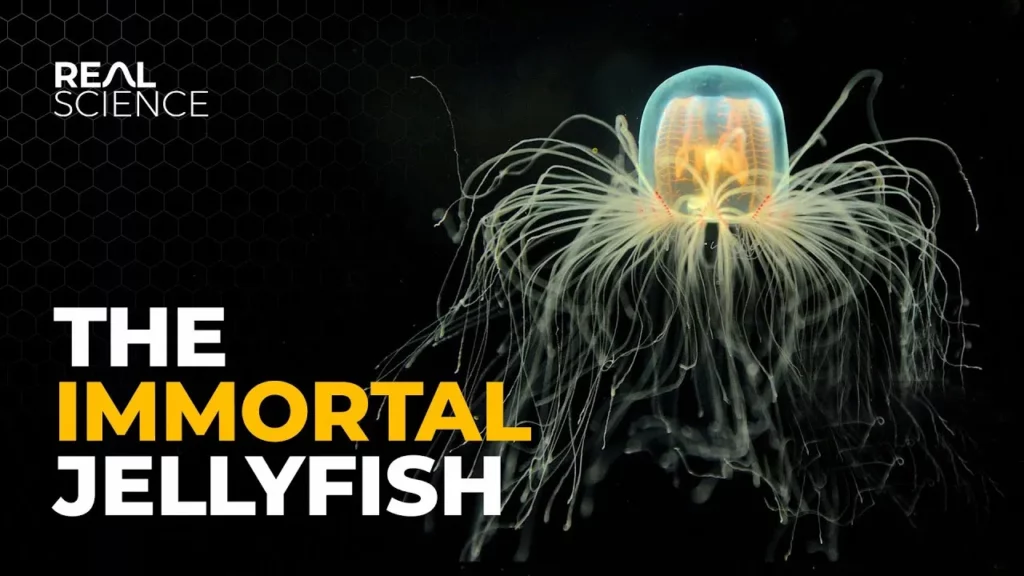
The lesson explores the remarkable capabilities of the jellyfish species *Turritopsis dohrnii*, known for its ability to revert to its juvenile form, effectively reversing the aging process and achieving a form of biological immortality. This discovery, made accidentally by researchers in the late 1980s, challenges traditional views on aging and cellular development, offering potential insights for treating age-related diseases in humans. By studying this jellyfish, scientists hope to uncover mechanisms that could lead to advancements in regenerative medicine and improved health outcomes.
When Killer Whales and Humans Hunted Together
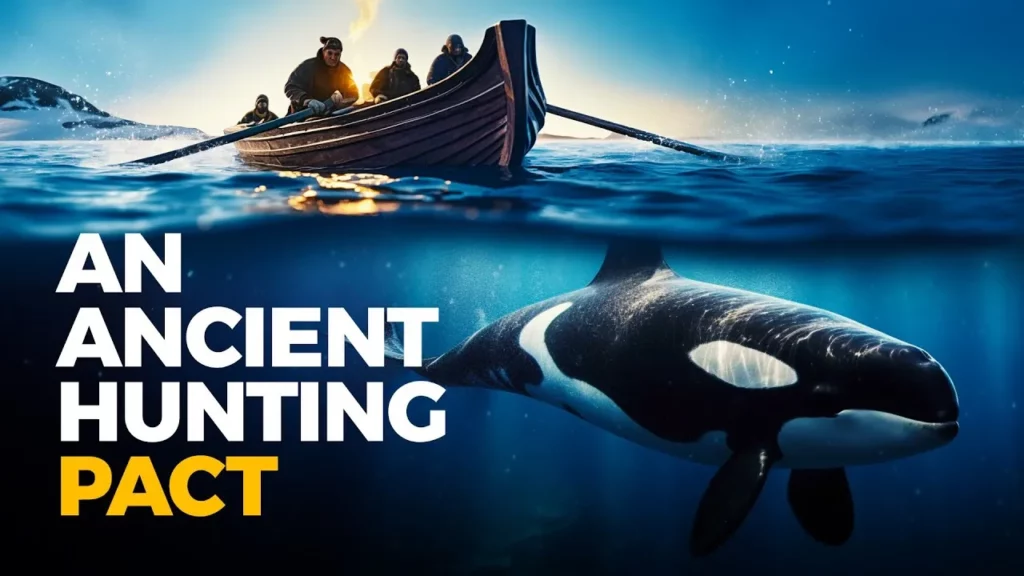
The lesson explores the historical partnership between humans and orcas, highlighting how they cooperated to hunt whales in Twofold Bay, Australia, before the decline of whale populations and the advent of commercial whaling disrupted this relationship. The narrative emphasizes the mutual benefits of this collaboration, particularly through the story of Old Tom, a notable orca that aided human hunters. Ultimately, the lesson reflects on the consequences of broken trust and the importance of respecting nature, suggesting that understanding these ancient interactions can provide valuable insights for contemporary human-animal relationships.
How Super Tornadoes Are Born
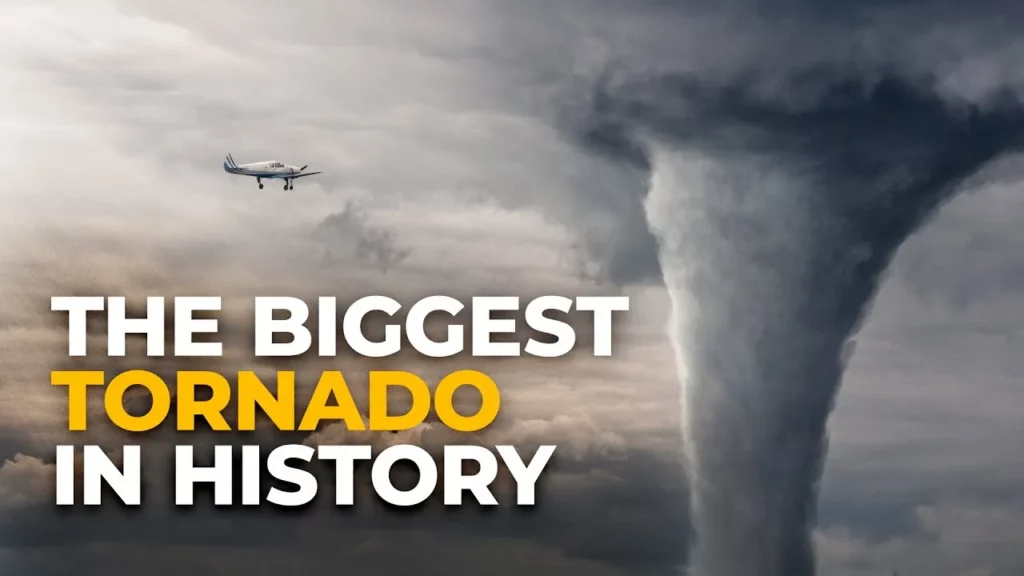
The lesson on how super tornadoes are born explains the formation and characteristics of tornadoes, emphasizing the role of supercells and wind shear in their development. It highlights the challenges of predicting tornadoes, the advancements in technology for better detection and warning systems, and the importance of staying informed about severe weather to enhance safety. Additionally, it discusses historical tornado events and their impact, underscoring the need for ongoing research to improve forecasting accuracy.
The largest tornado outbreak in history
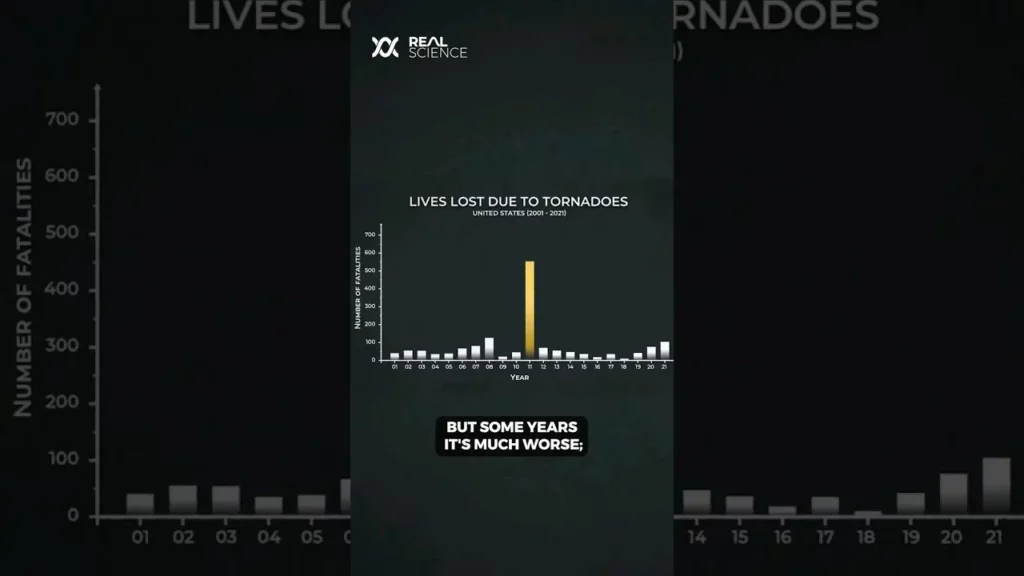
The lesson discusses the prevalence and impact of tornadoes in the United States, highlighting that the country experiences more tornadoes than all other nations combined, including the occurrence of violent tornadoes. It emphasizes the devastating effects of the 2011 Super Outbreak, which resulted in significant damage and loss of life, and explains the conditions that lead to tornado formation, as well as safety measures to take during such storms. Understanding these aspects is crucial for recognizing the dangers posed by tornadoes and ensuring personal safety.
The shocking diversity of praying mantises
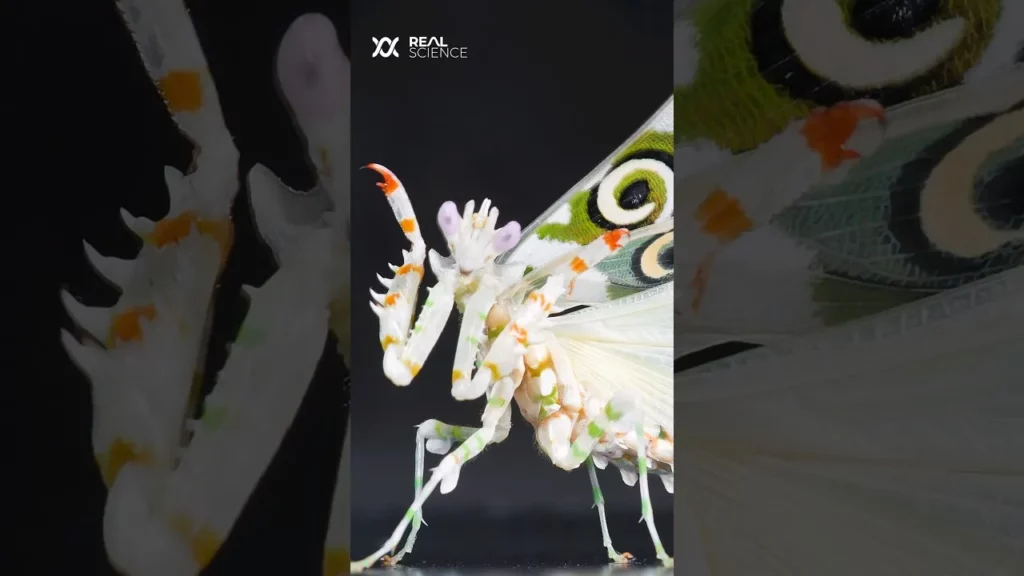
The lesson highlights the incredible diversity of praying mantises, with over 2,400 species belonging to 33 families and 460 genera. It explores their unique characteristics, such as size variations from the tiny Bulbous Mantis to the hefty West African Mega Mantis, and explains their hunting prowess and distinctive appearance, which resembles a praying posture. Additionally, it shares fun facts about their exceptional eyesight and global distribution, emphasizing their fascinating nature.
The surprising number of orca boat attacks
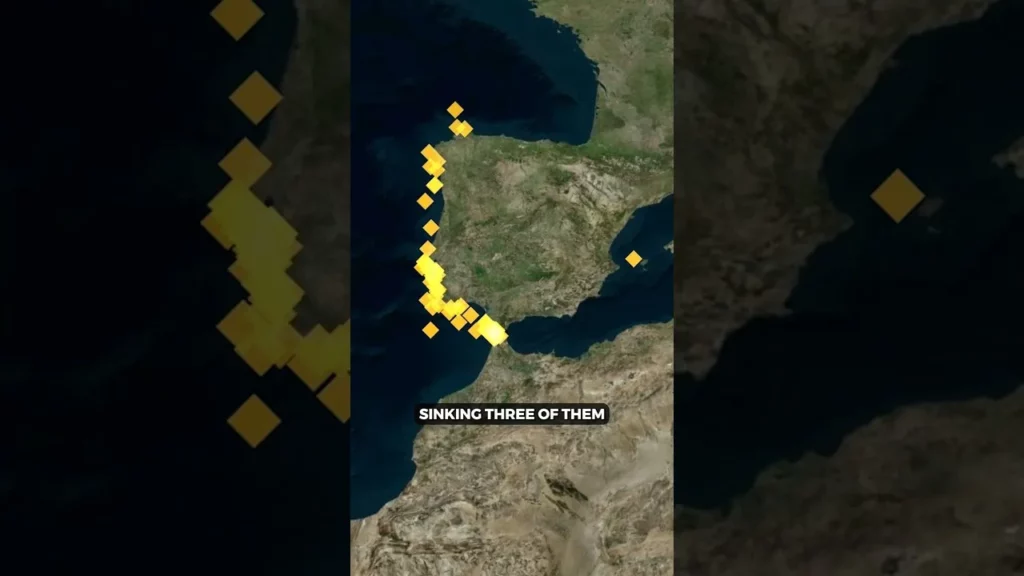
The lesson discusses the alarming rise in orca interactions with boats since May 2020, particularly around the Strait of Gibraltar, leading to vessel damage and raising questions about the reasons behind this behavior. These incidents have inspired a wave of internet memes that reflect societal concerns about wealth inequality and environmental issues, highlighting the need for greater awareness and action regarding climate change and marine conservation. Ultimately, the lesson emphasizes the importance of understanding orcas and their ecosystems while addressing the impact of human activities on marine life.
What happens during an orca boat attack
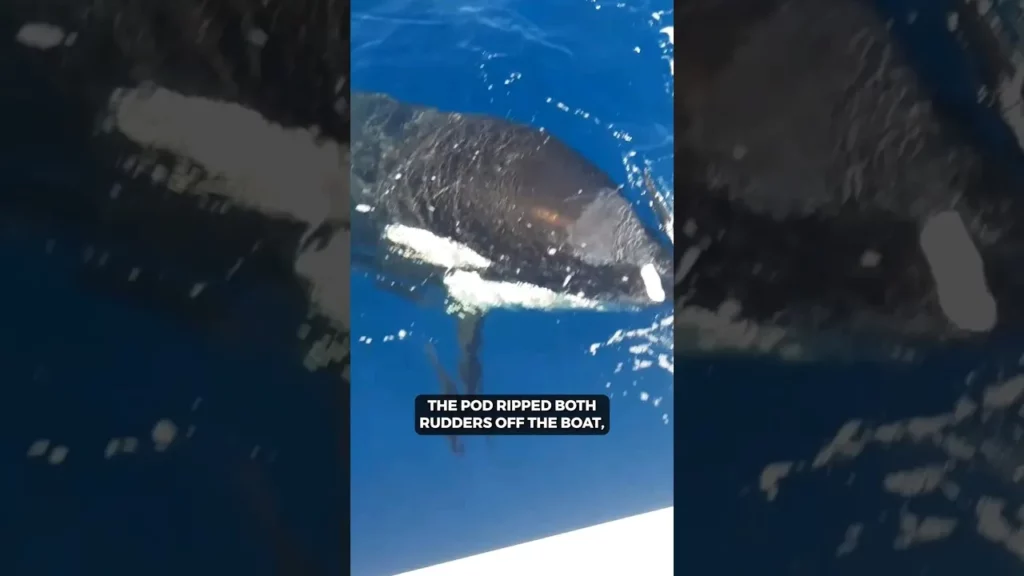
The lesson discusses recent orca attacks on boats near the Strait of Gibraltar, highlighting incidents where orcas caused significant damage to vessels, leading to rescues and even sinking. Researchers are investigating the reasons behind this unusual behavior, which may stem from learned actions, stress responses, or territorial defense. The lesson emphasizes the importance of understanding orca behavior to ensure the safety of both humans and these intelligent marine mammals, advocating for respectful coexistence with wildlife.
A narwhal horn is probably not what you think
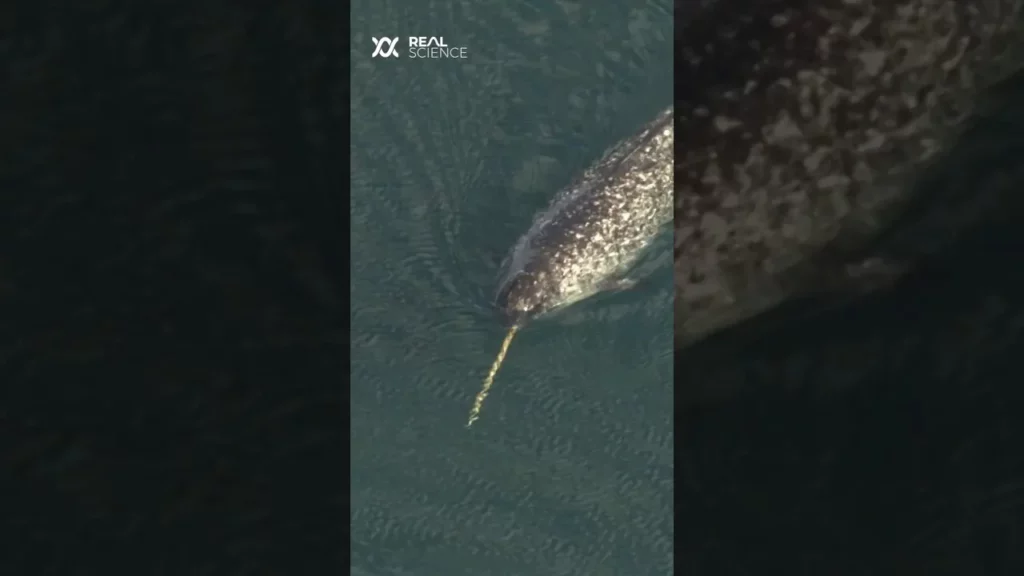
The lesson explores the fascinating reality of the narwhal, often mistaken for a mythical creature due to its long, spiraled tusk, which is actually a tooth. While the narwhal’s name, meaning “corpse whale,” may sound eerie, these remarkable animals play a vital role in the Arctic ecosystem and are adapted to thrive in their cold environment. Despite lacking the magical qualities attributed to unicorns, narwhals possess their own unique charm and significance in marine life.
How tardigrades really are invincible
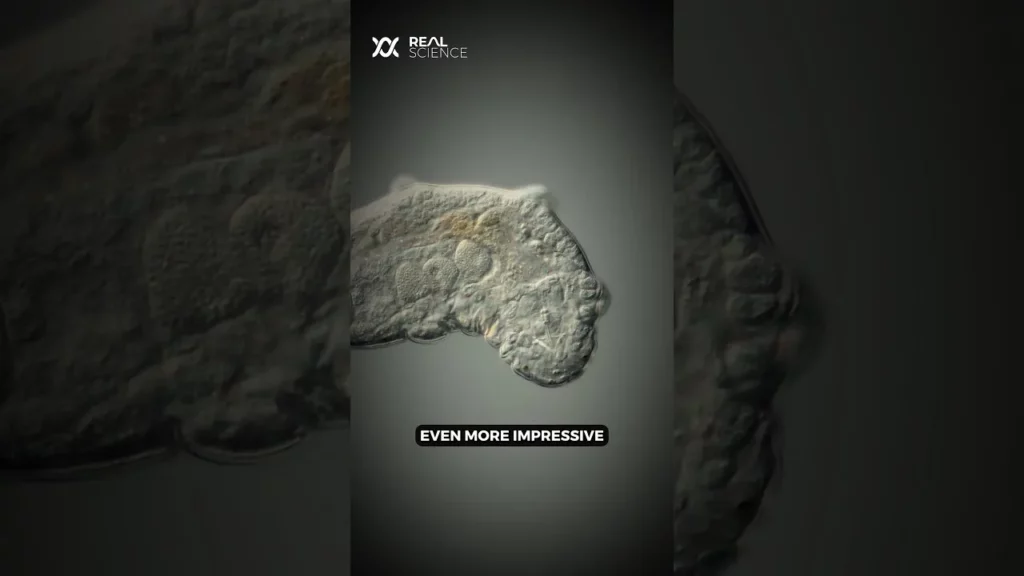
Tardigrades, often referred to as “water bears,” are remarkable tiny creatures known for their extraordinary resilience in extreme environments. They can survive extreme temperatures, from near absolute zero to over 300°F, by entering a state of suspended animation where their metabolism shuts down, allowing them to endure without food or water for decades. Studying tardigrades not only enhances our understanding of biology but also offers insights into the potential for life on other planets and strategies for protecting organisms in harsh conditions on Earth.