
Ching Shih: The Pirate Widow Menace of the South China Sea
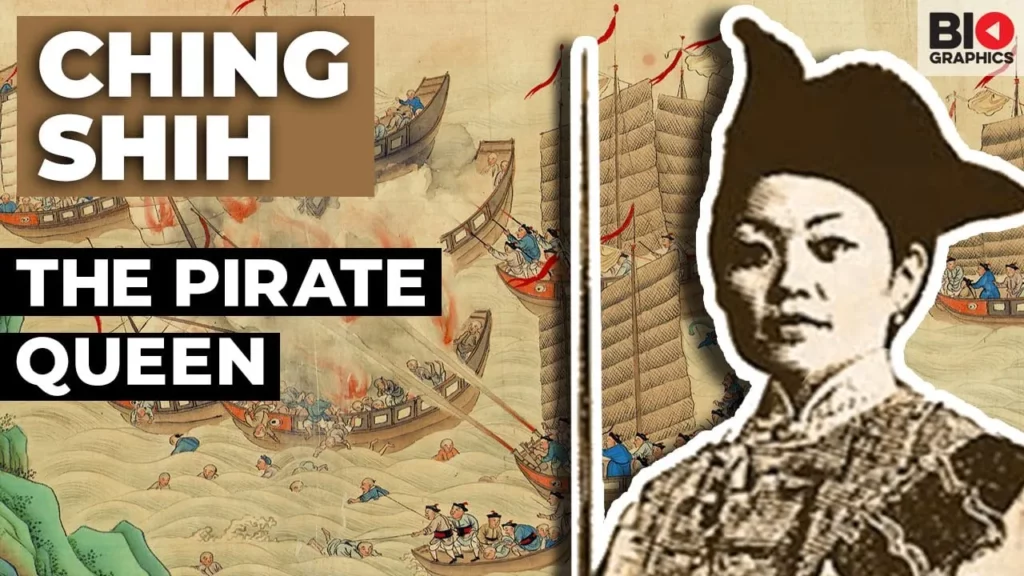
Ching Shih, a Chinese woman born around 1771, rose from humble beginnings to become one of the most formidable pirates in history, commanding a fleet of hundreds of ships and 70,000 men in the South China Sea. After taking over her late husband’s pirate empire, she skillfully combined piracy with legitimate trade, establishing a monopoly in the salt trade and negotiating a peaceful retirement with the Chinese government. Her legacy challenges traditional gender roles and highlights her strategic brilliance, leaving a lasting impact on history.
Oswald Mosley: Hitler’s Fascist Man in Britain

The lesson explores the life and political career of Oswald Mosley, a prominent yet controversial figure in British history who rose to fame in the early 1930s before embracing fascism. Initially seen as a potential great leader, Mosley’s shift towards extremist beliefs led to the founding of the British Union of Fascists, which ultimately resulted in public backlash and his political downfall. His story serves as a cautionary tale about the dangers of radical ideologies and the consequences of losing public support.
Roger Casement: The Compassionate Revolutionary
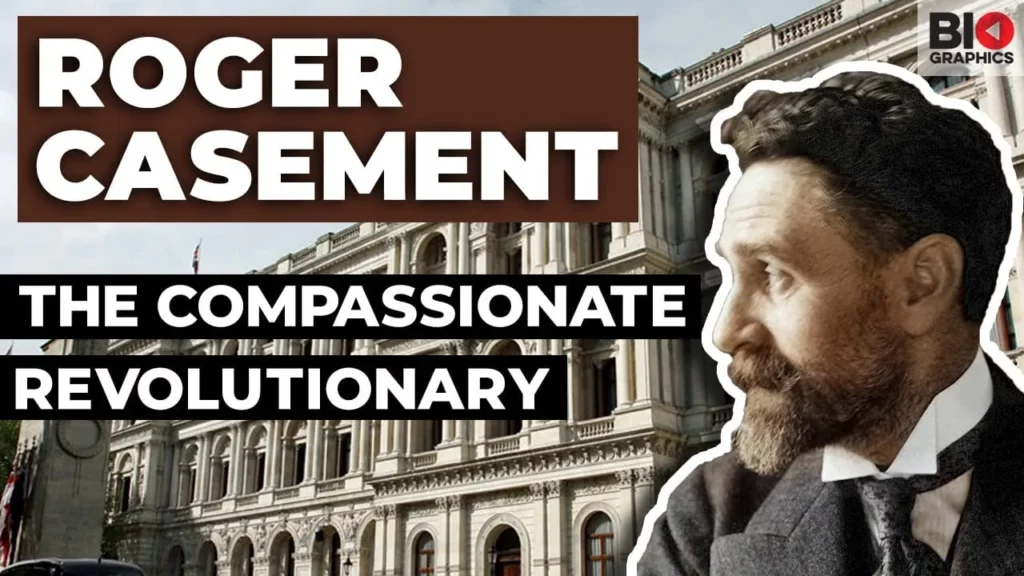
The lesson on Roger Casement highlights his journey from a humanitarian exposing colonial atrocities in Africa and Peru to a revolutionary seeking Irish independence. Despite initially earning accolades for his advocacy against exploitation, his later collaboration with Germany during World War I led to his execution for treason. Casement’s legacy as a compassionate revolutionary endures, inspiring future generations to confront injustice and fight for freedom.
Freddie Mercury: Bohemian Rhapsody

The lesson explores the life and legacy of Freddie Mercury, the iconic lead singer of Queen, highlighting his journey from a young boy in Zanzibar to a rock legend known for his flamboyant stage presence and unforgettable performances. It details his rise to fame with hits like “Bohemian Rhapsody,” his extravagant lifestyle, and his enduring impact on music and culture, culminating in his legacy as a trailblazer who continues to inspire generations even after his passing in 1991.
Stede Bonnet: The Gentleman Pirate

The lesson explores the intriguing life of Stede Bonnet, known as the “Gentleman Pirate,” who abandoned his privileged existence for a life of piracy in 1717. Despite his lack of sailing skills and the eventual betrayal by the infamous Blackbeard, Bonnet’s story is marked by his unique approach to piracy, including purchasing his own ship and hiring a crew. Ultimately, his journey reflects the complexities of human motivations and the consequences of defying societal norms, culminating in his capture and execution.
Jiang Qing: Blood and Revenge in the Cultural Revolution
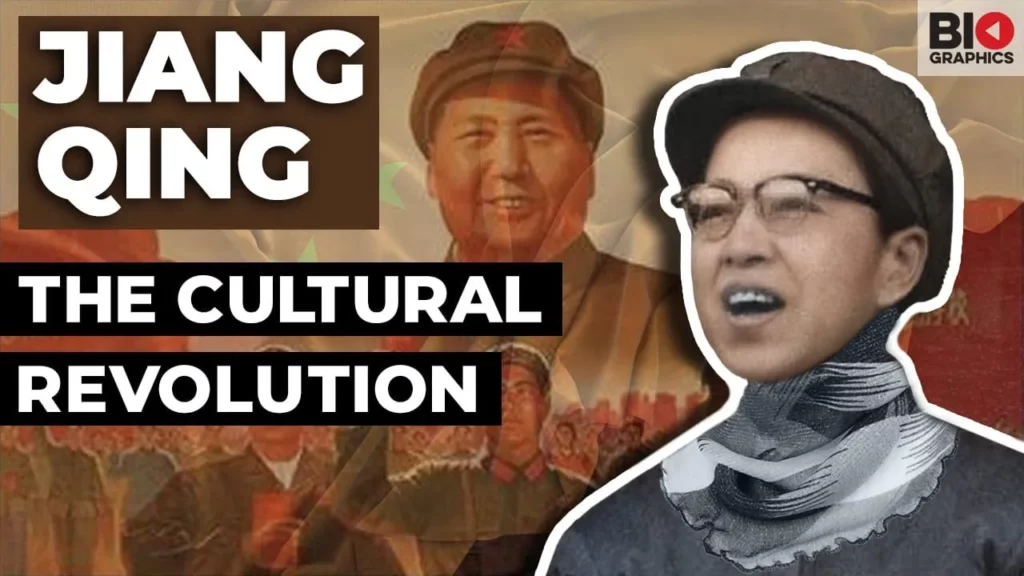
The lesson on Jiang Qing explores her significant yet controversial role as the fourth wife of Mao Zedong and a key figure in the Cultural Revolution, which led to widespread chaos and millions of deaths in China. Initially an aspiring actress, Jiang’s ambition propelled her into a position of power where she actively participated in purges and personal vendettas, ultimately earning her a legacy of infamy. Her story illustrates the complexities of power dynamics and the perilous consequences of unchecked ambition in a politically tumultuous environment.
Bugsy Siegel: The Mob Comes to Las Vegas

The lesson explores the life and legacy of Bugsy Siegel, a notorious gangster who played a pivotal role in the development of Las Vegas as a gambling hub. Born into poverty, Siegel rose through the ranks of organized crime, forming powerful alliances and engaging in various illicit activities. His ambitious vision for the Flamingo Hotel ultimately led to his downfall, culminating in his assassination, but his influence on Las Vegas remains a significant part of the city’s history.
Dr. Hans Münch: The Good Man of Auschwitz

The lesson focuses on Dr. Hans Münch, a compassionate figure at Auschwitz-Birkenau during World War II, who distinguished himself by treating prisoners with dignity and respect amidst the horrors of the concentration camp. Despite being part of the Nazi regime, Münch’s moral courage led him to refuse participation in inhumane practices and to actively protect the lives of prisoners, ultimately earning him acquittal at the post-war trials due to his benevolent actions. His story highlights the profound impact of individual choices and the enduring significance of compassion in the face of injustice.
Marquis de Lafayette: The Hero of Two Worlds
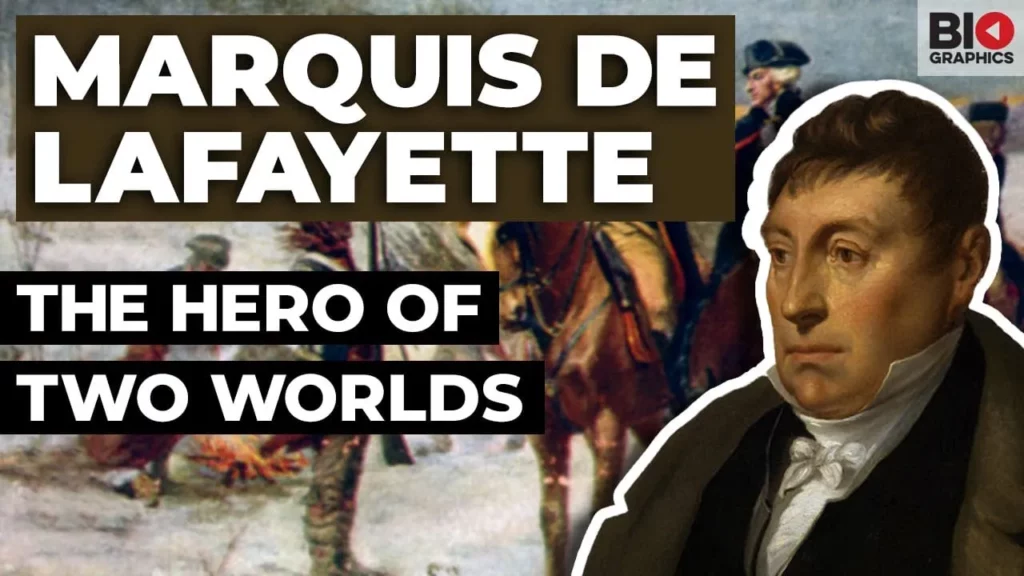
The lesson on the Marquis de Lafayette highlights his significant contributions to both the American and French Revolutions, showcasing his dedication to liberty and justice. Born into nobility in France, Lafayette became a key figure in the fight for independence in America and later played a crucial role in the French Revolution, despite facing political challenges and imprisonment. His legacy as a hero of two worlds is celebrated for his unwavering commitment to the ideals of freedom and his influence on the course of history.
Francis Drake: The Privateer and Explorer Extraordinaire
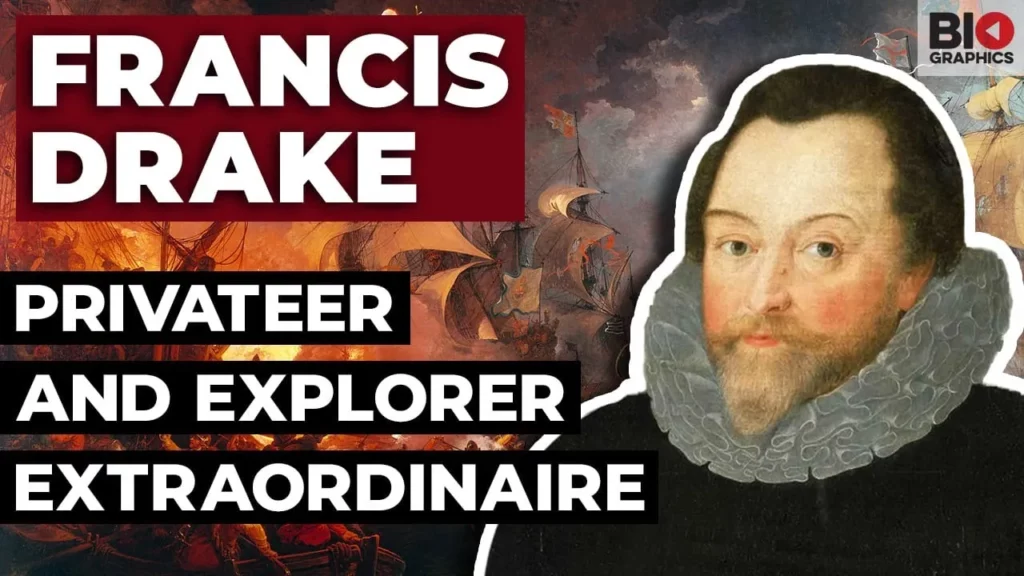
The lesson on Francis Drake highlights his dual legacy as both a celebrated English hero and a controversial figure in Spanish history. Born in the early 16th century, Drake rose to prominence as a skilled privateer and explorer, notably becoming the second person to circumnavigate the globe. While his achievements in maritime history are significant, they are overshadowed by his involvement in the slave trade and violent exploits, leaving a complex legacy that continues to provoke debate.