
The First Dynasty of Egypt: The Birth of a Civilization
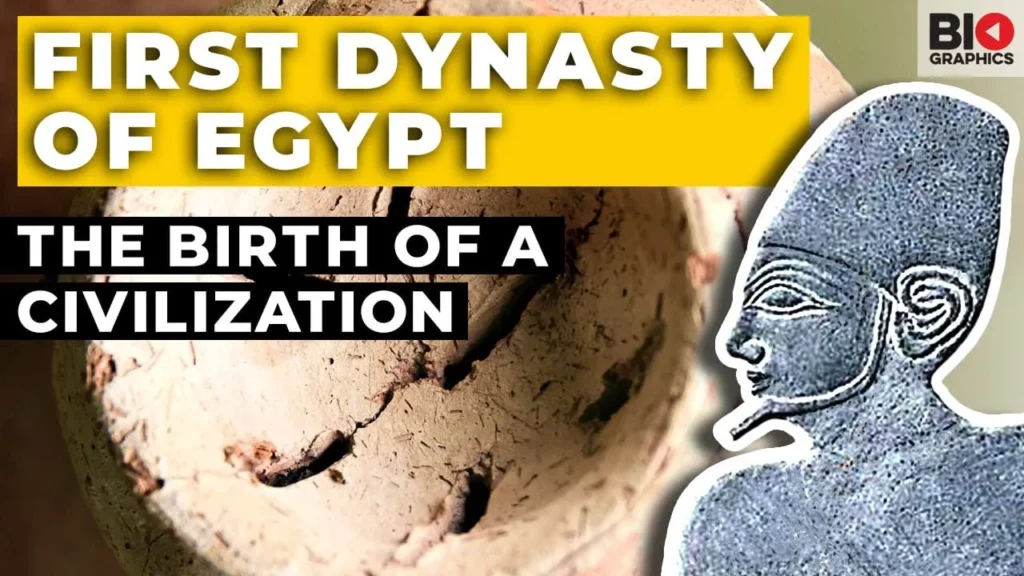
The First Dynasty of Egypt marked the beginning of a unified civilization around 3100 BC, attributed to the unification of Upper and Lower Egypt by Narmer, the first pharaoh. This period, characterized by significant figures such as Narmer, his queen Naithhotep, and successors like Hor-Aha and Den, laid the groundwork for Egypt’s political, social, and architectural advancements, despite facing challenges and mysteries. Ultimately, the First Dynasty established a legacy that would influence the course of history and the development of one of the world’s most remarkable civilizations.
F. Scott Fitzgerald: The Genius Behind The Great Gatsby
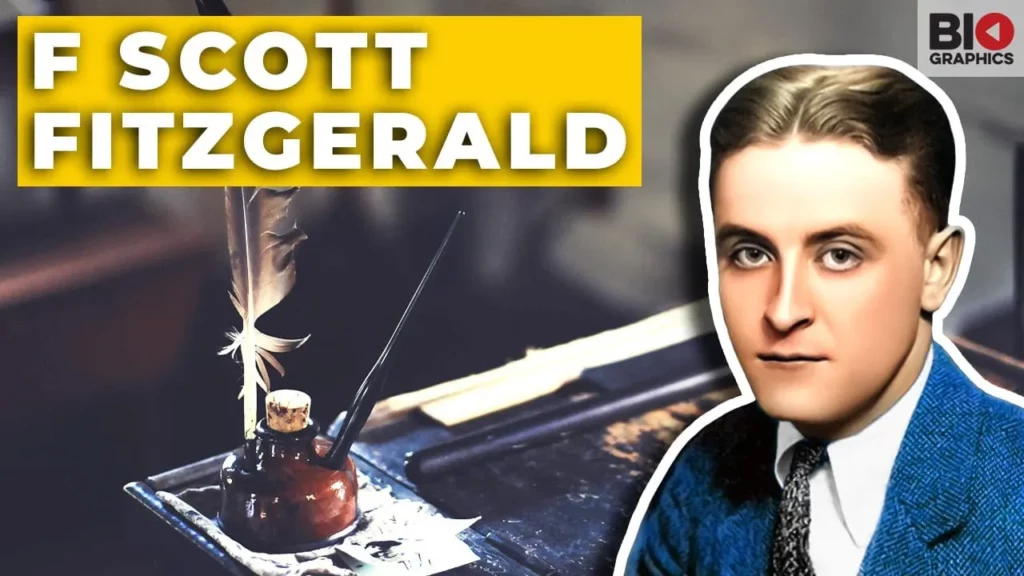
This lesson explores the life and literary contributions of F. Scott Fitzgerald, particularly focusing on his iconic novel, *The Great Gatsby*, which encapsulates the extravagance and disillusionment of the Roaring Twenties. It delves into Fitzgerald’s early struggles with social status, his tumultuous relationship with Zelda Sayre, and his rise to fame, while also highlighting the challenges he faced later in life, including financial instability and personal conflicts. Ultimately, Fitzgerald’s exploration of themes like the American Dream and social class continues to resonate, solidifying his legacy as a pivotal figure in American literature.
Peter Sutcliffe: Fake Notes, Bad Assumptions, and the Yorkshire Ripper’s Reign of Terror

The lesson discusses the chilling reign of terror caused by Peter Sutcliffe, known as the Yorkshire Ripper, in the late 1970s, highlighting the initial biases and missteps in the police investigation that allowed him to evade capture for years. It emphasizes the tragic consequences of these biases, particularly regarding the treatment of victims, and underscores the importance of thorough investigations and addressing societal issues related to violence against women. Ultimately, Sutcliffe’s capture in 1981 revealed significant flaws in law enforcement’s approach, prompting public outrage and reflection on the need for change.
Jean Harlow: Hollywood’s Original Blonde Bombshell

This lesson explores the life of Jean Harlow, Hollywood’s original blonde bombshell, who rose to fame in the early 1930s despite a challenging personal life marked by health issues and a tumultuous marriage. Born Harlean Carpenter, she transformed into a glamorous star after moving to Los Angeles and adopting her mother’s maiden name. Harlow’s legacy endures as a significant figure in cinema history, remembered for her beauty, talent, and the impact she made on the film industry before her untimely death at just 26.
Herbert Hoover: Beyond the Great Depression

The lesson on Herbert Hoover explores the complexities of his legacy, highlighting the contrast between his early humanitarian achievements and his presidency during the Great Depression. Initially celebrated for his success as a businessman and his relief efforts during World War I, Hoover’s inability to effectively manage the economic crisis ultimately tarnished his reputation, leading many to view him as one of the worst U.S. presidents. The lesson suggests a reevaluation of how we assess presidential legacies, advocating for recognition of both personal accomplishments and leadership failures.
Chevalier d’Éon: The Incredible Life of 18th Century France’s Genderbending Spy
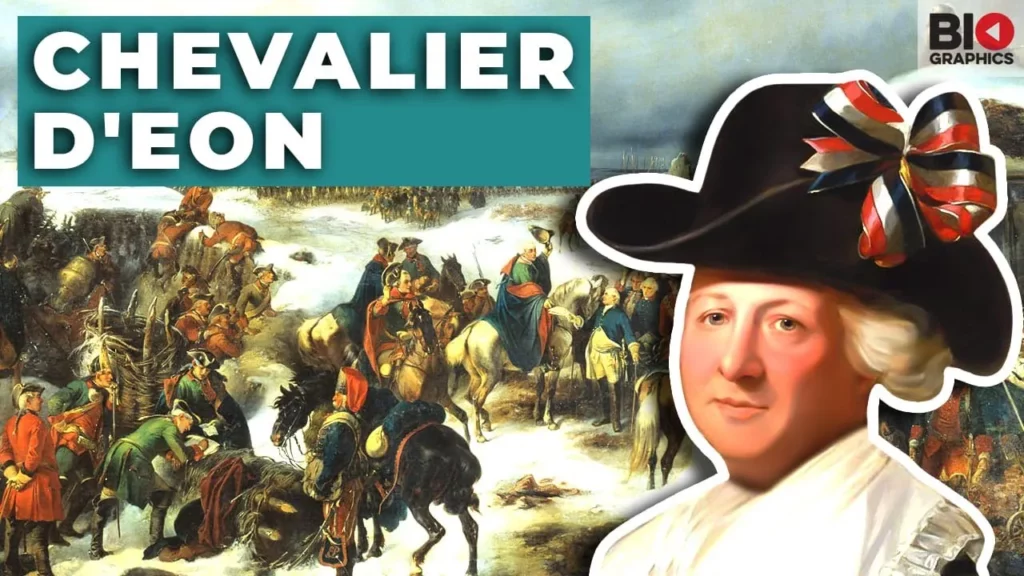
The lesson on Chevalier d’Éon explores the extraordinary life of an 18th-century French spy who navigated complex gender identities, initially living as a man before being legally recognized as a woman. D’Éon’s adventures in espionage, particularly during the Seven Years’ War, and their subsequent celebrity status in London highlight the fluidity of gender roles in a time of societal change. This narrative not only sheds light on d’Éon’s unique experiences but also prompts contemporary discussions about gender identity and societal norms.
Alexandre Dumas: The Man Behind the Three Musketeers

The lesson explores the life and legacy of Alexandre Dumas, a renowned writer known for his adventurous and romantic tales, including “The Three Musketeers.” Despite facing significant challenges such as financial struggles and racial discrimination, Dumas’s perseverance led to literary success and a lasting impact on literature. His works continue to resonate with audiences today, highlighting universal themes and the enduring power of storytelling.
Henry Hill: The Real Life Goodfella

Henry Hill, a mid-level associate of the Lucchese crime family, became famous through his life story depicted in Martin Scorsese’s film “Goodfellas,” which is based on Nicholas Pileggi’s book “Wiseguy.” Hill’s journey from a young aspiring gangster to a witness against his former associates highlights the allure and peril of the mafia lifestyle, illustrating the personal costs and consequences of a life steeped in crime. His experiences serve as a cautionary tale about the dangers of organized crime and the inevitable betrayals that accompany it.
Marcus Licinius Crassus: The Rise & Fall of the Richest Man in Rome

The lesson on Marcus Licinius Crassus highlights the life of Rome’s wealthiest man, whose immense riches and political ambitions ultimately led to his downfall. Despite his initial success in accumulating wealth and military power, Crassus’s insatiable greed and desire for influence culminated in a disastrous military campaign against the Parthians, resulting in his death and significant consequences for the Roman Republic. His story serves as a cautionary tale about the dangers of unchecked ambition and the impact of individual actions on broader historical events.
Martin Luther King Jr: The Many Trials of America’s Civil Rights Icon

The lesson on Martin Luther King Jr. highlights his profound impact on the civil rights movement in America, detailing his early life, education, and pivotal role in significant events such as the Montgomery Bus Boycott and the March on Washington. Despite facing numerous challenges, including threats to his life and opposition to his views, King’s commitment to non-violence and social justice led to landmark achievements like the Civil Rights Act of 1964 and the Voting Rights Act of 1965. His assassination in 1968 marked a tragic end to his life, but his legacy continues to inspire ongoing movements for equality and justice.