
MinuteEarth: The Story of Our Planet
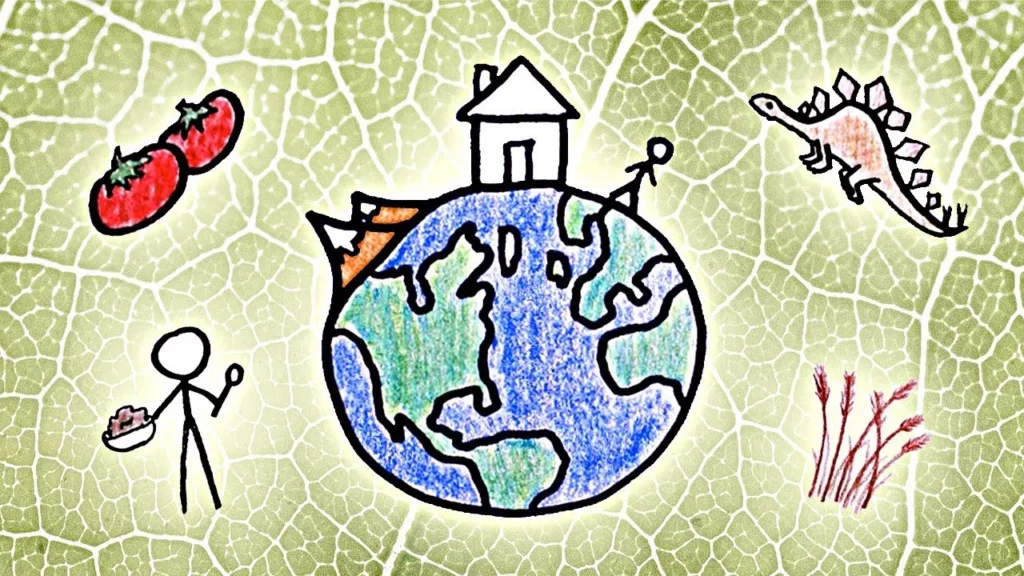
The lesson from “MinuteEarth: The Story of Our Planet” explores the formation and evolution of Earth over 4.5 billion years, highlighting the gradual development of oceans and the emergence of life, including humans. It contrasts the slow pace of early Earth changes with the rapid advancements in human history, particularly in the last few centuries, where ideas and trends spread quickly due to trade and technology. The lesson emphasizes the importance of scientific evidence in understanding Earth’s history and invites reflection on future changes.
Why Are Leaves Green? Part 1
The lesson explains that leaves are green primarily due to the presence of chlorophyll, a molecule that absorbs sunlight for energy but reflects green light. While chlorophyll is effective at absorbing red and blue light, the reason plants are predominantly green is still a subject of scientific speculation, with one theory suggesting it may be a result of evolutionary advantages over ancient organisms. Additionally, the lesson highlights that nature often favors “good enough” adaptations rather than striving for perfection, which is why leaves did not evolve to be black, despite the potential benefits of absorbing all light colors.
Why Are Leaves Green? Part 2
In this lesson, we explore the significance of chlorophyll, the green molecule that enables plants to harness sunlight for food production. Chlorophyll’s unique structure allows leaves to efficiently capture light, including green light, while preventing potential damage from excess energy. The lesson highlights the superiority of green photosynthesis, which accounts for the vast majority of Earth’s natural productivity, and raises intriguing questions about the possibility of alternative photosynthetic systems on other planets.
How Tall Can Mountains Be?
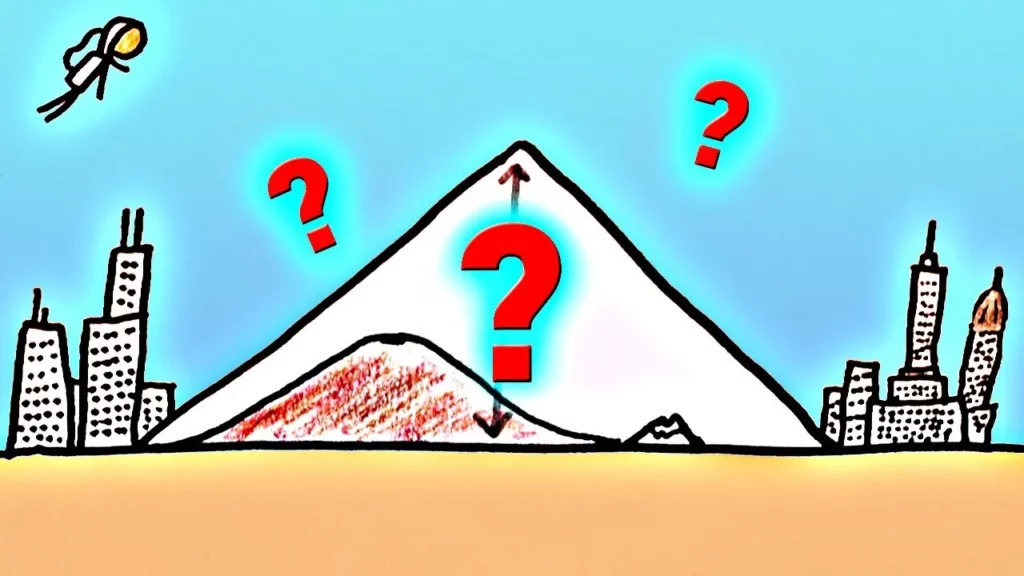
This lesson explores the heights of mountains, highlighting that Olympus Mons on Mars is the tallest in the Solar System at 21,000 meters, significantly surpassing Earth’s Mount Everest. It explains that while theoretically, mountains on Earth could reach incredible heights due to gravity and rock density, practical limitations such as tectonic plate dynamics and erosion restrict them to about 15 kilometers. The lesson concludes by noting that while some mountains like Everest may still grow, natural processes continuously shape and alter their heights over time.
Why Does Earth Have Deserts?
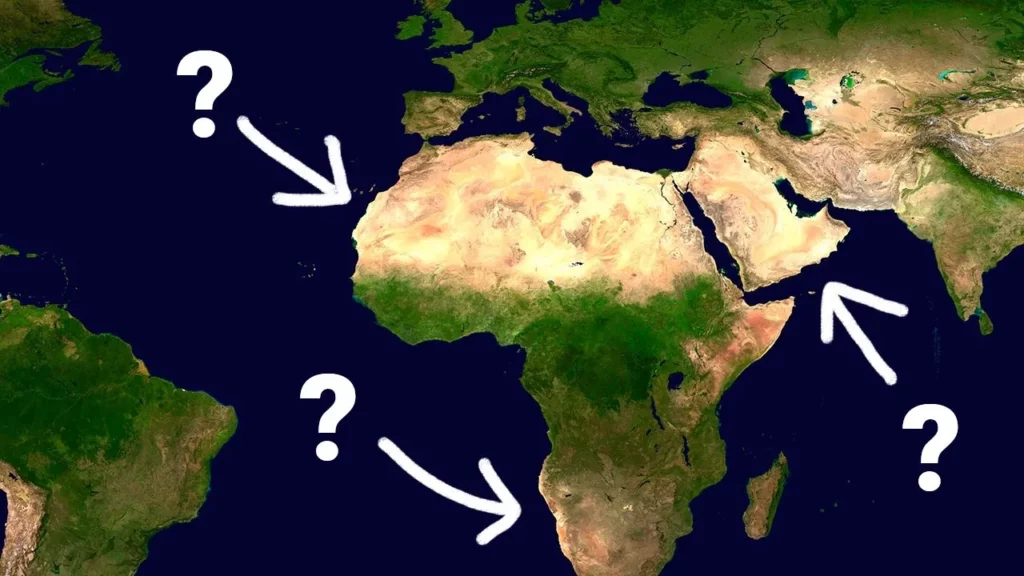
The lesson explains the formation of deserts on Earth, highlighting the role of atmospheric circulation, particularly the Hadley cell. It describes how warm air rises at the equator, leading to heavy rainfall and lush rainforests, while the cooler, denser air that sinks in other regions creates dry, arid deserts. This understanding reveals the intricate balance of natural forces that shape the planet’s diverse landscapes.
The Return of the Bedbugs: They Won’t Go Away
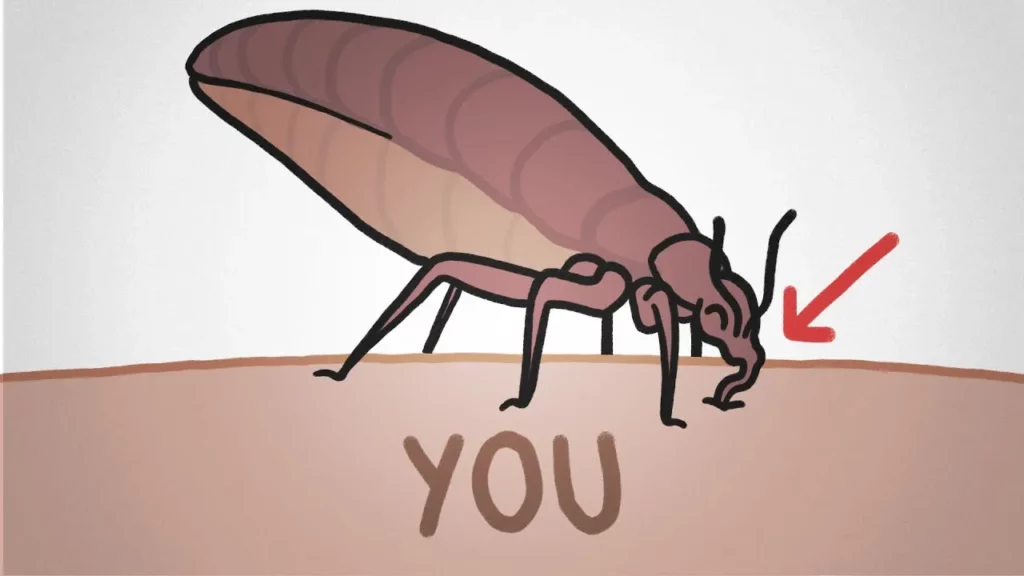
The lesson discusses the resurgence of bedbugs, tiny insects that have plagued humans since the Stone Age, and highlights their ability to thrive in modern environments due to factors like insecticide resistance and increased global travel. It explains how these pests have re-emerged as a significant problem in urban areas, despite a long period of effective control following World War II. Ultimately, the lesson emphasizes the need for awareness and vigilance against these persistent nuisances in our daily lives.
The Surprising History of Frozen Food
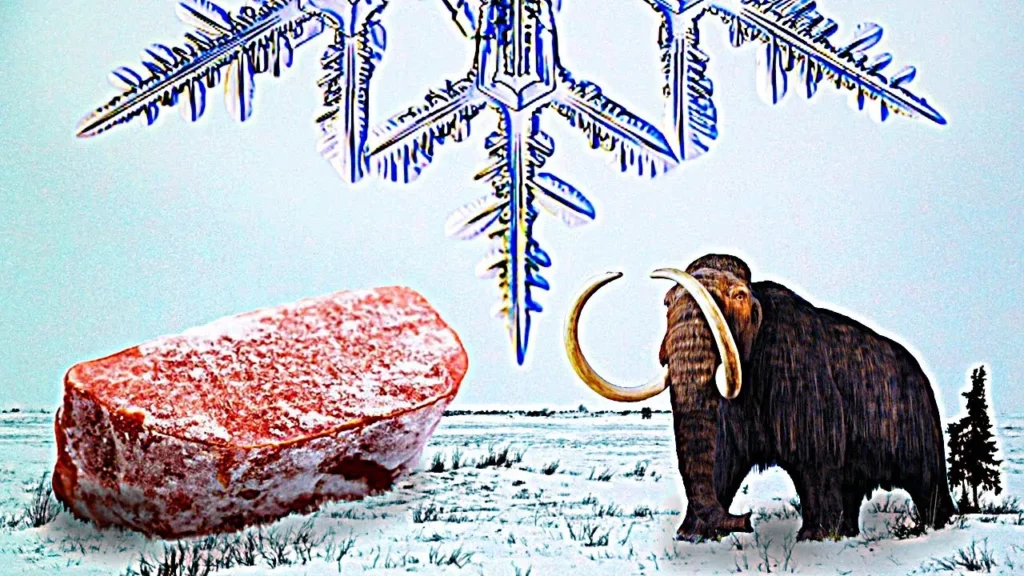
The lesson explores the history and science of frozen food, highlighting its importance in food preservation. It explains how freezing slows down spoilage processes, allowing food to maintain its nutritional value, and discusses the challenges of early freezing methods before the invention of modern refrigerators. The pivotal role of Clarence Birdseye in developing rapid freezing techniques is emphasized, which revolutionized the frozen food industry and made it a staple in households today.
What is Freezer Burn?

Freezer burn occurs when frozen food develops a frosty layer due to sublimation, where ice turns directly into gas, leading to dry and unappealing textures. This phenomenon is distinct from regular frost, as it originates from the moisture within the food itself, affecting items with higher water content more severely. To prevent freezer burn, it’s essential to maintain a consistently cold freezer and minimize air exposure by properly sealing food items.
400 Parts in a Million: The World’s Biggest Experiment
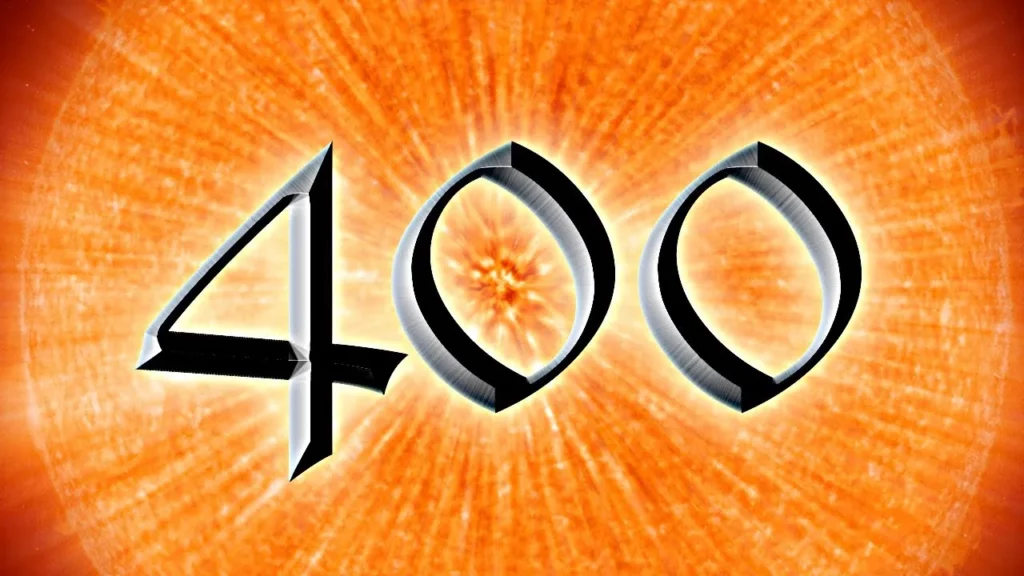
The lesson discusses the significant milestone of carbon dioxide levels reaching 400 parts per million (ppm) in the Earth’s atmosphere, marking a dramatic increase from 300 ppm a century ago. It highlights the human activities contributing to this rise and the resulting environmental impacts, such as extreme weather events and rising sea levels. The lesson encourages individuals to take responsibility for their actions and make small changes to help mitigate climate change, emphasizing the importance of collective effort in creating a healthier planet.
Our Atmosphere is Escaping!
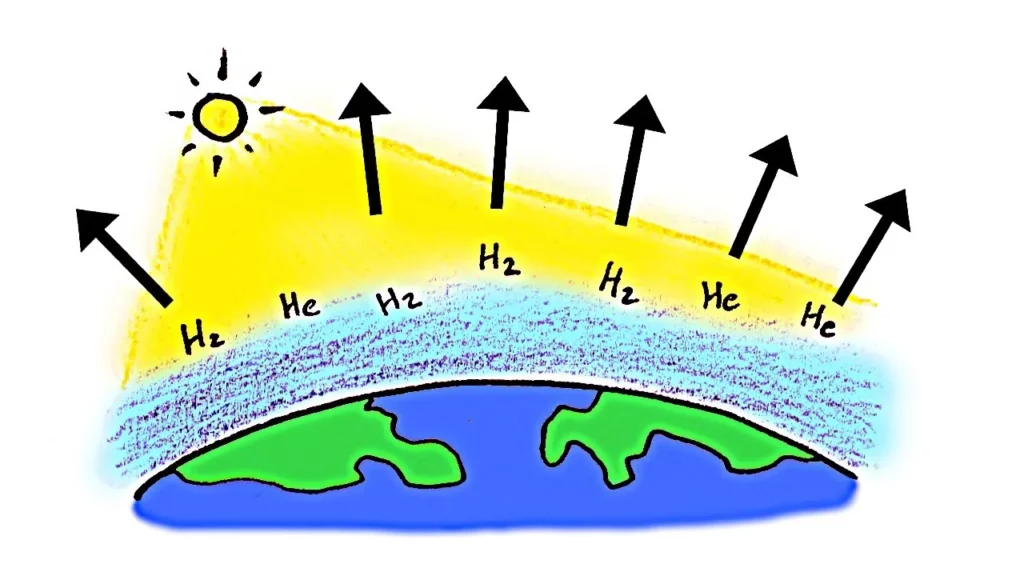
The lesson explains the importance of Earth’s atmosphere, which is essential for maintaining warmth, enabling weather, and supporting life. It highlights that our atmosphere is gradually leaking into space, primarily losing hydrogen and helium, due to various processes influenced by solar energy and Earth’s magnetic field. While this loss occurs slowly, it raises questions about the future of our planet and its ability to support life billions of years from now.