
Left vs Right
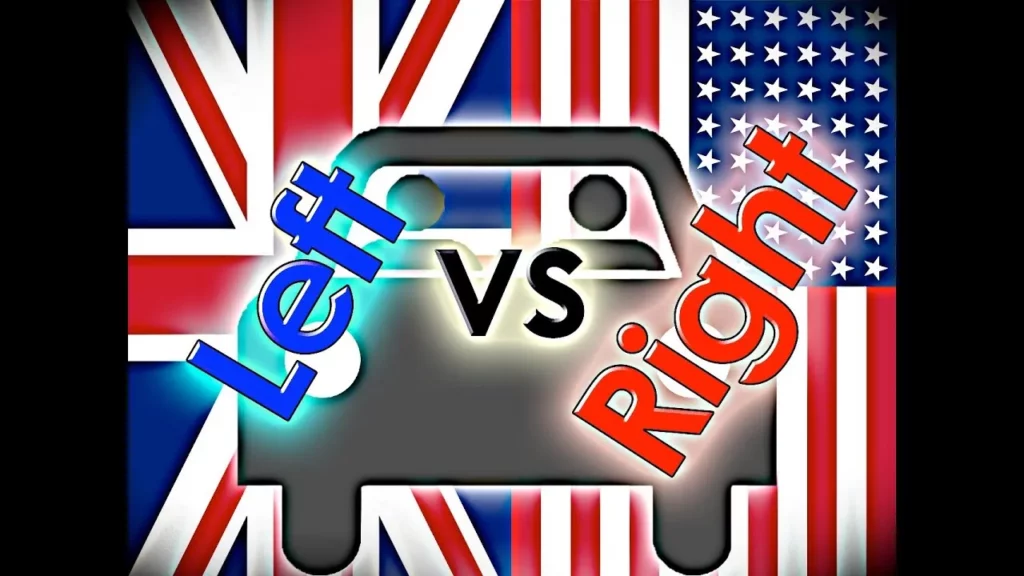
The lesson explores the historical and cultural reasons behind why some countries drive on the left side of the road while others drive on the right. It highlights Samoa’s switch from right to left driving in 2009 to facilitate cheaper car imports, and discusses the historical influences that led to these driving conventions, including the impact of colonialism and societal preferences. Ultimately, the lesson emphasizes that regardless of the side, driving laws are designed to ensure safety and smooth travel for all.
How the little guy can compete against the big guy
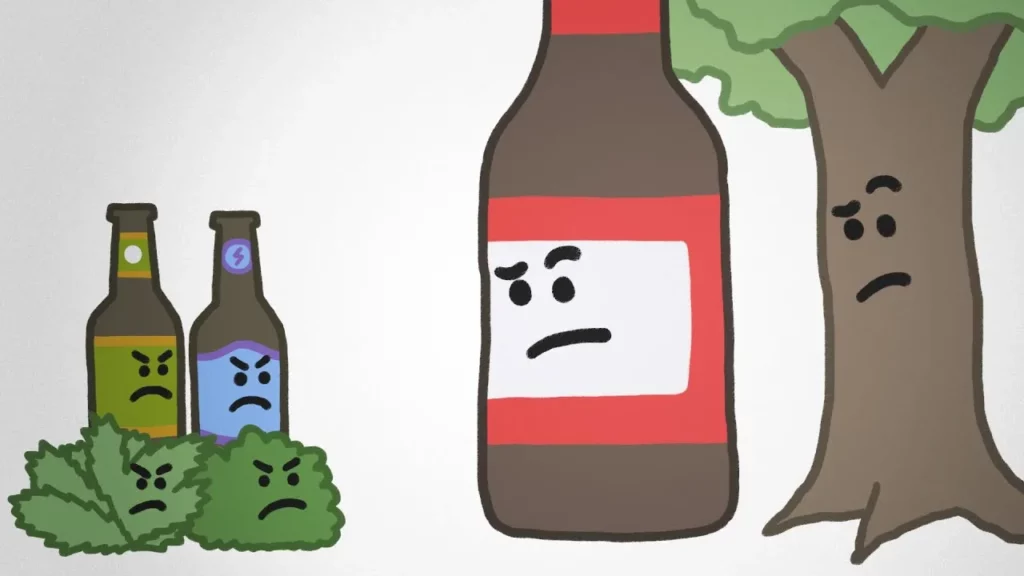
The lesson explores how smaller breweries can effectively compete against larger brands by finding and exploiting “empty niches” in the market, much like small plants thrive in the shade of towering trees. While big breweries dominate with extensive advertising and competitive pricing, microbreweries can succeed by offering unique, trendy, and flavorful products that appeal to niche audiences. This dynamic illustrates the broader principle of survival and balance in both nature and business, where diversification leads to coexistence among competitors.
Do Fetuses Poop?
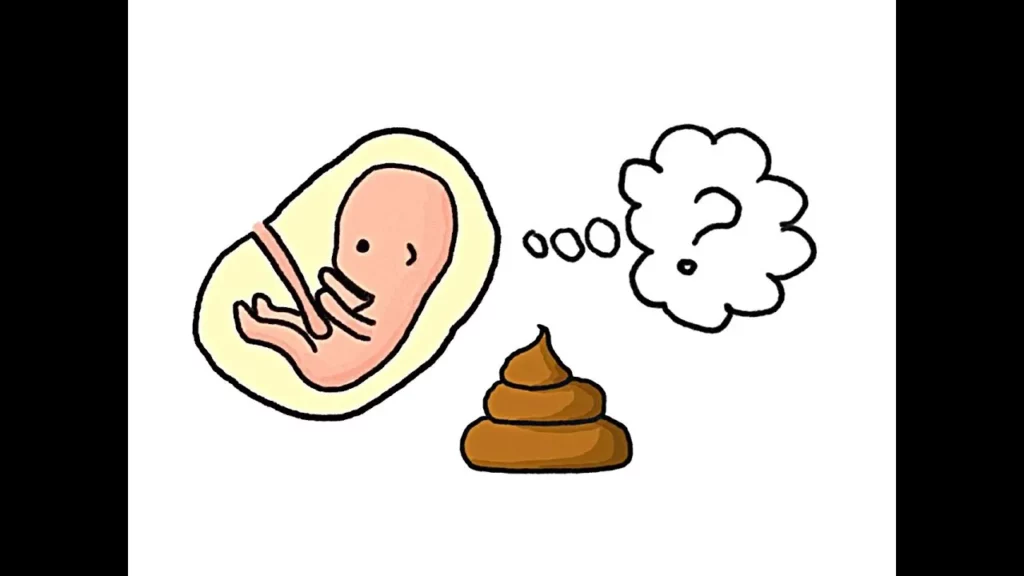
This lesson explores the fascinating processes of waste management in fetuses, highlighting that while they do urinate by two months of development, they do not poop in the traditional sense. Instead, the mother’s body handles waste by filtering out excess nutrients through the umbilical cord, while some waste accumulates in the fetus’s intestines, forming a substance called meconium. This meconium is eventually expelled as the baby’s first diaper, illustrating the unique ways our bodies function even before birth.
The Great North American Locust Plague
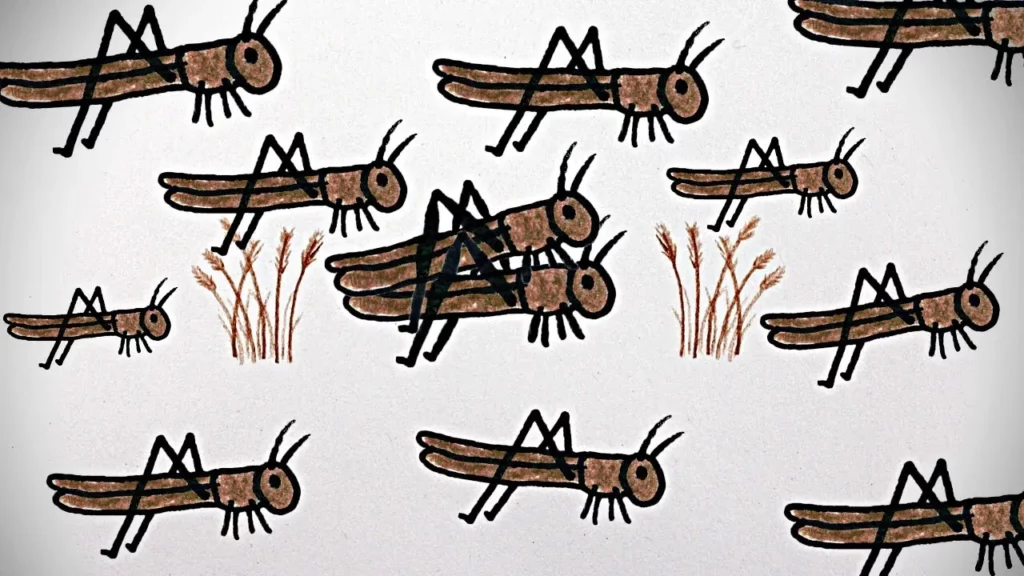
The lesson discusses the Great North American Locust Plague, focusing on the Rocky Mountain locust, which caused significant agricultural damage in the Great Plains from 1850 to 1880. These locusts exhibited remarkable behavioral changes in crowded conditions, leading to massive swarms that devastated crops and other materials. Ultimately, the locusts’ extinction in the 1890s resulted from settlers’ agricultural practices that destroyed their breeding habitats, marking a unique case of a pest species being eradicated through farming efforts.
The Hottest Place on Earth
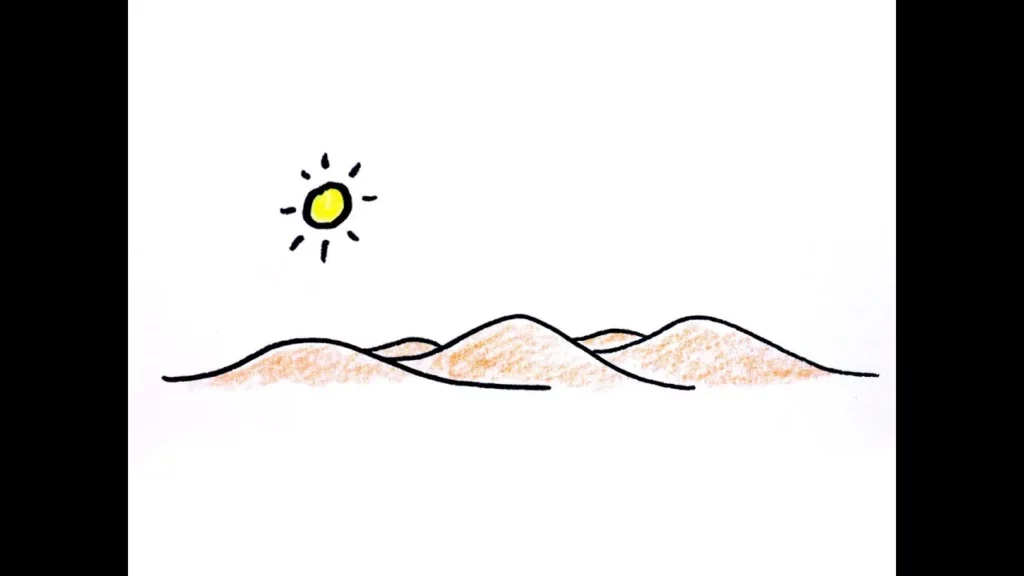
The lesson discusses the hottest places on Earth, highlighting that while Death Valley in California is often thought of as the hottest spot due to its record temperature of 56.7°C (134°F) in 1913, the true hottest location is actually in the Lut Desert of Iran, where temperatures have reached an astonishing 70.7°C (159.3°F). It explains how temperature is measured using weather stations and advanced satellite technology, such as NASA’s Terra and Aqua, which provide more detailed data on Earth’s surface temperatures. This understanding of extreme heat is crucial for scientists studying climate change and the planet’s environmental conditions.
Garbage Doesn’t Lie
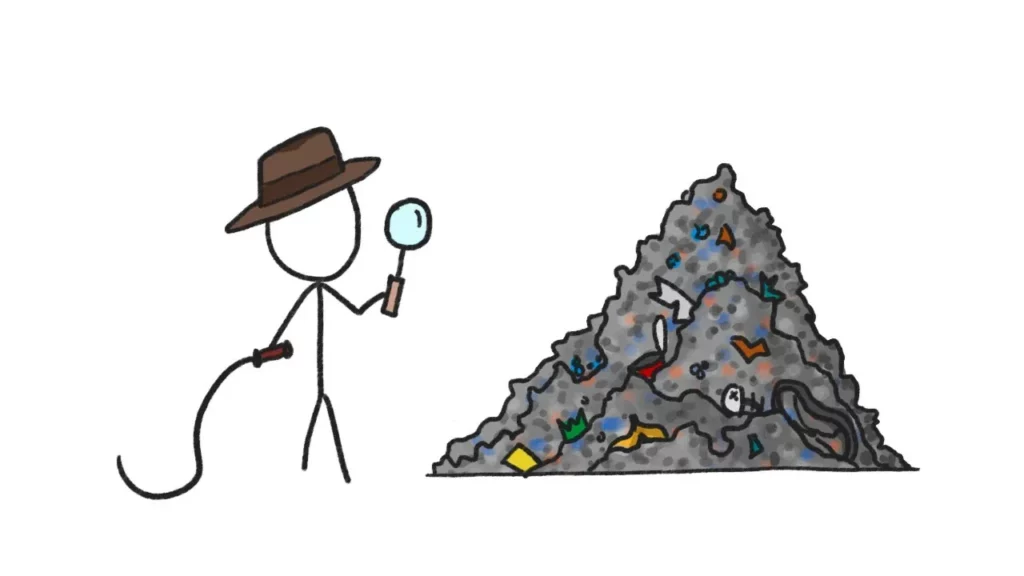
The lesson “Garbage Doesn’t Lie” explores how both ancient and modern trash serves as a valuable record of human life and values, much like the golden record carried by the Voyager spacecraft. By examining trash, or “middens,” archaeologists can uncover insights about past cultures, while modern studies reveal discrepancies between people’s self-reported habits and their actual waste. Ultimately, the lesson emphasizes that while we may curate a polished image of our lives, our garbage provides an unfiltered reflection of our true consumption and behaviors.
Trash vs. Garbage
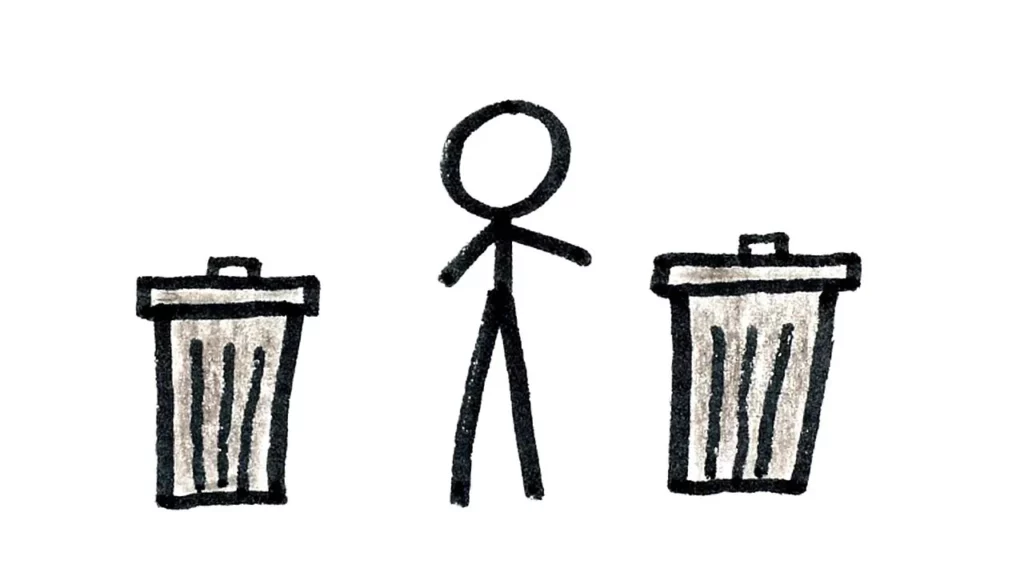
The lesson explores the distinction between “trash” and “garbage,” highlighting that “trash” refers to non-organic waste like plastics and metals, while “garbage” pertains to food waste. It traces the historical meanings of both terms and emphasizes the importance of understanding their differences for effective waste sorting and environmental conservation. Additionally, it encourages mindful disposal practices by sharing a fun fact about recycling energy savings.
Denizens of the Deep
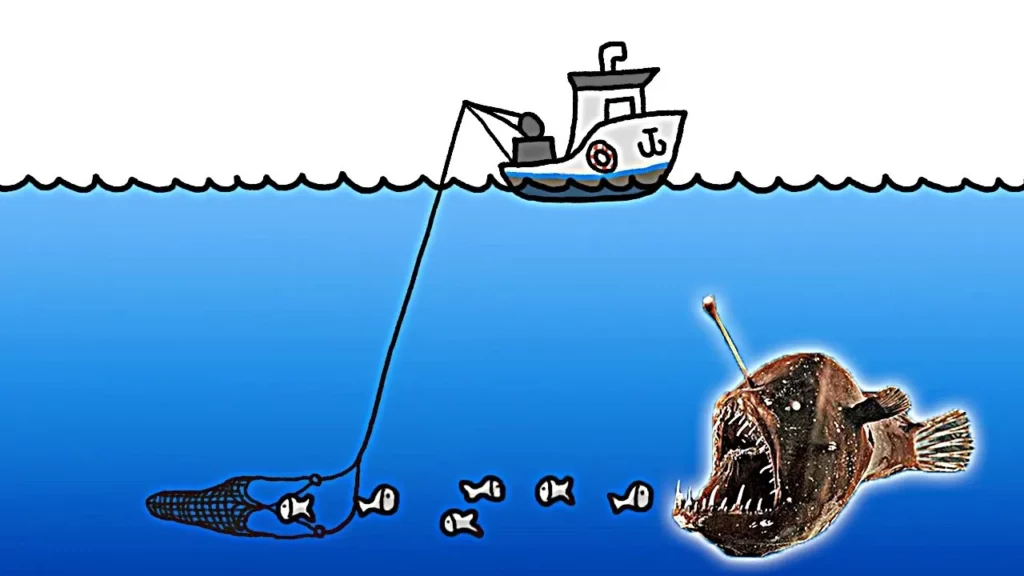
The lesson “Denizens of the Deep” highlights the vast unknowns of deep ocean life compared to our understanding of deep space, emphasizing the unique adaptations of deep-sea creatures to survive extreme conditions. It discusses the detrimental effects of deep-sea fishing practices on these vulnerable populations, particularly species like the orange roughy, which have slow reproduction rates. The lesson advocates for sustainable fishing practices to ensure the long-term viability of deep-sea fish populations and the livelihoods of those who depend on them.
How to Survive a Lightning Strike
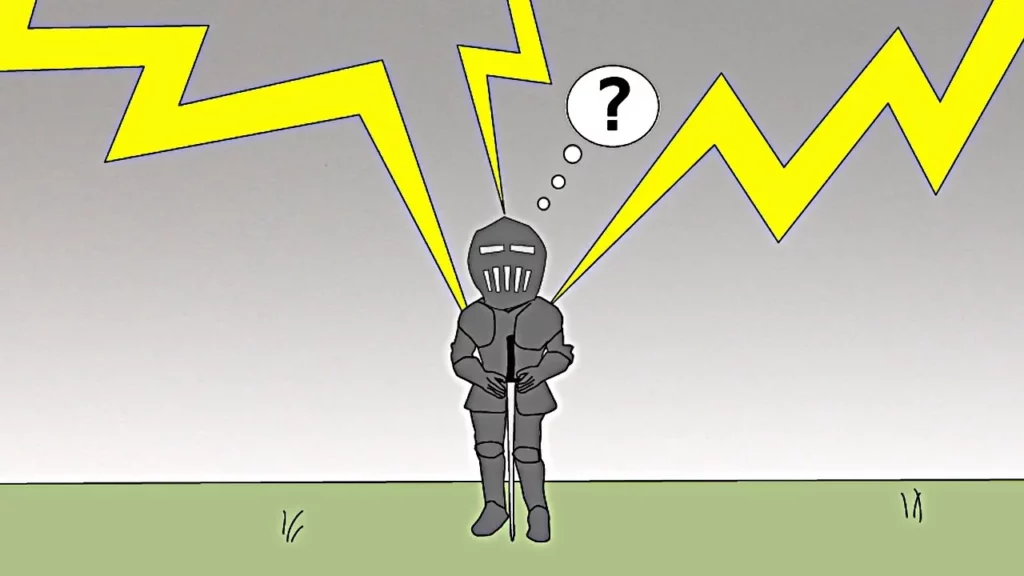
The lesson on staying safe during a lightning storm emphasizes the importance of understanding how lightning interacts with different materials. Wearing metal, like a medieval coat of armor, can protect you because it acts as a conductor, allowing electricity to travel along its surface rather than through your body. However, the best safety measure is to avoid lightning altogether by seeking shelter indoors when a storm approaches.
The Biggest Organism on Earth
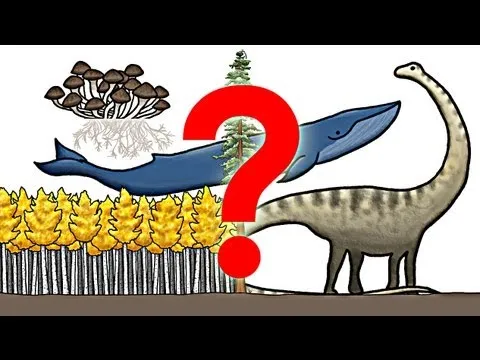
The lesson explores the concept of the “biggest” living organisms on Earth, highlighting that this can vary based on different criteria. It discusses the tallest organism, the redwood tree “Hyperion,” the most extensive organism, a massive fungus in Oregon, and the heaviest organism, the quaking aspen “Pando,” which comprises a vast network of genetically identical trees. Ultimately, the lesson emphasizes the complexity of defining size in the natural world and hints at the possibility of even larger organisms yet to be discovered.