
The One That Got Away (Size Matters)
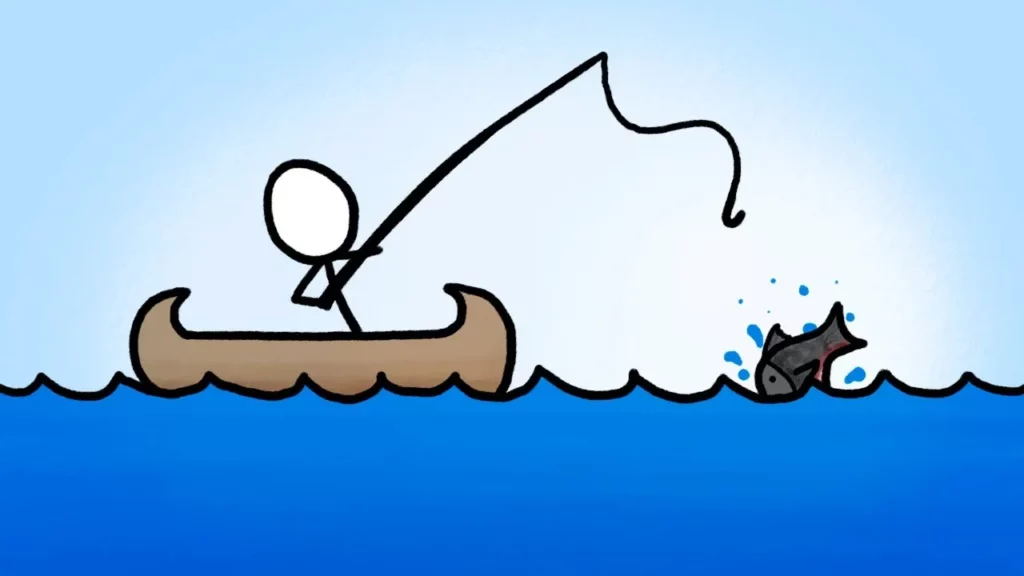
The lesson emphasizes the significance of size in fishing and the unintended consequences of size-selective fishing regulations, which often lead to the depletion of larger fish crucial for reproduction. While traditional practices aim to protect younger fish, they can inadvertently harm fish populations by favoring smaller traits over time. The concept of “balanced harvesting” is introduced as a more sustainable alternative, advocating for the capture of a diverse range of fish sizes to maintain healthy populations for future generations.
Which Came First — the Rain or Rainforests?
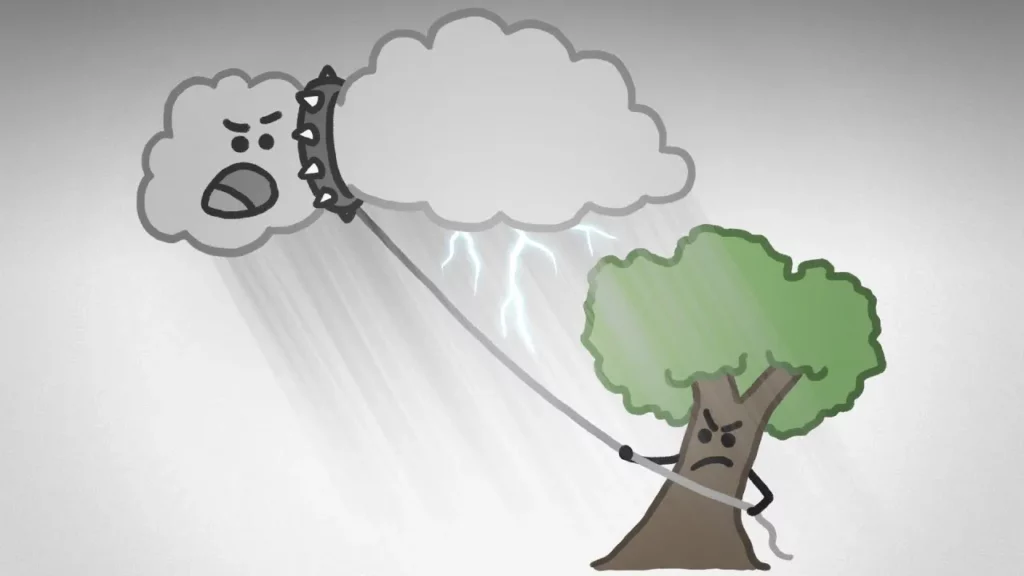
The lesson explores the interdependent relationship between rain and rainforests, highlighting how the evolution of flowering plants significantly increased rainfall in tropical regions. It explains the water cycle in rainforests, where trees release water vapor that contributes to cloud formation and precipitation, creating a self-sustaining ecosystem. However, the lesson also addresses the challenges faced by rainforests today due to deforestation, which threatens to disrupt this delicate balance and lead to drier, hotter conditions.
What is Skin For?
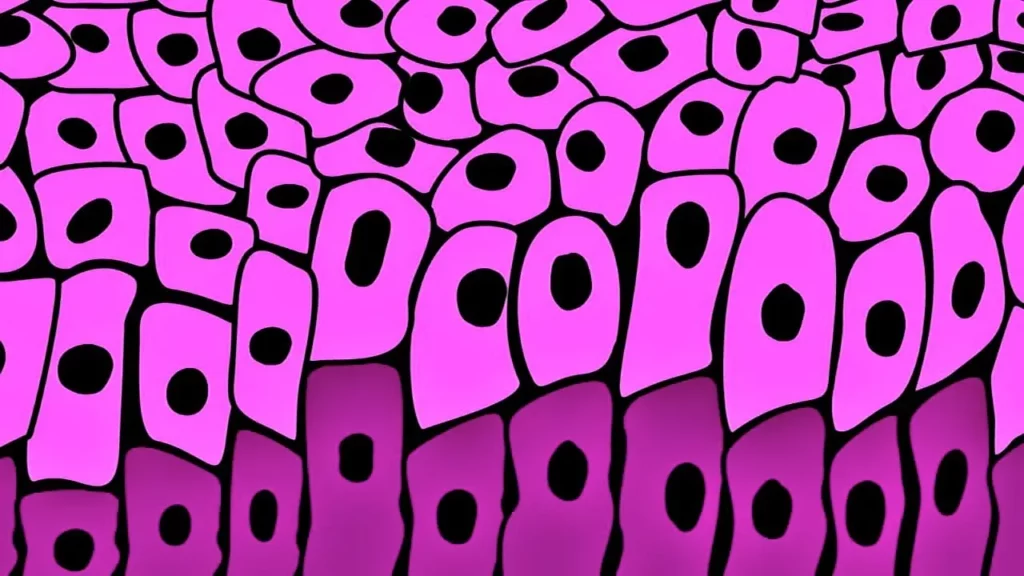
The lesson explains the protective functions of human skin, highlighting its composition of keratin and its role as a barrier against harmful microorganisms. It details the continuous production of new skin cells in the epidermis, where they transform into a protective layer that is flexible, waterproof, and slightly acidic, enhancing its defense capabilities. Additionally, it emphasizes the collaboration between the skin and the brain in maintaining overall safety and health.
How Our Honey is Made (& Subbable announcement)
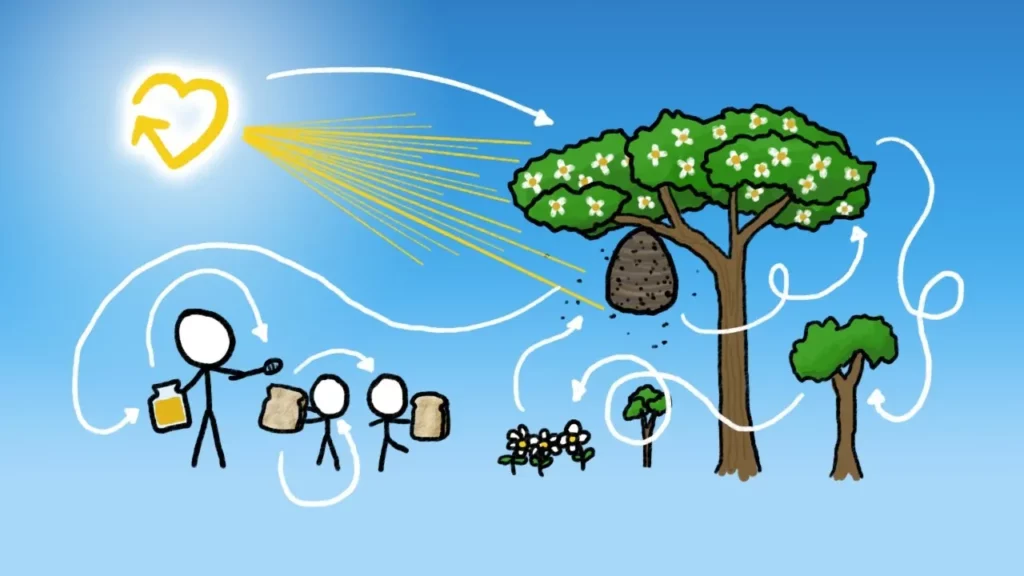
The lesson explains the fascinating process of honey production, highlighting the essential role of bees in pollinating flowers and transforming nectar into honey within their hives. It emphasizes the teamwork of bees, who collectively travel vast distances to produce honey, which serves as a vital food source for them during winter. Additionally, the lesson draws a parallel between the hard work of bees and the efforts of the MinuteEarth team in creating educational videos, while encouraging support for their work through crowdfunding.
Why is All Sand the Same?
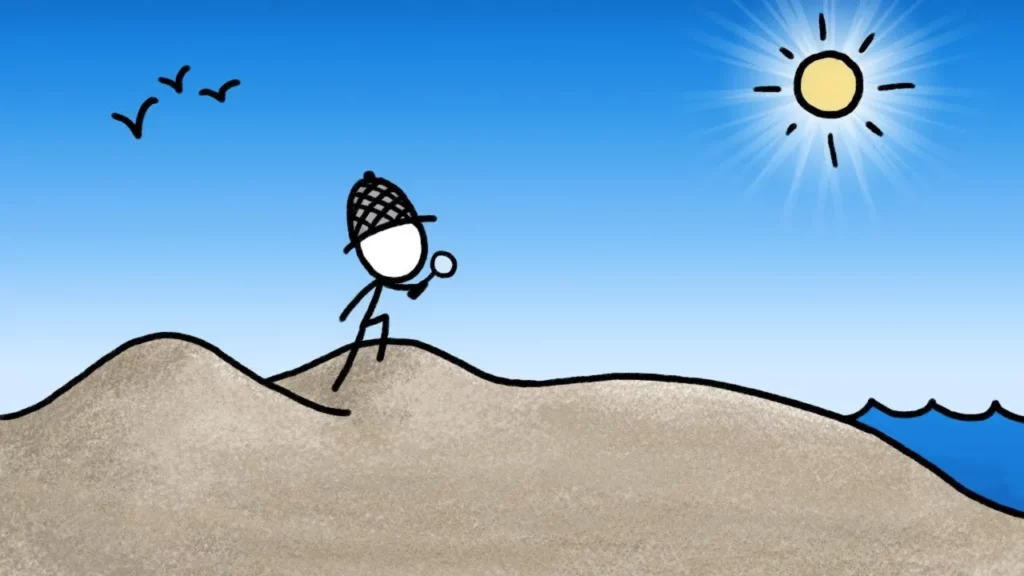
The lesson explores the composition and formation of sand, highlighting that most sand is primarily made up of quartz, a durable mineral formed from silicon and oxygen. It explains how quartz survives erosion while weaker minerals do not, and describes the journey of sand from rivers to beaches, where it is shaped by natural processes. Although many beaches feature quartz sand, the lesson also notes that some sands originate from different materials, showcasing the diversity of Earth’s geological processes.
How to Make a Seashell – Just Add Water!
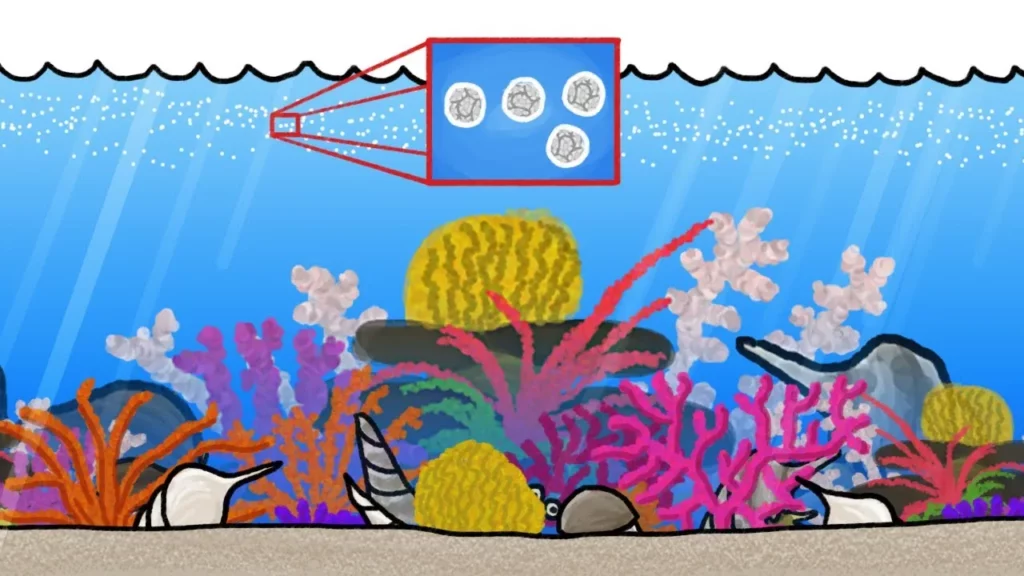
The lesson explores the fascinating process by which sea creatures build their shells using calcium and carbonate from ocean water, emphasizing the importance of ocean depth and chemistry in this process. It discusses the concept of “dissolving depth,” where shells can break down in deeper waters due to lower concentrations of these essential materials, and highlights the impact of atmospheric carbon dioxide on ocean chemistry, which can hinder shell-building. Ultimately, the lesson underscores the delicate balance of marine ecosystems and the need to protect oceans from rapid environmental changes that could threaten shell-building organisms.
What Happened To This Car?
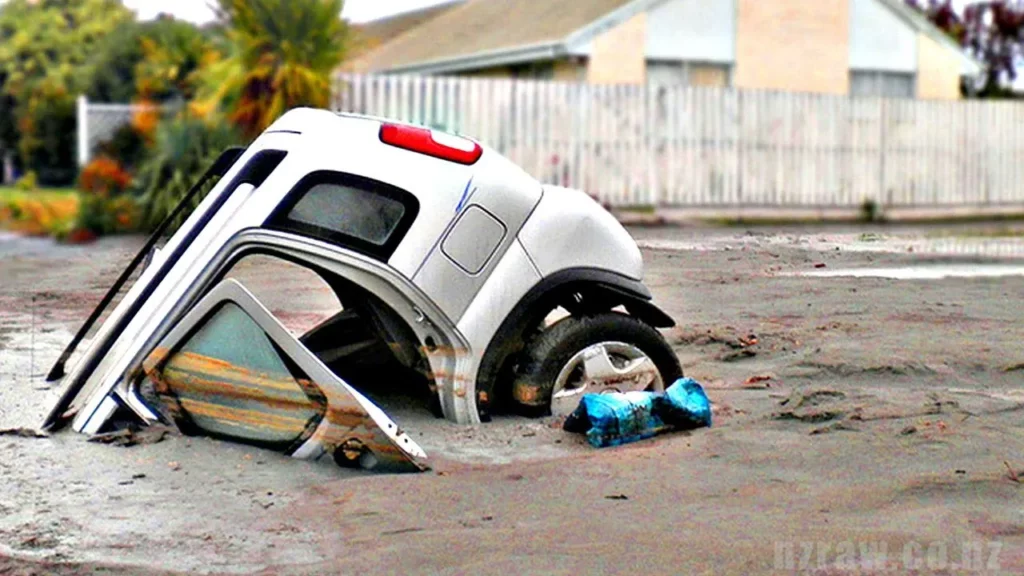
The lesson discusses the catastrophic sinking of Port Royal, Jamaica, on June 7, 1692, due to liquefaction triggered by an earthquake. Liquefaction occurs when saturated soil loses its strength and behaves like a liquid, causing heavy objects to sink, which can lead to significant destruction during seismic events. Understanding this phenomenon emphasizes the need for resilient construction in areas prone to earthquakes.
Birds that Hibernate in Lakes?!
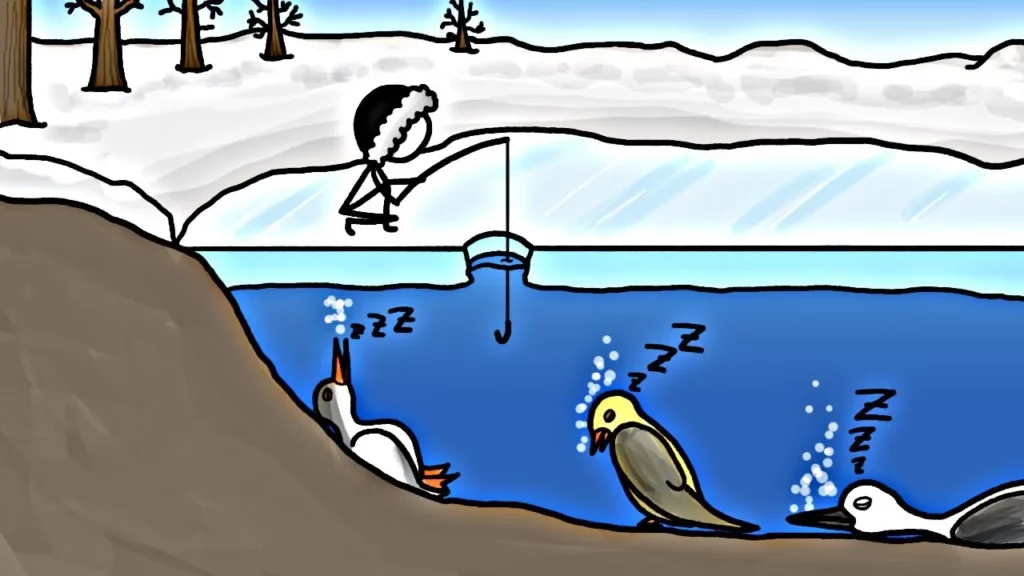
The lesson explores the misconceptions surrounding bird behavior during winter, particularly the myth that birds hibernate or disappear to mysterious places. It highlights the evolution of bird migration tracking, from early methods using aluminum rings to modern technology like lightweight geolocators, revealing the incredible long-distance journeys of various species, such as the Arctic tern and Great snipe. Ultimately, the lesson emphasizes the fascinating realities of bird migration, debunking myths while showcasing the remarkable capabilities of these creatures.
How Your Dog Can Protect You Before You’re Born
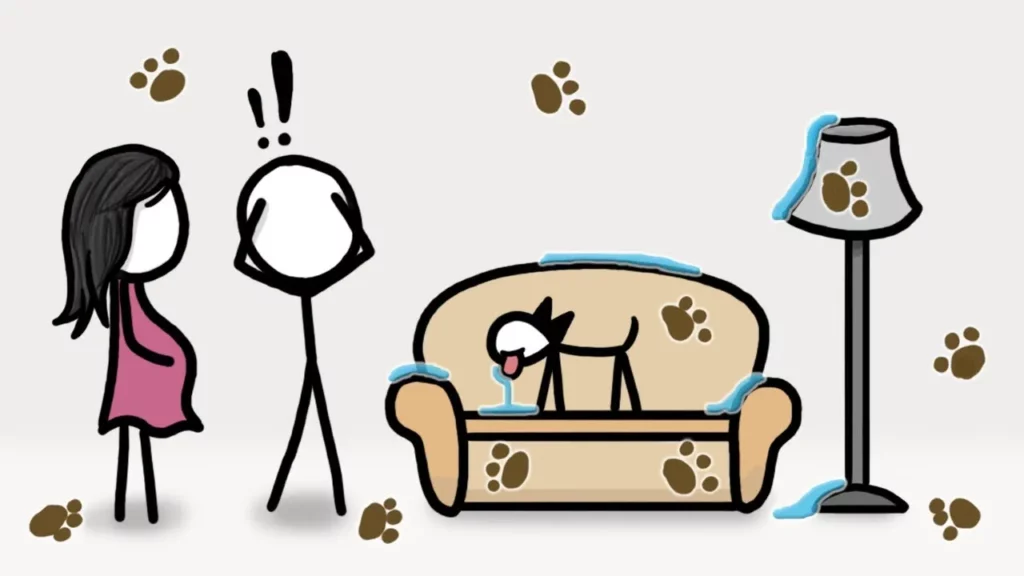
The lesson discusses how having pets, particularly dogs, can positively influence the immune system of unborn babies, potentially reducing the likelihood of allergies later in life. This is linked to the “hygiene hypothesis,” which suggests that early exposure to various microbes and germs helps strengthen the immune system, as seen in children raised in less sanitized environments. Overall, the presence of pets during pregnancy may provide beneficial microbial exposure that aids in the development of a healthier immune response.
How do Trees Survive Winter?
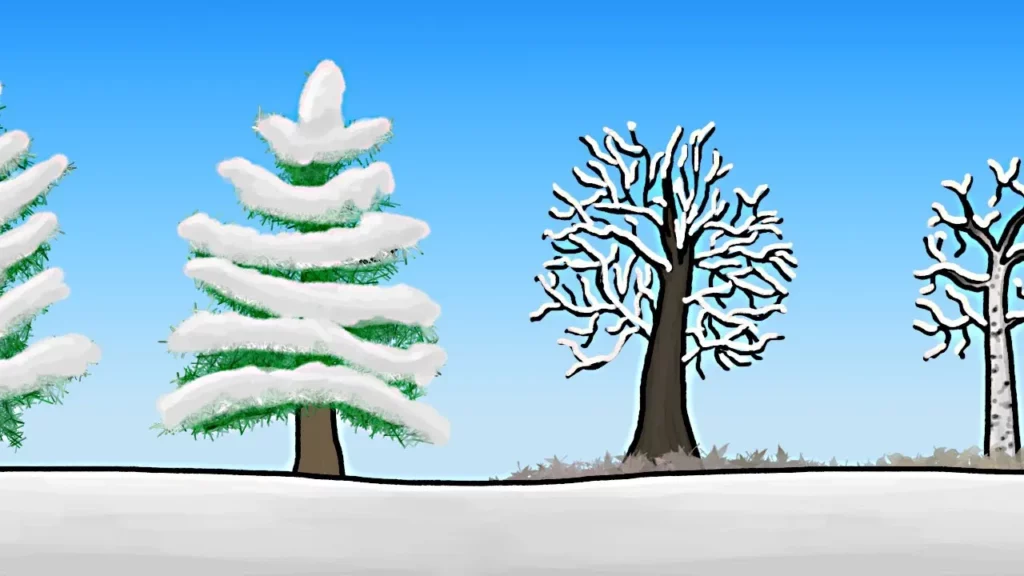
The lesson explores how trees have adapted to survive winter conditions, highlighting their evolution from tropical climates to cold environments. It discusses the challenges posed by freezing temperatures, such as ice crystal formation and air bubbles in their water-conducting systems, and details the strategies trees have developed, including using sugary sap as a natural antifreeze and shedding leaves to prevent frost damage. These adaptations not only enable survival in cold climates but also provide benefits in managing drought conditions in warmer regions.