
Where Did Earth’s Water Come From?
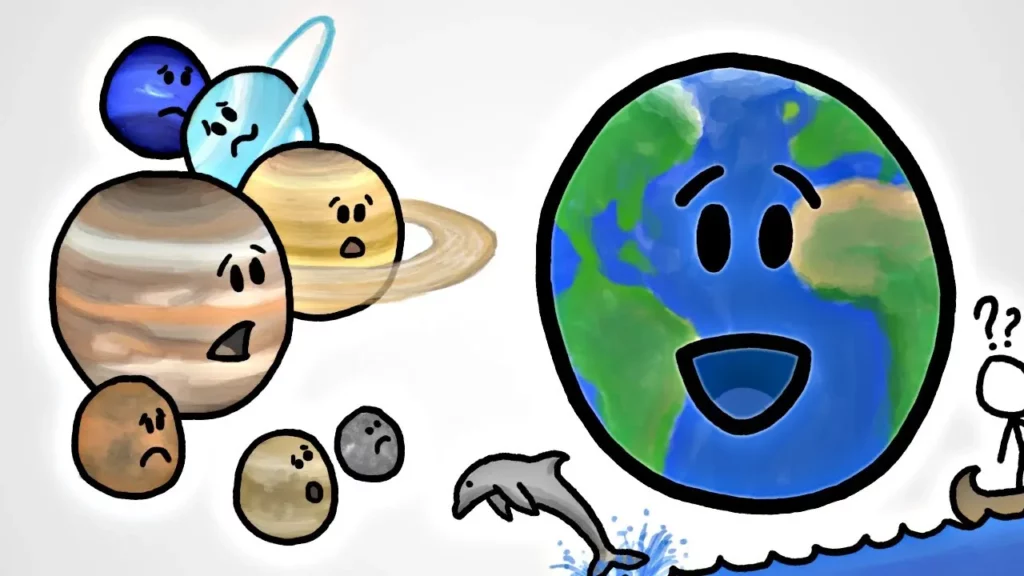
The lesson explores the origins of Earth’s water, highlighting that despite the planet’s formation in a hot environment where ice couldn’t survive, it eventually became covered in liquid water. Scientists propose that Earth’s water likely came from carbonaceous chondrites—meteorites rich in water and carbon—that formed beyond the sun’s frost line, rather than from comets, which have different isotopic signatures. This process transformed Earth into the “blue marble” we recognize today, essential for supporting life.
Are any Animals Truly Monogamous?
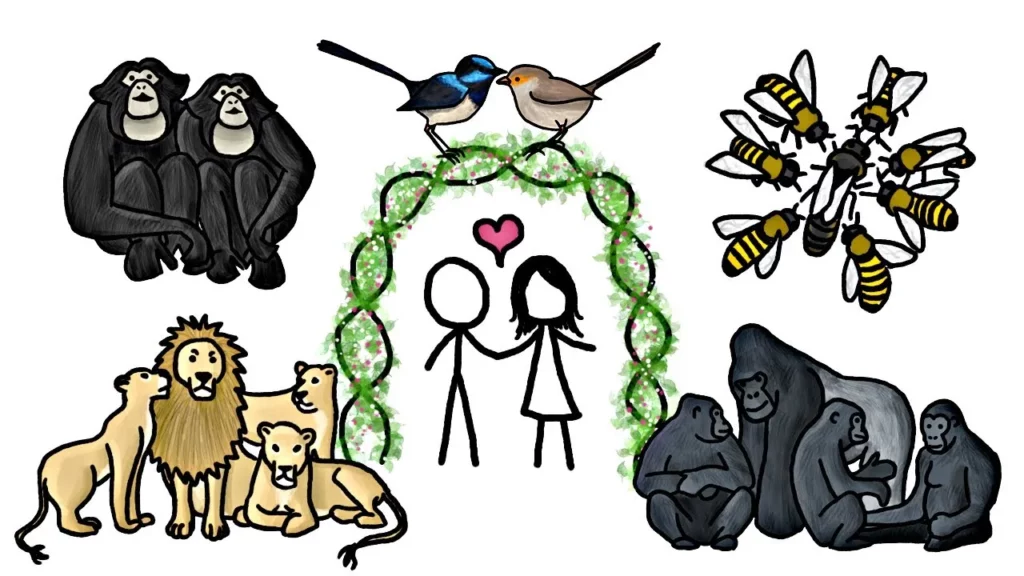
The lesson explores the rarity of true monogamy in the animal kingdom, highlighting that while 95% of birds form pair bonds for at least one breeding season, many engage in infidelity, as seen in the superb fairywren. It discusses the biological advantages of social monogamy, where animals may form partnerships while mating with others to enhance reproductive success and genetic diversity. The lesson concludes by noting that while monogamy is uncommon, the flatworm *Diplozoon paradoxum* exemplifies a unique case of lifelong fidelity, illustrating the diverse reproductive strategies in nature.
Poop Transplants!
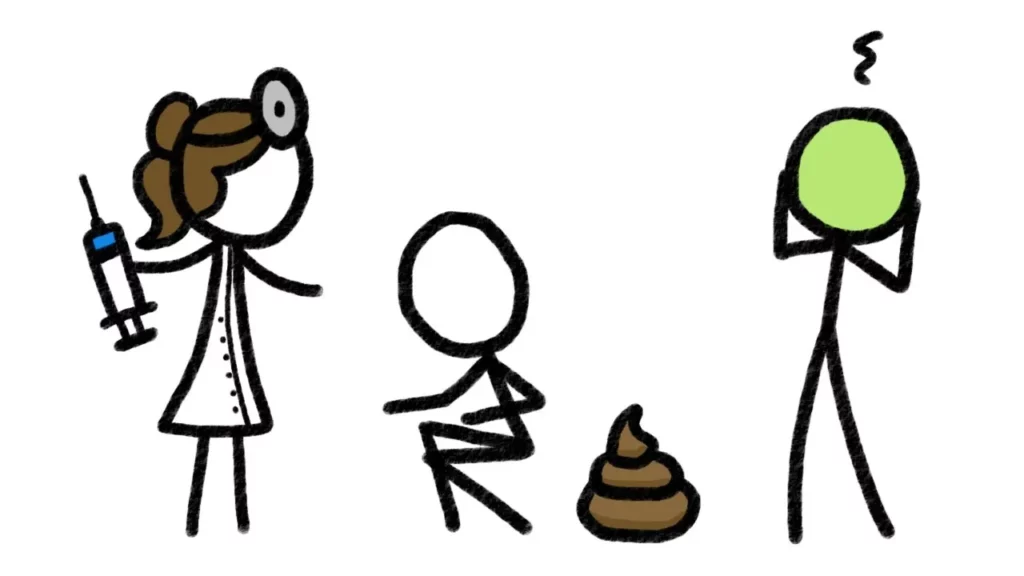
The lesson highlights the importance of biodiversity in ecosystems, emphasizing that both natural environments and the human gut microbiome thrive on diversity for resilience and health. It discusses the challenges posed by the overgrowth of *Clostridium difficile* (C. diff) and introduces fecal microbiota transplantation as a promising solution to restore gut health by replenishing the microbiome with a diverse array of bacteria from healthy donors. Additionally, the concept of microbial transplantation extends beyond human health to agriculture and aquaculture, suggesting a broader application for enhancing ecosystem health.
Love Letter to Food

The lesson in “Love Letter to Food” emphasizes the vital role food plays in our lives, from bringing families together to sustaining our health. It highlights the significant issue of food waste, acknowledging that nearly half of all food produced is discarded, often due to societal standards and personal habits. The message encourages individuals to take responsibility for their consumption, appreciate food’s imperfections, and adopt better practices to reduce waste, fostering a healthier relationship with food.
How To Date A Planet
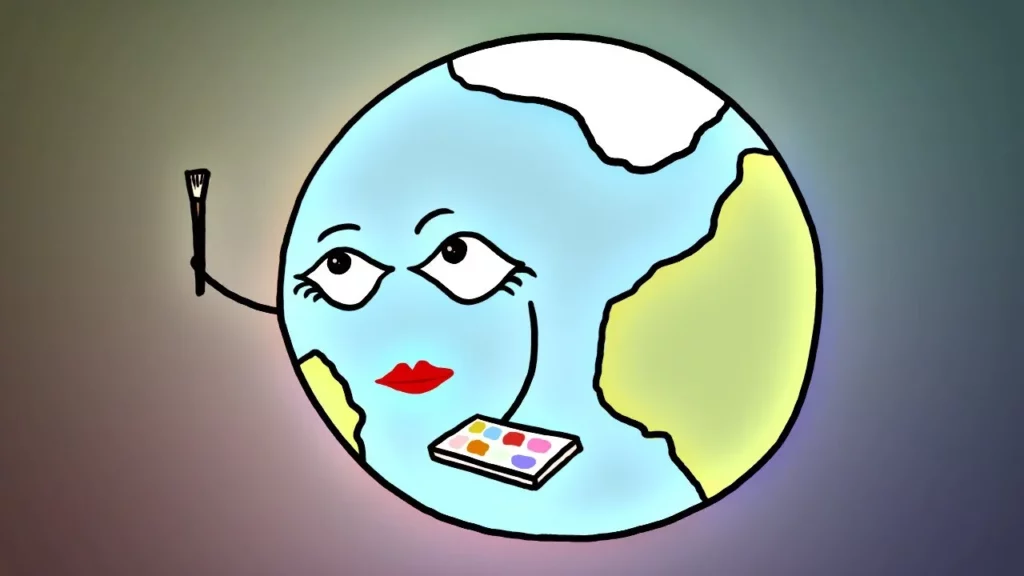
The lesson explores the concept of planetary dating, focusing on the age of Earth as revealed through geological processes and the study of minerals like zircon. While Earth’s surface appears youthful due to constant renewal from volcanic activity and tectonic shifts, the presence of zircon allows scientists to trace back its history, confirming that Earth is at least 4.4 billion years old. This understanding highlights the challenges of dating rocks on Earth and the significance of zircon in uncovering the planet’s ancient past.
Ocean Confetti!
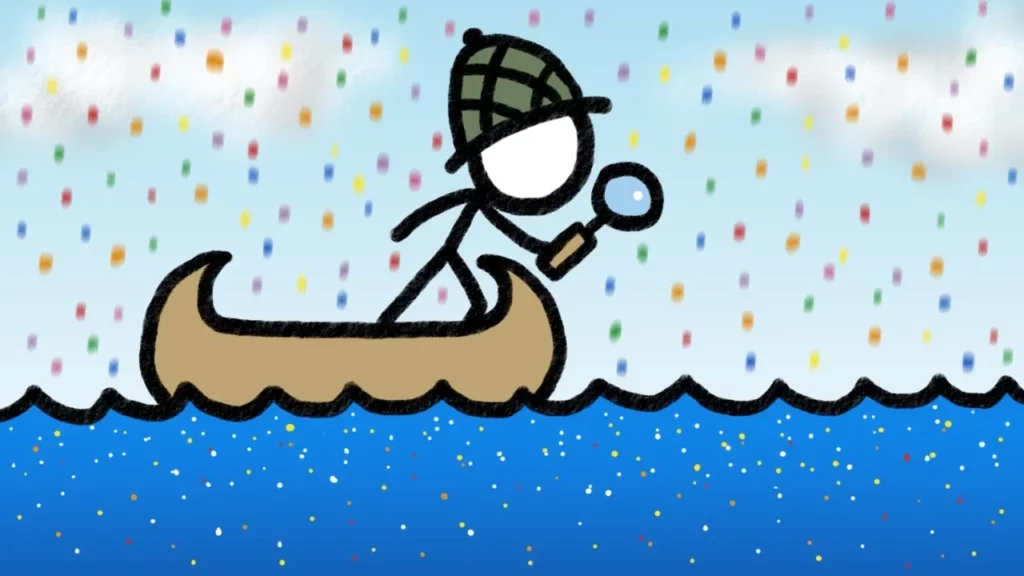
The lesson “Ocean Confetti!” explores the dual nature of plastic, highlighting its versatility and durability, which contribute to its widespread use but also lead to significant environmental issues, particularly in oceans. It discusses the journey of plastic waste to the sea, the emergence of microplastics, and their harmful effects on marine life. The lesson emphasizes the urgent need for solutions, such as biodegradable alternatives and pollution reduction, to protect ocean ecosystems from the ongoing plastic crisis.
Invasion of the Yellow Crazy Ants!
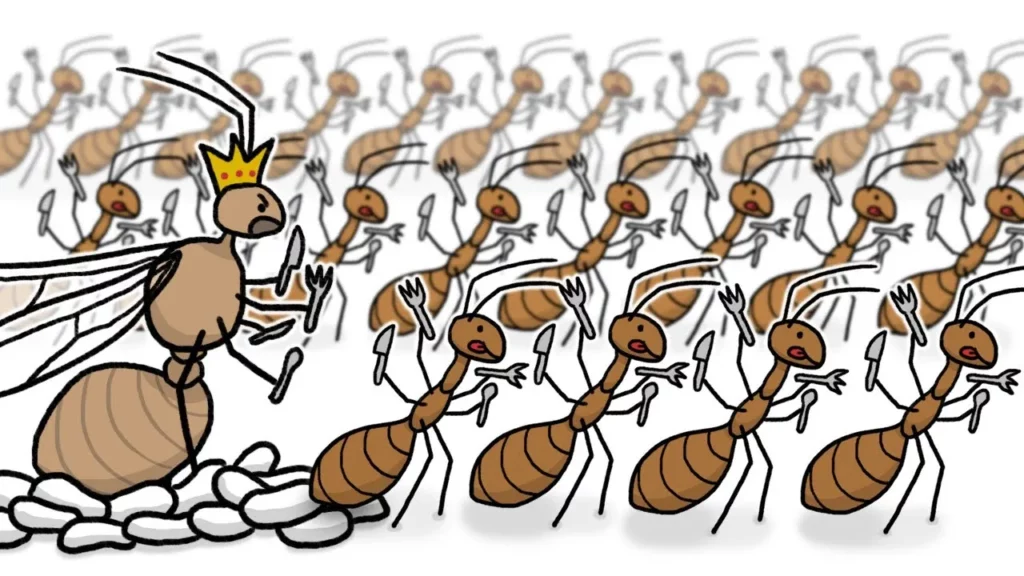
The lesson discusses the impact of invasive species on ecosystems, highlighting how human activities have accelerated the movement of organisms around the world, sometimes leading to harmful consequences. Using the yellow crazy ant as an example, it illustrates the challenges of managing invasive species and emphasizes the importance of targeted strategies and prevention to mitigate their effects. Ultimately, understanding the biology and behavior of these species is crucial for effective management and conservation efforts.
The Secret Social Life of Plants
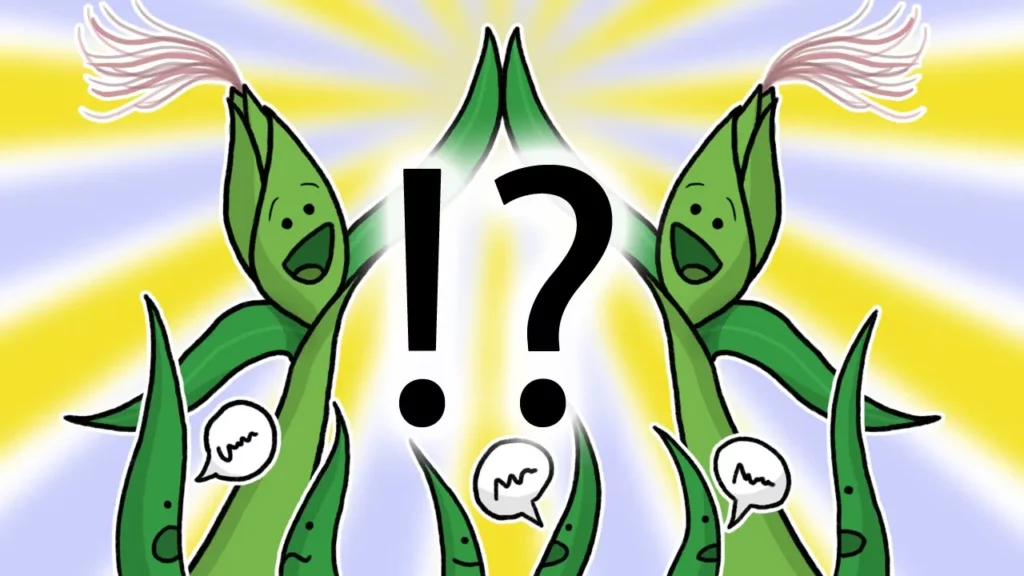
The lesson “The Secret Social Life of Plants” explores the intricate ways plants communicate and protect themselves from threats. When injured, plants release chemical signals to warn nearby plants and even attract beneficial insects for assistance. Additionally, they engage in underground communication through fungi networks, sharing vital information and resources, while some plants employ deceptive strategies to gain advantages over others.
Why is it Hot Underground?
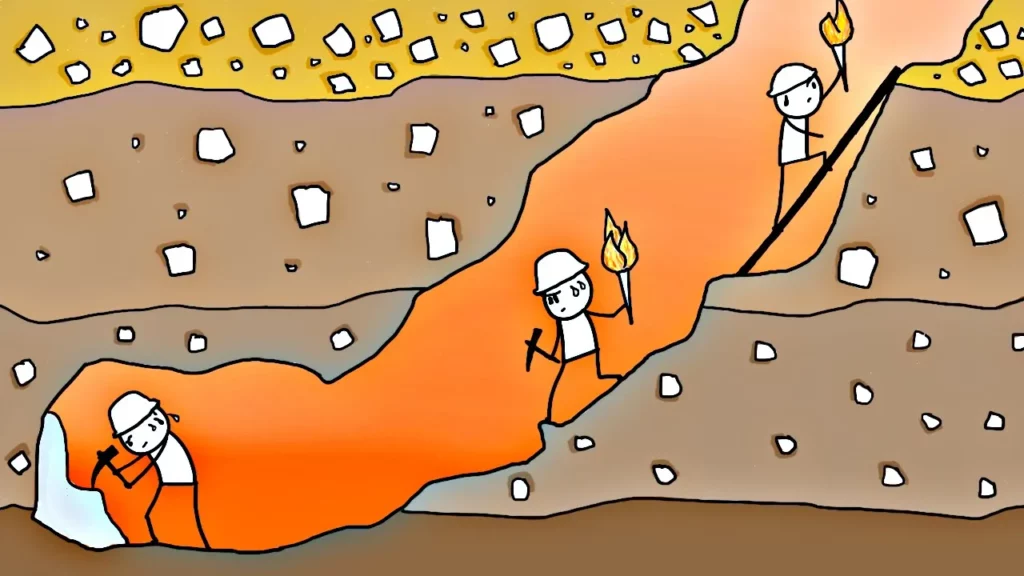
The lesson explains why temperatures increase as you go deeper underground, a phenomenon first noted by miners and later theorized by Lord Kelvin, who believed the Earth was cooling from an originally hot state. While Kelvin’s calculations estimated the Earth to be about 20 million years old, modern science reveals it is approximately 4.5 billion years old, largely due to the heat generated by radioactive elements and the movement of convection currents within the Earth’s mantle. These processes contribute to the dynamic nature of our planet, influencing volcanic activity and tectonic plate movement.
Why Do Bats Carry So Many Diseases? (like Coronavirus)
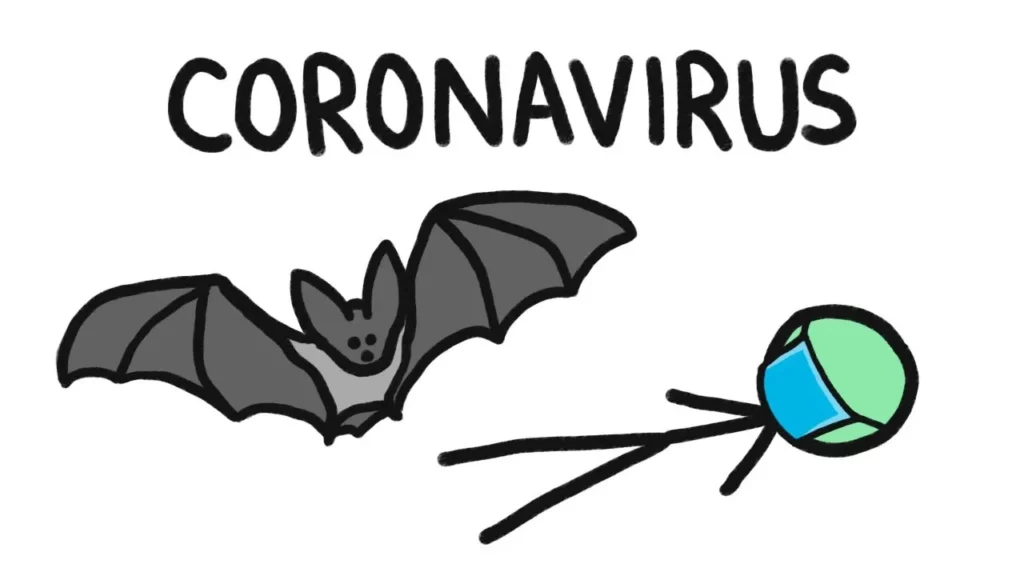
The lesson explores the significant role bats play as carriers of various viruses, including those responsible for severe outbreaks like SARS and Ebola, largely due to human encroachment on their habitats. Bats’ unique social behaviors and advanced immune systems allow them to harbor and transmit these viruses without suffering severe symptoms, while their ability to fly contributes to their resilience against infections. To mitigate the risks associated with bat-associated diseases, the lesson emphasizes the importance of understanding bats’ ecological roles and considering broader disease management strategies rather than solely targeting bats.