
How to Build a Better City
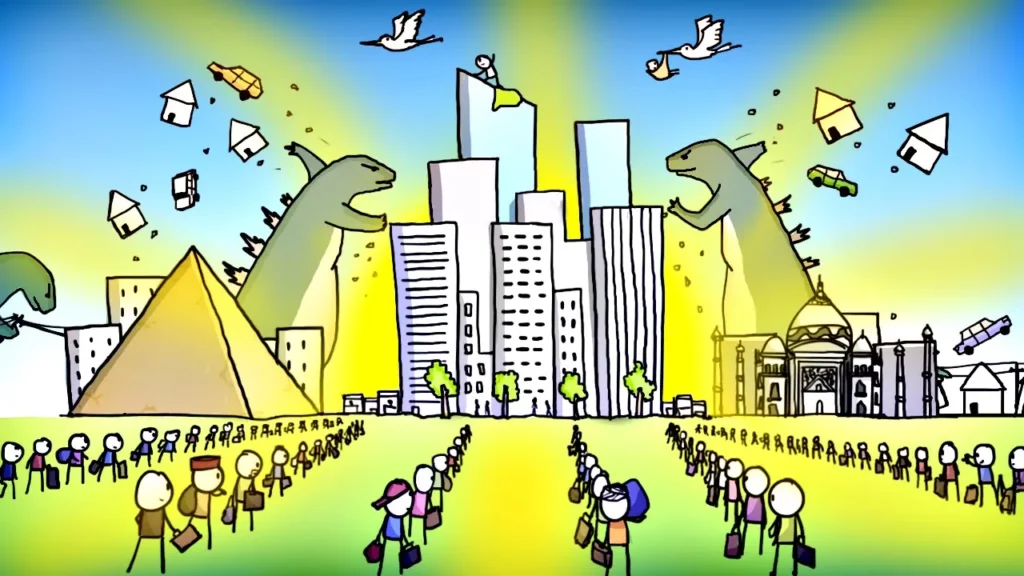
The lesson discusses the challenges and opportunities of urban development in the face of rapid population growth in cities, particularly in Asia and Africa. While cities provide benefits like job opportunities and efficient resource management, they often suffer from urban sprawl, leading to increased resource consumption and pollution. To create better cities, the lesson emphasizes the importance of effective policies, such as investing in mass transit and mixed zoning, to promote denser living environments that enhance efficiency and quality of life.
Why Do We Have More Boys Than Girls?
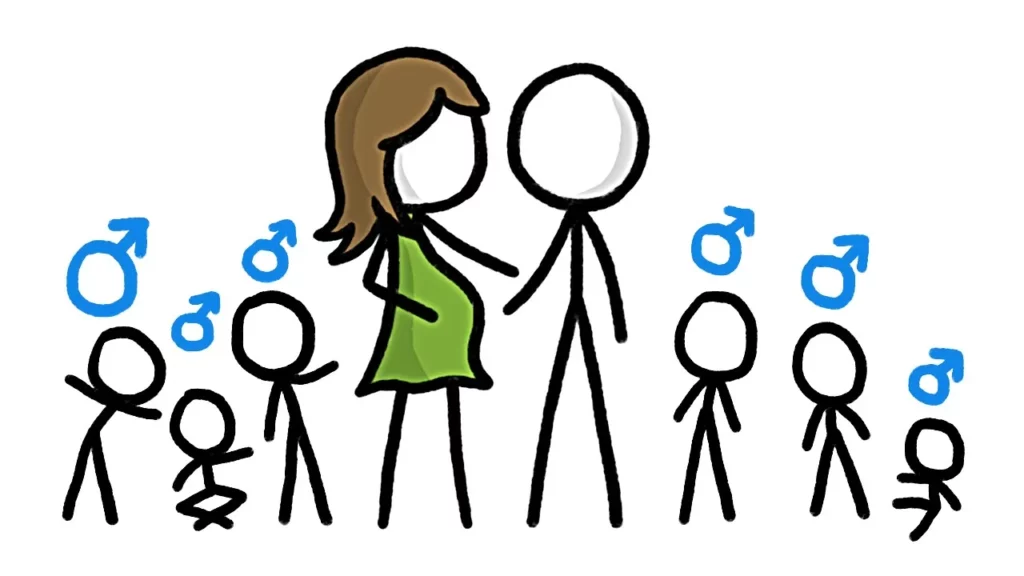
The lesson explores the reasons behind the higher birth rate of boys compared to girls, revealing that for every 100 girls born, approximately 106 boys are born globally. This biological bias begins at conception, where male zygotes outnumber female ones, but male fetuses face higher risks of miscarriage and mortality. Additionally, maternal conditions and environmental factors can influence the likelihood of male births, illustrating a complex interplay between biology and external circumstances that ultimately leads to a greater number of boys being born.
How to keep elephants and wolves out of your yard
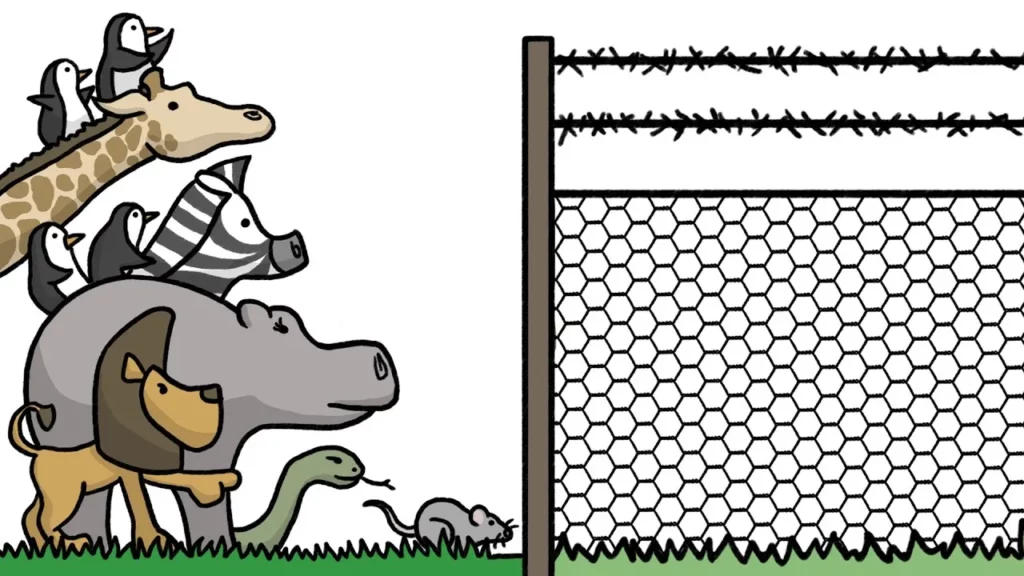
The lesson discusses innovative methods for keeping elephants and wolves out of agricultural areas by understanding animal behavior and biology. In East Africa, farmers use beehive fences to deter elephants, while in Idaho, scientists employ the scent of wolf urine to create invisible barriers for wolves. These examples highlight the importance of knowledge in developing effective, non-disruptive solutions to protect crops and livestock from wildlife.
Five Crazy Bridges for Animals
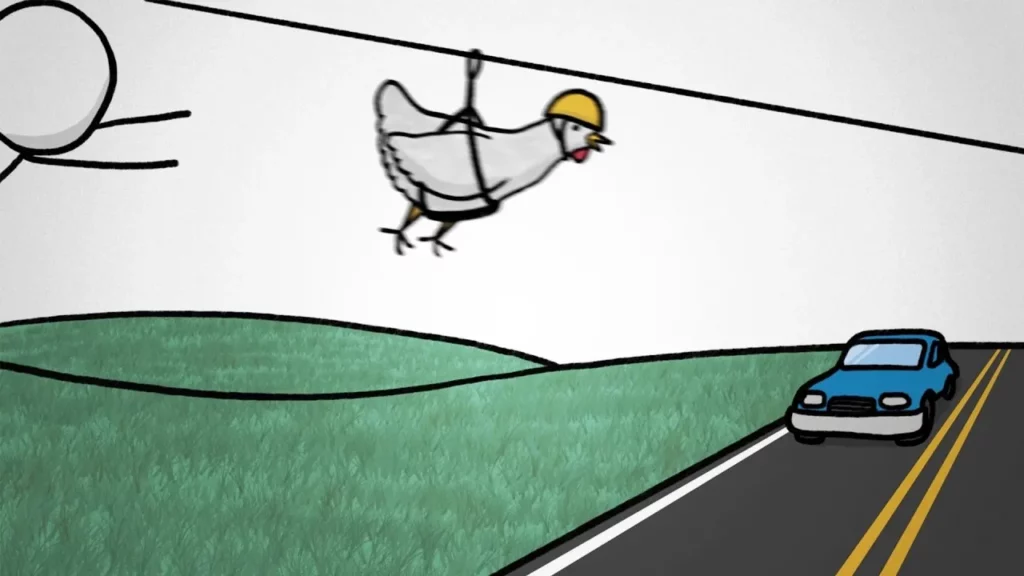
The lesson discusses the challenges animals face when crossing human-made structures like roads and power lines, which can create significant barriers to their movement and survival. It highlights the importance of finding creative solutions, such as building animal overpasses and tunnels, to help them navigate these obstacles safely. Additionally, the lesson emphasizes the need to address both physical and mental barriers to ensure wildlife can thrive in increasingly developed environments.
How two butterflies became one
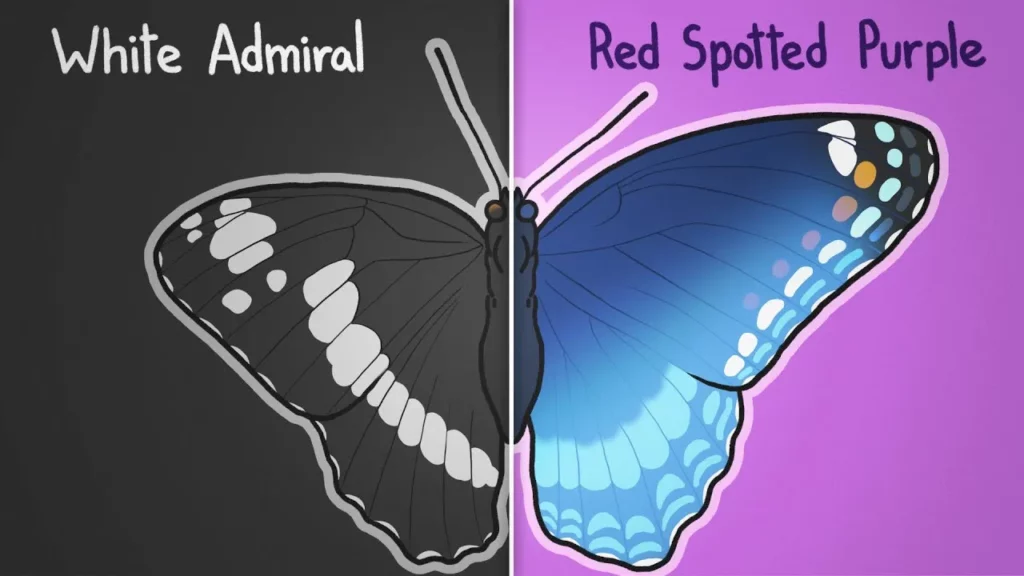
The lesson “How Two Butterflies Became One” explores the fascinating relationship between the White Admiral and the Red-Spotted Purple butterflies during the American Revolution. Despite their distinct appearances and survival strategies, the overlap of their habitats near the U.S.-Canada border revealed that they could interbreed and share many genetic and behavioral similarities, leading scientists to reclassify them as one species. This highlights the idea that external differences can be misleading, emphasizing the complexity and interconnectedness of nature.
Why Do Rivers Curve?
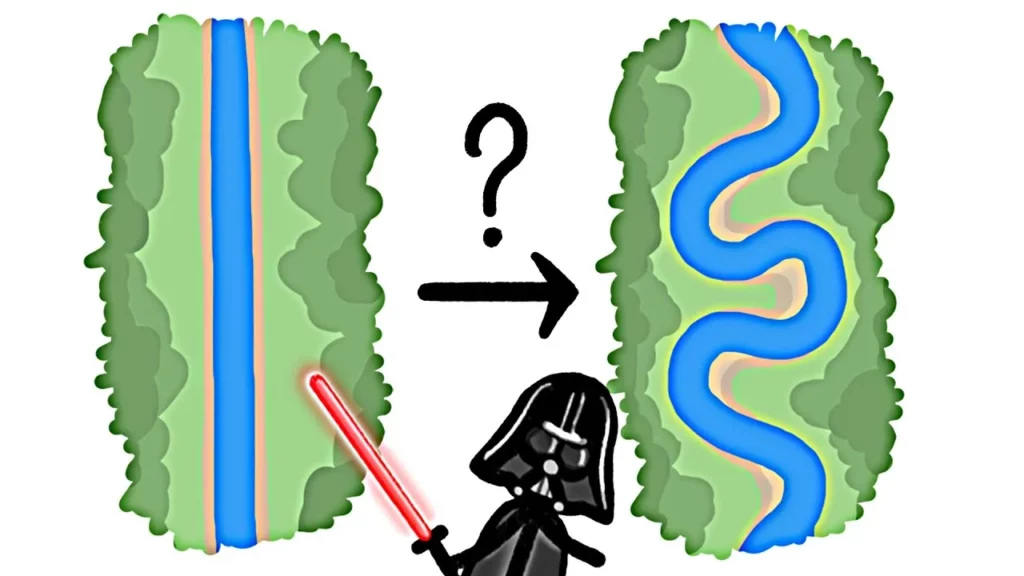
Rivers curve due to the interaction between water flow and the landscape, particularly when they transition from steep mountains to flat plains. As rivers slow down in softer soil, they erode one bank while depositing sediment on the opposite side, creating meanders. Over time, these curves can lead to the formation of oxbow lakes when a river takes a shorter path, illustrating the dynamic nature of river systems.
Why Do We Eat Spoiled Food?
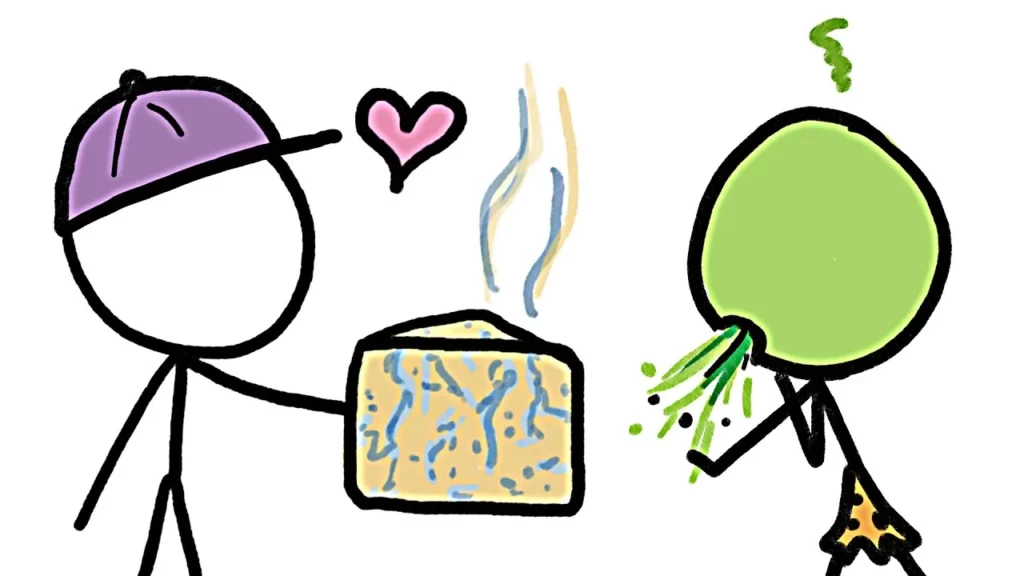
The lesson explores the fascinating role of microbes in food, highlighting how beneficial bacteria and fungi contribute to the flavors and textures of beloved items like cheese, bread, and chocolate. While most microbes are harmless, the process of fermentation allows good microbes to outcompete harmful ones, transforming food and enhancing its safety and taste. This ancient practice has shaped culinary traditions worldwide and underscores the importance of microbes in our food culture.
MinuteEarth Patreon Announcement + Tshirts
The lesson from MinuteEarth emphasizes the importance of community support in creating engaging content about our planet. By watching, sharing, and potentially contributing through platforms like Patreon, viewers play a crucial role in the channel’s growth and sustainability. The message highlights gratitude for the audience’s involvement and encourages continued participation to enhance future video production.
Plate Tectonics Explained
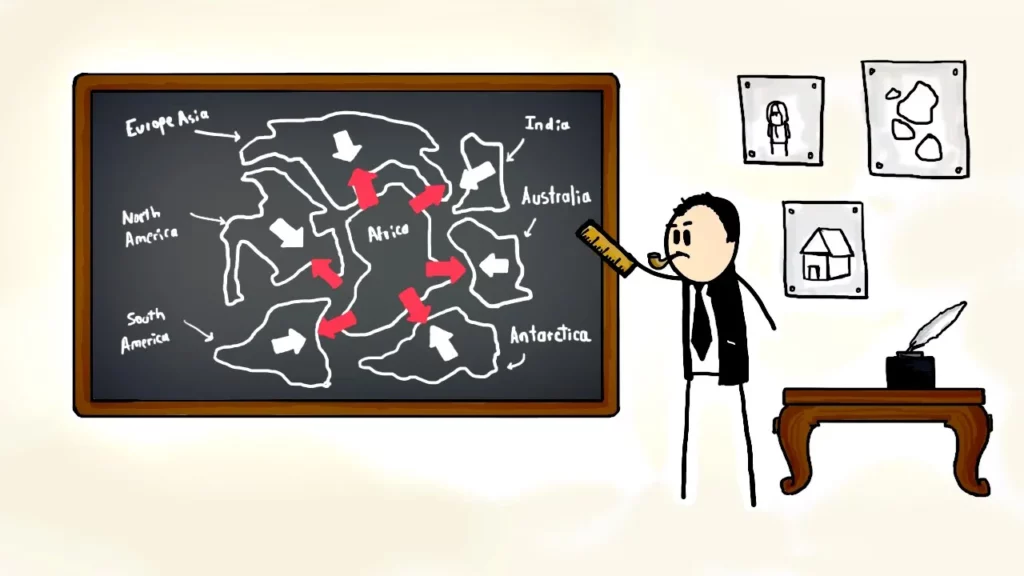
The lesson on plate tectonics explains how the Earth’s continents move due to the movement of tectonic plates, which float on the upper mantle and are driven by currents of molten rock beneath them. It highlights the process of subduction, where ocean plates slide beneath thicker continental plates, and illustrates how these movements can be observed through features like oceanic trenches. Overall, this dynamic system continuously reshapes the Earth’s surface, akin to a conveyor belt transporting baggage.
Why Poor Places Are More Diverse
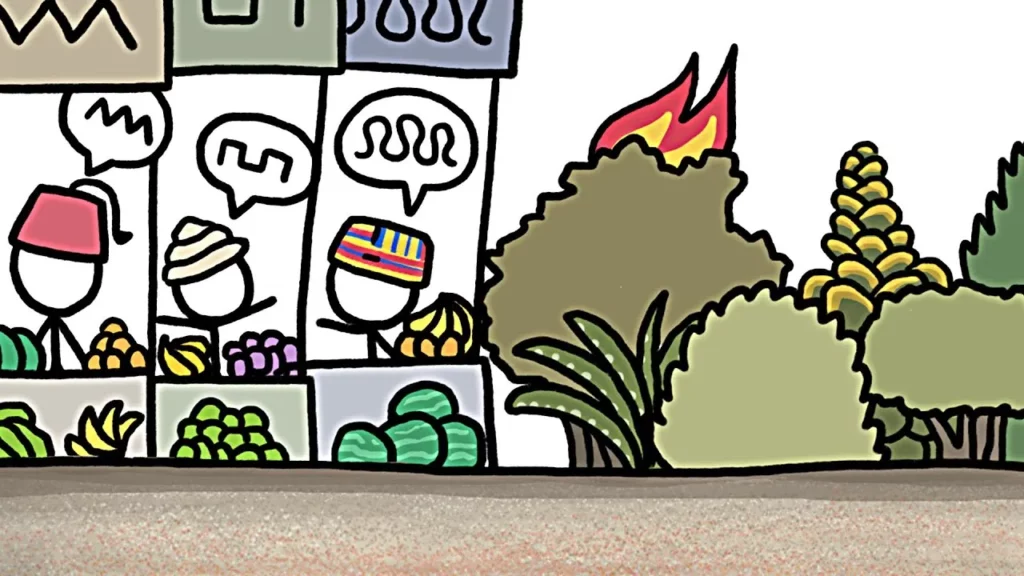
The lesson explores the intriguing relationship between biodiversity and nutrient-poor soils, highlighting that areas with limited resources, such as tropical rainforests and shrublands, often support a greater variety of species compared to regions with nutrient-rich soils. This pattern is mirrored in human societies, where poorer regions tend to have more small businesses and greater cultural diversity. Ultimately, the lesson emphasizes that some of the poorest environments can be the richest in terms of ecological and cultural diversity, shaped by factors like time and stability.