
This Is Your Brain On Extreme Weather
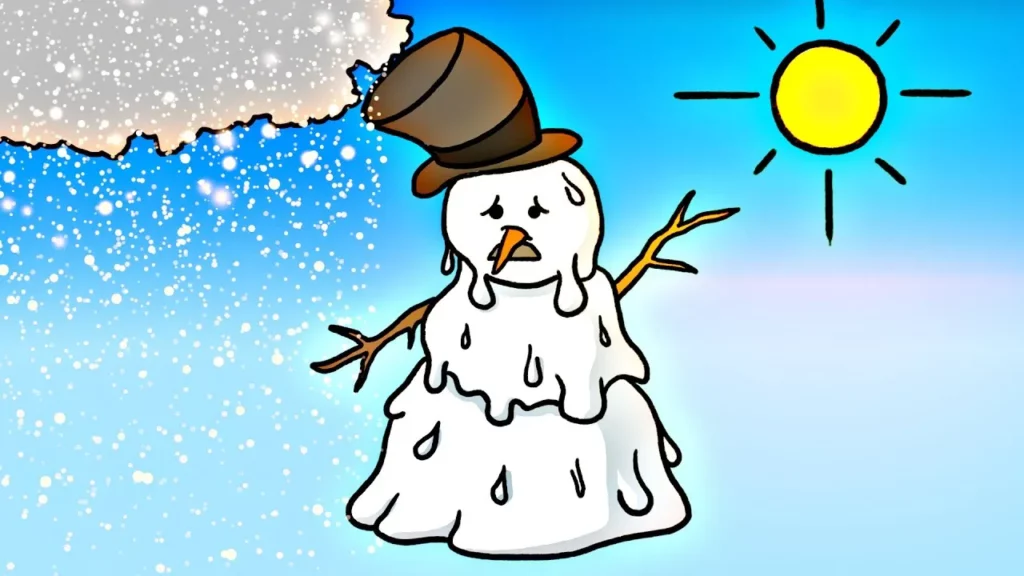
The lesson explores how personal experiences and media influence our perceptions of extreme weather, highlighting that individuals often interpret weather patterns based on recent events they’ve encountered. It emphasizes the importance of recognizing biases in our beliefs and the role of media sensationalism in shaping our understanding of climate phenomena. Ultimately, the lesson encourages critical thinking and consideration of diverse perspectives to gain a more accurate view of weather changes.
Tidal Locking | Why Do We Only See One Side of the Moon?

The lesson on tidal locking explains why we only see one side of the Moon from Earth, a phenomenon caused by the Moon’s synchronous rotation and orbit. Initially spinning rapidly after its formation, the Moon’s rotation gradually synchronized with its orbit due to Earth’s gravitational pull, resulting in one hemisphere always facing our planet. Although we can glimpse a bit more than just the visible side due to the Moon’s elliptical orbit, approximately 41% of its surface remains hidden from view.
Why do Some Species Thrive in Cities?

The lesson explores how certain species manage to thrive in urban environments despite the significant decline of native wildlife in cities since the mid-1800s. It highlights the adaptability and rapid evolution of some animals and plants, such as raccoons and white-footed mice, which have developed traits that allow them to survive and even flourish in challenging urban settings. Ultimately, while cities pose challenges to biodiversity, they also serve as unique environments that test the limits of species adaptability.
Why Don’t Scavengers Get Sick?
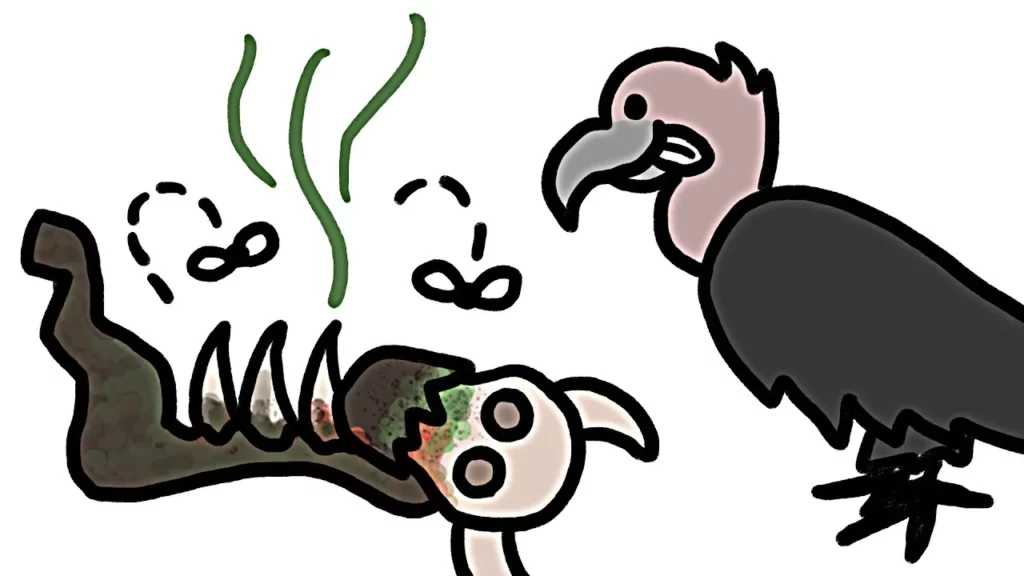
The lesson explores how scavengers, such as vultures and hyenas, avoid getting sick from the toxins produced by decomposers in decaying bodies. They employ various strategies, including selective eating habits, strong stomach acids, and social behaviors that promote immunity. By studying these animals, scientists hope to gain insights into improving human health and immunity against certain toxins and diseases.
Why Are There Clouds?

The lesson explains how clouds are formed through a natural process involving evaporation, rising warm air, and condensation. As the sun heats water from various sources, it turns into water vapor, which rises and cools, eventually forming tiny droplets that create clouds. This process not only illustrates the science behind cloud formation but also highlights the immense energy involved, which can lead to powerful weather phenomena.
Should We Let Pandas Go Extinct?

The lesson discusses the urgent issue of species extinction and the need for prioritization in conservation efforts due to limited resources. It highlights the dilemma of focusing on charismatic species like giant pandas, which attract funding but may not be as critical to ecosystems as less well-known species. Ultimately, the lesson encourages a reevaluation of conservation priorities, advocating for a balance between emotional connections to iconic animals and the rational needs of ecosystem health.
Rain’s Dirty Little Secret

The lesson “Rain’s Dirty Little Secret” explains that every raindrop contains tiny impurities, such as salt or soot, which are essential for their formation. Water molecules in the air need these impurities to cluster together and grow into droplets, as they cannot do so alone. This process is vital for the existence of rain and, consequently, life on Earth, highlighting the important role that even the smallest particles play in our environment.
How Do Greenhouse Gases Actually Work?
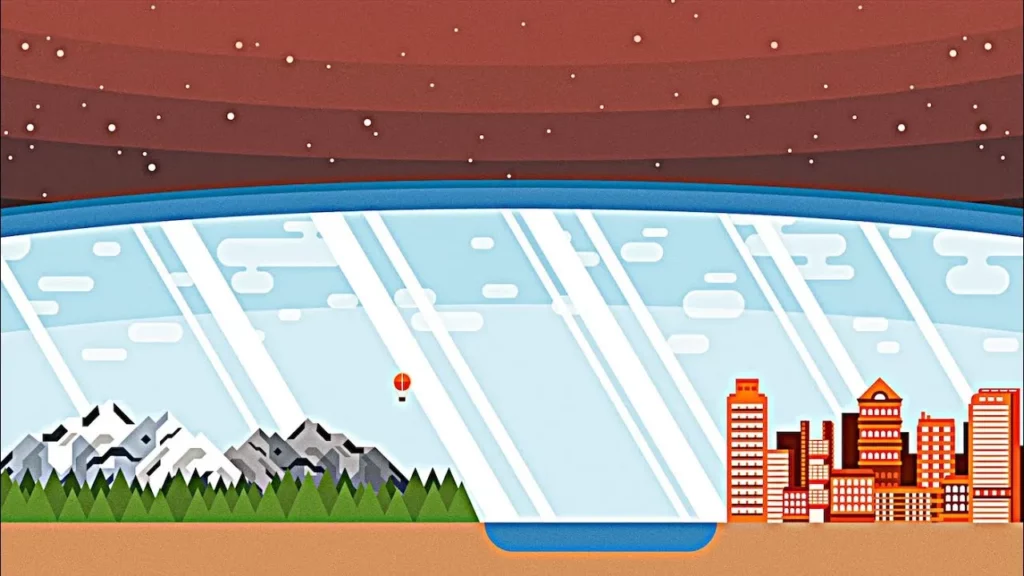
This lesson explains the crucial role of Earth’s atmosphere and greenhouse gases in maintaining a stable climate that supports life. Unlike the Moon, which experiences extreme temperature fluctuations, Earth’s atmosphere acts as a protective blanket, absorbing and trapping heat through specific molecules like water vapor and carbon dioxide. Understanding this process highlights the delicate balance of our climate and the impact of human activities on greenhouse gas levels.
Are We Really 99% Chimp?
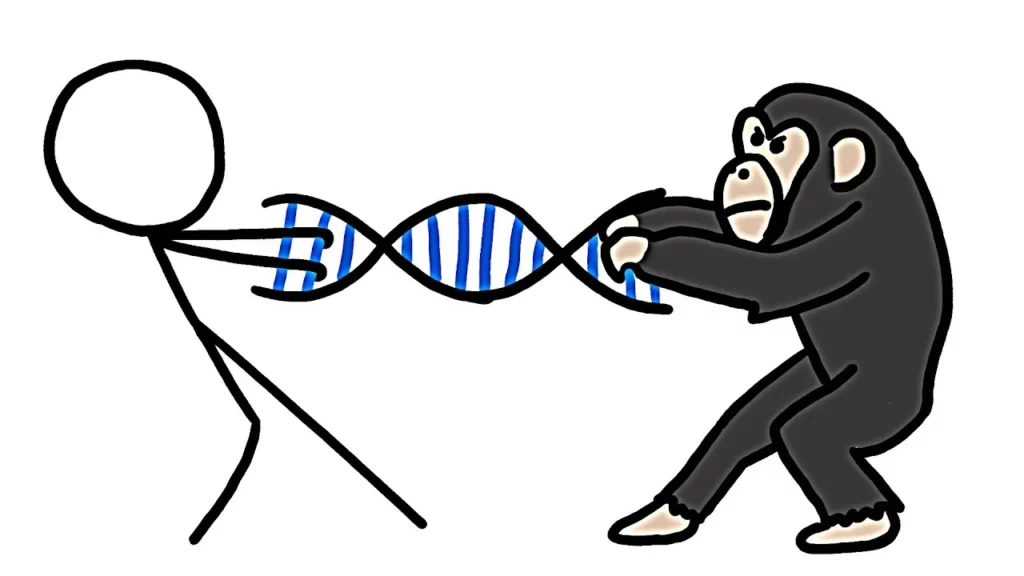
The lesson discusses the common misconception that humans share 99% of their DNA with chimpanzees, explaining that while humans and chimpanzees do share a significant amount of genetic material, the comparison is more complex due to differences in chromosome structure and large genomic variations. It highlights that while 98.77% of the remaining DNA is identical when excluding large mismatched sections, even small genetic differences can lead to significant variations in traits and behaviors. Ultimately, the lesson emphasizes the importance of understanding these genetic connections to gain insights into evolutionary relationships among species.
Is Climate Change Just A Lot Of Hot Air?
The lesson discusses the impact of climate change on weather patterns, highlighting that a seemingly small increase in global temperatures has led to significant changes in weather extremes. It explains how the oceans have absorbed a vast amount of energy, resulting in warmer waters that contribute to increased evaporation and more intense storms, floods, and droughts. Overall, the lesson emphasizes the connection between rising temperatures, energy absorption, and the resulting changes in weather phenomena.