
Do We Have to Get Old and Die?
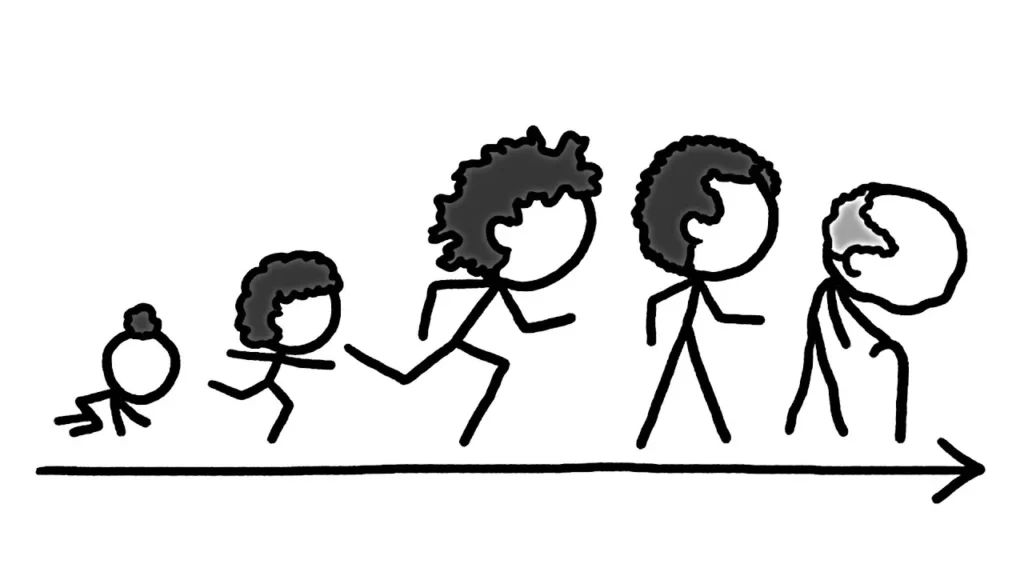
The lesson explores the concept of aging and the unique biological traits of certain species, such as naked mole rats and jellyfish, that challenge the typical aging process. Naked mole rats, for example, exhibit negligible senescence, maintaining their reproductive capabilities and health throughout their lives due to their ability to rebuild telomeres, while the jellyfish Turritopsis dohrnii can revert to an earlier life stage when faced with adversity. Ultimately, the lesson emphasizes that while some organisms may evade the signs of aging, all living beings are still subject to death.
Why Are There Dangerous Ingredients In Vaccines?
This lesson explains the importance of vaccines in saving lives and how they prepare our immune system to combat diseases. It addresses the presence of seemingly harmful ingredients, such as formaldehyde and adjuvants like aluminum, which are used in controlled amounts to enhance vaccine effectiveness without compromising safety. Ultimately, the lesson emphasizes that the benefits of vaccination in preventing serious illnesses far outweigh the minimal risks associated with these ingredients.
We’re Oversalting Our Food, And It’s Not What You Think
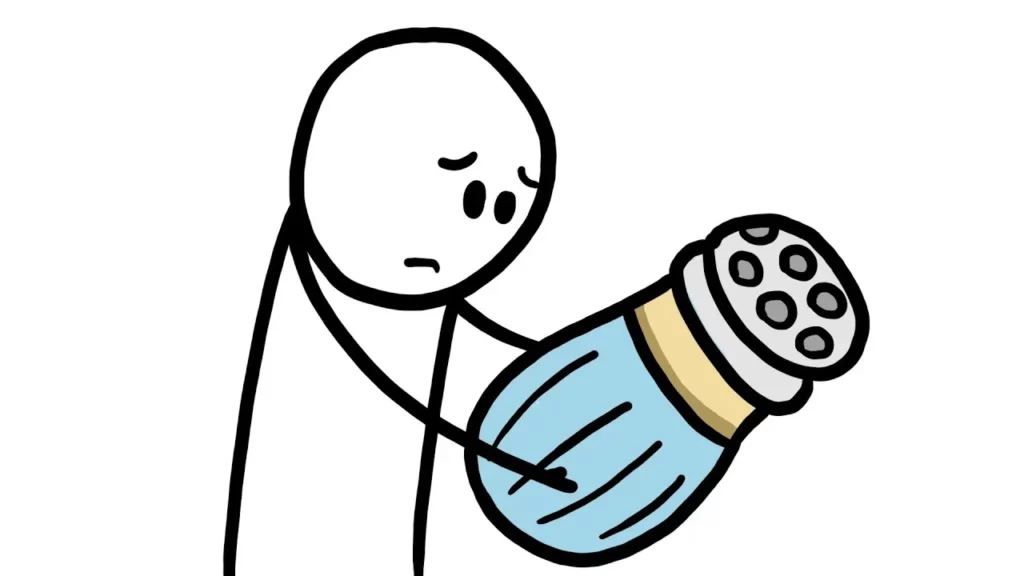
The lesson highlights the significant issue of salt accumulation in the soil of dry regions, which threatens crop yields and agricultural sustainability. It explains how the replacement of native plants with shallow-rooted crops exacerbates the problem by raising the water table and bringing salty water to the surface. To combat this, the lesson suggests using deep-rooted native plants to manage water levels and reduce soil salinity, ensuring the continued productivity of these vital agricultural areas.
How Fighting Wildfires Makes Them Worse
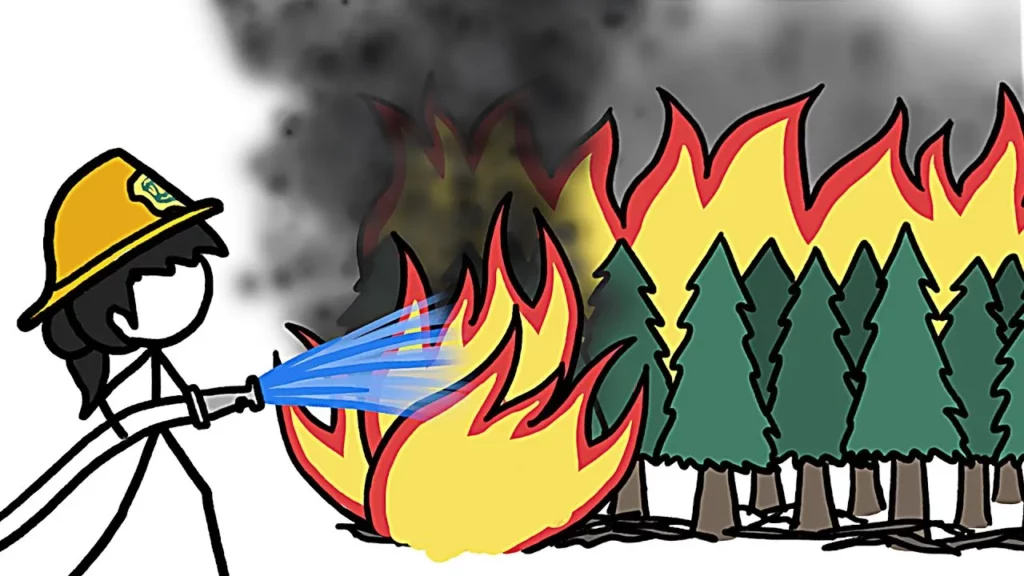
The lesson discusses the historical context and evolution of wildfire management in the U.S., highlighting how initial fire suppression strategies led to denser, more flammable forests, resulting in increasingly severe wildfires. It emphasizes the rising costs of wildfire management and the need for proactive measures, such as controlled burns and selective logging, to reduce fuel loads and mitigate the risk of catastrophic fires. Ultimately, the lesson advocates for a shift in funding priorities towards preventive measures to create safer and more resilient forest ecosystems.
How Risky Are Vaccines?
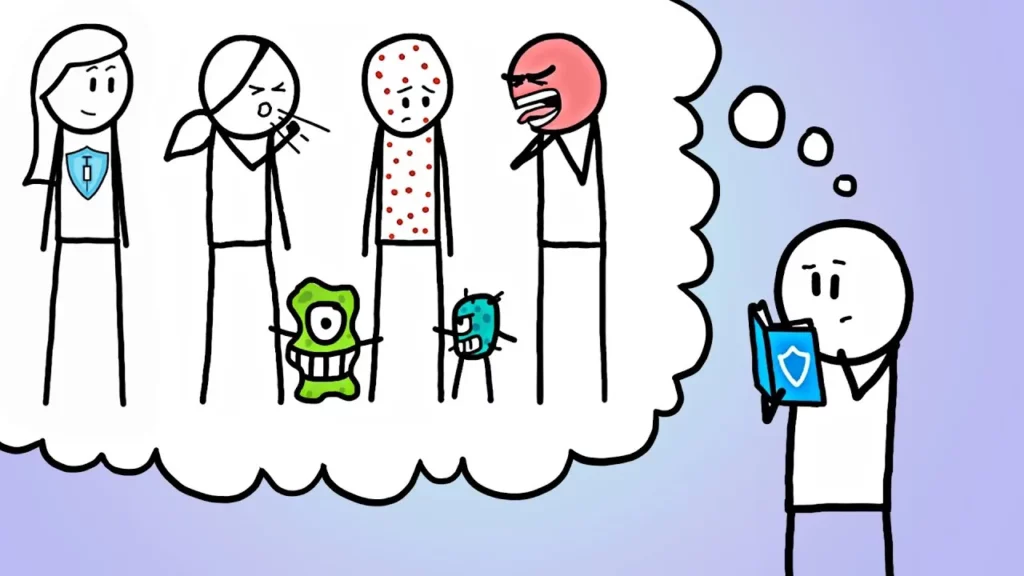
The lesson on “How Risky Are Vaccines?” emphasizes that while vaccination can evoke anxiety due to perceived risks, the actual dangers associated with vaccines are minimal compared to the benefits they provide. Vaccines are designed to prevent diseases and have significantly reduced the incidence of illnesses like whooping cough and polio, with serious side effects being extremely rare. Understanding the true risk versus the benefits of vaccination can help individuals make informed decisions and contribute to community health.
The Real Reason Leaves Change Color In the Fall
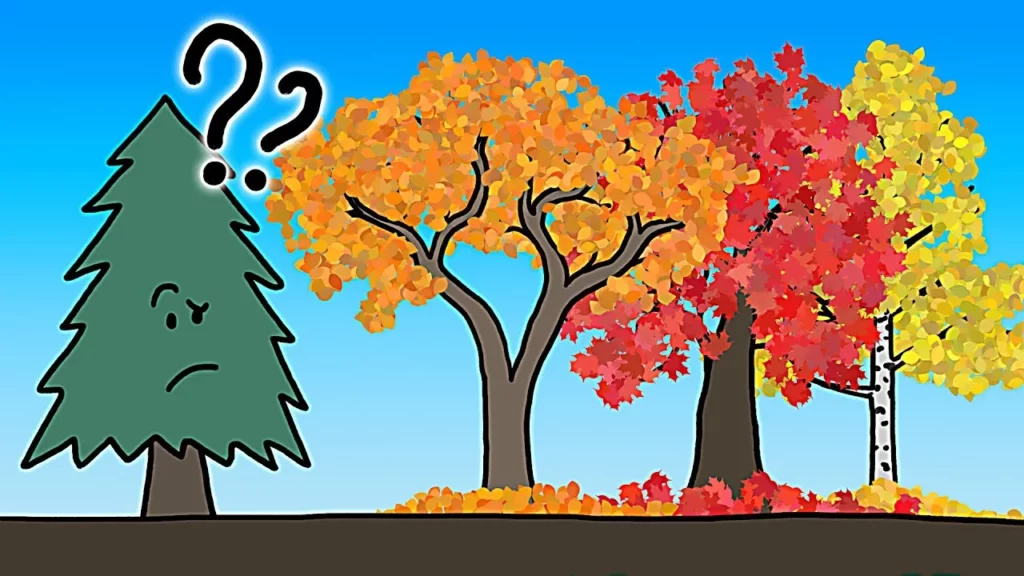
Leaves change color in the fall as part of a strategic process by deciduous trees to conserve nutrients before shedding them for winter. As chlorophyll breaks down, the yellow and orange pigments become visible, while some trees produce red and purple pigments for added protection against sunlight. This colorful transformation not only enhances the beauty of autumn but also allows trees to recycle essential nutrients like nitrogen and phosphorus for future growth in spring.
How To Avoid The Next Atlantis
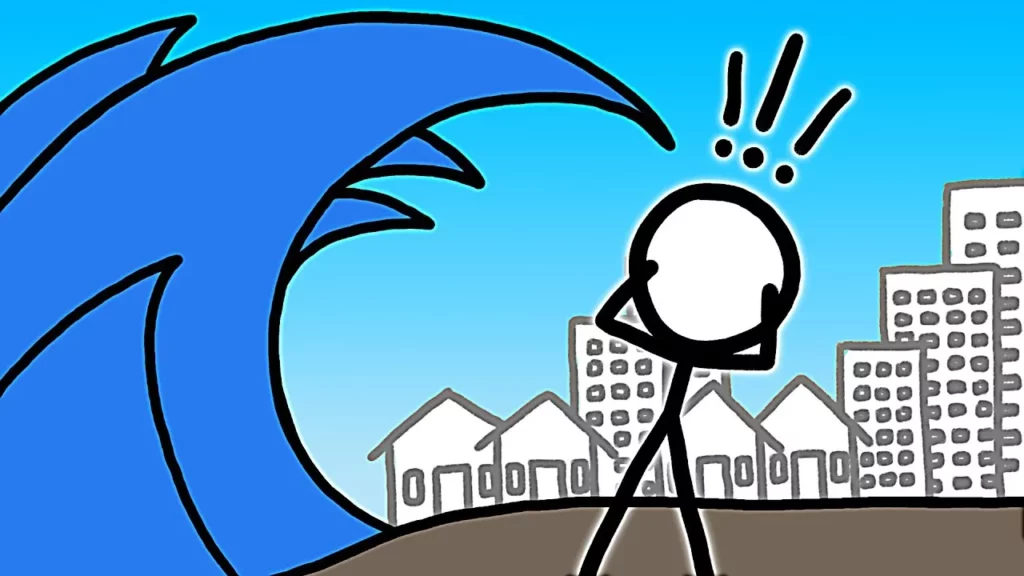
The lesson discusses the historical and ongoing challenges cities face from natural disasters, particularly flooding due to rising sea levels and severe storms. It highlights innovative water defense systems developed in places like the Netherlands, as well as creative solutions such as water-absorbing concrete and floating structures. The lesson emphasizes the importance of combining technology with natural defenses, like salt marshes, to enhance urban resilience against climate-related threats while acknowledging that more innovative strategies are needed to protect cities from future disasters.
Climate Change: The View From MinuteEarth | #OursToLose
The lesson highlights the urgent and often invisible impacts of climate change through personal stories from individuals around the world, illustrating how gases like carbon dioxide and methane are contributing to severe environmental changes. Each narrative—from droughts in the Rocky Mountains to flooding in New York City—demonstrates the diverse challenges faced by communities due to climate change. The lesson emphasizes the importance of collective action and advocacy to address these issues, urging individuals to share their experiences and push for stronger regulations on greenhouse gas emissions.
Why Do Rivers Have Deltas?
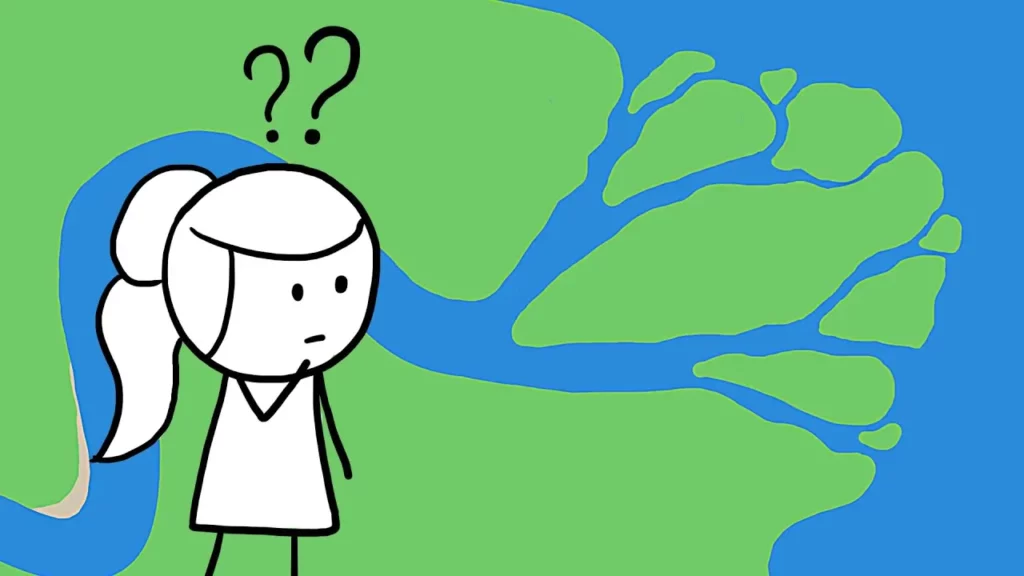
The lesson explains the formation of river deltas, highlighting how rivers interact with the sea and the land. It describes the processes that lead to delta creation, particularly the role of sediment deposition when rivers slow down at their mouths, and emphasizes the importance of deltas for agriculture and human habitation. Additionally, it addresses the threats to deltas from human activities and climate change, underscoring the need for conservation efforts to protect these vital ecosystems.
This Is Not A Pine Tree
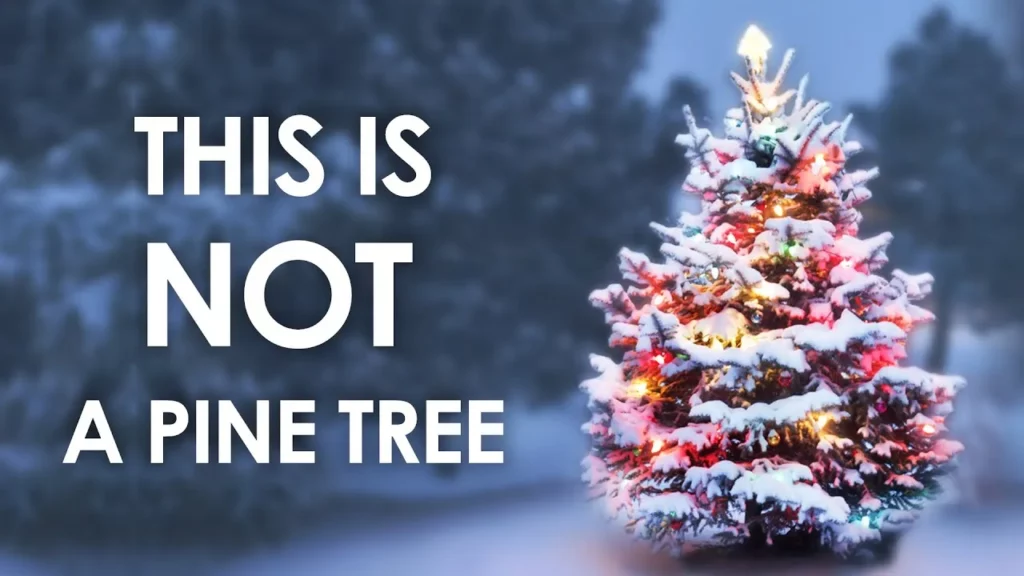
In this lesson, we explore how to distinguish true pine trees from similar species like spruces, firs, and Douglas-firs. True pines have unique characteristics such as needles in clusters and cones that take two years to mature, while spruces have squarish needles and one-year cones, and firs have upright cones and flat needles. Understanding these differences can enhance your ability to identify various trees in nature.