
DemDebate Secret Video: What The U.S. Promised In Paris

The lesson explores the significance of the Paris Agreement, where world leaders, including those from the United States, committed to addressing climate change by reducing harmful emissions. The U.S. pledged to cut its emissions by approximately 18% over the next decade, but current efforts only partially meet this goal, highlighting the need for stronger action. Understanding these commitments is essential, as they impact global weather, health, and food security, and individuals can contribute by adopting sustainable practices.
How Many Mass Extinctions Have There Been?
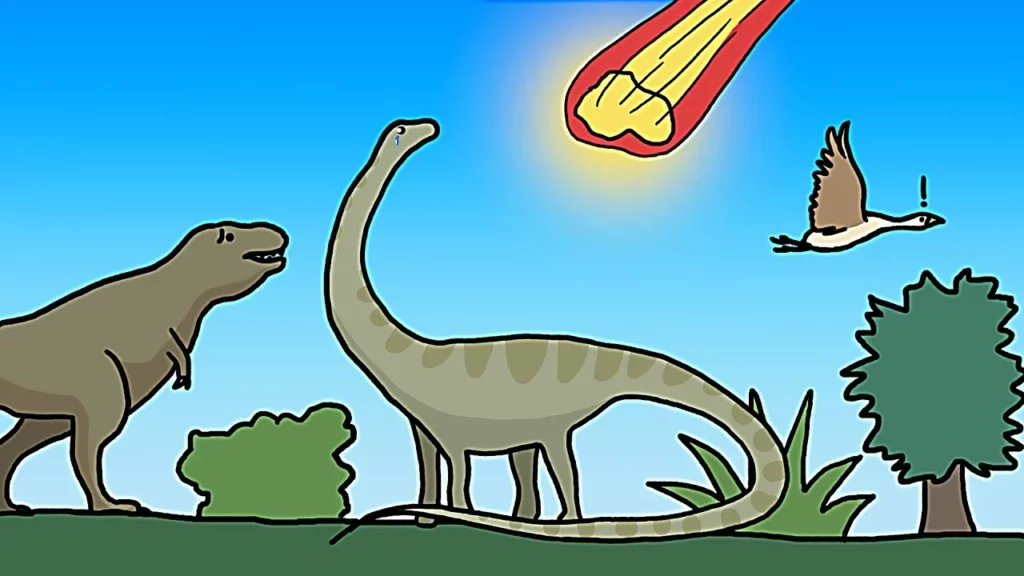
The lesson explores the concept of mass extinctions, highlighting the work of scientist Jack Sepkoski, who created a significant chart detailing the “Big Five” mass extinctions in Earth’s history, including the one that led to the extinction of the non-avian dinosaurs. It emphasizes that while these five events are notable, there are additional significant extinctions, such as the Great Oxygenation Event, and that the fossil record’s limitations complicate our understanding of biodiversity and extinction events. Ultimately, the lesson underscores the importance of studying these mass extinctions to better understand the evolutionary history and resilience of life on Earth.
Which Fish Did We Evolve From?
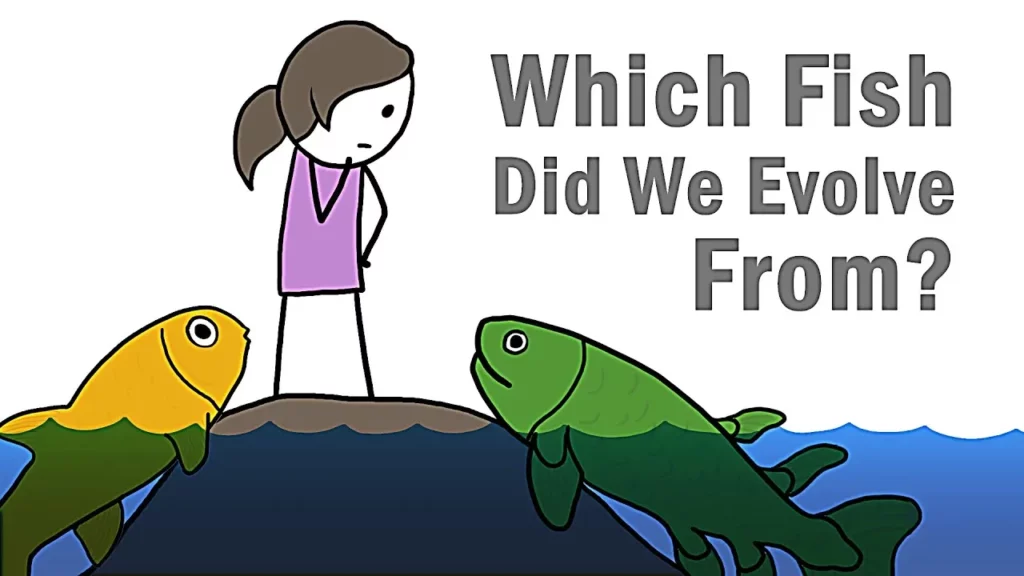
The lesson explores the evolutionary journey from fish to land-dwelling creatures, highlighting that lobe-finned fish, which had stronger fins, were the ancestors of all four-limbed animals. While ray-finned fish became dominant after a mass extinction, some lobe-finned fish adapted to life on land, leading to the diverse range of mammals, birds, reptiles, and amphibians we see today. This fascinating transformation illustrates the significant role of environmental changes in shaping the evolution of species.
Males vs. Females: Sexual Conflict
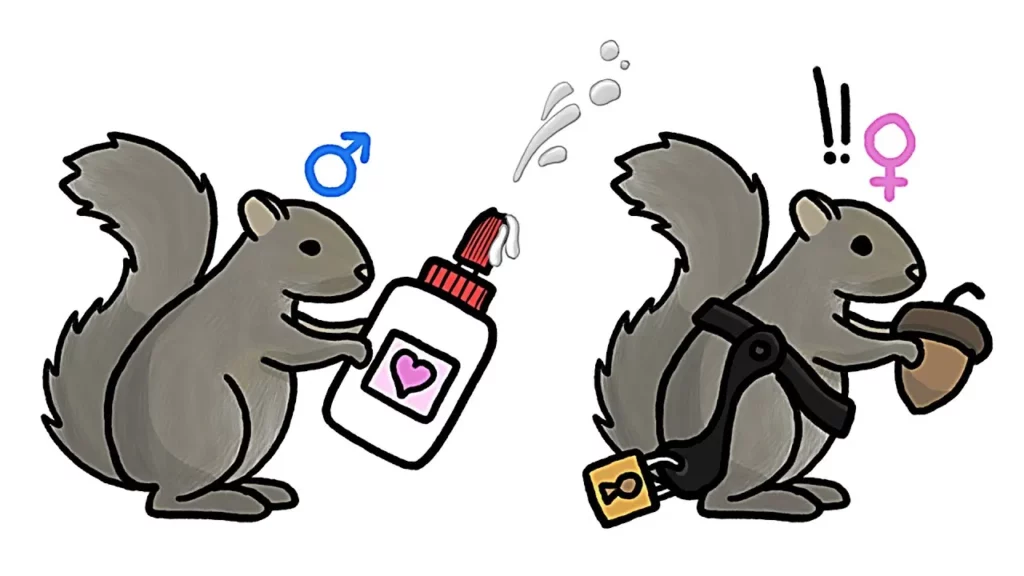
The lesson explores the dynamics of sexual conflict between males and females in the animal kingdom, highlighting their differing reproductive strategies: males typically prioritize quantity by seeking to father as many offspring as possible, while females focus on quality by selecting the best mates and investing heavily in their young. This competition leads to the development of various tactics from both sexes, with males attempting to limit female choice and females evolving counter-strategies to maintain control, resulting in a complex interplay of cooperation and competition that drives evolutionary adaptations. Ultimately, these dynamics illustrate the intricate ways in which animals, including humans, navigate reproductive challenges.
How Mushrooms Make It Rain
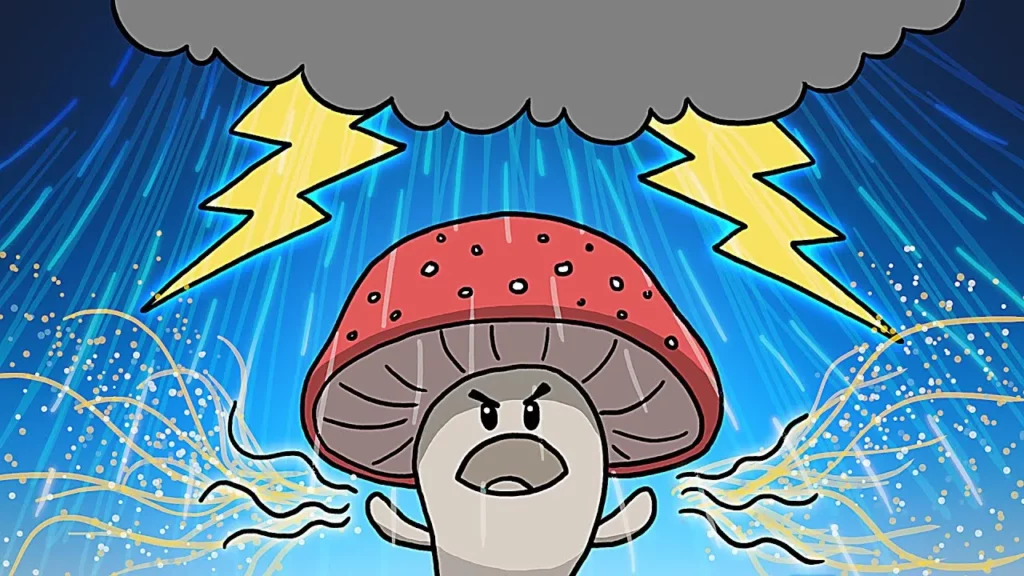
In this lesson, we explore the fascinating role of mushrooms in cloud formation, highlighting how a single mushroom can release billions of spores that contribute to the creation of rain. These spores serve as tiny particles for moisture in the air to cling to, facilitating the formation of water droplets and ice crystals, which can lead to precipitation. The lesson emphasizes the interconnectedness of fungi and weather patterns, encouraging a new appreciation for mushrooms in our ecosystem.
How Much Does Meat Actually Cost?

The lesson explores the hidden costs associated with meat, dairy, and egg consumption in the United States, emphasizing that the true price of these products extends beyond their grocery store tags. It highlights the financial subsidies for farmers, health costs linked to animal product consumption, and the environmental impact of livestock farming, suggesting that these factors could add significant amounts to a family’s grocery bill. By understanding these hidden costs, consumers can make more informed dietary choices and consider reducing their intake of animal products.
Who Are Flowers Trying To Seduce?
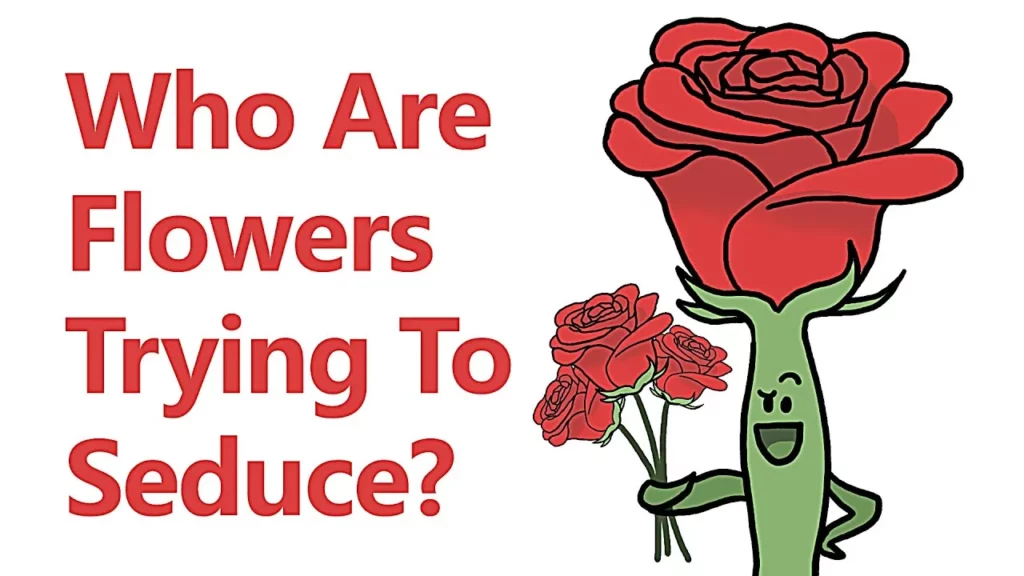
In this lesson, we explore the fascinating strategies flowers use to attract their pollinators, ensuring their reproduction and growth. From the stinking corpse lily that lures flies with its odor to vibrant bee-friendly flowers and those designed for hummingbirds, each plant has unique adaptations to entice specific helpers. Additionally, we learn about nighttime pollinators, ground-level attractants, and the role of wind and water in pollen distribution, highlighting the intricate teamwork in nature that supports plant evolution.
The Deadliest Ice Age Ever

The lesson discusses the significant impact of the Deadliest Ice Age, which occurred around 450 million years ago, leading to a massive extinction event that wiped out four out of five marine species. Scientists study ancient rocks, particularly from Northern Africa, to uncover clues about this ice age, which disrupted life on Earth in two waves—during the ice sheet’s expansion and its subsequent melting. Despite advancements in understanding these events, many questions remain regarding the survival and extinction patterns of various species during this period.
Should We Contact Uncontacted Peoples?
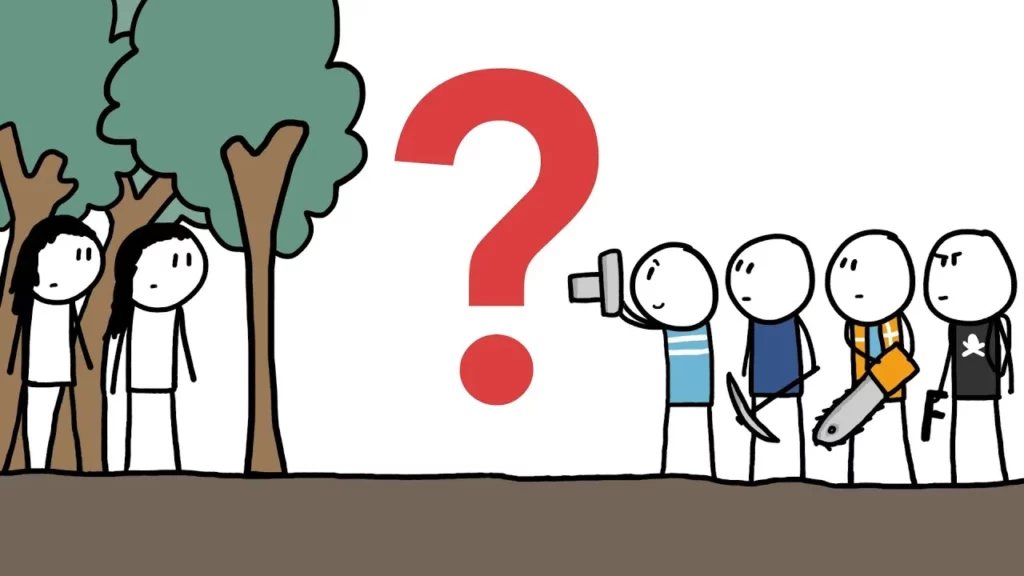
The lesson explores the complexities and ethical dilemmas surrounding the potential contact with uncontacted peoples, emphasizing the historical consequences of such encounters, like the harm caused to Native Americans by European explorers. It highlights the current threats faced by isolated groups in tropical rainforests and discusses the rights of these peoples to remain undisturbed, while also considering the possibility of responsible engagement through cultural mediators. Ultimately, the lesson raises important questions about whether to initiate contact or respect their autonomy, inviting reflection on the ethical implications of these decisions.
The Mystery Of Asparagus Pee
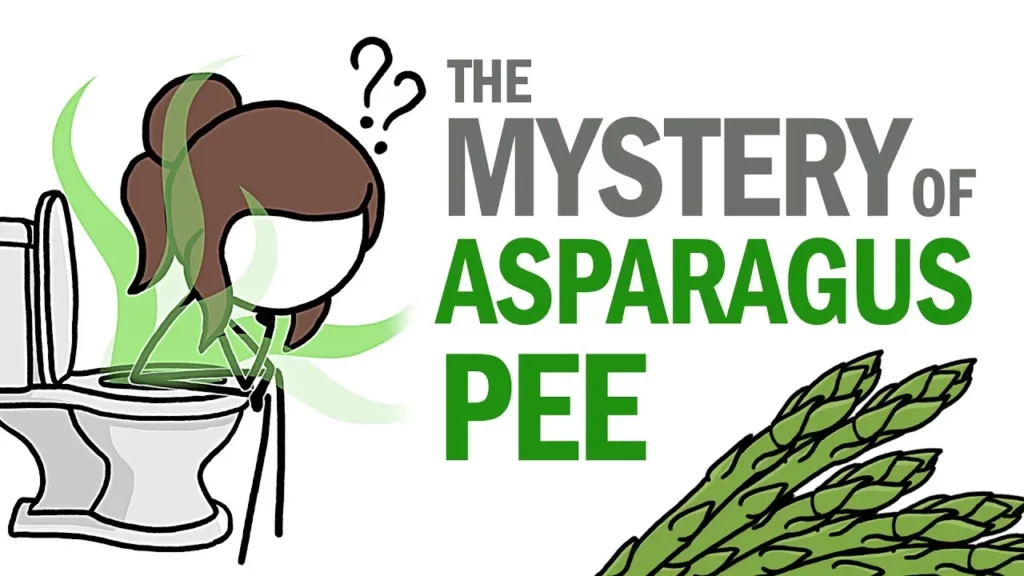
The lesson explores the intriguing phenomenon of asparagus affecting urine odor, a curious side effect that not everyone experiences. While about 40% of people either do not produce or cannot detect the smell, researchers have identified sulfur compounds in the urine of those who can, suggesting genetic and metabolic factors play a role. Despite the ongoing mystery surrounding this effect, asparagus remains a delicious and nutritious vegetable worth enjoying.