
Why We Sucked At Counting Fish (Until Now)
The lesson discusses the evolution of fish counting methods, highlighting the limitations of traditional fish trawls and the groundbreaking use of SONAR technology developed by Spanish researchers in 2010. This innovative approach revealed that the global fish population is approximately ten times higher than previous estimates, with the bristlemouth identified as the most common vertebrate on Earth. The advancements in fish counting not only enhance our understanding of marine life but also aid in conservation efforts.
Orchids: The Masters Of Lying, Cheating & Stealing
The lesson on orchids highlights their unique adaptations as specialists in various environments, relying on fungi for seed nourishment and employing deceptive tactics to attract pollinators. Despite their fascinating survival strategies and the allure that has historically led to over-collection, conservation efforts are underway to protect these diverse plants from habitat destruction and extinction. Global initiatives, including habitat preservation and breeding programs, aim to ensure the survival of the approximately 25,000 orchid species.
The Basics Of Digital Illustration

In this lesson on the basics of digital illustration, Ever introduces the fundamental concepts and tools used in creating digital drawings, primarily using Adobe Photoshop. The lesson covers the differences between raster and vector graphics, the importance of using a graphics tablet for digital painting, and the advantages of working with layers in Photoshop to enhance illustrations. By the end, learners gain insights into techniques for adding depth and effects to their artwork, making it suitable for projects like MinuteEarth videos.
Would You Drink Water Made From Sewage?

The lesson explores the concept of disgust and its impact on human decision-making, particularly regarding the acceptance of recycled water. Despite the safety of treated wastewater, many people instinctively reject it due to its association with contamination, a reaction rooted in evolutionary survival instincts. The lesson highlights how public perception can be shifted through strategies like rebranding and allowing time for the water to be stored, as well as how urgent circumstances can lead to a change in attitudes towards previously rejected ideas.
Which Bear Is Best?
The lesson explores the evolutionary journey of black bears and ferrets, highlighting how human actions have significantly impacted their survival. While American black bears have thrived due to changing perceptions and habitat growth, Asiatic black bears face severe threats from hunting and habitat destruction. Similarly, North American ferrets have declined due to a loss of their food source, while Asian ferrets continue to prosper, illustrating how different circumstances can shape the fate of species.
Null Island: The Busiest Place That Doesn’t Exist
The lesson explores the concept of Null Island, a fictional location in the Atlantic Ocean that arises from a misunderstanding of “NULL” in computer systems. It explains how “NULL” signifies the absence of data, leading to errors in mapping and location services, such as mistakenly identifying voters’ addresses or misinterpreting names. Through these examples, the lesson highlights the complexities of accurately translating real-world information into digital formats.
Can Math Explain How Animals Get Their Patterns?
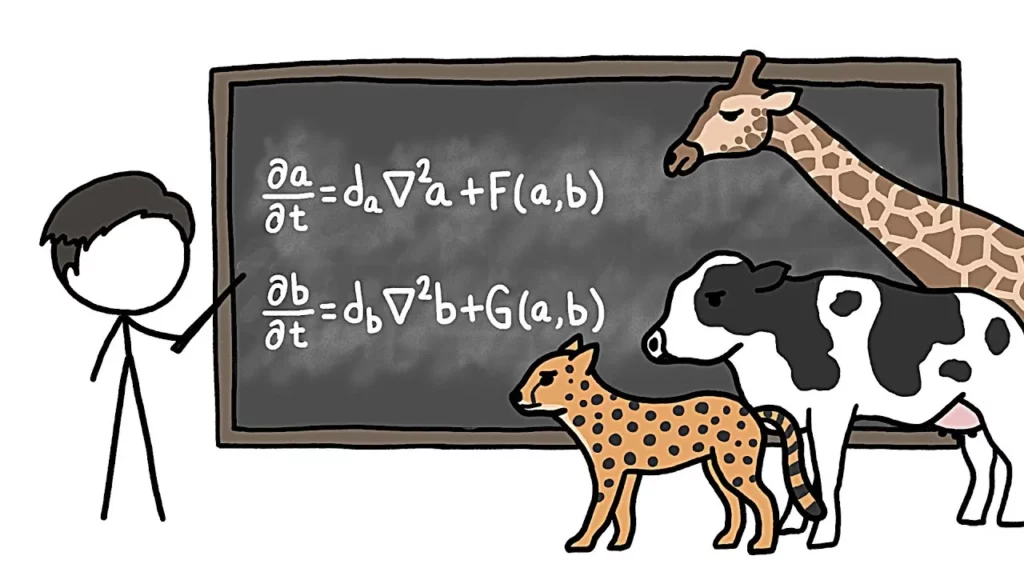
The lesson explores how mathematical models, particularly those proposed by Alan Turing, can explain the formation of patterns in nature, such as the spots on cows and stripes on fish. Turing’s model involves the interaction between two substances—an activator that promotes growth and an inhibitor that slows it down—leading to various patterns based on their spatial dynamics. While Turing’s theory provides a framework for understanding these patterns, real-world examples show that genetic factors also play a significant role, prompting ongoing research into the relationship between mathematics and biological pattern formation.
How To (Literally) Save Earth
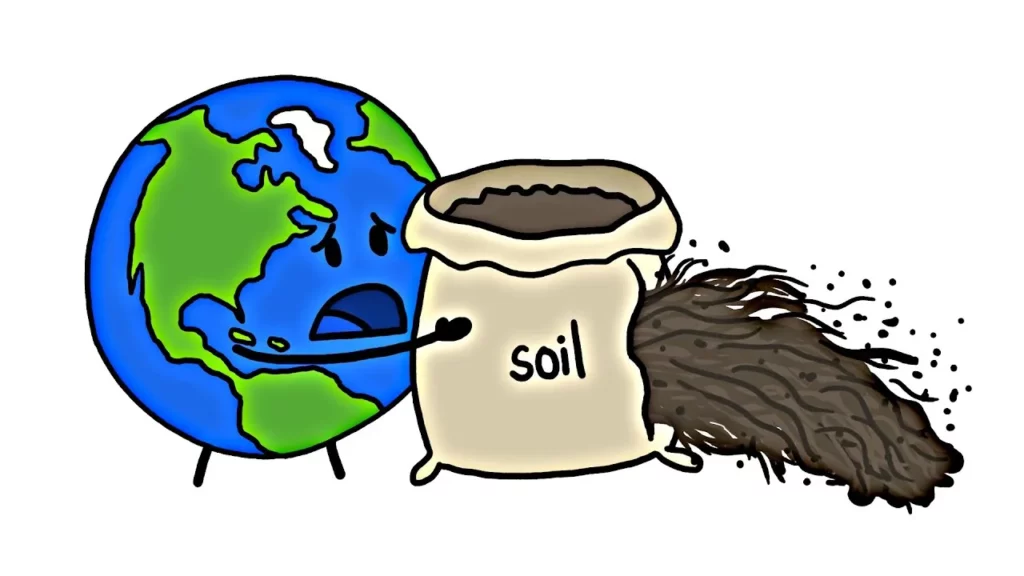
The lesson emphasizes the critical role of soil in sustaining life and highlights the detrimental effects of modern farming practices on soil health, leading to significant erosion and reduced agricultural productivity. It draws on historical examples, such as the degradation of soil on Mangaia, to illustrate the consequences of poor soil management. Solutions for soil conservation, including reduced plowing and the use of cover crops, are presented as essential strategies for ensuring sustainable agriculture and preventing future competition for fertile land.
Why Can’t Mules Have Babies?
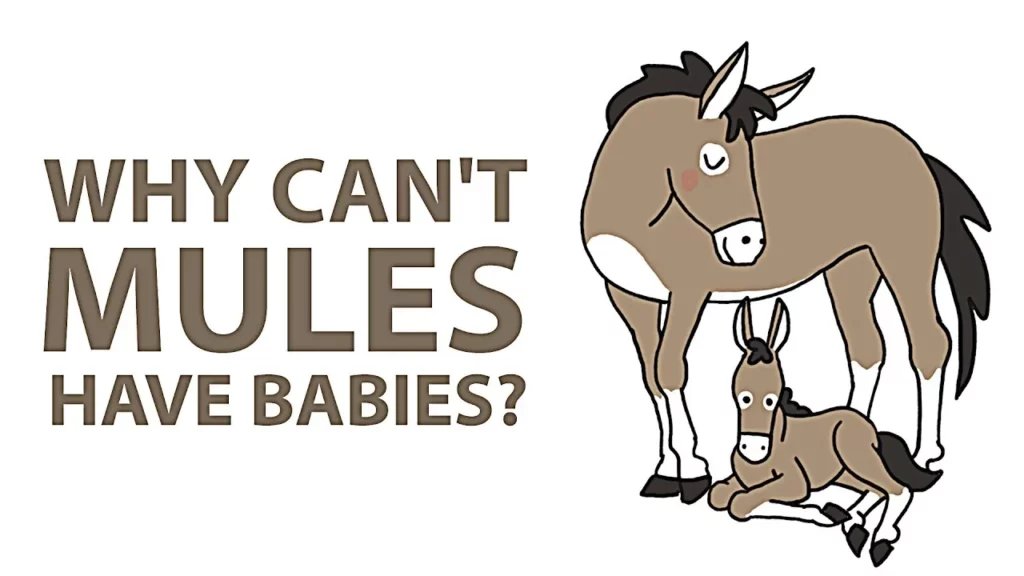
In this lesson, Emily explores the intriguing topic of animal hybrids, focusing on mules, which are the offspring of a female horse and a male donkey. Mules typically cannot reproduce due to mismatched chromosomes from their parent species, making it difficult to create functional sex cells; however, there are rare exceptions where female mules have successfully given birth by using only their mother’s DNA. This highlights the complexity of reproduction in hybrids and the fascinating nuances of nature.
The Faint Young Sun Paradox!
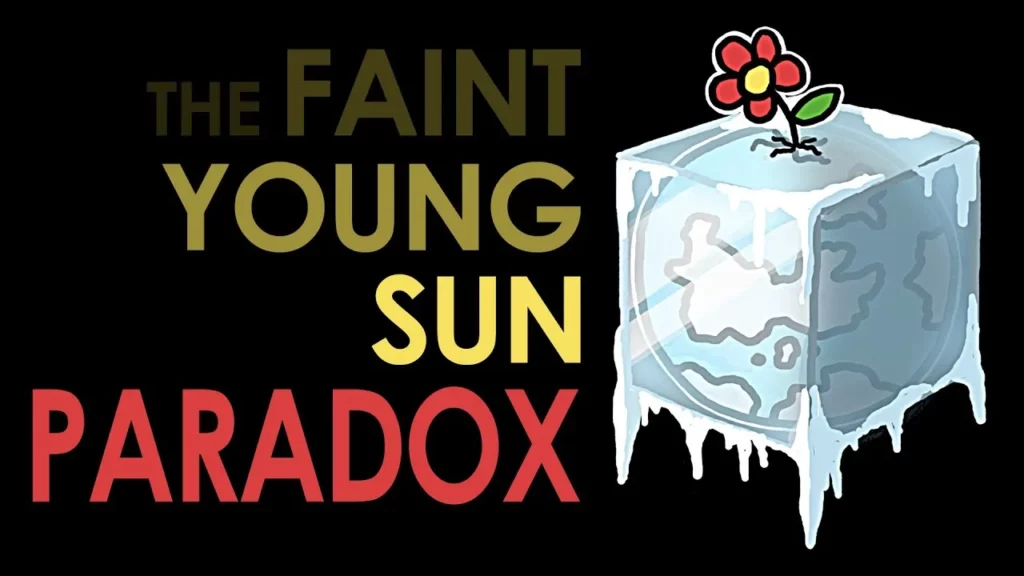
The “faint young sun paradox” explores the mystery of how early Earth, despite having a sun that was 25% dimmer than today, remained warm and conducive to life. Scientists propose that Earth’s early atmosphere contained greenhouse gases that trapped heat, possibly released by volcanic activity or impacts from space debris. This paradox highlights the delicate balance of conditions that allowed life to flourish on our planet, even as the sun continues to grow brighter over time.