
Which Parts Of The Brain Do What?
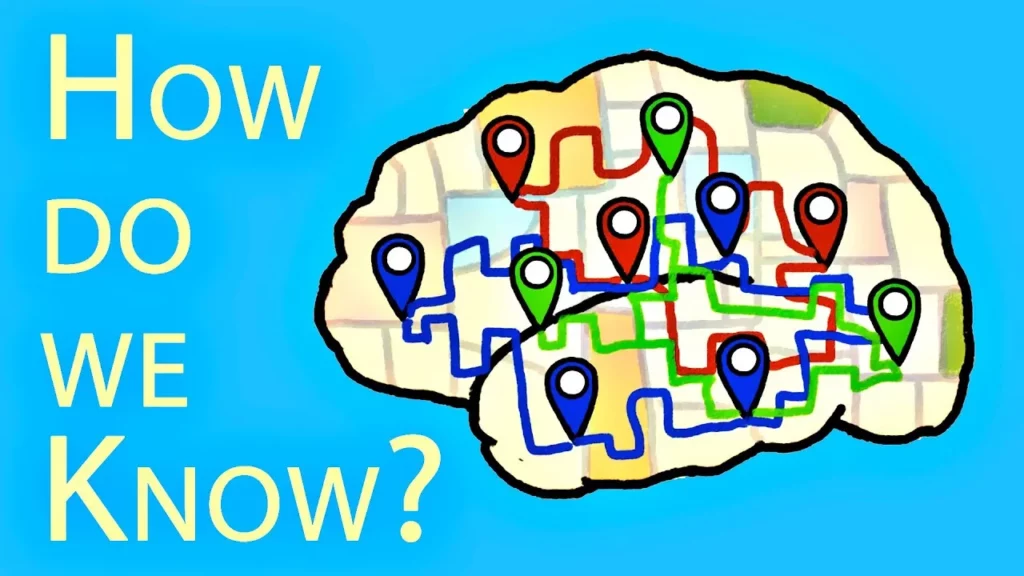
The lesson explores the historical and contemporary understanding of brain function, beginning with Dr. Paul Broca’s discovery in the 19th century that the left frontal lobe is essential for speech generation. It highlights advancements in brain mapping, particularly the use of fMRI technology, which revealed that cognitive tasks involve coordinated activity across multiple brain regions rather than isolated functions. By combining lesion studies with imaging techniques, researchers have developed a more nuanced understanding of how different parts of the brain collaborate in tasks such as language comprehension and memory retention, while acknowledging that many aspects of brain function remain mysterious.
How Different Are Different Types of Dogs?
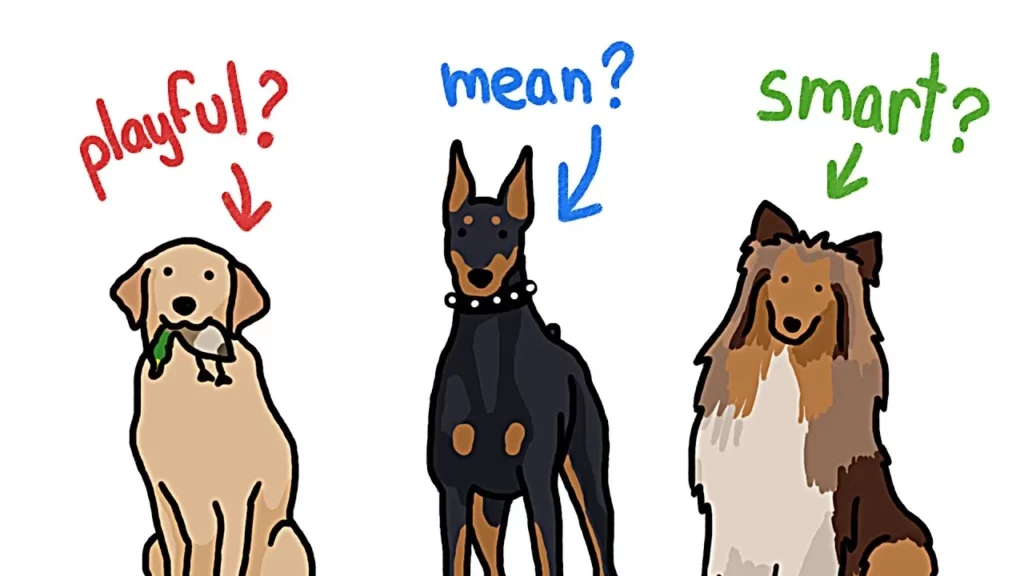
This lesson explores the differences and similarities among various dog breeds, highlighting the historical context of dog shows and the classification of breeds based on their original purposes. Despite common perceptions that breed groups exhibit distinct traits, recent research indicates that behaviors and intelligence levels are surprisingly similar across breeds, suggesting that individual personality may be more significant than breed classification. Ultimately, the lesson encourages a reevaluation of how we perceive and judge dogs based on their breed.
Why Biodiversity Is Good For The Economy
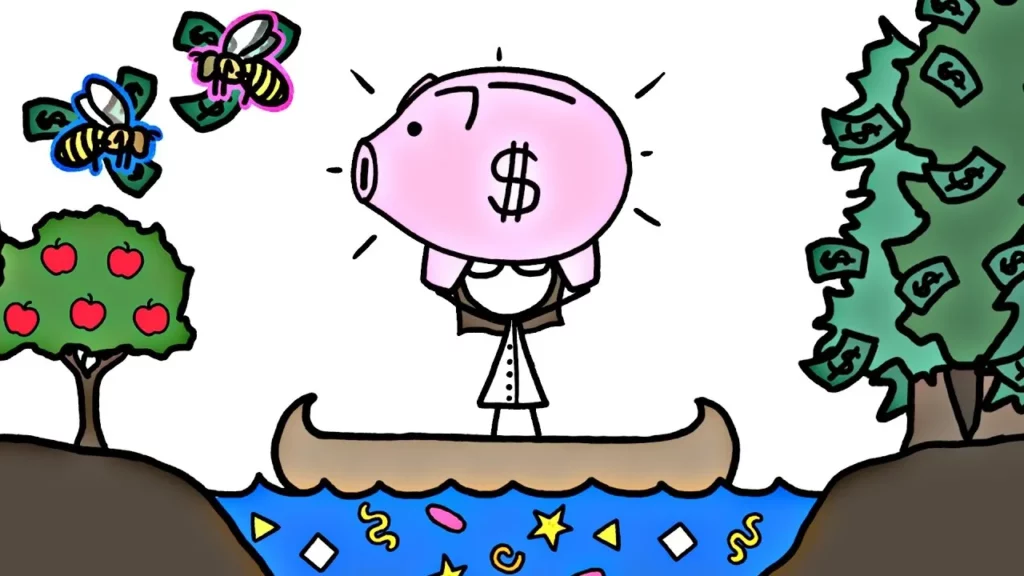
The lesson emphasizes the economic advantages of biodiversity, particularly in forests, where a greater variety of tree species leads to increased growth and timber production, generating significant revenue. This “diversity dividend” extends beyond forests to agriculture and water ecosystems, where diverse species contribute to higher productivity and environmental health. Ultimately, the lesson argues that preserving biodiversity not only benefits the environment but also enhances economic outcomes.
Why Do Animals Eat Their Babies?

The lesson explores the surprising behavior of some animals eating their own babies, which can be a strategy for survival and resource management. For example, hamsters may consume excess offspring to ensure the remaining young receive adequate care, while other species, like the Long-tailed Sun Skink and male sand goby, may eat their young in emergency situations or to optimize reproductive opportunities. Ultimately, this behavior highlights the complex and sometimes harsh realities of animal survival and reproduction.
Why Are There So Many Tigers In Texas?
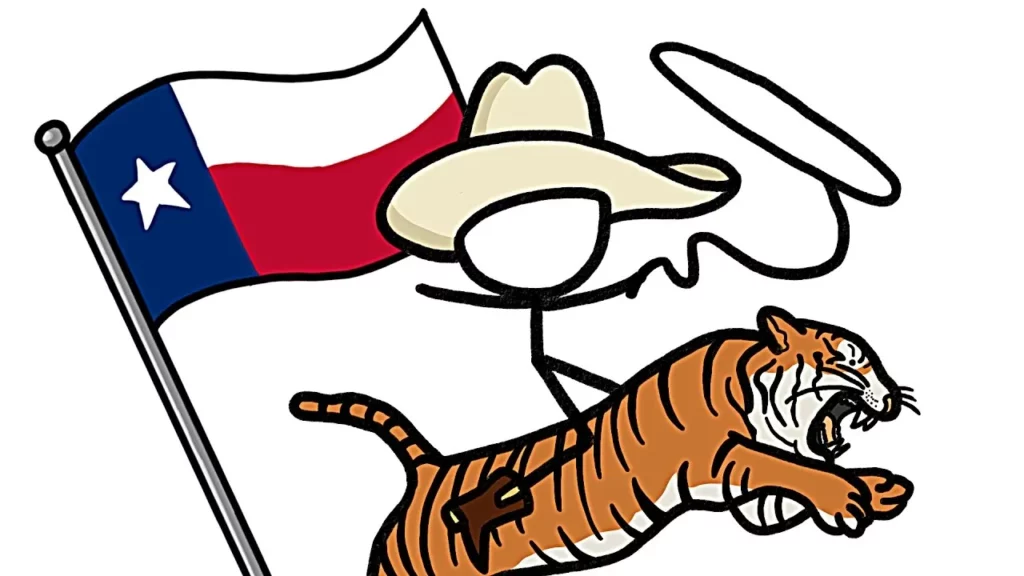
The lesson explores the surprising prevalence of tigers in Texas, where lax ownership laws allow individuals to keep these big cats as pets, resulting in an estimated 3,000 tigers in the state. While wild tiger populations are declining due to illegal hunting and habitat loss, captive tigers in Texas are likely to increase due to their breeding capabilities. The lesson also highlights conservation efforts in places like Nepal, where communities are working to restore forests, benefiting both local wildlife and tigers.
Why Only Some Monkeys Have Awesome Tails
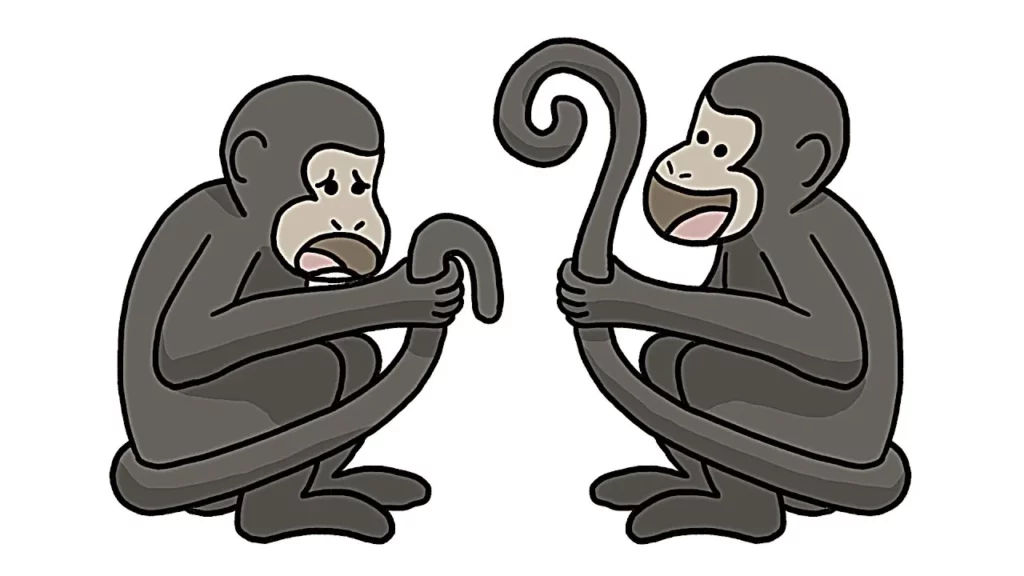
The lesson explores the fascinating differences in tail evolution among monkeys, highlighting how some species in Central and South America have developed prehensile tails that function like an extra hand for navigating their vine-rich environments. In contrast, monkeys in Africa and Asia lack these grasping tails, likely due to their different habitats and movement patterns, which do not necessitate such adaptations. The discussion emphasizes the role of environmental factors and chance in the evolutionary paths of these primates.
How Humans Made Malaria So Deadly
The lesson explores how human actions, particularly the advent of agriculture, have contributed to the increased deadliness of malaria, a disease caused by a parasite transmitted by mosquitoes. Initially less harmful, malaria evolved into a more dangerous strain, *Plasmodium falciparum*, as agricultural practices created ideal breeding conditions for mosquitoes and led to denser human populations. Despite ongoing efforts to combat malaria, it remains a significant health threat, causing hundreds of thousands of deaths annually, highlighting the complex relationship between human development and disease.
These tiny shells know how much ice there is on Earth
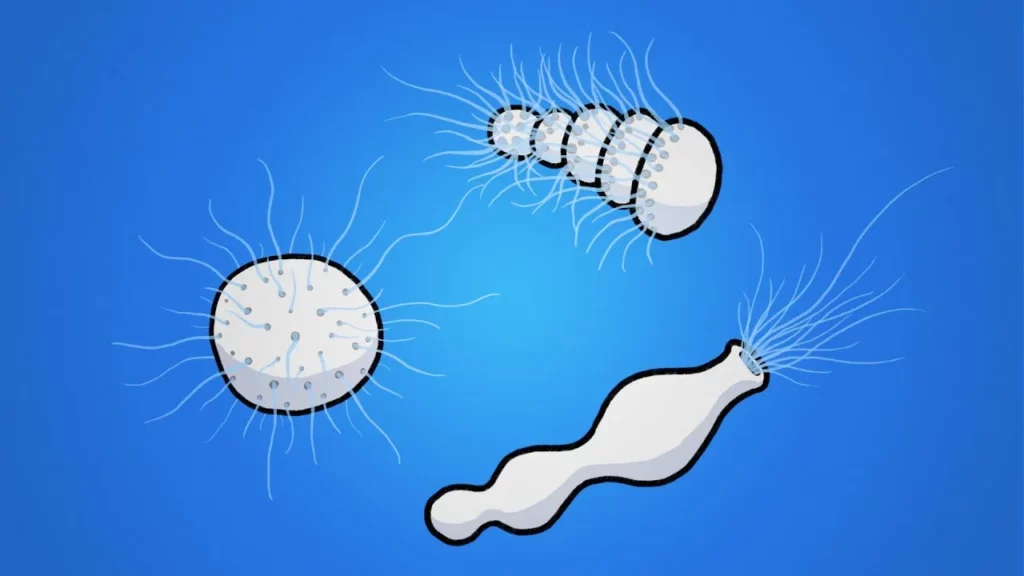
The lesson explains how tiny seashells, formed by single-celled creatures called forams, provide crucial insights into Earth’s ice levels and climate history. By analyzing the ratio of regular oxygen to heavy oxygen in the shells, scientists can determine the amount of ice trapped in polar regions and reconstruct historical temperature changes over millions of years. This research highlights the importance of forams in understanding past climate conditions, complementing modern measurement techniques.
Why Don’t Americans Eat Reindeer?
The lesson explores the history and challenges of reindeer herding in North America, particularly in Alaska, where attempts to establish a reindeer meat industry faced difficulties due to competition from cattle, cultural preferences for beef, and environmental challenges. Despite initial efforts in the late 1800s, the industry dwindled, especially during the Great Depression, leading to a decline in reindeer populations. Today, while a small reindeer herding industry exists in northwest Alaska, most reindeer remain associated with their cultural significance, particularly as the beloved companions of Santa Claus.
Should We Grow Human Organs In Pigs?
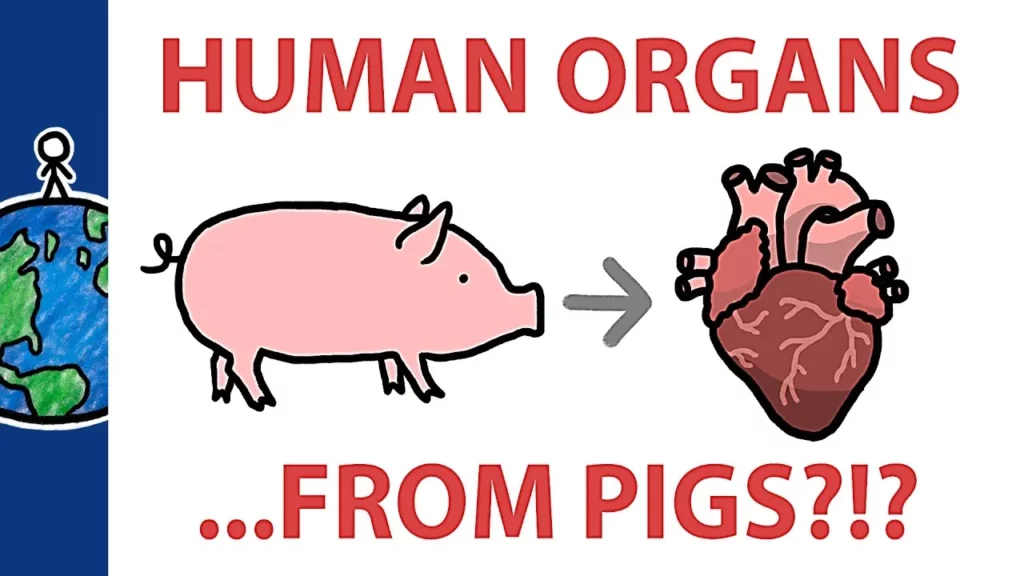
The lesson discusses the potential of using pig organs for human transplants due to the shortage of available human organs, highlighting the similarities in organ size and structure between pigs and humans. Scientists are exploring the possibility of growing human organs inside genetically engineered pigs, which raises both scientific and ethical questions about the rights of these animals and the implications of creating hybrid organisms. The lesson emphasizes the importance of addressing immune system challenges and the ethical considerations surrounding this innovative approach to organ transplantation.