
Why Is Poop Brown And Pee Yellow?
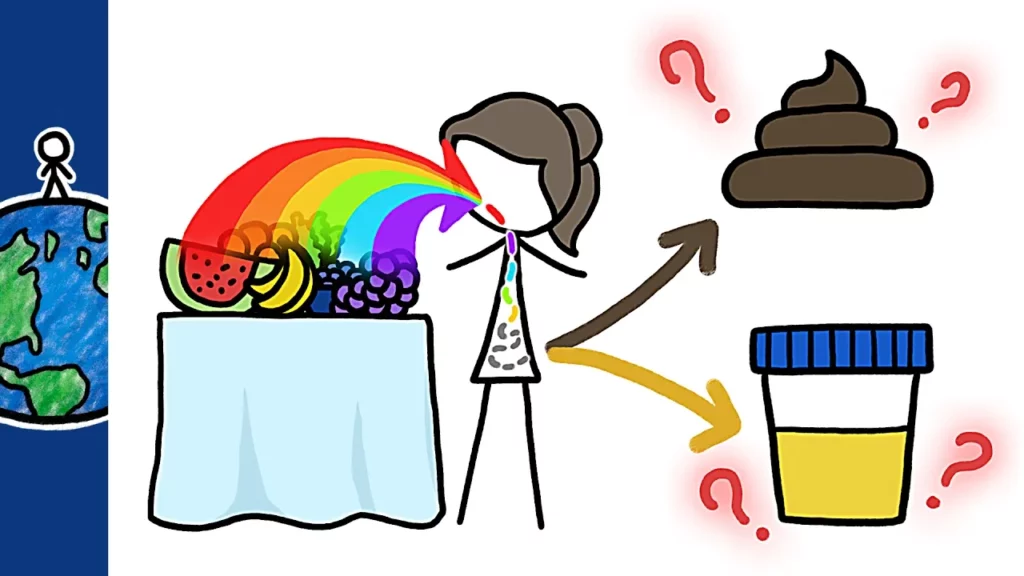
The lesson explains why poop is brown and pee is yellow, highlighting that these colors result from the body’s processing and recycling of red blood cells rather than the food we consume. When old red blood cells are broken down, they produce bilirubin, which is then transformed by gut bacteria into urobilinogen. This molecule can either be filtered by the kidneys to create urine (yellow) or converted into a brown substance that colors feces, illustrating the intricate recycling processes within our bodies.
How Physics Saved Two Million Premature Babies

The lesson discusses how advancements in physics and medical technology have significantly improved the survival rates of premature babies suffering from Respiratory Distress Syndrome (RDS). By understanding the physics of lung function and developing the Continuous Positive Airway Pressure (CPAP) device, medical professionals have been able to prevent alveoli collapse and enhance gas exchange, saving over two million lives globally. This collaboration between physics and medicine highlights the importance of innovative solutions in addressing critical health challenges.
Why Did T-Rex Have Such Tiny Arms?
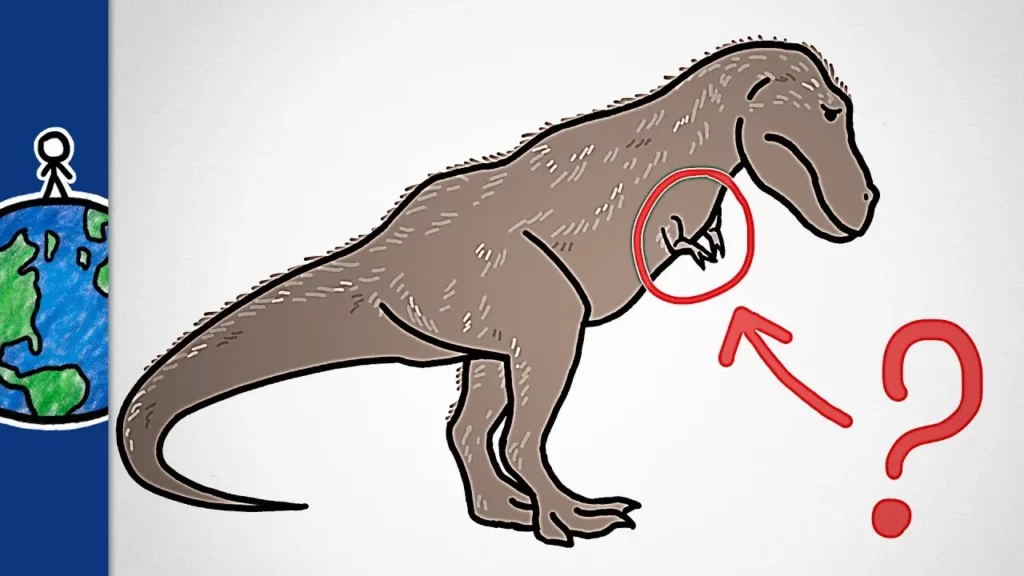
The lesson explores the intriguing question of why the Tyrannosaurus Rex had such tiny arms, presenting several theories. These include the possibility that the small arms had specific functions, such as aiding in holding prey or mating, the idea that they became less necessary as T-Rex evolved to rely on its powerful jaws, and the notion that their size could be a result of random evolutionary traits. Ongoing research aims to uncover more about the evolutionary significance of T-Rex’s arms and similar traits in other dinosaurs.
Why Are Snakes So Creepy?
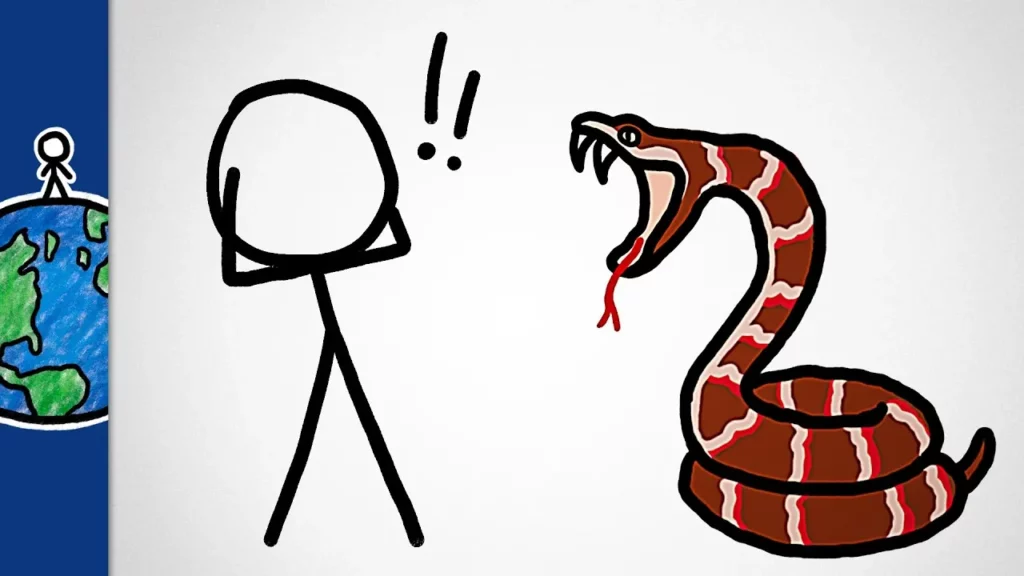
The lesson explores the reasons behind our instinctive creepiness towards snakes, tracing back to our ancestors’ need to recognize and escape from various predators, including snakes. It highlights how early primates developed specialized brain functions to detect snakes, which have been passed down to humans, making us particularly adept at spotting them quickly. This evolutionary adaptation not only enhances our survival but also contributes to the common fear many people have of snakes today.
Ambergris: Why Perfume Makers Love Constipated Whales
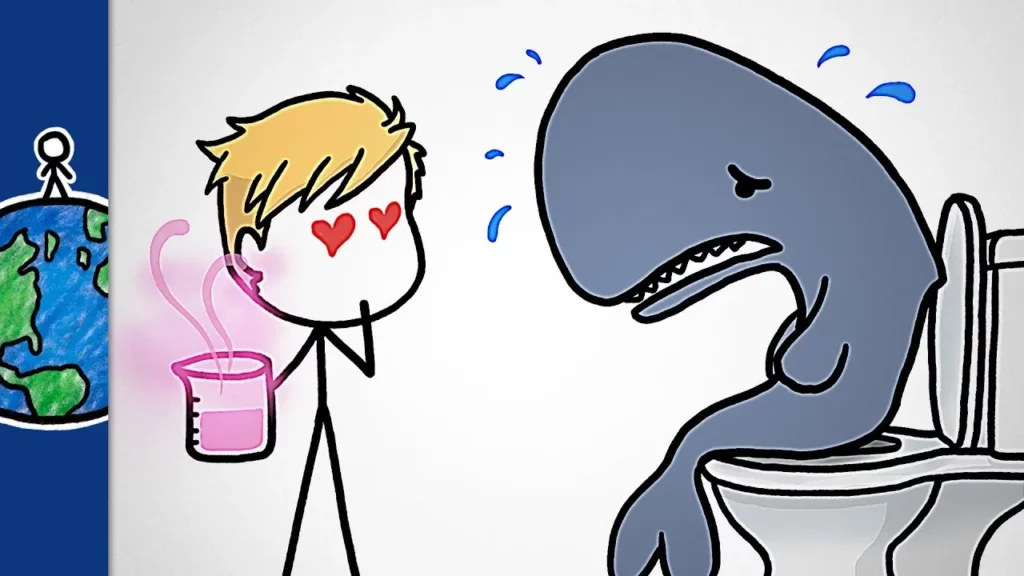
The lesson explores the intriguing origin and transformation of ambergris, a unique ingredient prized by perfume makers, which is formed from the digestive processes of sperm whales. After being expelled into the ocean, ambergris undergoes a lengthy transformation, developing its distinctive scent through exposure to natural elements. Additionally, the lesson draws a fun parallel between ambergris and the mythical philosopher’s stone from the anime “Fullmetal Alchemist: Brotherhood,” highlighting the cultural connections to this fascinating substance.
Why Is A Group Of Crows Called A “Murder”?
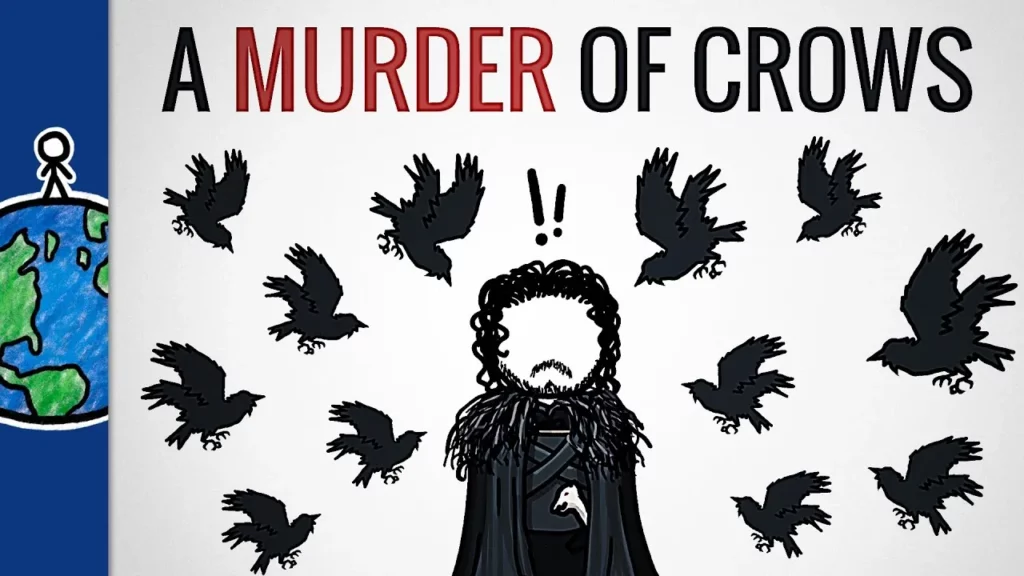
The lesson explores the intriguing origins and significance of collective nouns, particularly focusing on why a group of crows is referred to as a “murder.” It highlights how these whimsical names, created by British hunters in the 15th century, add personality and interest to animal groups, while also encouraging creativity in language. The lesson concludes by celebrating the joy of using such unique terms to describe the animal kingdom.
What Makes A Dinosaur?
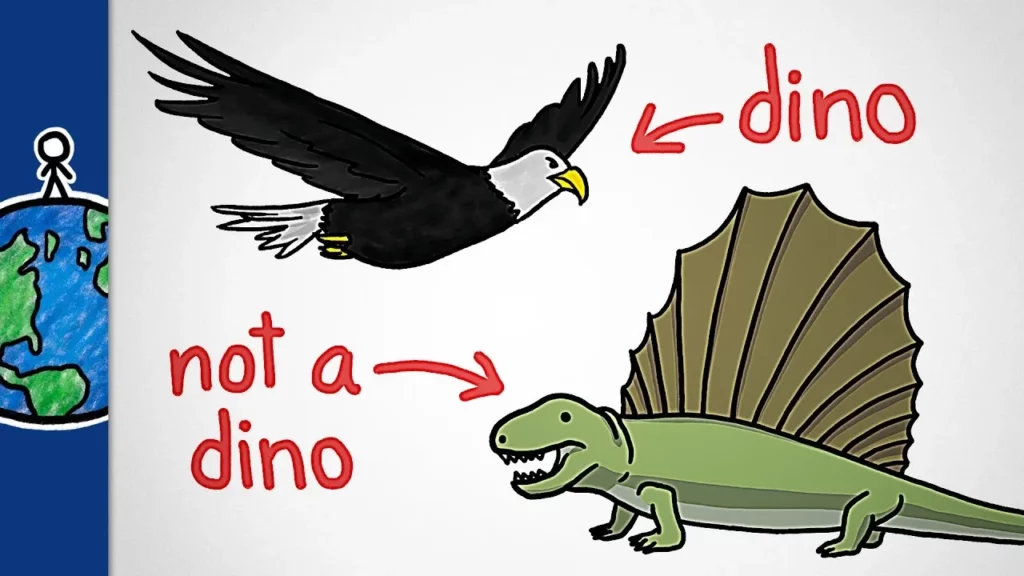
The lesson “What Makes A Dinosaur?” explores the concept of classifying animals based on their evolutionary relationships rather than just their physical appearances. It highlights how scientists use fossils and DNA to create family trees that reveal surprising connections among species, such as whales being more closely related to hippos than to fish. By understanding these relationships, we can gain insights into the complex web of life on Earth, including our own human ancestry.
How Cats Became our Feline Overlords (ft. It’s Okay To Be Smart)
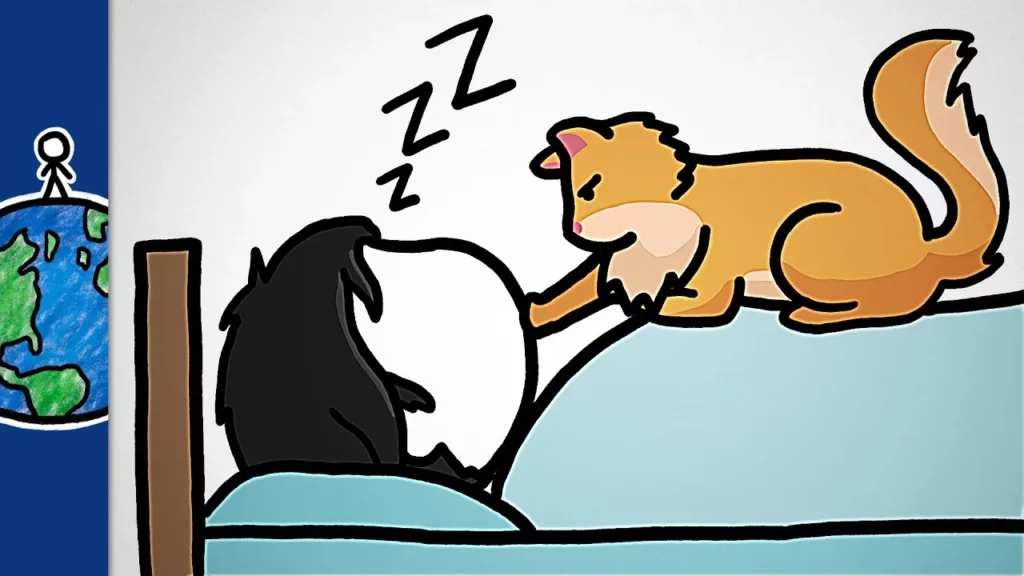
The lesson explores the fascinating evolution of cats from wild hunters to cherished companions, tracing their journey back to an ancient cat species that thrived in Asia around 11 million years ago. As humans began farming, cats were drawn to the rodent populations, leading to a mutually beneficial relationship that fostered their domestication and adaptation to human environments. Over time, genetic changes made domestic cats friendlier and more social, solidifying their status as beloved pets while retaining some of their wild instincts.
Why Some Molecules Have Evil Twins
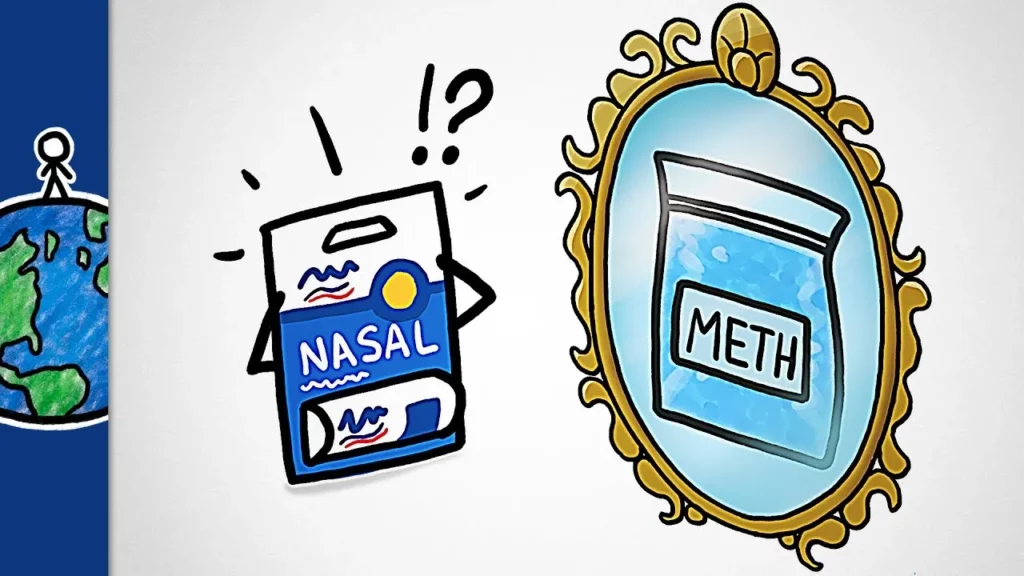
This lesson explores the concept of enantiomers, which are molecules that are mirror images of each other yet can have vastly different effects on biological systems. The lesson highlights real-world examples, such as nasal sprays and penicillamine, illustrating how the specific interactions of each enantiomer with biological receptors can lead to beneficial or harmful outcomes. Understanding these differences is essential for effective medication development and preventing misuse.
Why Don’t Sheep Shrink In The Rain?
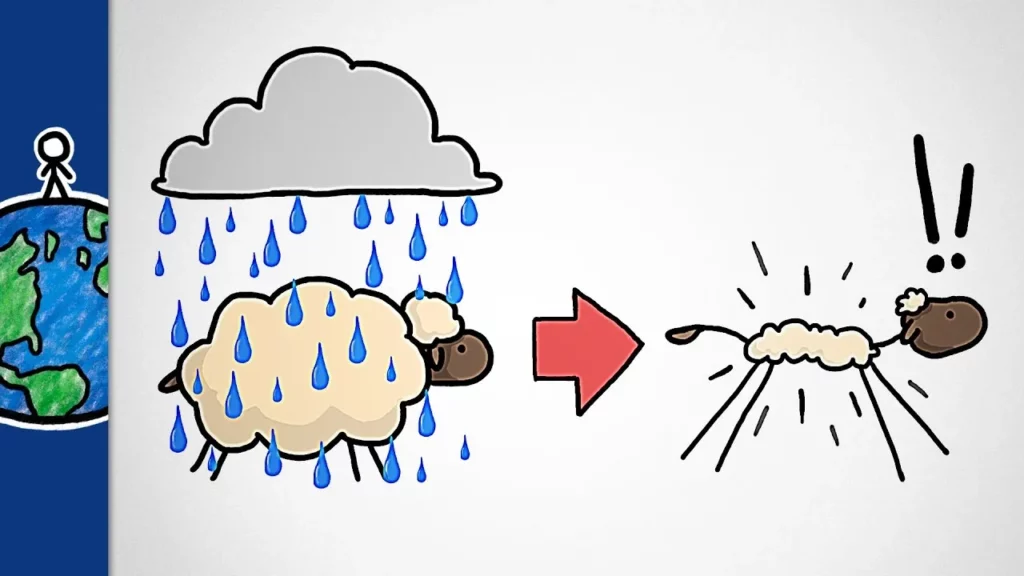
The lesson explains why sheep do not shrink in the rain while wool sweaters do when washed. It highlights that wool fibers have tiny scales that allow them to slide more easily in one direction, and when a sweater is agitated in water, the fibers rub against each other, causing them to interlock and shrink. In contrast, sheep remain stationary in the rain, preventing the friction necessary for shrinking, despite their fibers also swelling and softening.