
Why Don’t Sled Dogs Ever Get Tired?
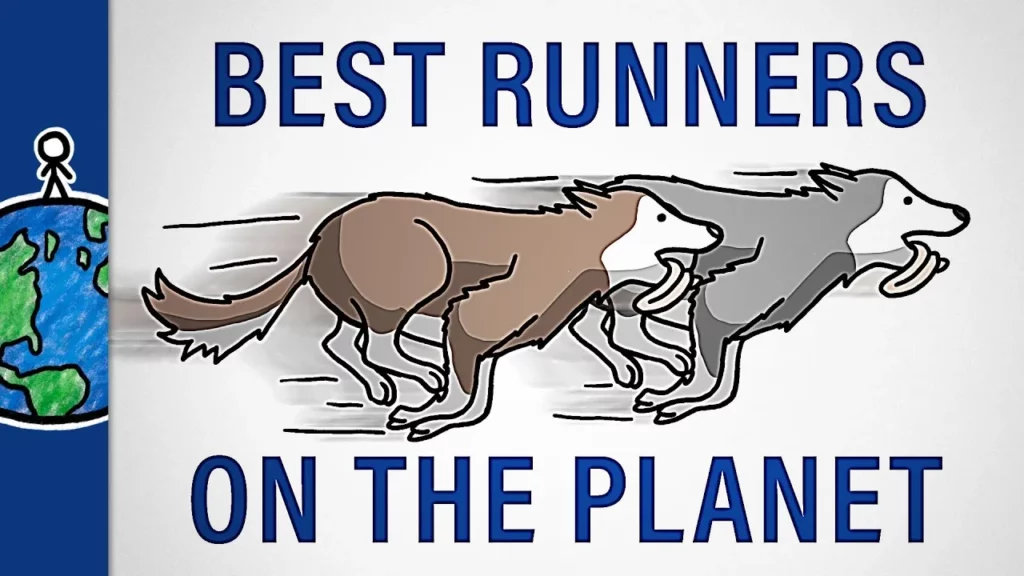
Sled dogs, particularly husky and malamute mixes, are exceptional long-distance runners capable of covering the equivalent of five marathons in a single day due to their unique energy conversion abilities. Unlike humans, who rely heavily on glycogen for energy and experience fatigue when those stores deplete, sled dogs efficiently switch to burning fats and proteins early in their runs, allowing them to maintain high energy levels without tiring. This remarkable endurance is a result of their specialized biology and training, enabling them to complete grueling races while showing minimal signs of fatigue.
Why Most Rain Never Reaches The Ground
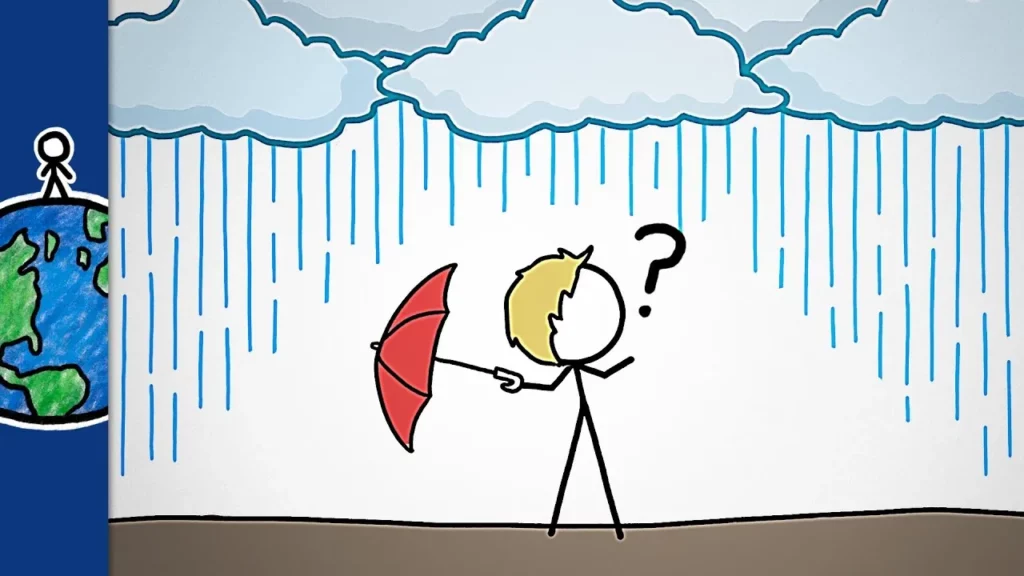
This lesson explains that a significant portion of rain never reaches the ground due to evaporation and the absorption by trees. Approximately 40% of rain evaporates before hitting the land, and when it does reach forests, about 15% is returned to the atmosphere through evaporation from the trees. Understanding these processes is crucial for managing water resources and mitigating flooding.
Welcome To MinuteEarth
The lesson from MinuteEarth explores the origins of water on Earth, suggesting that it may have come from icy comets and asteroids, and explains the curvy nature of rivers due to the process of meandering. It also touches on human fears, such as the fear of snakes, the biases in species conservation, and the role of DNA and environment in shaping individual identity, emphasizing the importance of curiosity and exploration in understanding our planet and ourselves.
Why Apple Pie Isn’t American

In the lesson “Why Apple Pie Isn’t American,” Kate from MinuteEarth explores the global origins of the ingredients in apple pie, revealing that they come from various regions around the world, such as Kazakhstan, Europe, and the Middle East. This highlights the interconnectedness of food and culture, showing that while we may identify dishes like apple pie as American, their components have diverse histories and origins, reflecting a broader pattern of globalization in our diets.
Is it a bee, a wasp, a fly, or a moth?
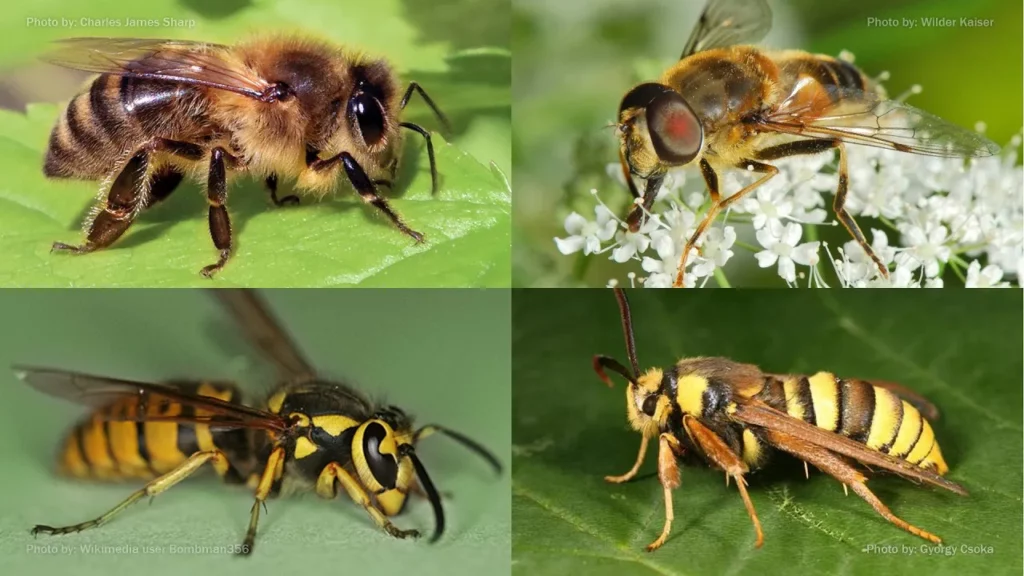
In this lesson, we explore how to distinguish between bees, wasps, flies, and moths, highlighting the similarities and differences among these insects. Many insects mimic the appearance of bees and wasps to deter predators, but they can be identified by specific characteristics such as antenna shape, body hair, and wing count. By observing these features, we can appreciate the unique roles each insect plays in nature.
Why Does Wine Make Your Mouth Feel Dry?
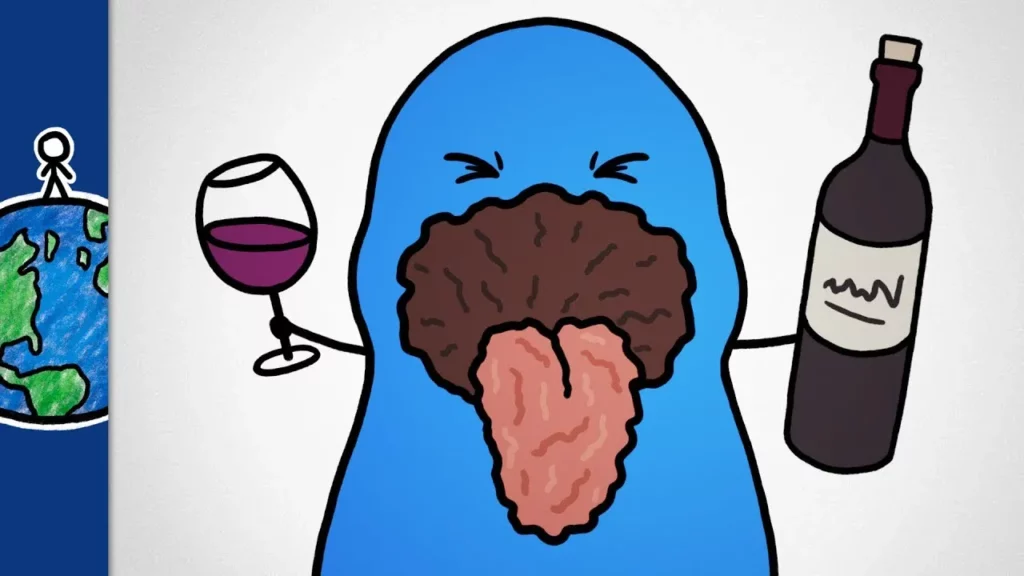
The lesson explains that the dry and puckered sensation in the mouth after consuming certain foods and drinks, like red wine, is caused by tannins—natural compounds produced by plants to protect themselves. Tannins bind to proteins in saliva and the mouth, creating a temporary drying effect, similar to the tanning process used in leather production. Despite this sensation, tannins contribute unique flavors to various foods and beverages, and their effects can be mitigated by consuming them with milk or cheese.
What Nuclear Bombs Taught Us About Whales
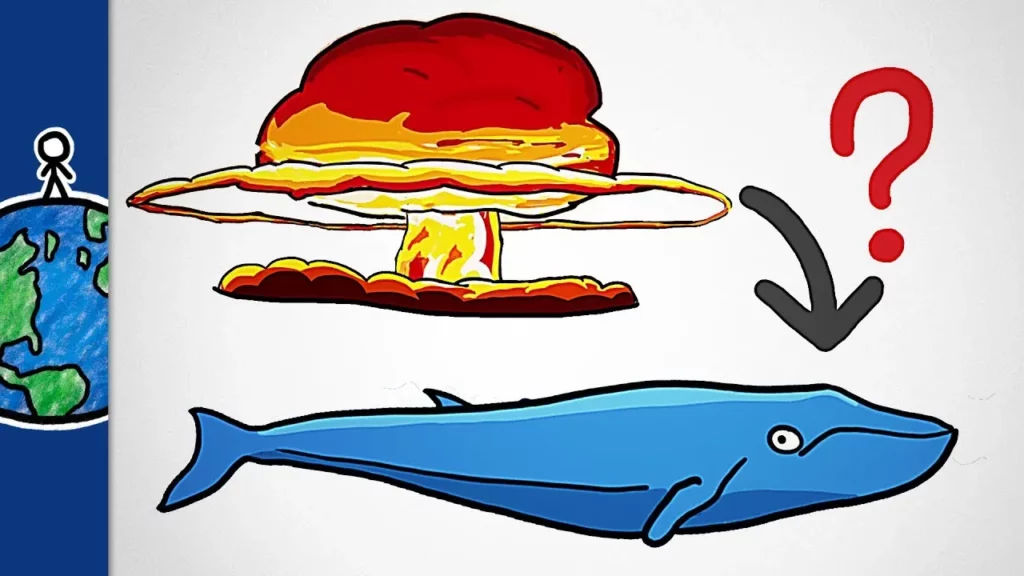
The lesson explores how the global network of sensors established to monitor nuclear bomb tests has provided valuable insights into various natural phenomena, including whale tracking. By detecting low-frequency sounds from nuclear explosions and other sources, scientists have gained a better understanding of whale populations, meteorite activity, weather patterns, and earthquake locations. This unexpected application of nuclear monitoring technology has enriched our knowledge of the planet and supported global safety initiatives.
Why So Many Meteorites Come From The Same Place
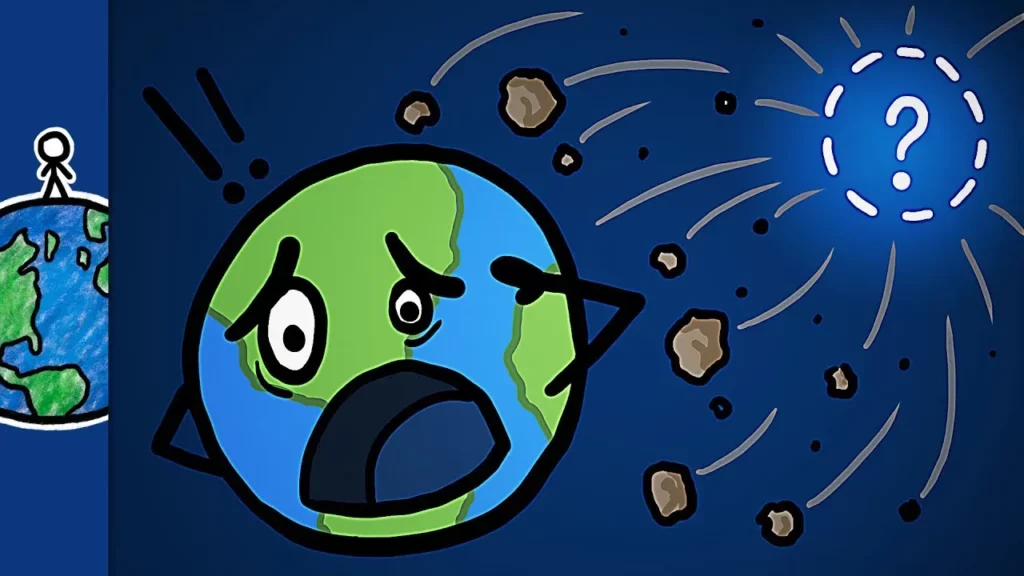
The lesson explores why a significant number of meteorites that land on Earth originate from a specific asteroid, Hebe, located in the asteroid belt between Mars and Jupiter. Scientists have discovered that over a third of meteorites share a similar chemical composition, indicating a common source, primarily due to Hebe’s unique orbital characteristics that increase the likelihood of its fragments crossing Earth’s path. The lesson also highlights ongoing efforts to develop strategies for redirecting potentially hazardous asteroids in the future.
Invasion Of The Earthworms!
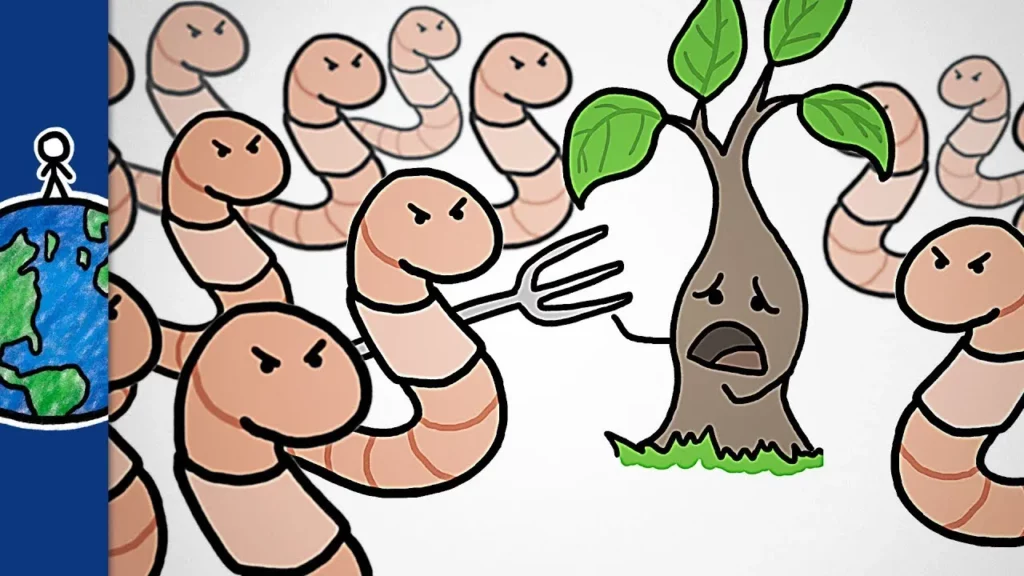
In this lesson, Emily from MinuteEarth explores the impact of invasive European earthworms on northern North American forests. While earthworms are typically seen as beneficial for soil health, their introduction has disrupted the natural ecosystem by breaking down protective leaf layers, hindering young tree growth, and allowing non-native plants to thrive. The lesson highlights ongoing research to understand these changes and their implications for forest ecosystems in the face of climate change and other environmental pressures.
Why It Sucks to Be a Male Hyena

In this lesson, Kate from MinuteEarth explores the difficult life of male spotted hyenas, using Scarface as a case study. Male hyenas face significant challenges, including being forced to leave their maternal clan at around two years old to find new mates, starting at the bottom of a female-dominated social hierarchy, and enduring aggressive treatment from other clan members, which contributes to their shorter lifespan compared to females. Despite these hardships, male hyenas strive to establish their legacy within a unique and complex social structure.