
TRANSPARENT Solar Panels?!
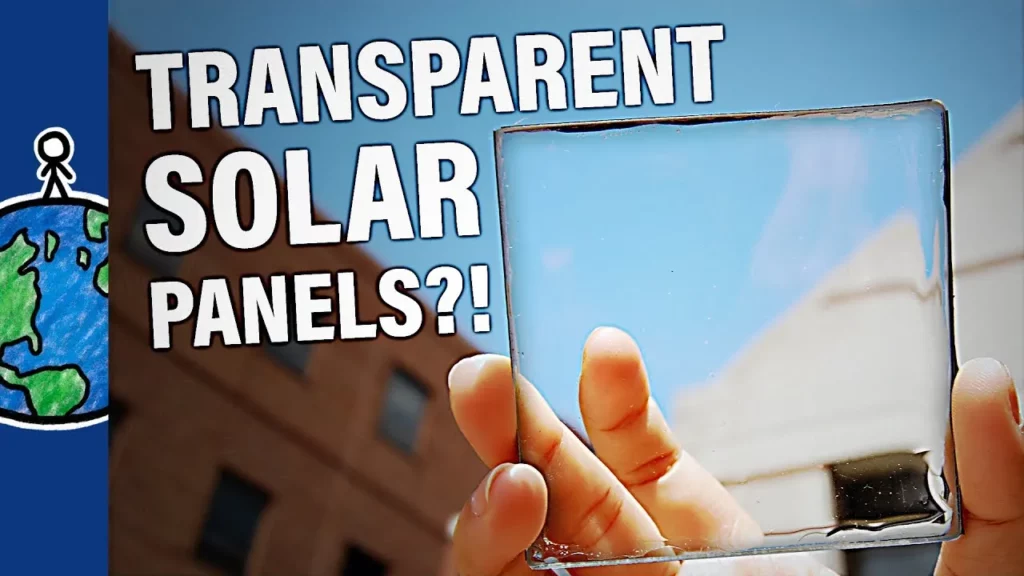
The lesson introduces the concept of transparent solar panels, specifically solar windows that utilize quantum dots to absorb sunlight while allowing visibility. These innovative windows can potentially harness solar energy from urban environments, where sunlight often hits building sides, without obstructing views. Although current solar windows are less efficient than traditional panels, ongoing research aims to improve their performance, paving the way for a future where windows contribute to clean energy generation in cities.
UPSIDE-DOWN Rivers On Mars?! (Response to MinutePhysics)
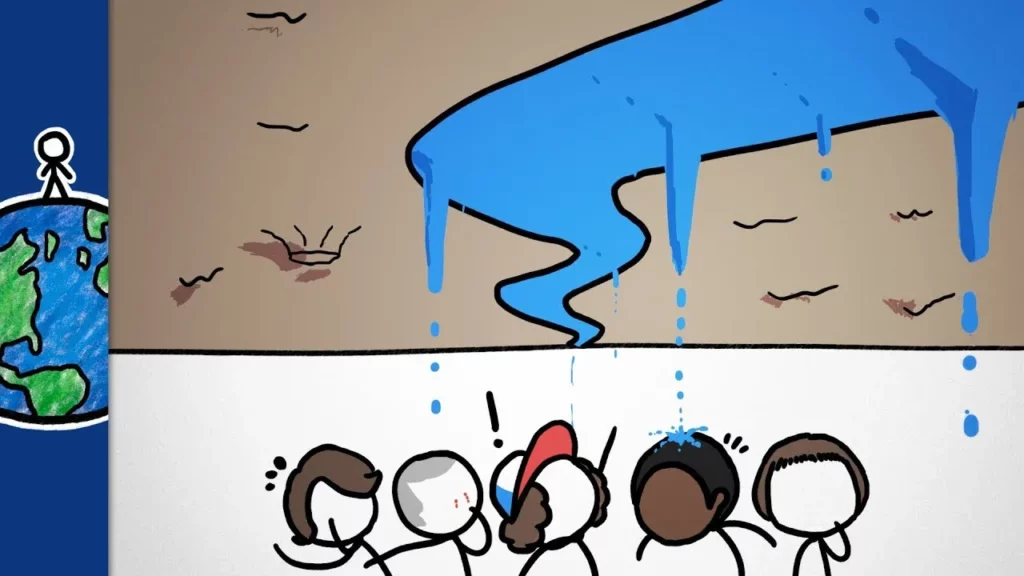
The lesson discusses the intriguing phenomenon of inverted river channels on Mars, where ancient riverbeds appear raised above the surrounding landscape due to a process called “inverted relief.” This occurs when softer land erodes away, leaving behind a hardened riverbed that stands out, similar to footprints in snow. By examining these formations and comparing them to similar ones on Earth, scientists can gain insights into Mars’ geological history, while also highlighting the importance of exploration and learning new skills.
Our Definition For “Moon” Is Broken (Collab. w/ MinutePhysics)
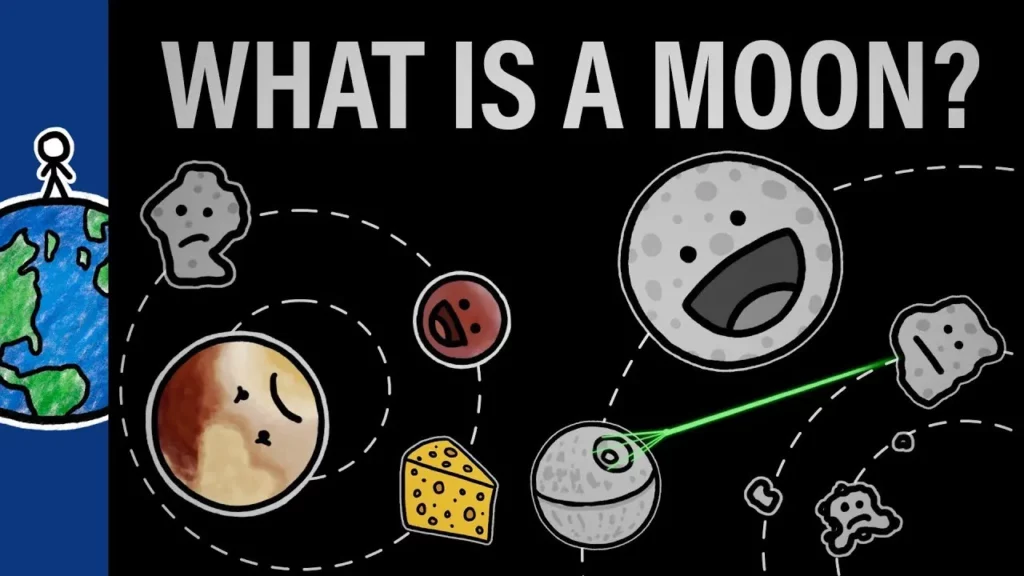
In this lesson, Kate from MinuteEarth discusses the complexities of defining what constitutes a “moon.” While traditionally understood as a natural satellite orbiting a planet, the lesson highlights the challenges posed by the discovery of numerous small moons and the existence of large celestial bodies that may not fit neatly into this definition. Ultimately, the lesson suggests that a single, clear definition of a moon may be elusive, as various factors such as size, shape, and orbital characteristics complicate the classification.
Why Is Syrup Sticky?
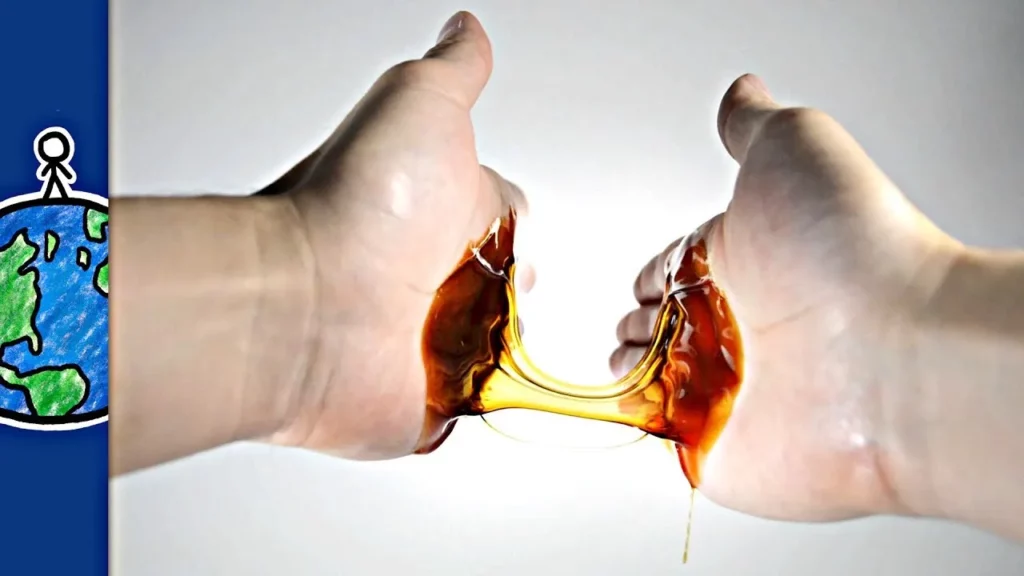
The lesson explains why syrup is sticky by exploring the interaction between water and sugar at the molecular level. When sugar dissolves in water and is heated, the sugar molecules break apart and begin to stick together, creating a thick and gooey consistency characteristic of syrup. Additionally, the lesson touches on the historical significance of sugar and its impact on modern health.
Why Do India And China Have So Many People?
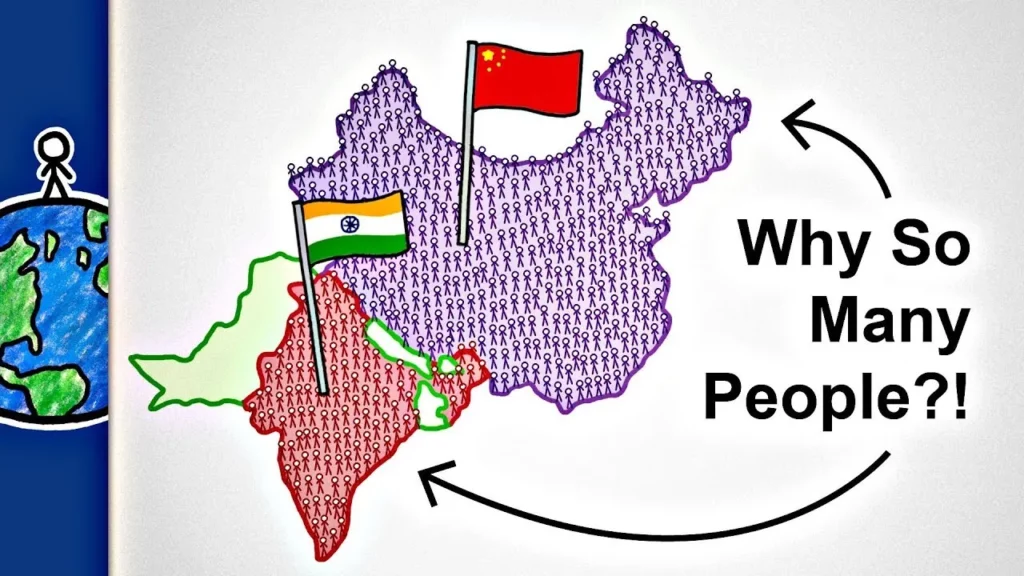
The lesson explores the reasons behind the large populations of India and China, which together account for over 2.7 billion people. It highlights that their historical population sizes, combined with factors such as fertile land and food availability, have allowed these countries to sustain and grow their populations significantly over the past 300 years. Additionally, the lesson emphasizes the importance of land area in supporting population density, noting that while other countries may have dense populations, their smaller land areas limit their capacity to support as many people as India and China.
Why Is Your Grandma So Short?
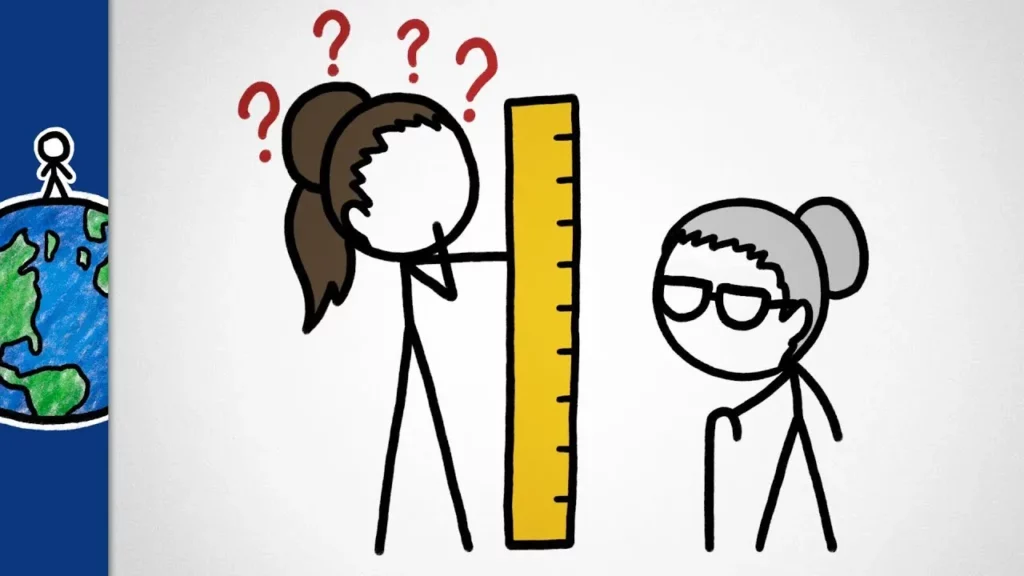
The lesson explains why many grandmothers are shorter than others, highlighting that aging causes changes in cartilage, bone density, and muscle strength, leading to height loss. It also discusses how historical malnutrition and illness affected their growth potential, resulting in many being shorter than they could have been. Additionally, the lesson emphasizes the importance of nutrition and living conditions for height and overall health, noting that while some countries have seen improvements, others still face challenges that hinder growth.
Why Farming Is Broken (And Always Has Been)
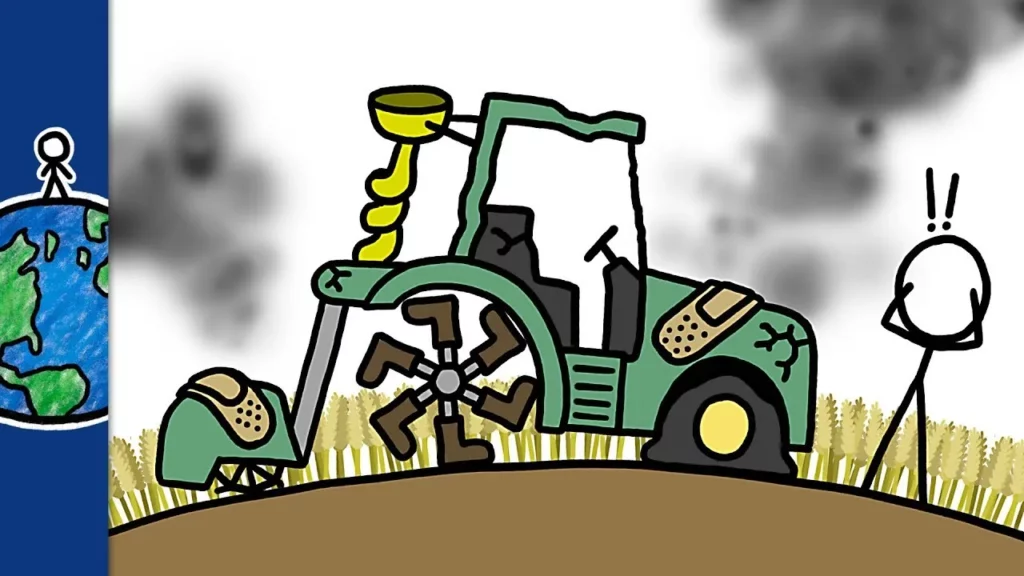
The lesson explores the evolution of agriculture, highlighting its origins around 10,000 years ago and the significant impact of the Industrial Revolution on food production and resource depletion. It discusses the challenges faced by modern farming, such as soil erosion and water scarcity, and presents innovative solutions inspired by natural ecosystems, including the development of perennial crops and polycultures. Ultimately, the lesson emphasizes the need for sustainable practices to ensure food security for future generations.
Why Do Female Hyenas Have Pseudo-Penises?!
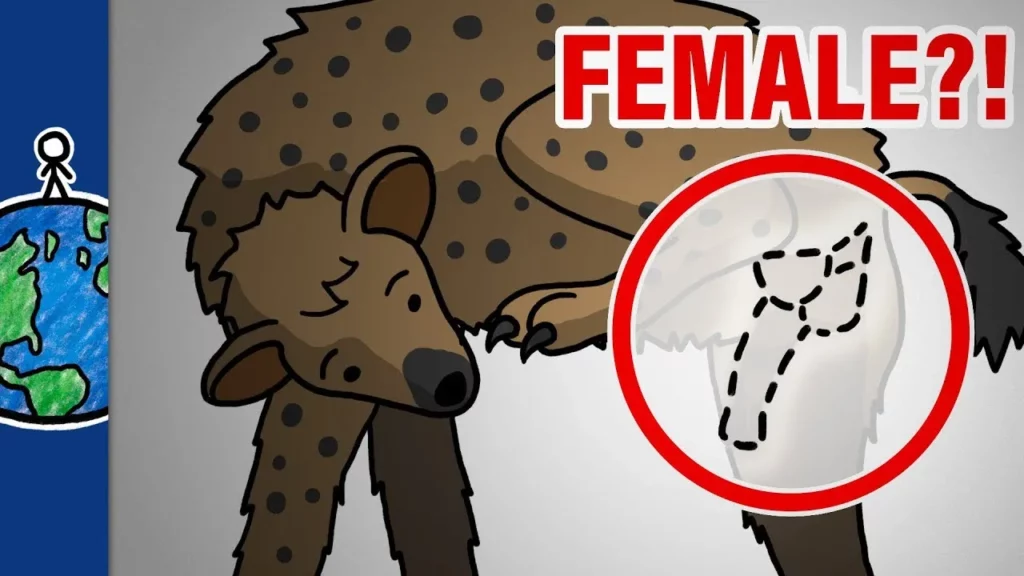
The lesson explores the unique anatomy of female spotted hyenas, specifically their elongated clitoris that resembles male genitalia, which plays a role in urination but complicates mating and birthing processes. Despite their dominant position, the reasons behind this unusual anatomy remain a mystery to scientists, as it does not appear to serve the purpose of deterring males or disguising their gender. The lesson also encourages charitable actions through a web browser extension that supports various causes.
Where Do Our Drugs Come From?
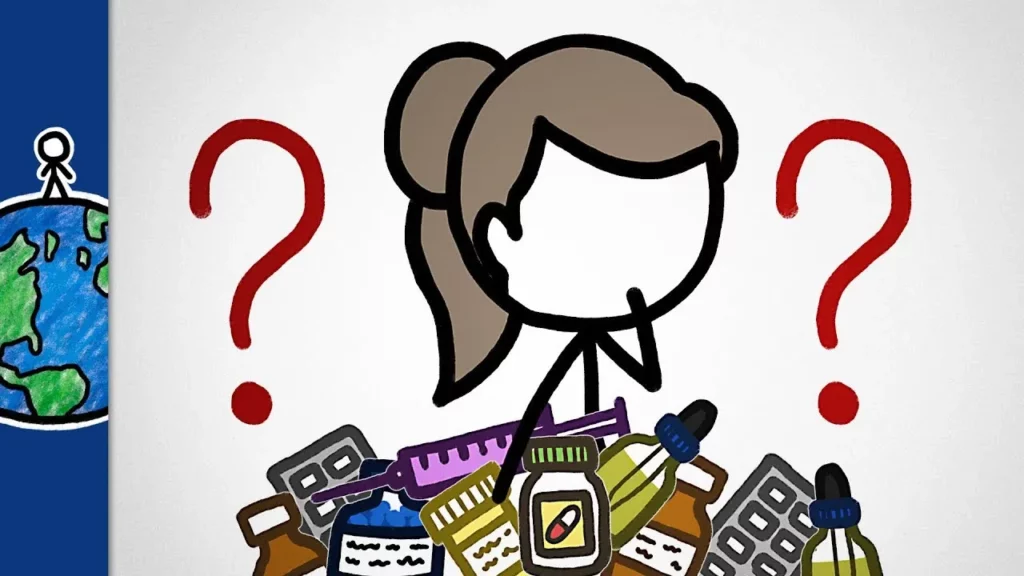
The lesson explores the origins of medicines, highlighting that a significant majority—seven out of ten—are derived from natural sources such as bacteria, fungi, and plants. It discusses how these organisms produce unique chemicals for self-defense, which humans have harnessed to create effective treatments like penicillin and various other drugs. The lesson emphasizes the ongoing exploration of nature for new medicinal discoveries, showcasing the potential for future breakthroughs in medicine.
Why Bird Penises Are So Weird
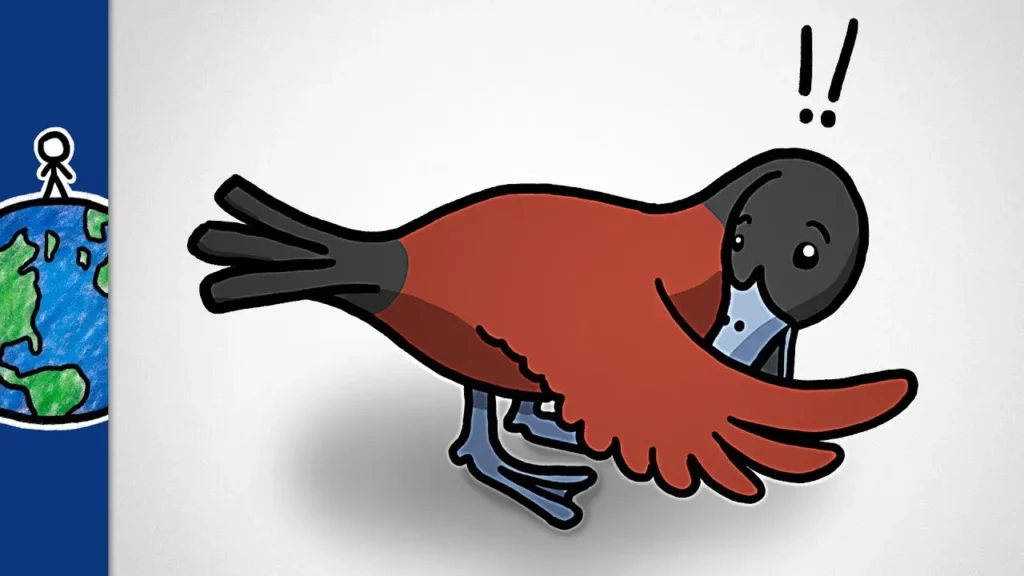
The lesson explores the remarkable diversity of bird reproductive organs, highlighting the extreme variations in size and presence among different species. Factors such as the unique structure of bird sex chromosomes, evolutionary pressures, and genetic mutations contribute to this diversity, allowing certain traits to be passed on or diminished over generations. The lesson also draws a parallel to human genetics, emphasizing the importance of understanding our own genetic makeup through tools like DNA testing.