
What Are Brain Waves?
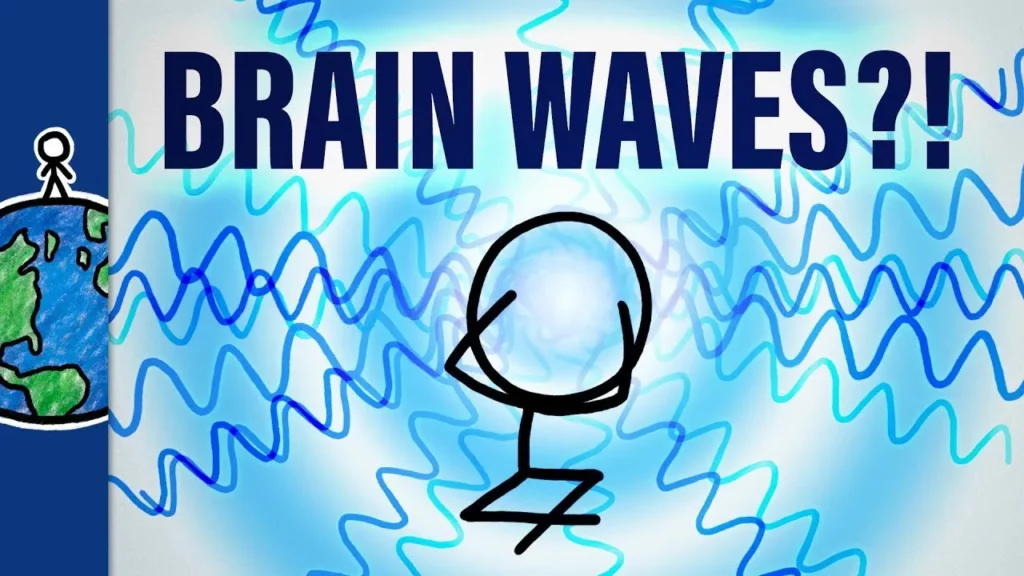
The lesson explores the concept of brain waves, which are rhythmic electrical patterns produced by synchronized neurons in the brain, playing a crucial role in both healthy and unhealthy brain function. It highlights the significance of these waves in memory formation and overall brain coordination, suggesting that they help retain information and maintain synchrony among different brain regions. Additionally, the lesson touches on the implications of advancing artificial intelligence, emphasizing the need for lifelong education to prepare for a future where human creativity and entrepreneurship remain vital.
Why Do Some Animals Get Gigantic?
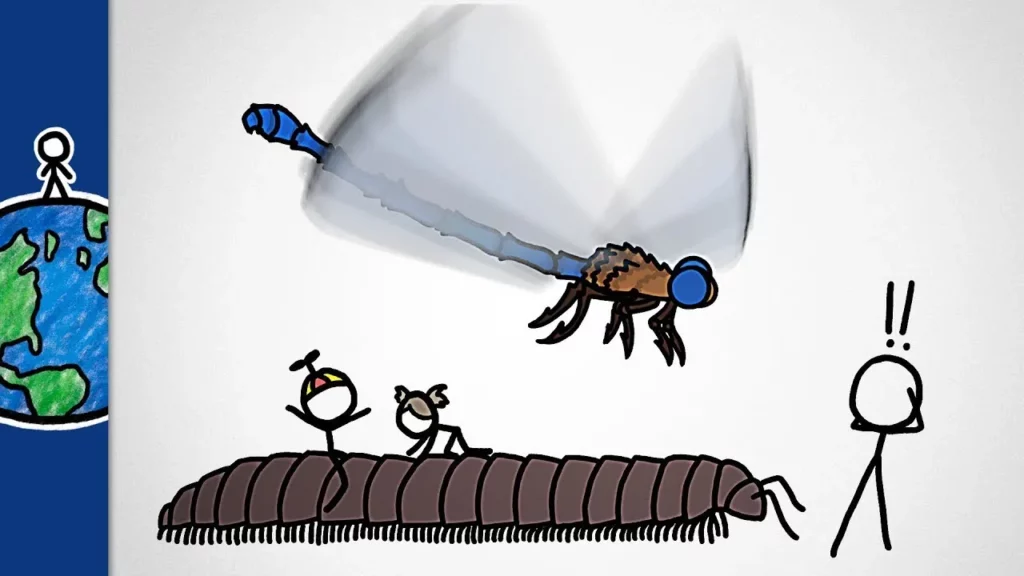
This lesson explores the fascinating reasons behind the size of certain animals, focusing on three main examples: giant insects, dinosaurs, and whales. It explains how historical atmospheric conditions allowed insects to grow larger, how dinosaurs adapted their bone structure to manage weight, and how whales benefit from buoyancy in water to achieve their massive size. The lesson encourages curiosity and further exploration of the natural world.
Why Pets Have Surprisingly Small Brains
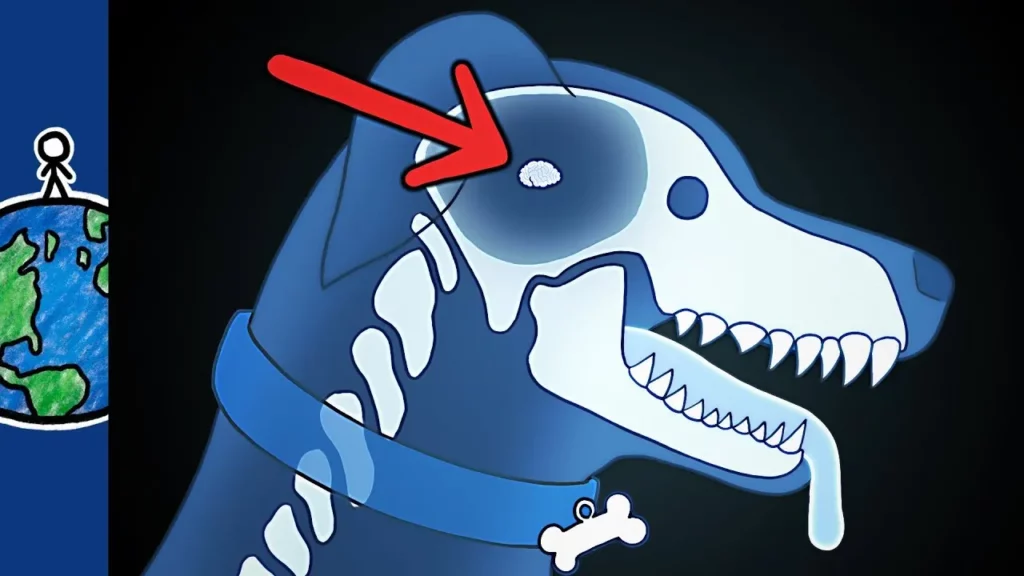
The lesson explores the phenomenon of brain size reduction in domesticated animals compared to their wild counterparts, highlighting that domestication leads to significant changes, including a decrease in brain size. This shrinkage particularly affects the brain regions responsible for stress and danger responses, resulting in calmer animals that are easier for humans to manage. Ultimately, these adaptations have fostered closer relationships between humans and their pets.
Are “Acts of God” Disappearing?
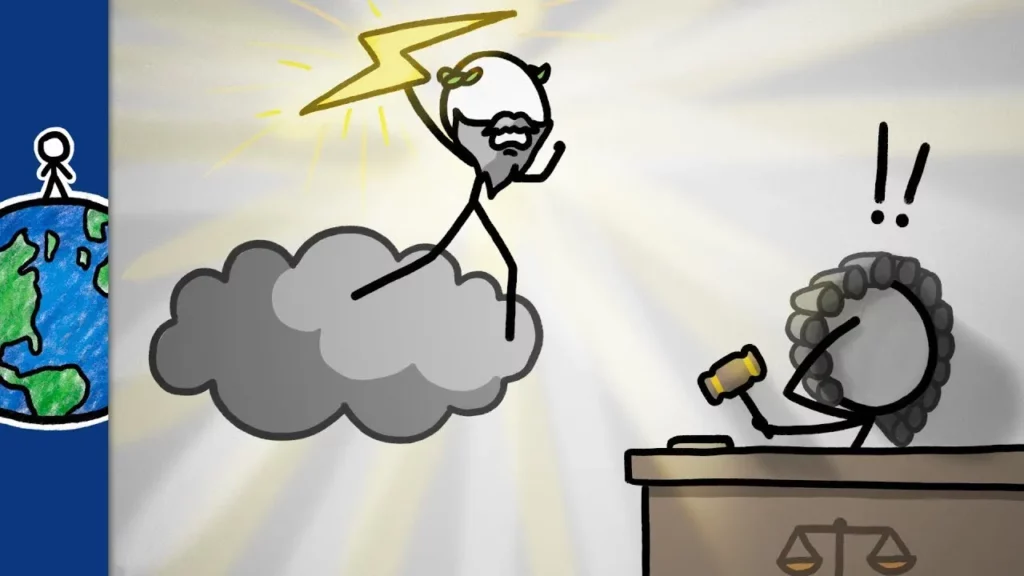
The lesson explores the concept of “acts of God,” which refers to natural events beyond human control that can lead to significant damage, and how the legal defense based on this term is evolving. Historically used in courts to absolve liability, the criteria for this defense are becoming harder to meet due to advancements in technology and a growing understanding of the human impact on natural disasters. As our ability to predict and understand these events improves, the effectiveness of the “act of God” defense may decline, prompting a need for legal systems to adapt accordingly.
Why Do Birds Migrate Like This?
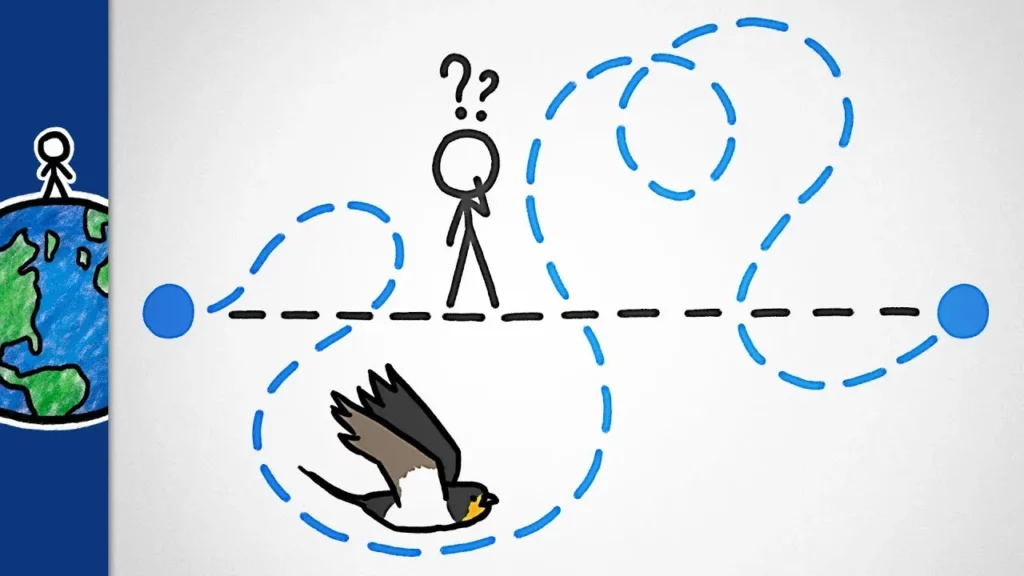
The lesson explores the fascinating phenomenon of bird migration, highlighting why birds travel long distances each year and the strategies they use to navigate their journeys. Birds often take indirect routes to utilize favorable winds, which help them fly faster and conserve energy, while smaller birds prefer to stay over land to avoid storms. Additionally, certain locations become busy gathering spots for migrating birds, showcasing the intricate and remarkable nature of their travels.
A Disease’s Guide to World Domination
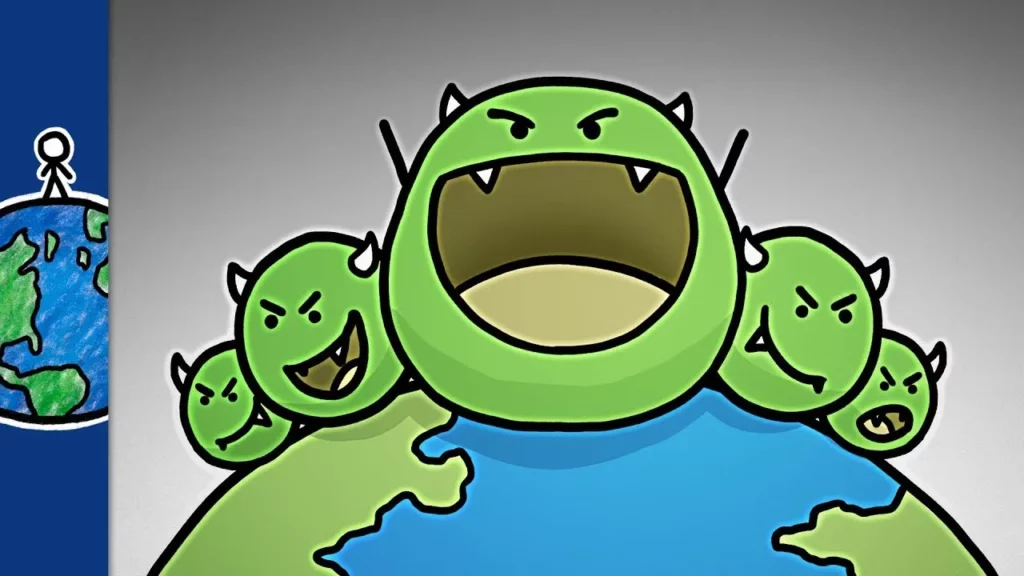
The lesson explores the strategies diseases use to spread and the balance they must maintain to avoid making their hosts too sick, which would hinder transmission. It highlights how some diseases, like cholera, can spread through water or rely on insects, allowing them to reach more hosts even when individuals are incapacitated. Ultimately, the lesson emphasizes that by improving sanitation and public health measures, we can effectively control and reduce the impact of dangerous diseases.
Why Our Favorite Crops Live Fast and Die Young
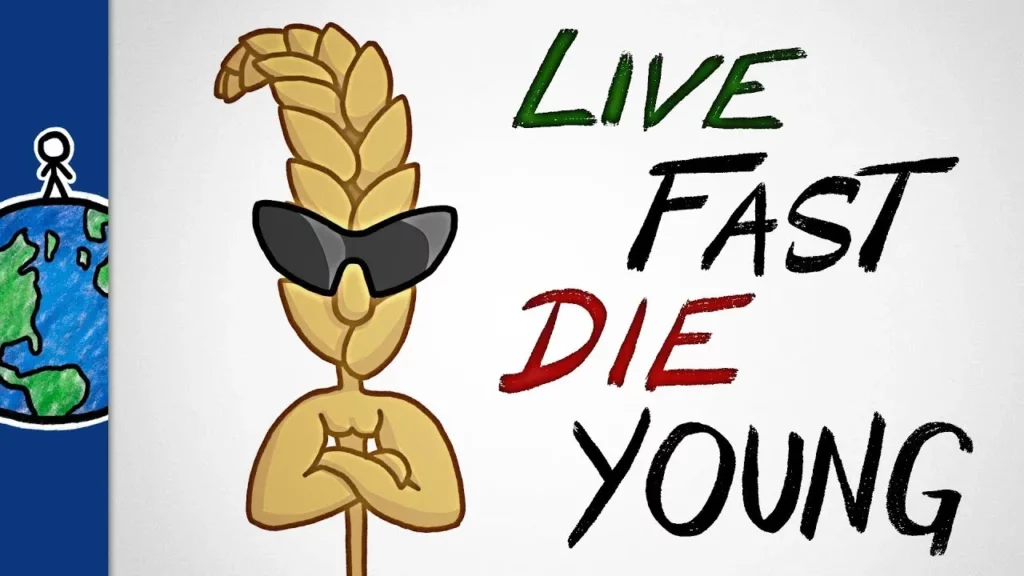
The lesson explores the reasons why most crops we cultivate are annuals, which have short lifespans and grow quickly to produce abundant seeds, making them ideal for farming. In contrast, perennials grow slowly and focus on developing strong root systems, often dominating natural ecosystems but being less favored in agriculture due to their slower seed production. Ultimately, while annuals require yearly planting, they align better with human agricultural practices, allowing for efficient food production.
Why Electroshock Therapy Is Back
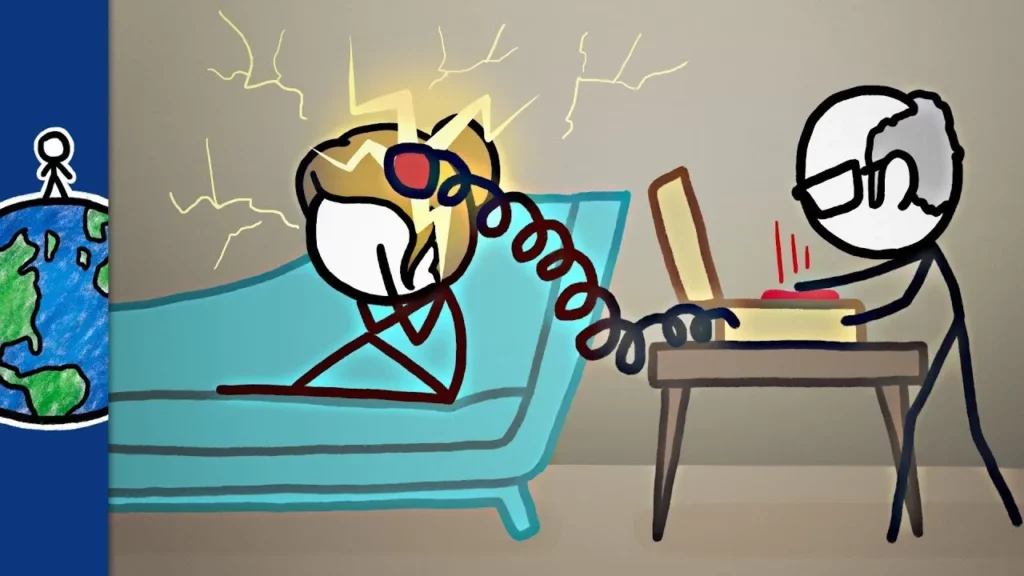
The lesson discusses the resurgence of electroshock therapy, now known as electroconvulsive therapy (ECT), as an effective treatment for severe depression. Initially used in the mid-1900s, ECT faced criticism due to its side effects, but modern advancements have made it safer and more targeted, leading to successful outcomes for many patients. The lesson also highlights the potential for electrical therapies to address other brain disorders, suggesting a promising future for this area of medical research.
Do You Need To Be Rich To Be Healthy? (ft. Bill Gates)
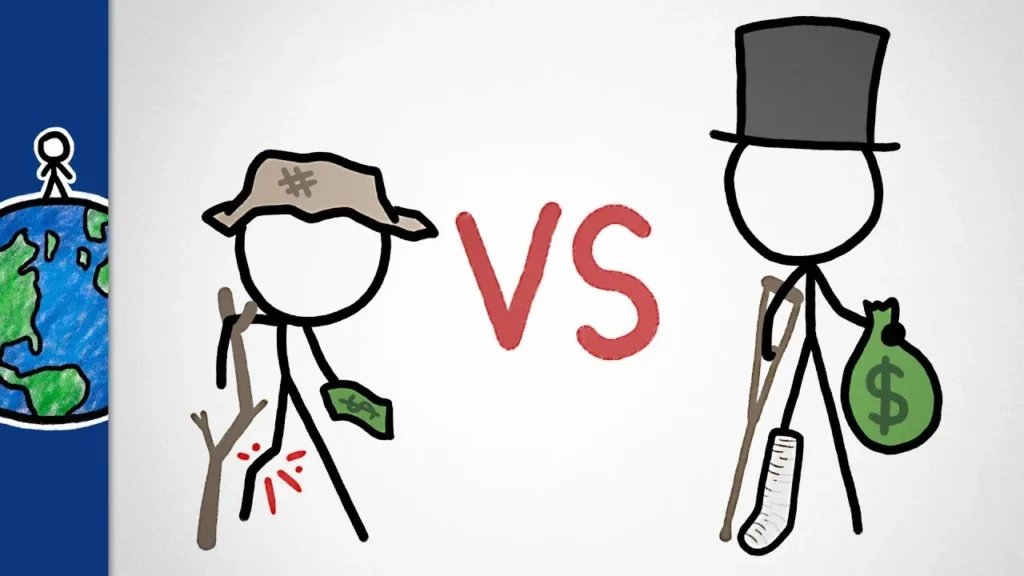
In the lesson “Do You Need To Be Rich To Be Healthy?” featuring Bill Gates, it is emphasized that while wealth can improve healthcare outcomes, it is not a strict requirement for achieving good health. Countries like Costa Rica and Rwanda have demonstrated that effective healthcare systems can be developed even with limited resources, highlighting the importance of innovation and strategic investments in healthcare. Overall, there is a positive outlook on global health trends, with significant progress being made in reducing childhood mortality and poverty rates.
Is It Safe To Get Your DNA Tested?
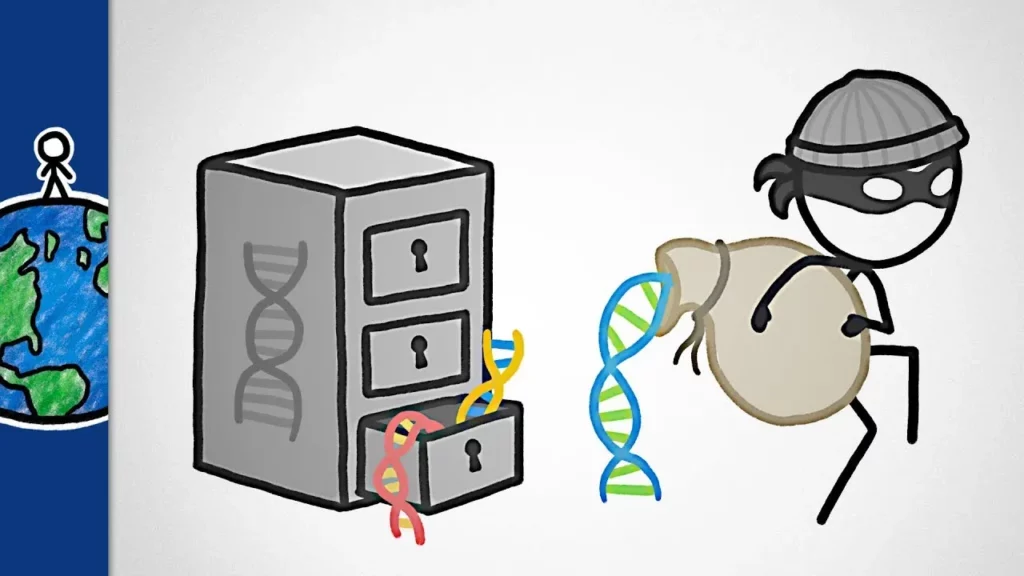
The lesson discusses the implications of getting DNA tested, highlighting both the insights gained from genetic information and the potential risks associated with storing that data online. While DNA testing companies prioritize security, the safety of your genetic information largely depends on personal password practices, as hackers could exploit weak passwords to access sensitive data. It emphasizes the importance of using strong, unique passwords and considering legal protections in place to safeguard genetic information from misuse by employers, insurers, and law enforcement.