
How Much Food Is There On Earth?
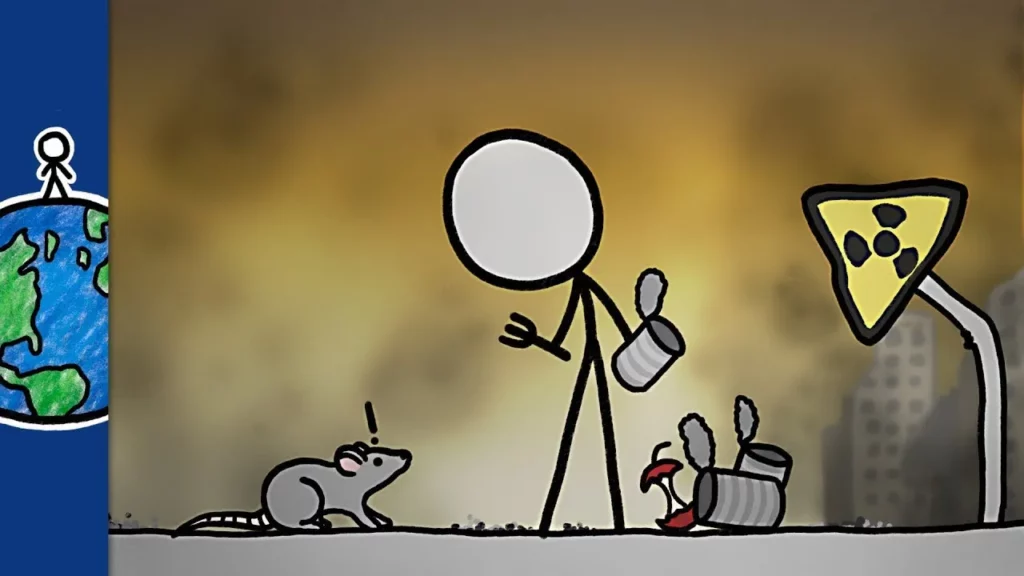
The lesson explores the global food supply and the role of food reserves in ensuring food security during challenging times. It highlights that while staple foods could sustain us for about three months, combining all food sources could potentially extend our supply to around a year and a half. Ultimately, the lesson emphasizes the importance of using food resources wisely and sustainably to ensure availability for future generations.
Are Plastics Too Strong?
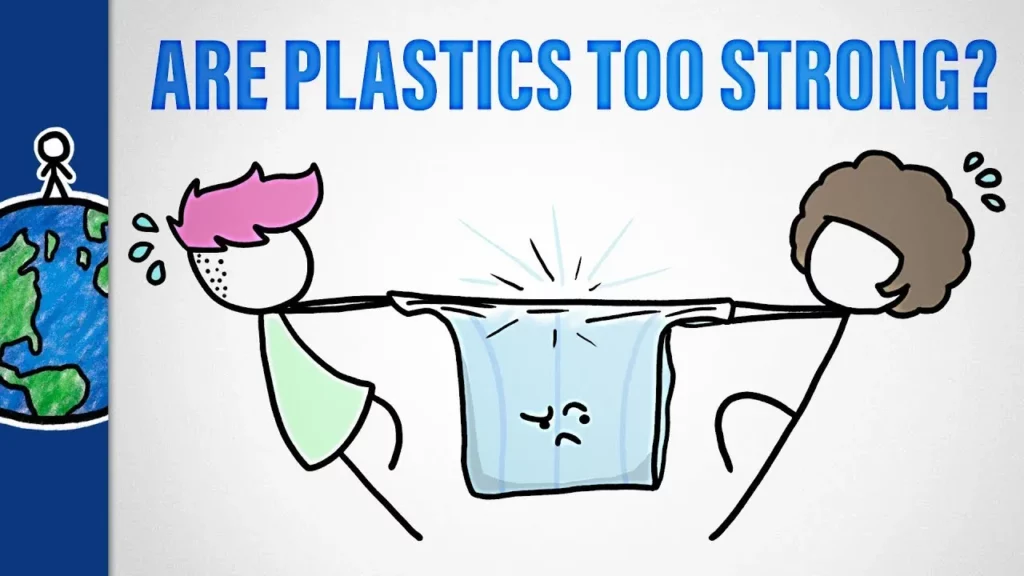
In this lesson, Emily from MinuteEarth explores the properties of plastics, highlighting their strength and durability, which contribute to environmental persistence. While traditional plastics are difficult to break down due to their strong chemical bonds, scientists are developing biodegradable alternatives, like polylactide, that can decompose more easily under certain conditions. Ongoing research aims to create eco-friendly plastics from renewable resources, paving the way for a more sustainable future.
Milk Is Just Filtered Blood
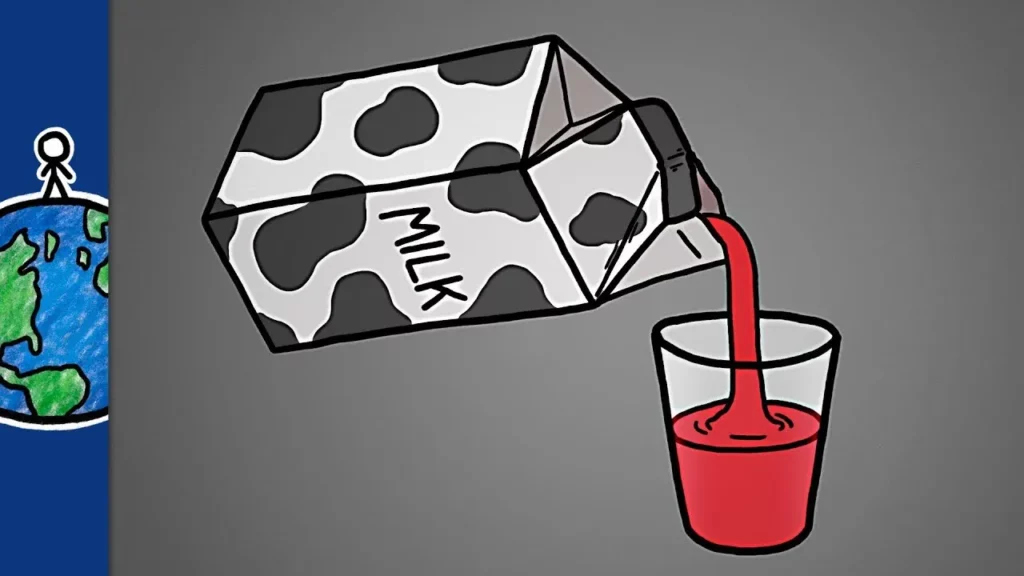
In this lesson, Emily from MinuteEarth explores the intriguing process of milk production in mammals, explaining that all mammal milk originates from blood, which is transformed into milk by the mammary glands. She highlights the unique adaptations of different mammals, such as the varying compositions of milk tailored to their offspring’s needs, and emphasizes the impressive milk production capabilities of cows. Ultimately, the lesson reveals that milk is not just a simple beverage, but a complex and vital substance shaped by nature’s design.
Why You Shouldn’t Give Ginger To Monkeys (and other animal sayings)
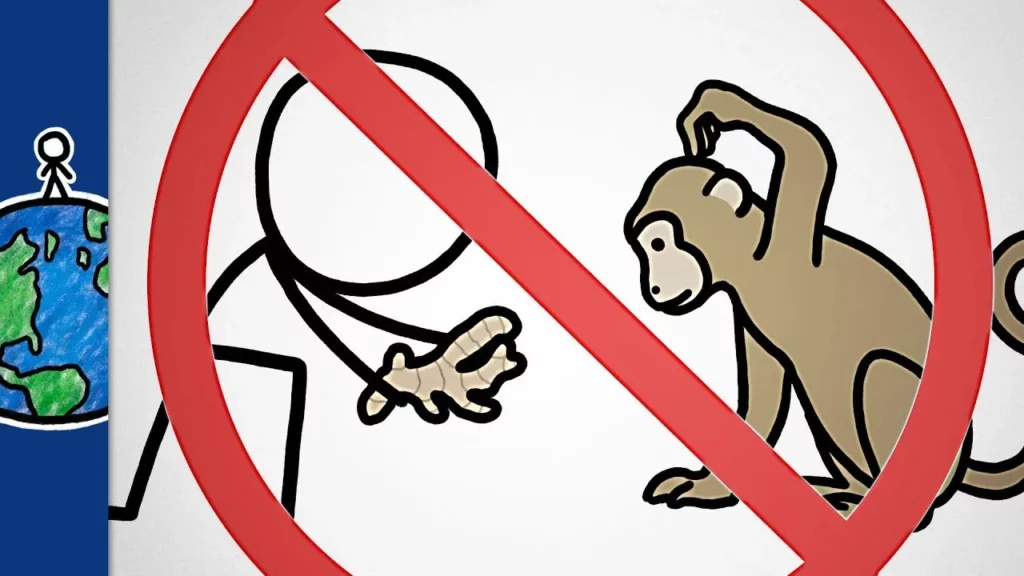
The lesson explores the use of animal expressions across different cultures, highlighting how various sayings reflect unique cultural perspectives while conveying similar ideas. For instance, the phrase “don’t give ginger to monkeys” in India parallels expressions like “don’t cast pearls before swine” in English, demonstrating that while the animals differ, the underlying message remains consistent. This illustrates how animals symbolize distinct traits that resonate with people, enriching language and cultural identity.
When Trees Go Nuts
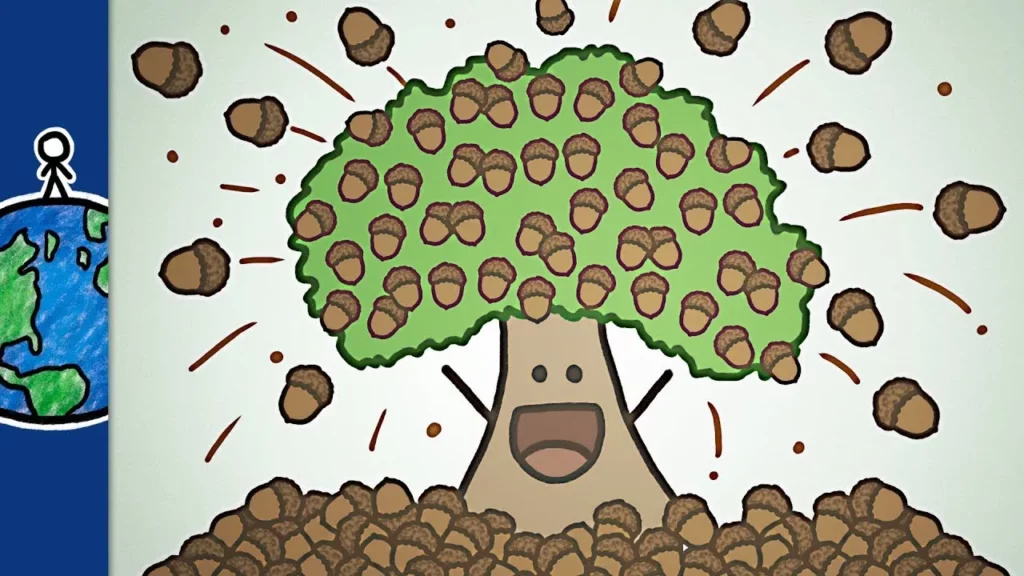
In the lesson “When Trees Go Nuts,” Emily from MinuteEarth explores the phenomenon of masting, where trees produce an unusually high number of seeds simultaneously, as seen with the white spruce trees in Canada’s Yukon territory in 2010. This coordinated behavior, driven by environmental signals like weather patterns, serves as a survival strategy, allowing trees to conserve energy and protect their seeds from predators, ultimately increasing the chances of successful reproduction and the continuation of their species.
How Long Can We Live?
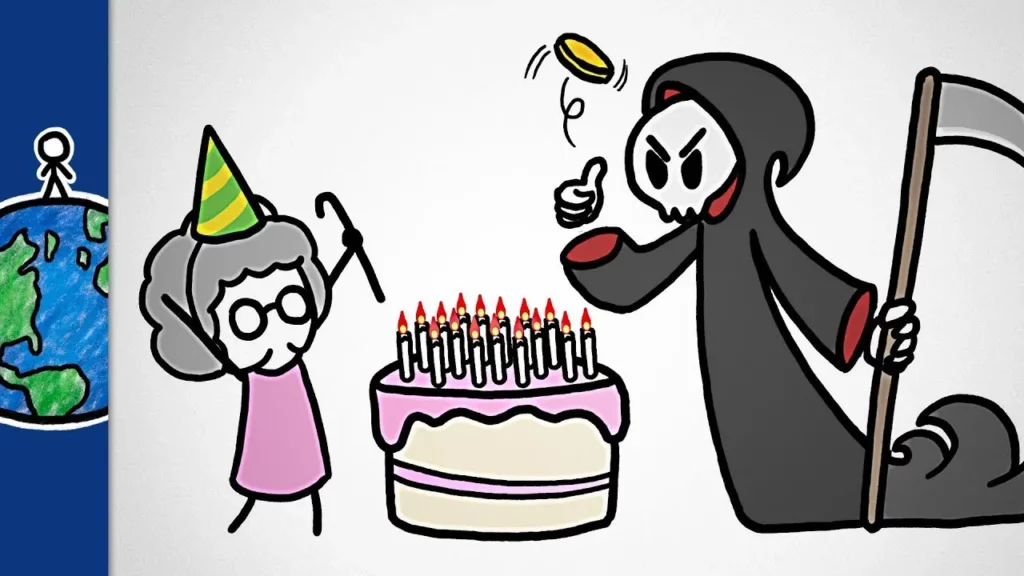
The lesson “How Long Can We Live?” explores the aging process and mortality, highlighting how the likelihood of death increases with age due to cellular wear and tear. It discusses the mortality curve, explaining that harmful genetic mutations tend to persist as natural selection’s influence diminishes in older age, leading to a stabilization of death rates around 50% for centenarians. Ultimately, while genetics, lifestyle, and medical advancements influence lifespan, the lesson emphasizes that understanding these factors may help extend healthy living and challenge the limits of human longevity.
Rise Of The Mesopredator???? (ft. @sciencewithtom )
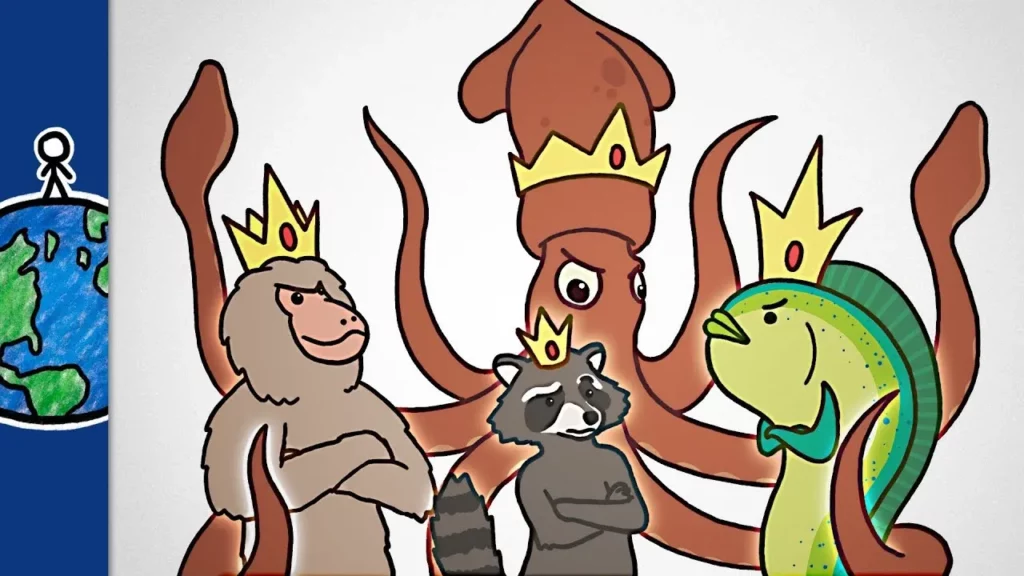
In this lesson, Emily and Science with Tom explore the concept of food webs and the crucial role apex predators play in maintaining ecological balance. When these top predators disappear, mesopredators can proliferate, leading to potential disruptions in the ecosystem. Understanding this dynamic highlights the importance of protecting apex predators and their habitats to ensure a healthy environment for all species.
The Similarity Trap
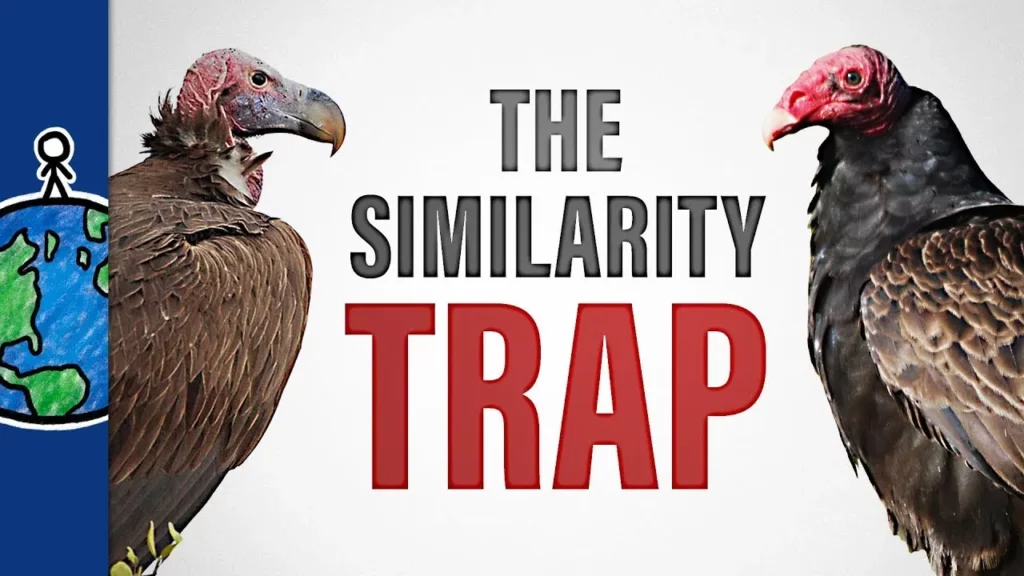
In this lesson, Emily from MinuteEarth discusses how life and language evolve similarly, highlighting the importance of tracing origins through similarities. However, she warns that such similarities can be misleading, as seen in examples from language and biology where words or species that appear related are actually not. The key takeaway is that while similarities can provide insights, one must investigate further to accurately understand the relationships between different entities.
Why Earth Has Two Levels | Hypsometric Curve
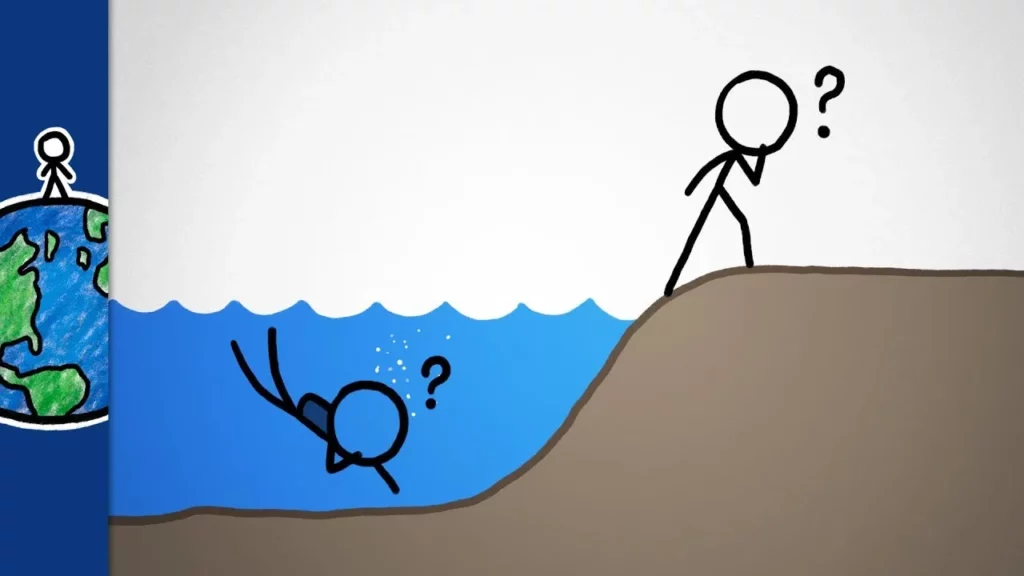
The lesson explains the unique double-peaked elevation distribution of Earth, contrasting it with Venus’s normal distribution. This distinction arises from the varying densities of the oceanic and continental crusts, which influence tectonic plate interactions and result in thicker continental crust, leading to higher average elevations. Understanding this distribution highlights the significance of Earth’s geological features for sustaining life on land.
Why Are There Penguins At The Equator?
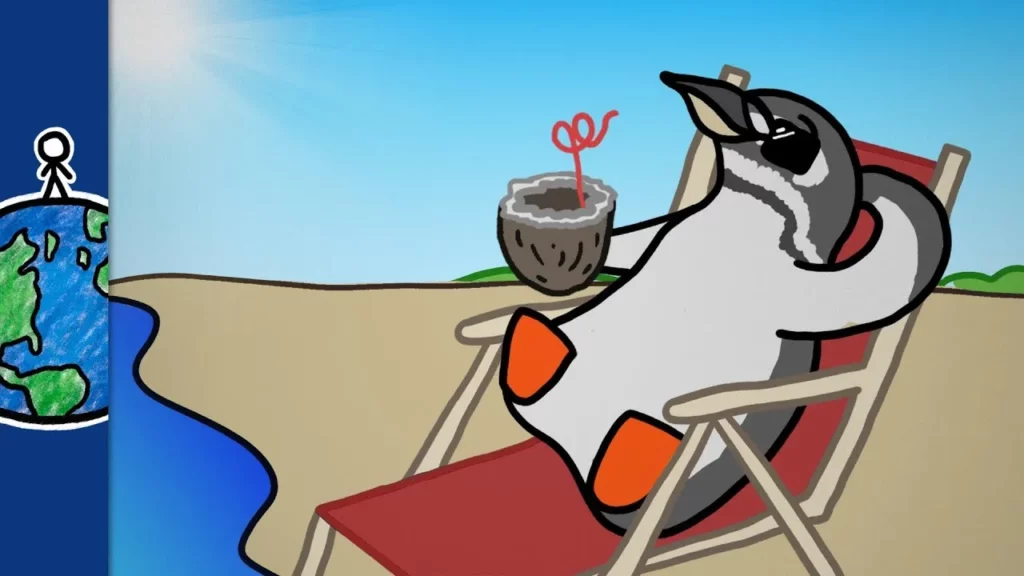
This lesson explores the surprising presence of penguins near the equator, specifically in the Galapagos Islands, where the cold Cromwell Current brings nutrient-rich waters to the surface. This current not only cools the environment but also supports the growth of algae, a crucial food source for the penguins. Unlike their southern counterparts, Galapagos penguins thrive in this unique ecosystem, demonstrating how ocean currents can create favorable conditions even in unexpected locations.