
Why You Can’t Build A Clone Army… (Yet)
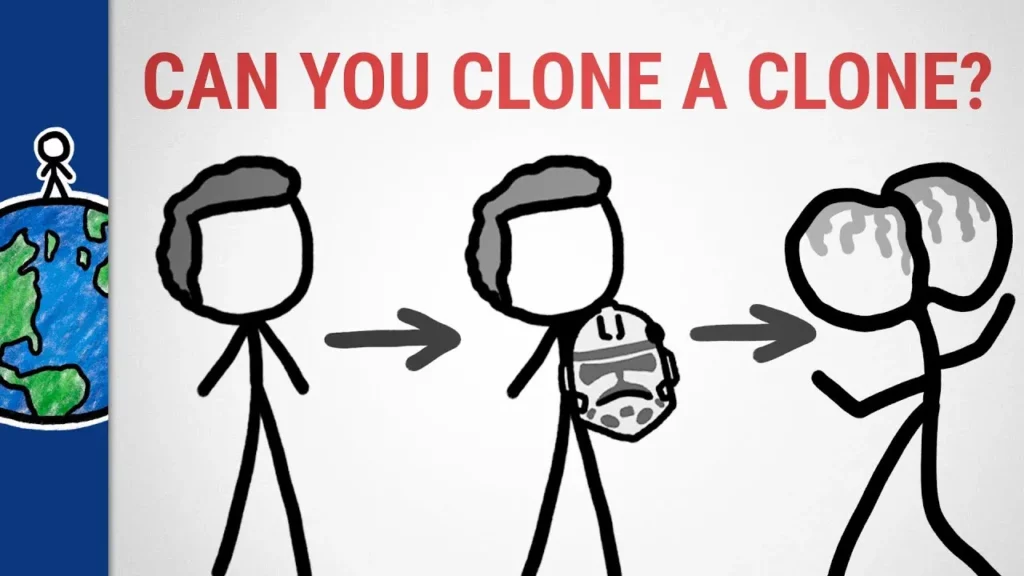
The lesson explores the scientific challenges of cloning, particularly the difficulties in creating viable clone zygotes from non-reproductive cells, which often leads to developmental issues due to DNA complications. While recent advancements, such as a super-enzyme, show promise for overcoming these obstacles, cloning remains a complex process, especially when attempting to clone clones or extinct species like the mammoth. Ultimately, the dream of building a clone army is still hindered by significant biological limitations.
MinuteEarth Explains: Poop
In this lesson from MinuteEarth, Kate explores the fascinating science behind poop, starting with the surprising fact that fetuses produce urine and some waste while in the womb, which is managed by the mother. The discussion extends to how humans and animals handle waste, the importance of biodiversity in ecosystems, and the potential benefits of microbial transplant therapy in agriculture and medicine. Overall, the lesson highlights the educational value of understanding waste and its role in both human health and environmental sustainability.
Is There A Better Way To Power Airplanes?

The lesson explores the challenges and possibilities of finding alternative fuels for airplanes, highlighting that while jet fuel is efficient, it is costly and environmentally harmful. It discusses the difficulties in switching fuels due to aircraft design and energy density requirements, and examines various alternatives, ultimately suggesting that synthetic jet fuel may be the most promising option for the future, despite its current higher costs. The lesson emphasizes the importance of innovation in aviation fuel to achieve cleaner energy solutions and reduce carbon emissions.
MinuteEarth Explains: Human Evolution
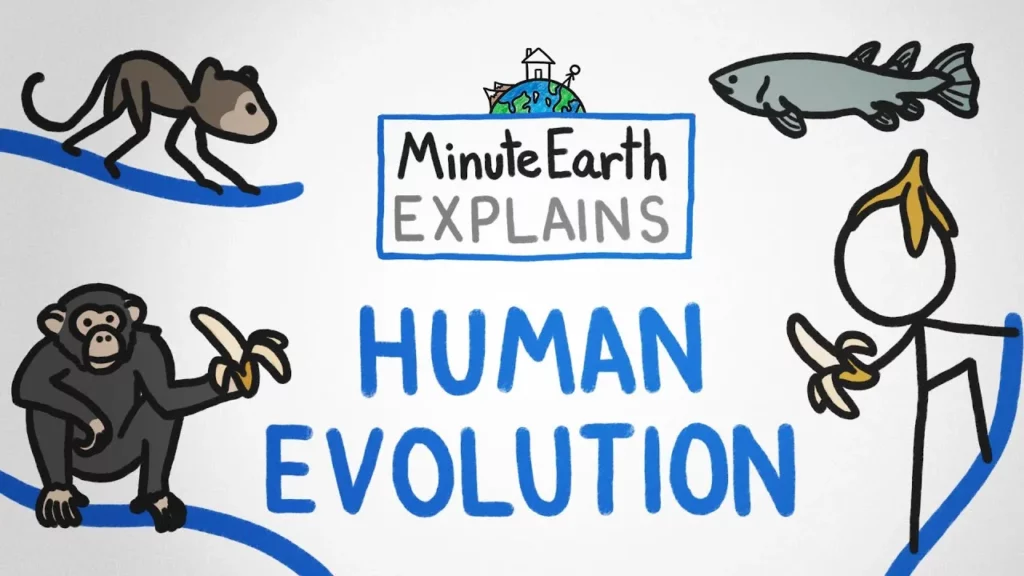
The lesson on human evolution explores the fascinating journey of how humans developed from fish, highlighting the transition from lobe-finned fishes to four-limbed animals. It also discusses our genetic relationship with chimpanzees, emphasizing that while we share a high percentage of DNA, significant differences exist due to evolutionary changes. Additionally, the lesson touches on the evolutionary basis of certain behaviors and the patterns of mortality as humans age, raising intriguing questions about longevity and survival.
The Best Worst Energy Source

The lesson explores the dual nature of coal as an energy source, highlighting its historical significance and accessibility while also addressing its severe environmental and health impacts. Despite its role in powering the Industrial Revolution and current electricity production, coal mining and combustion contribute to pollution, health issues, and climate change. The lesson emphasizes the importance of transitioning to cleaner energy alternatives and advocates for safer practices if coal must be used, underscoring the urgency of moving towards sustainable energy solutions.
MinuteEarth Explains: Animal Winners and Losers
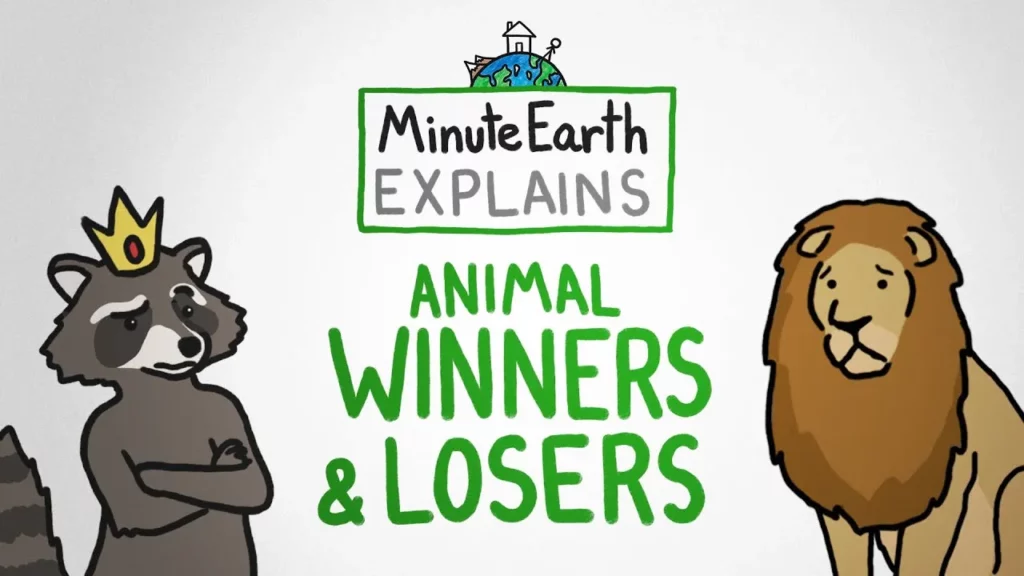
In this lesson, we explore the diverse stories of animal winners and losers, highlighting how certain species thrive while others face significant challenges due to environmental changes and human activities. Key examples include the evolution of prehensile tails in monkeys, the critical role of apex predators like lions and tigers in maintaining ecosystem balance, and the impact of invasive species on local wildlife. Understanding these dynamics is essential for effective conservation efforts and promoting a healthy planet.
YouTube Is Misleading You. Help Us Make It Better.
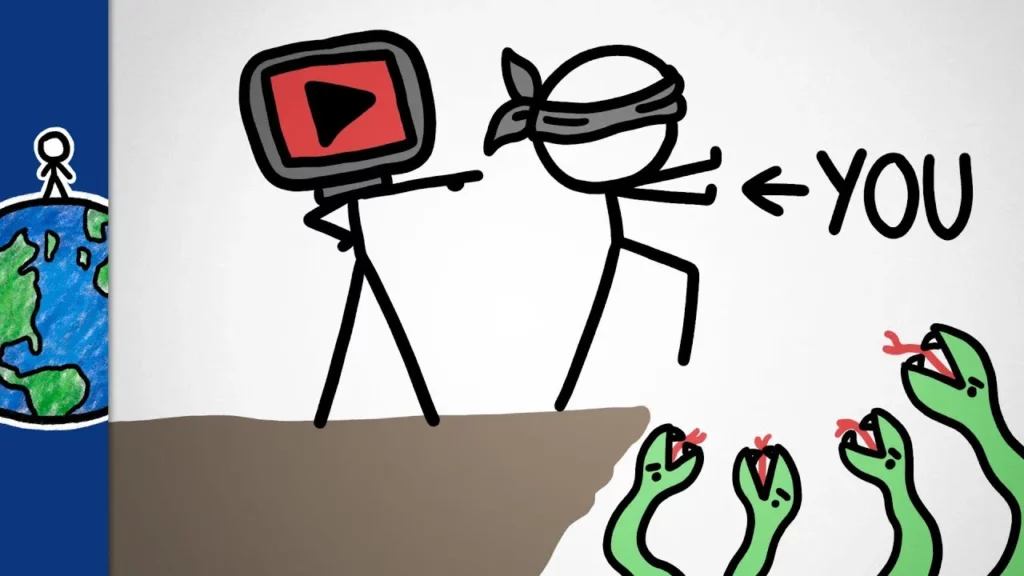
In this lesson, Julián from MinuteEarth highlights the issue of misinformation on YouTube, where many viewers encounter misleading content alongside educational videos. He emphasizes the importance of supporting channels that prioritize accurate information, like MinuteEarth, which invests significant effort in research and expert consultation to create fact-based, engaging content. Julián encourages viewers to engage with and share their videos, and consider becoming patrons to help sustain their mission of providing reliable educational resources.
Unintended Consequences | MinuteEarth Explains

The lesson explores the dual impact of air conditioning, highlighting its life-saving benefits during heat waves and its contribution to global warming. While heating is currently a larger climate issue, the increasing demand for air conditioning exacerbates environmental challenges, necessitating efficient systems, proper refrigerant management, and innovative building designs to mitigate its effects. Ultimately, the lesson emphasizes the importance of understanding unintended consequences in our actions, advocating for sustainable practices to balance comfort and environmental responsibility.
Will Gas Stations Survive?
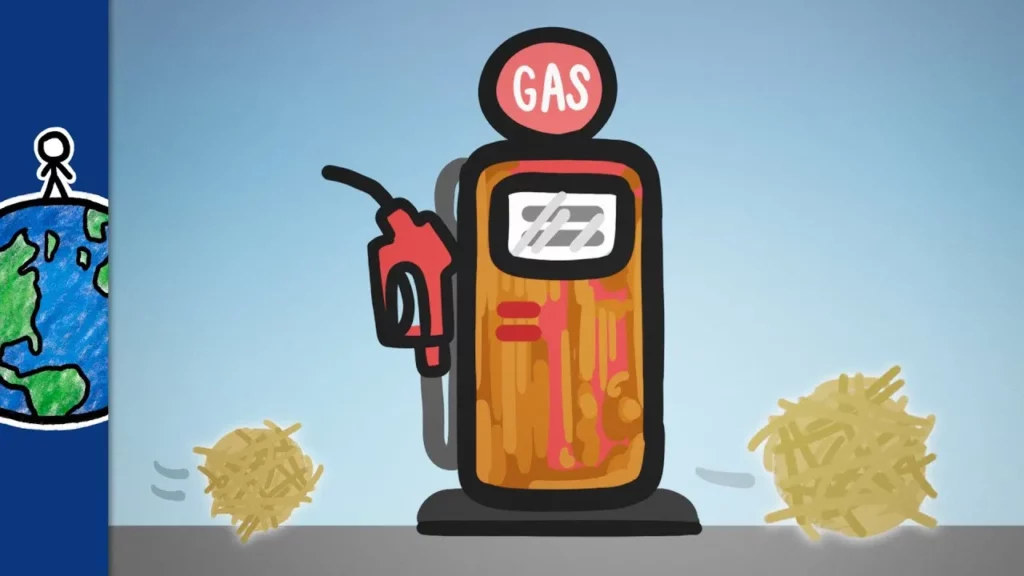
The lesson discusses the historical evolution of gas stations, starting from Bertha Benz’s pioneering road trip in 1888, which highlighted the need for fuel sources. While the rise of electric and alternative fuel vehicles poses a potential threat to traditional gas stations, the current low adoption rate of electric cars suggests that gas stations may continue to play a vital role in transportation for the foreseeable future. Additionally, gas stations could adapt to support new fuel types, ensuring their relevance in a changing automotive landscape.
Extreme Weather | MinuteEarth Explains
In this lesson, we explored various aspects of extreme weather, including the hottest recorded temperatures on Earth and the challenges posed by rising sea levels. We learned that while traditional weather stations provide limited data, satellite technology has revealed even hotter areas, such as the Lut Desert. Additionally, the lesson discussed the concept of “Acts of God” in relation to natural disasters and how public perception of extreme weather can be influenced by personal experiences and media coverage.