
Why People Hate Hyenas
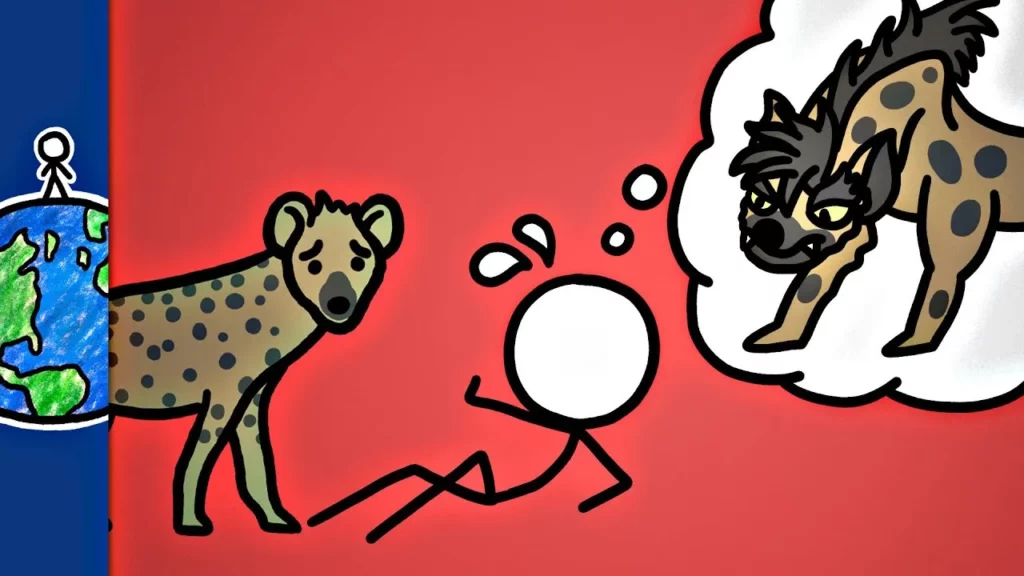
In this lesson, Kate from MinuteEarth explores the negative perceptions surrounding spotted hyenas, tracing their bad reputation back to historical misunderstandings and cultural beliefs. She highlights that while hyenas may exhibit traits that humans find unattractive, these characteristics are simply unique survival strategies, and encourages a reevaluation of our biases towards these fascinating animals. Ultimately, the lesson calls for a more open-minded perspective on hyenas, suggesting that our judgments may reflect more about us than about the animals themselves.
How To Go Extinct

In the lesson “How To Go Extinct,” Kate from MinuteEarth explores the concept of extinction, highlighting that over 99% of species that have ever existed on Earth are now extinct. Using the MinuteLabs Evolution Simulator, she illustrates how factors such as environmental changes, competition, predation, and human impact influence a species’ survival or extinction. The lesson emphasizes that while extinction is a common outcome in evolution, it can also lead to the emergence of new species, showcasing the dynamic nature of life on Earth.
Why Sewers Around the World Keep Overflowing
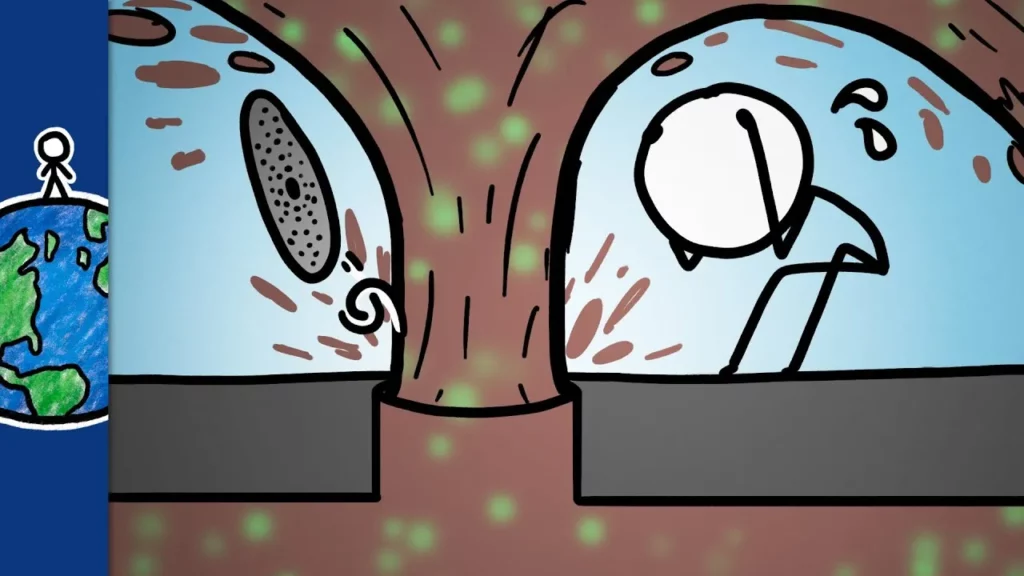
The lesson explains the reasons behind sewer overflows in cities worldwide, highlighting a significant incident in Chicago where over a million gallons of waste were released into local waterways. It discusses the historical design of combined sewer systems, which struggle to cope with increasing storm intensity and urbanization due to climate change. The lesson also explores potential solutions, such as separating stormwater and wastewater systems and creating green spaces to absorb rainwater, while encouraging further exploration of water management topics through the podcast “In Deep.”
Why Does This Shrimp Cost More Than A Car?
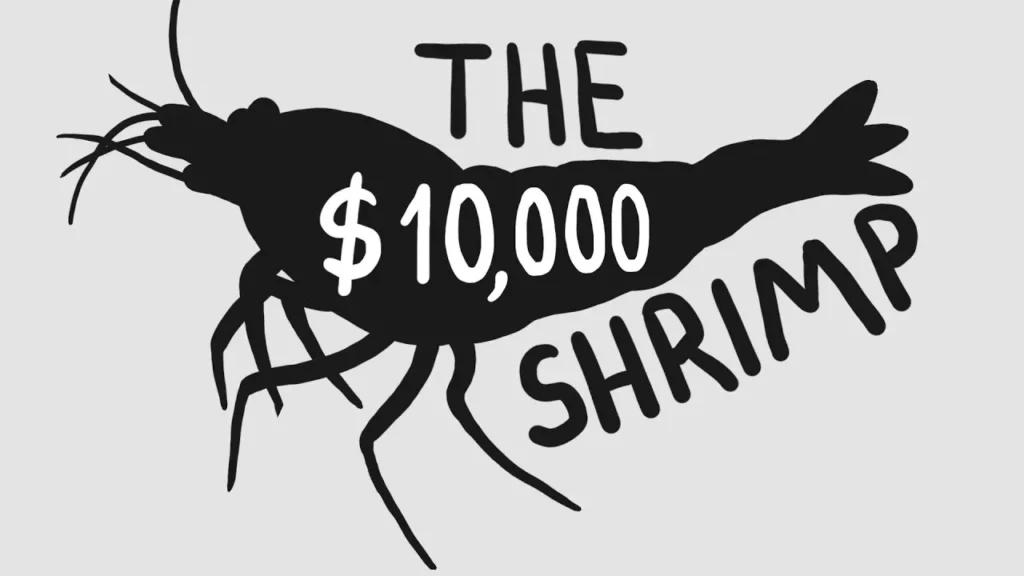
The lesson explores the surprising reasons behind the high prices of certain freshwater shrimp, which can cost as much as a car. It highlights the concepts of rarity and human behavior, explaining that the value of these shrimp is driven by their unique colors and patterns, achieved through selective breeding. Ultimately, the lesson emphasizes how perceived scarcity can elevate the desirability and price of items that may seem illogical to purchase at such high costs.
Why You’re More Likely To Die In Winter
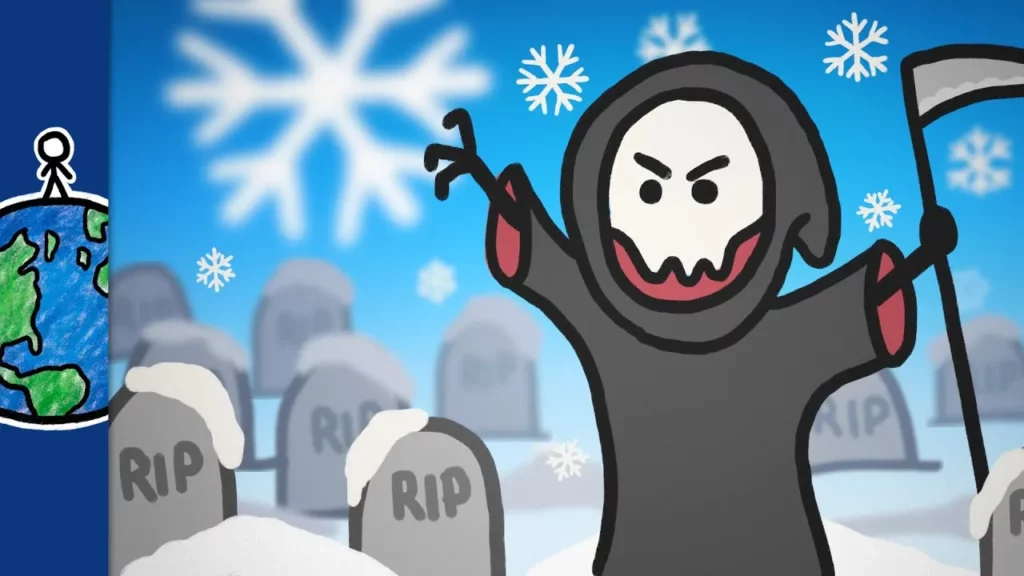
The lesson discusses the increased mortality rates during winter, highlighting that while flu and pneumonia contribute to this rise, the more significant factors are heart attacks and strokes due to cold weather’s physiological effects on blood vessels. It notes that winter sees about 30,000 more deaths daily compared to summer, emphasizing the importance of proactive health measures, such as vaccinations and awareness of heart health, to mitigate these risks during colder months.
How To Hear Halfway Around The World

In this lesson, Kate from MinuteEarth explains how sound can travel vast distances underwater, exemplified by a 1960 experiment where sounds from explosions off Australia were detected near Bermuda. The phenomenon is attributed to the SOFAR channel, a layer in the ocean where sound travels the slowest, allowing it to bend and travel long distances without losing energy. This channel not only aids in whale communication but is also utilized by global monitoring systems to detect various ocean sounds, contributing to environmental research and safety efforts.
15 YouTubers Play The Telephone Game
In the lesson about “15 YouTubers Play The Telephone Game,” the game Telestrations is explored, where participants pass an idea through drawing and interpretation, leading to humorous distortions of the original concept. This playful activity serves as a metaphor for how scientific information can become misrepresented as it circulates through various media, highlighting the importance of verifying facts and seeking original sources to understand the truth. Ultimately, the YouTubers enjoyed the game while illustrating the comedic yet critical nature of information sharing.
Why Hardwoods Are The Softest Woods
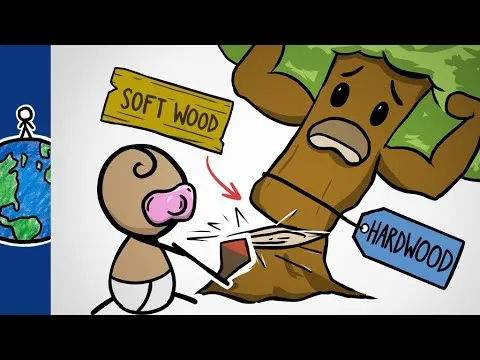
The lesson explains that the terms “hardwood” and “softwood” do not necessarily reflect the actual hardness of the wood, as seen in the example of balsa wood, which is classified as a hardwood despite being very soft. The classification is based on the tree’s characteristics, with hardwoods being angiosperms (broad-leaved trees) and softwoods being gymnosperms (needle-leaved trees). Additionally, the lesson highlights the diversity within hardwoods and the factors influencing the hardness of both hardwoods and softwoods, emphasizing that these classifications stem from historical and biological distinctions rather than just physical properties.
Can Pregnancy Tests Help Beat COVID-19?
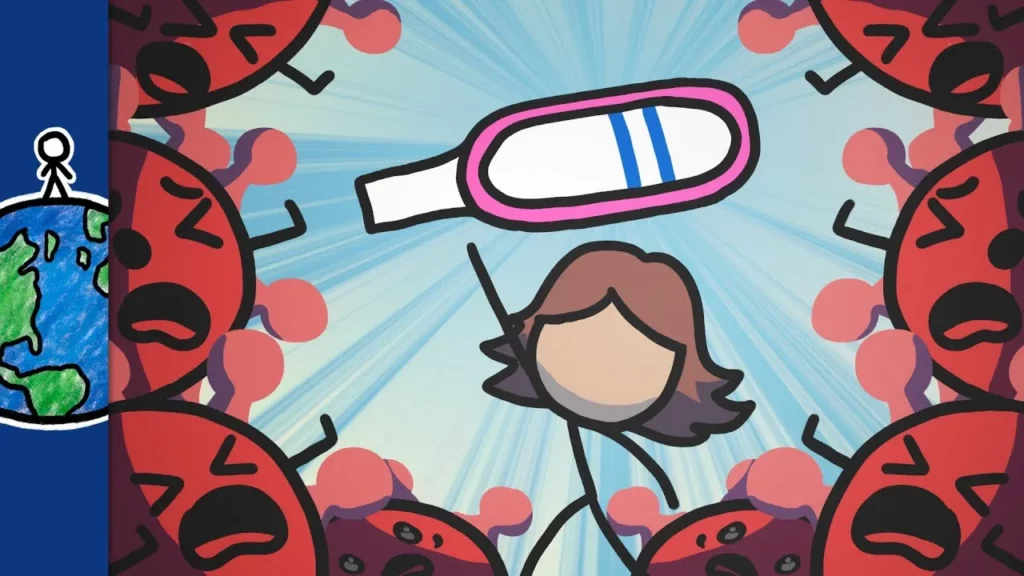
The lesson explores the potential of adapting early pregnancy test technology to develop quick and affordable COVID-19 testing methods. Utilizing principles of capillary action and antibodies, researchers are working on lateral flow assays that can effectively detect the virus in saliva, aiming to balance specificity and sensitivity to minimize false results. Innovations from institutions like the Okinawa Institute of Science and Technology are paving the way for advanced testing solutions, including a blood test that assesses both past infection and antibody levels.
Why Doesn’t All Thunder Sound The Same?
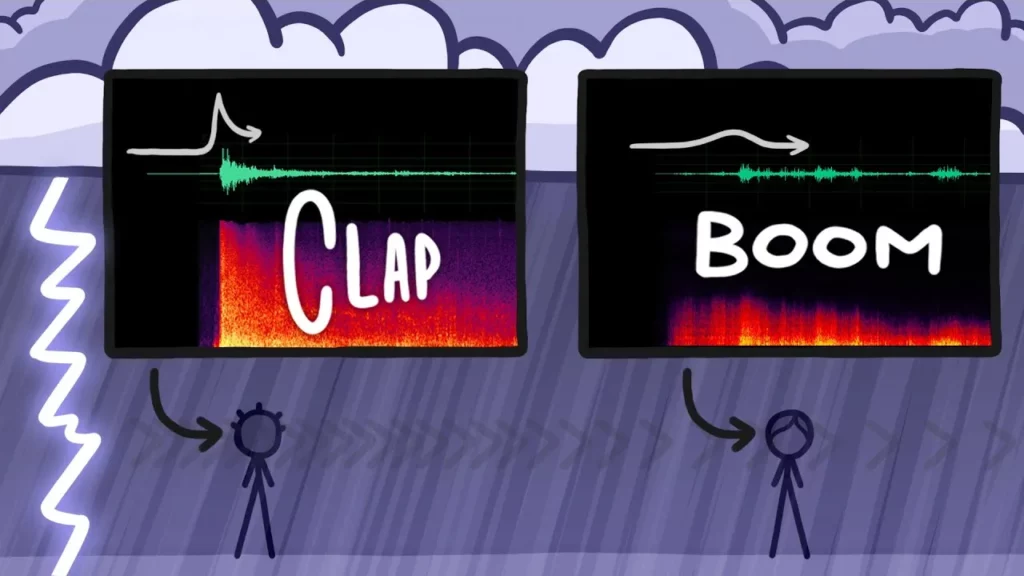
The lesson explains the science behind thunder, detailing how it is produced by the rapid expansion of heated air caused by lightning, which creates shockwaves that we hear as sound. It also explores why thunder sounds different depending on distance and environmental factors, such as the overlapping and bouncing of sound waves. Ultimately, thunder is described as a complex and varied auditory experience, akin to a natural symphony shaped by the dynamics of a storm.