
The Science of Roadkill

In “The Science of Roadkill,” David from MinuteEarth discusses how roadkill, while tragic, serves as a valuable resource for scientific research. By studying roadkill, scientists can gain insights into ecological changes, animal behavior, and the impacts of climate change and invasive species. The lesson highlights the innovative ways researchers utilize unexpected sources of data to enhance our understanding of wildlife and ecosystems.
Dangerous Marshmallows?!

In this lesson, Kate from MinuteEarth explores the fascinating comparison between the energy released by TNT and marshmallows, highlighting that while both substances can release energy through chemical reactions, the speed of these reactions differs significantly. Marshmallows, which burn slowly and require oxygen, can release more energy overall than TNT, but do so in a controlled manner, unlike the rapid and explosive reaction of TNT. The lesson also emphasizes the potential dangers of sugar in certain conditions and encourages using energy positively, such as through charitable initiatives like Tab for a Cause.
The Best Pokémon (According to Science)

In this lesson, Julián from MinuteEarth explores the scientific plausibility of popular Pokémon, focusing on four iconic characters: Bulbasaur, Charmander, Squirtle, and Pikachu. While Bulbasaur and Charmander showcase imaginative abilities that have no direct real-world counterparts, Squirtle stands out as the most scientifically feasible Pokémon due to similarities with real turtles that can expel water. Ultimately, the lesson highlights the fascinating intersection of fantasy and biology in the Pokémon universe.
4 Great Science Stories | MinuteEarth Directors’ Picks
The lesson highlights four intriguing science stories from MinuteEarth, showcasing the relationship between biodiversity and environmental conditions, the parallels between microbreweries and small plants in ecosystems, the evolution of human web browsing behavior akin to animal foraging, and the geothermal dynamics of the Earth’s interior. Each story emphasizes the interconnectedness of natural processes and human activities, illustrating how diverse ecosystems and behaviors can thrive under various conditions. Overall, the lesson underscores the excitement and relevance of scientific exploration in understanding our world.
The Plant That’s Full Of Metal
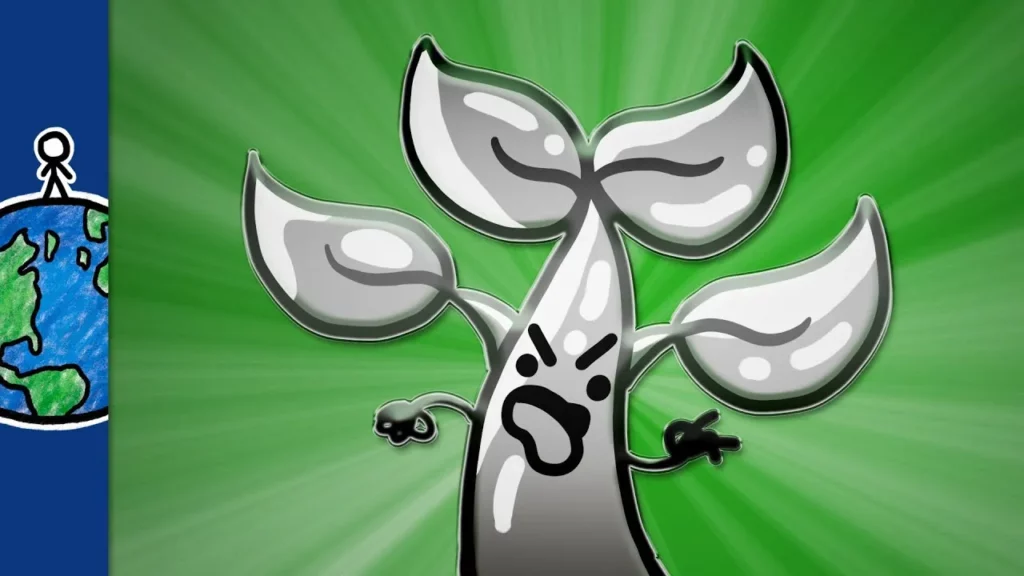
The lesson explores a unique type of plant that can absorb and store high levels of nickel from the soil, particularly in areas like abandoned nickel mines. These plants play a crucial role in preventing soil and water contamination while also providing a potential source of profit through metal extraction. Their ability to thrive despite high metal concentrations is attributed to specialized proteins that facilitate nutrient absorption and storage, which may also serve as a defense mechanism against herbivores.
Does It Pay To Cheat?
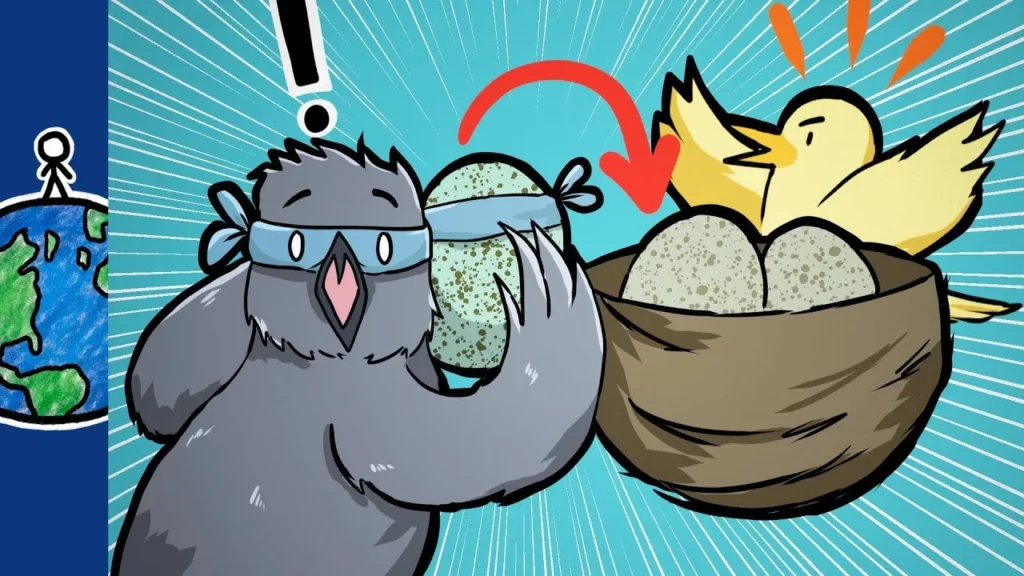
The lesson explores the differing parenting strategies of birds, contrasting traditional methods used by species like warblers with the deceptive tactics of cuckoos and cowbirds, which lay their eggs in the nests of other birds. While these “cheating” strategies may seem advantageous, they often result in fewer surviving chicks compared to the diligent care provided by traditional parents. Ultimately, the lesson highlights the complexities of animal behavior and the balance of nature.
Why Most New Species Are Discovered By Amateurs
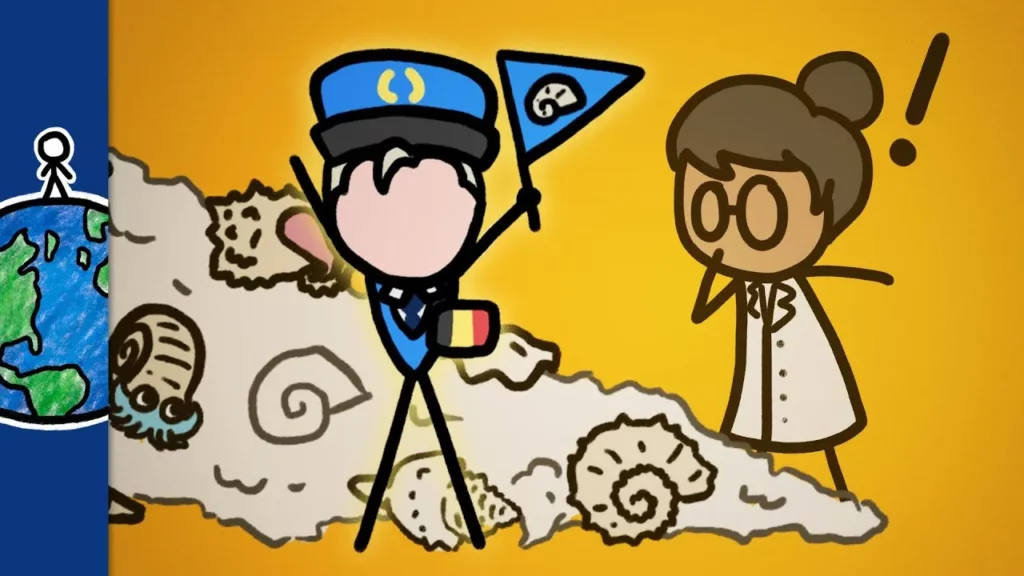
The lesson highlights the significant role that amateur enthusiasts, or “citizen scientists,” play in discovering new species, often outpacing professional scientists in their contributions. With fewer pressures and greater access to technology and scientific resources, these individuals can dedicate time to exploration and study, leading to exciting discoveries in biodiversity. As many species remain unidentified, the lesson encourages everyone, regardless of their background, to engage with nature and potentially contribute to scientific discoveries.
How Firestorms Form
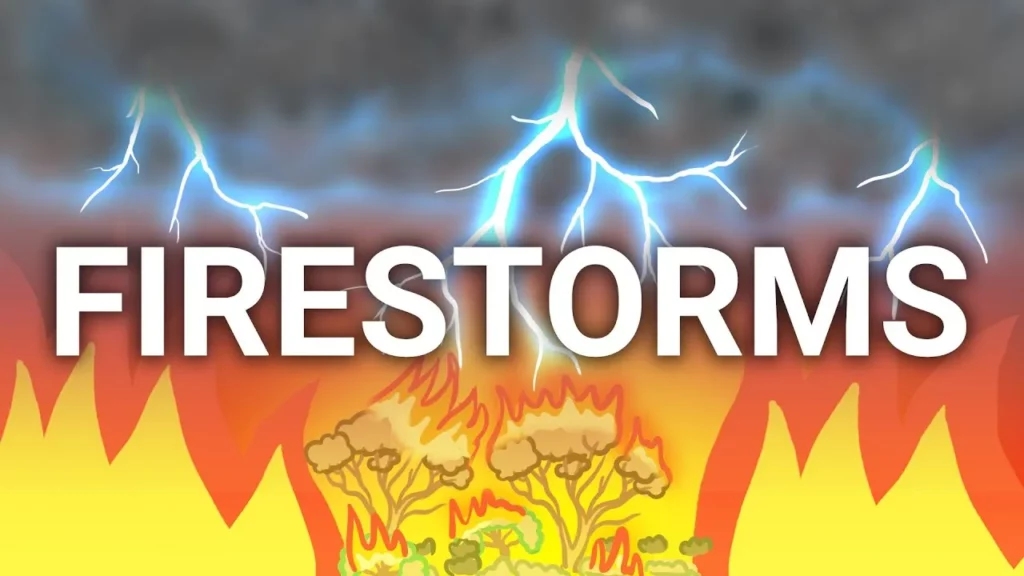
In this lesson, Julián from MinuteEarth explains the formation of firestorms, which begin with wildfires acting as a heat source, similar to thunderstorms. As hot, moist air from burning vegetation rises and meets cooler air above, it creates fire clouds that can lead to prolonged firestorms, lasting much longer than typical thunderstorms due to the evaporation of rain before it reaches the flames. The lesson also highlights how firestorms can spread to new areas, igniting additional fires and exacerbating their impact.
Four Reasons Our Brains Suck At Pandemics
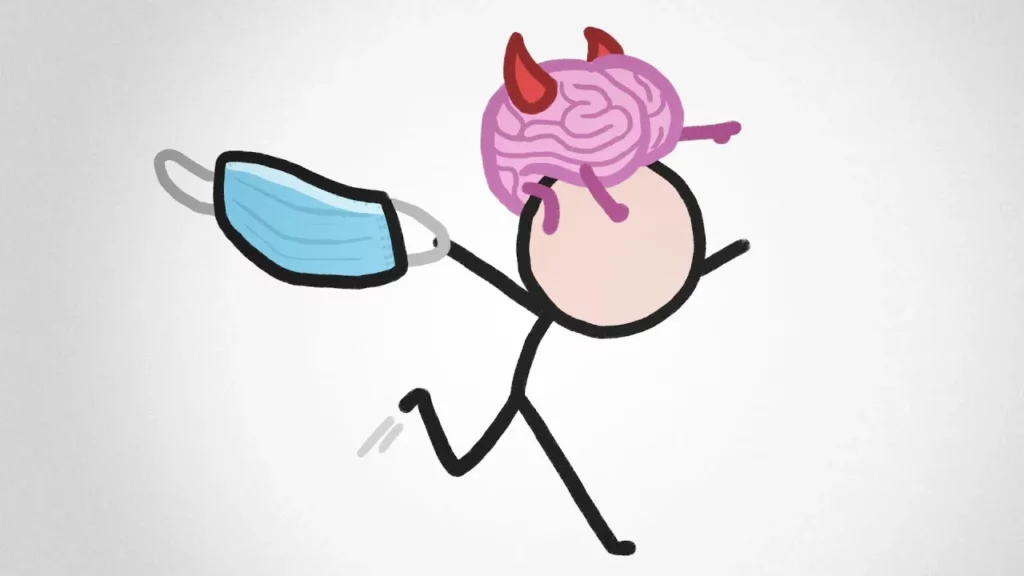
The lesson explores four key reasons why our brains struggle to effectively respond to pandemics like COVID-19. These include misjudging the exponential spread of diseases, experiencing optimism bias that leads to complacency, a preference for immediate gratification over long-term safety, and resistance to authority or guidelines. To combat these biases, staying informed, seeking support from others, and making rational decisions can help us navigate the challenges posed by pandemics more effectively.
Dogs vs Cats: The Diversity Paradox
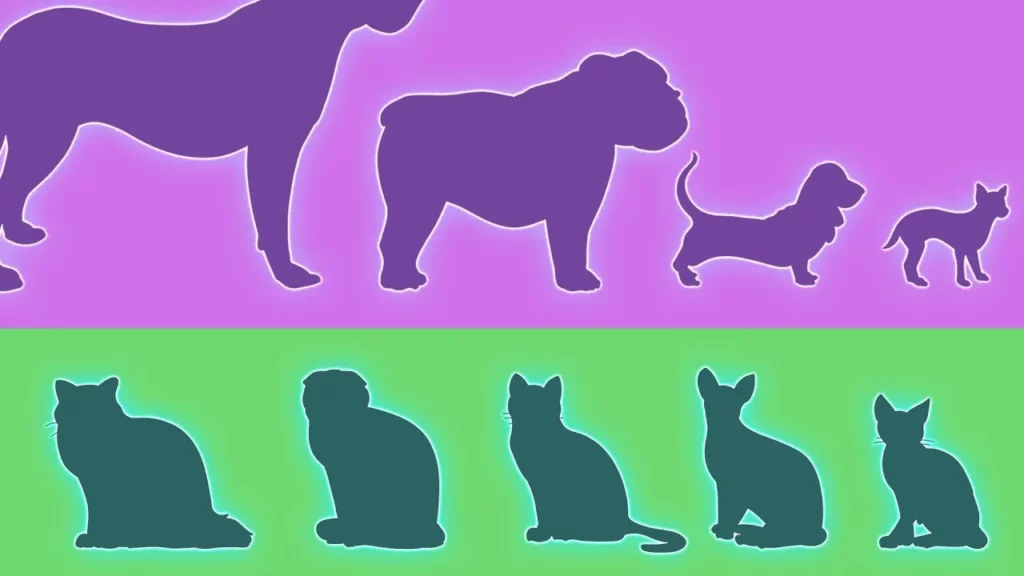
In this lesson, Kate from MinuteEarth explores the remarkable diversity of dogs compared to cats, highlighting that despite their varied appearances, dogs share a surprising genetic similarity, akin to that of humans. This diversity is largely a result of selective breeding practices, which have created distinct breeds with unique traits, while cats, having experienced less selective breeding, exhibit more genetic variation but less pronounced differences within breeds. The lesson also touches on the implications of selective breeding in other species and the potential for creating diverse cat breeds in the future.