
I found the BEST coronavirus depiction (+ explanation)
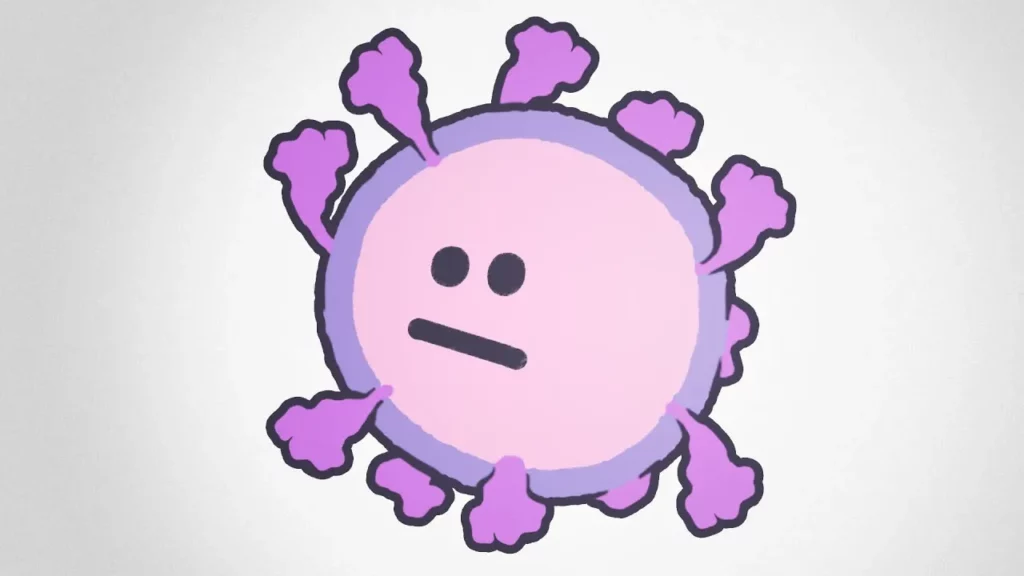
The lesson “Discovering the World of Coronavirus Through Art” explores the intersection of science and art by examining David Goodsell’s watercolor painting, which accurately depicts the coronavirus infection cycle at the molecular level. It highlights the complexity of cells and viruses, explaining how the coronavirus interacts with human cells, specifically through the ACE2 receptor, to initiate infection. Through artistic representations, the lesson emphasizes the importance of visualizing scientific concepts to enhance understanding and spark curiosity about the molecular world.
The Problem With Life Expectancy

The lesson on life expectancy highlights the complexities of comparing lifespans across different species due to varying definitions of “life expectancy.” It explains that humans typically use Life Expectancy At Birth, while dogs and sea turtles often rely on different metrics, such as Life Expectancy After Babyhood and Maximum Life Expectancy, respectively. By examining survival curves rather than just single numbers, we gain a deeper understanding of the mortality patterns and life stages of various animals.
Why “Nothing” Matters in Science

In the lesson “Why ‘Nothing’ Matters in Science,” Julián from MinuteEarth explains the significance of null results in scientific research, emphasizing that even when data doesn’t support a hypothesis, it still provides valuable information. He illustrates this with real-life examples, such as the reevaluation of bed rest for pregnant individuals and the ongoing search for dark matter, highlighting how null results help refine scientific understanding and guide future inquiries. Ultimately, the lesson encourages appreciation for the learning process inherent in science, where being wrong is a crucial step toward discovery.
Which Will Kill You First?
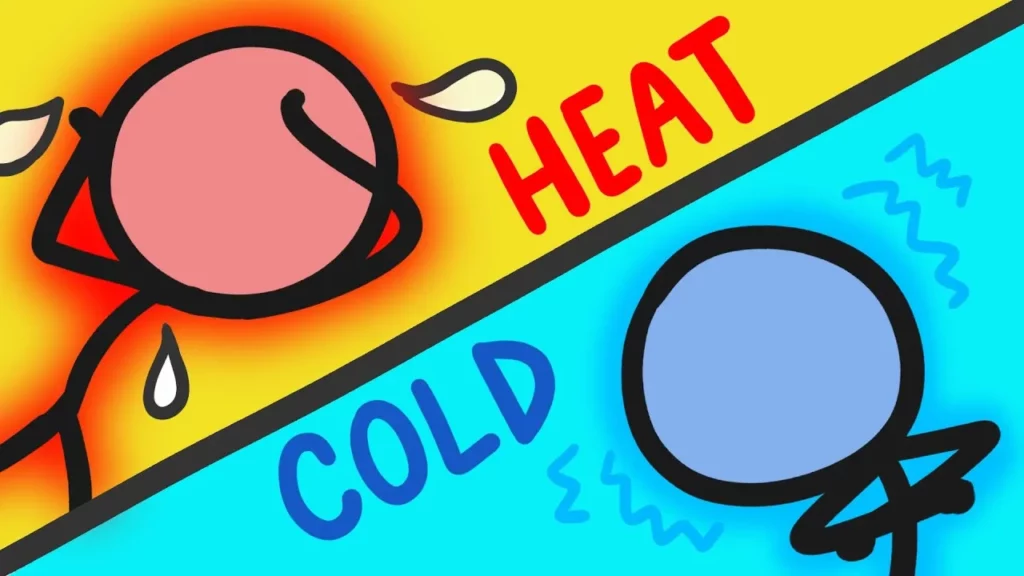
In this lesson, Kate from MinuteEarth explains the body’s temperature limits, highlighting that while we can tolerate cold temperatures better than heat, both extremes can be dangerous. The lesson emphasizes that our proteins function optimally at warm temperatures, but excessive heat can lead to critical failures in bodily systems, whereas cold can slow down bodily functions, allowing for some protective mechanisms. Ultimately, maintaining organ function is crucial for survival in both hot and cold conditions.
Proteins: Explained
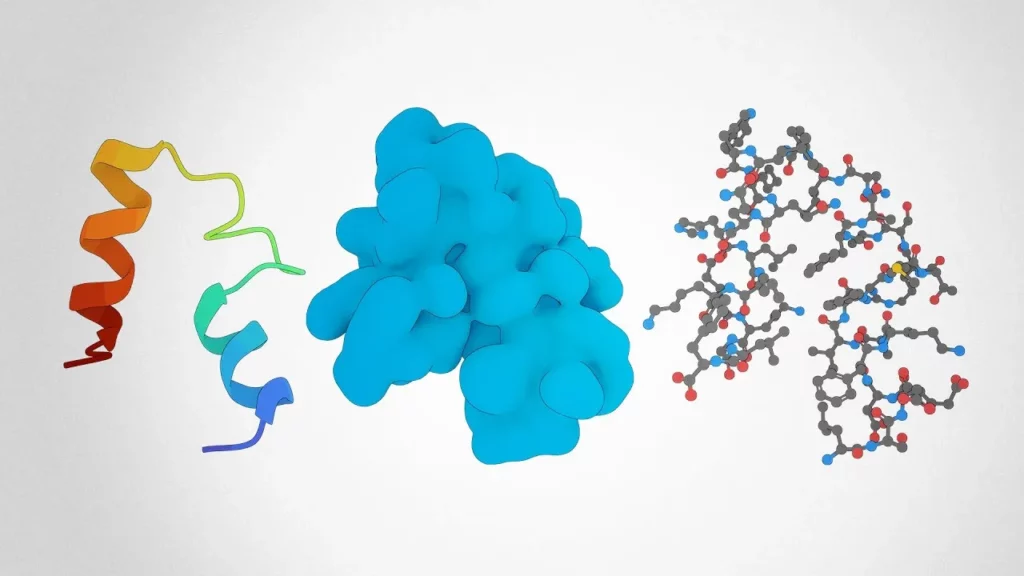
The lesson on proteins highlights their essential role in biological processes beyond just nutrition, emphasizing their complex structures formed by chains of amino acids. It explains how proteins fold into unique shapes that determine their functions, such as building structures, neutralizing pathogens, and facilitating energy transformation in plants. Additionally, the lesson underscores the importance of protein-rich diets for survival and introduces a way to support efforts against undernutrition through a charitable initiative.
The Ecology of Superheroes
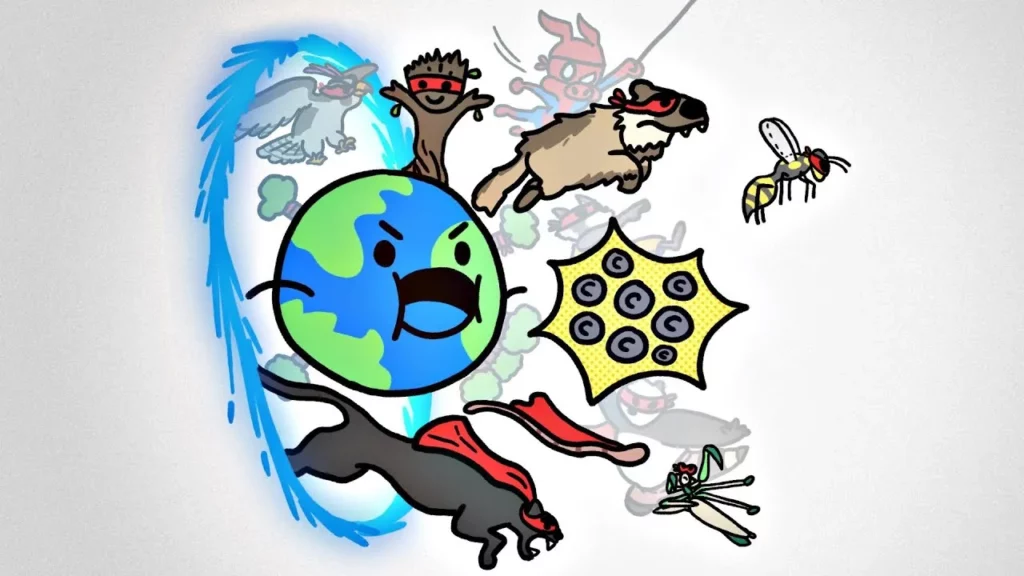
In “The Ecology of Superheroes,” Kate from MinuteEarth illustrates how trees and other natural elements function as the planet’s superheroes in the fight against climate change. Trees play a crucial role by absorbing carbon dioxide and storing it, while their effectiveness is enhanced through diverse ecosystems that promote teamwork among various species. Additionally, humans can contribute as heroes by implementing sustainable practices and participating in global efforts to restore ecosystems, emphasizing the importance of collaboration in addressing environmental challenges.
How Do Some Waves Get SO Big?

This lesson explores the science behind the formation of massive ocean waves, explaining how their energy can extend deep beneath the surface and interact with the seafloor. It highlights the role of underwater features, such as canyons and reefs, in concentrating wave energy, leading to dramatic breaks and towering waves, particularly in locations like the Nazaré Canyon in Portugal. The lesson concludes with a nod to MinuteEarth’s educational tools, such as the MOVA globe, which enhance our understanding of Earth and its phenomena.
Why We Faint (When Other Animals Don’t)
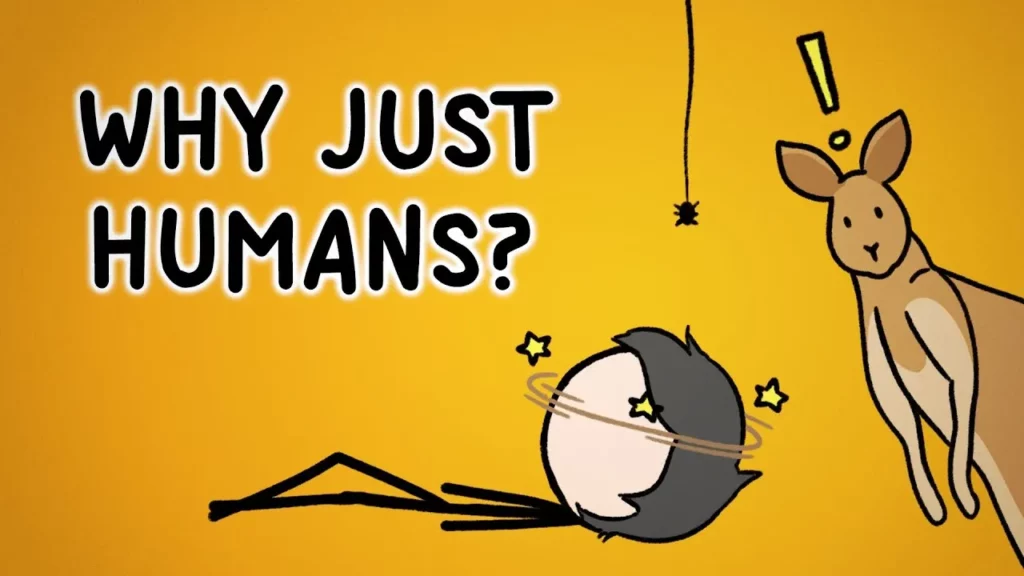
The lesson explains that humans are unique in their tendency to faint from fear, a phenomenon linked to our upright posture and large brains. When faced with stress, our blood pressure can drop too low after initially rising, leading to reduced blood flow to the brain and resulting in fainting. While this trait can cause injuries and hospital visits, it is also a byproduct of the evolutionary advantages that have allowed humans to thrive globally.
The Lost Penis Enigma
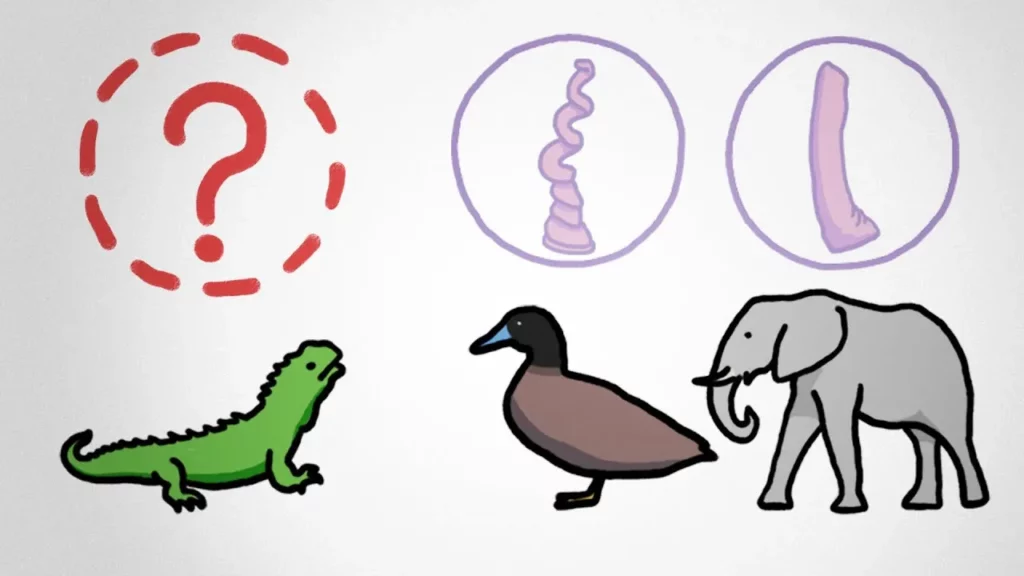
The lesson explores the evolution of unique reproductive structures in amniotes, such as snakes, ducks, and echidnas, and poses the question of whether these traits evolved independently or from a common ancestor. It discusses the concepts of convergent evolution and common origin, highlighting how embryonic development can provide clues to this mystery. Recent research, including the discovery of tuatara embryo slides, suggests that these reproductive structures likely share a common origin, illustrating the interconnectedness of life and the insights gained from studying embryonic development.
An Unexpected Consequence of COVID
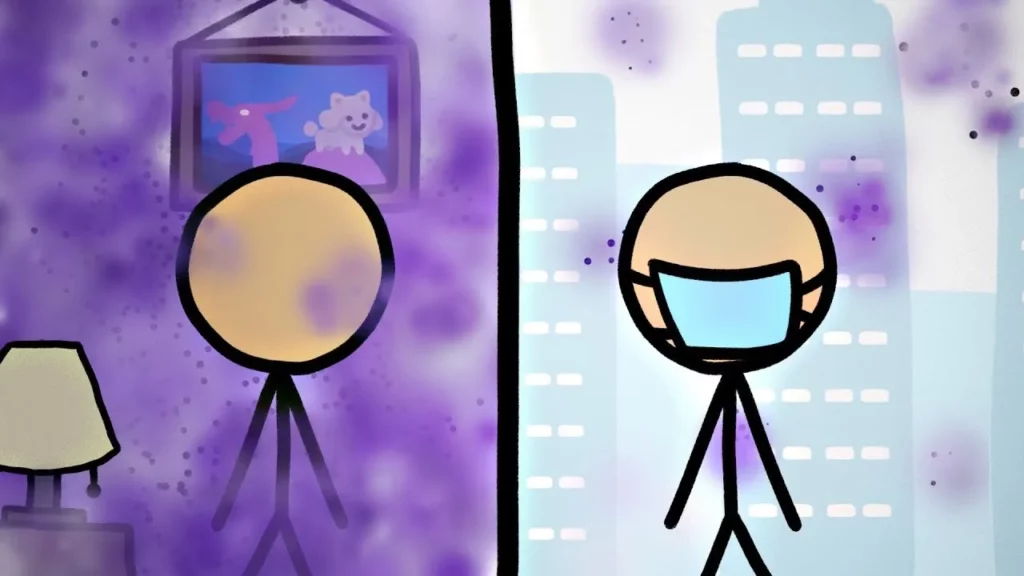
The COVID-19 pandemic led to a significant reduction in outdoor air pollution due to decreased transportation and industrial activity, resulting in cleaner air. However, as people spent more time indoors, indoor air quality worsened, becoming 2 to 5 times more polluted than outdoor air due to cooking and increased use of cleaning products that can release harmful substances. This situation highlights the importance of improving indoor air quality through measures like ventilation and using high-efficiency filters, which can help mitigate health risks associated with indoor pollution.