
Why It’s Good To Have A Weak Hand

In the lesson “Why It’s Good To Have a Weak Hand,” Kate from MinuteEarth explores the concept of handedness and its efficiency in both humans and animals. She explains that having a preferred side allows for stronger neural connections and improved performance in tasks, while the “weaker” side plays a crucial supporting role in various activities. This specialization enhances overall capability, suggesting that both sides of the body are optimized for different functions rather than one being inherently inferior.
We don’t know what a tree is (and this video won’t tell you)
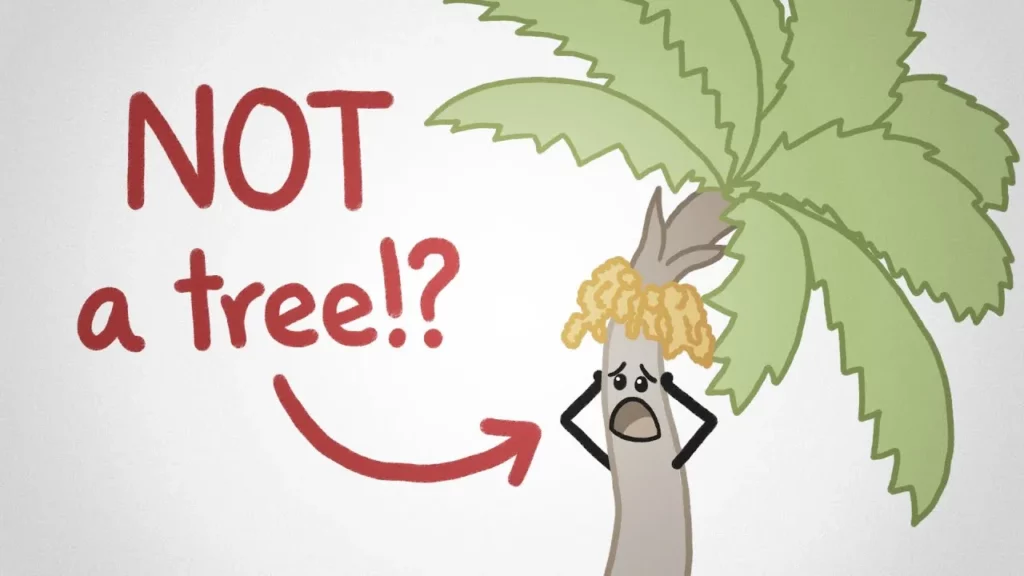
In the lesson “We Don’t Know What a Tree Is,” David from MinuteEarth explores the complexities of defining what constitutes a tree, highlighting that traditional definitions based on physical traits often fail to encompass various plant species like palms and dwarf cypress. The lesson emphasizes that taxonomy, which categorizes organisms based on genetic relationships, reveals surprising connections among plants, indicating that the concept of “tree-ness” is more nuanced than it appears, ultimately suggesting that embracing uncertainty in definitions may be more appropriate given nature’s complexity.
How Long Did People Use To Live?
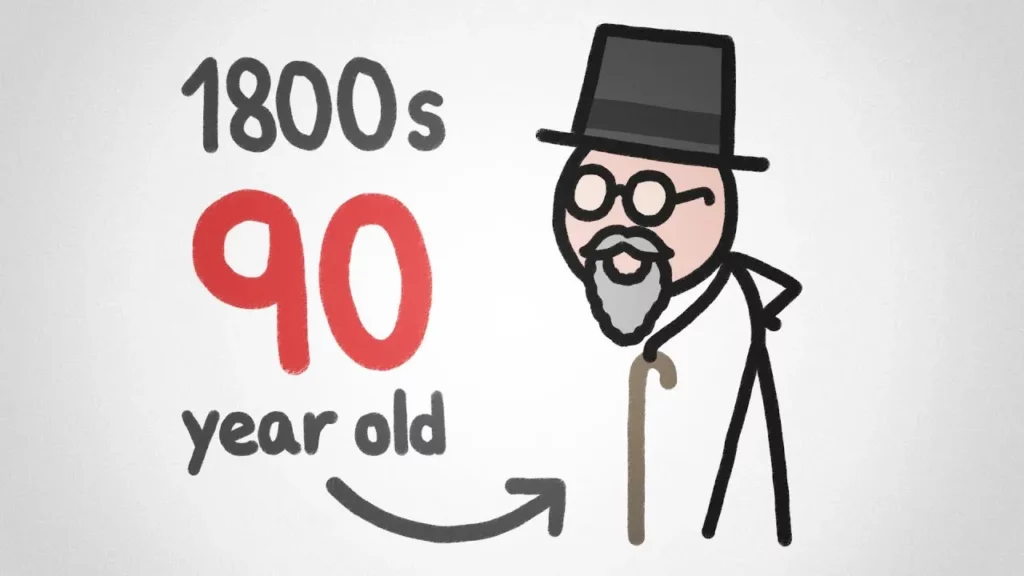
The lesson explores the historical changes in human life expectancy and survival rates, highlighting how data on longevity has evolved over time. It emphasizes that while early 19th-century life expectancy was low due to high infant mortality and disease, advancements in healthcare have significantly improved survival rates, particularly for infants. Today, many individuals can expect to live much longer, with projections indicating that by 2100, nearly all children will survive their first year, showcasing the remarkable progress made in health and medicine.
How Fevers REALLY Work
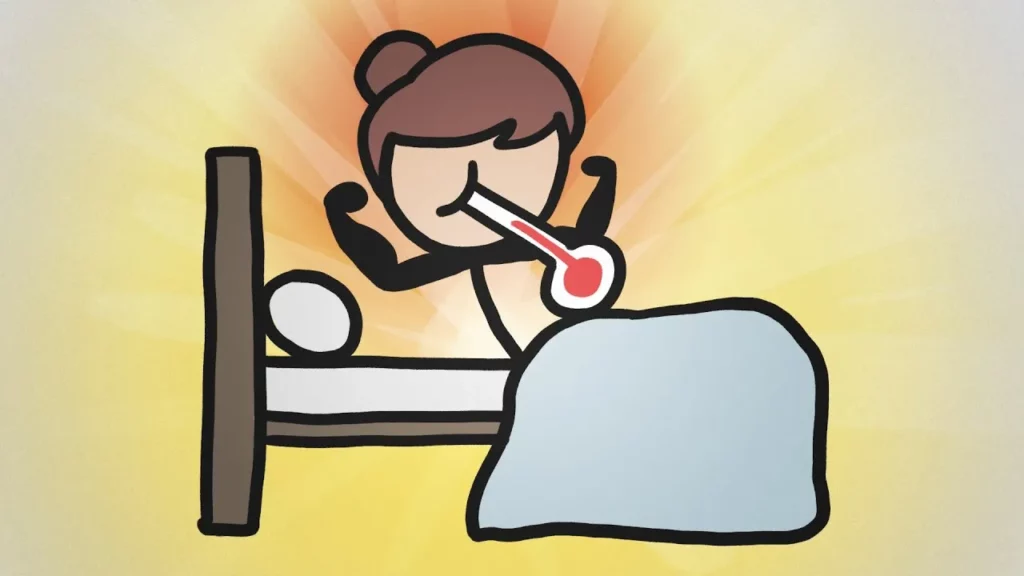
This lesson explains the science behind fevers and their role in the body’s immune response. While fevers don’t directly kill germs, they enhance the effectiveness of immune cells, such as neutrophils and T cells, by activating them and helping them reach infection sites more efficiently. Additionally, the production of heat shock proteins during a fever aids in protecting cells and improving the immune system’s ability to recognize and combat infections.
Why These Bears “Waste” Food
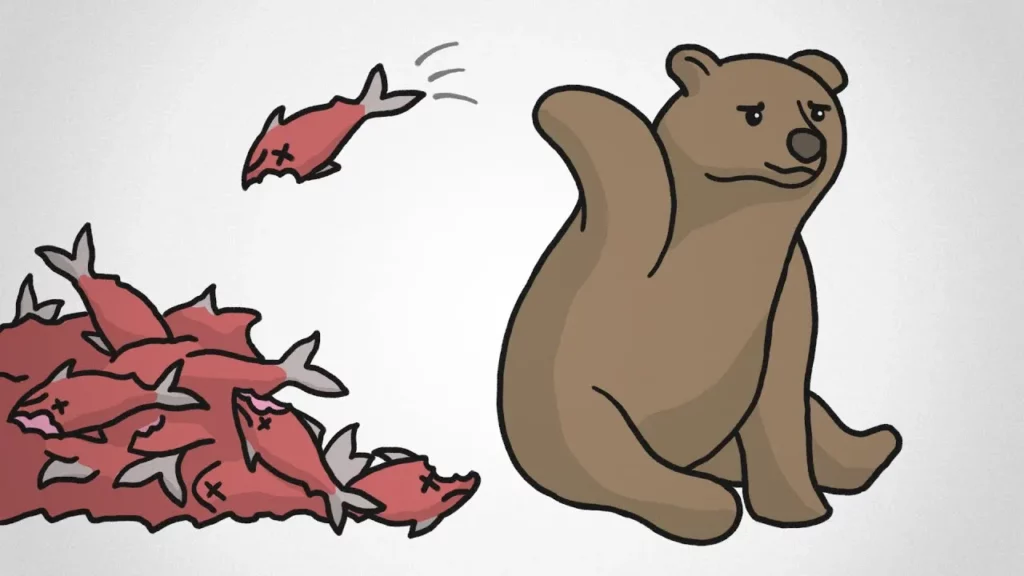
In this lesson, we explore the behavior of grizzly bears and their seemingly wasteful eating habits, particularly when they catch salmon. Bears strategically consume the most calorie-rich parts of their catch, such as the skin and brain, while leaving the less rewarding portions behind to maximize their efficiency and conserve energy for other essential activities. This instinctual behavior not only benefits the bears but also supports the ecosystem by providing food for other animals and organisms.
MinuteEarth Explains: How Did Whales Get So Big? | Book Trailer

The lesson from “MinuteEarth Explains: How Did Whales Get So Big?” highlights the intriguing mysteries of our planet, such as the evolution of whales and the changing colors of leaves in the fall. It encourages curiosity about the natural world and promotes exploration through the accompanying book and merchandise, inviting readers of all ages to discover fascinating facts about animals, nature, and geology.
How To Survive Poison

The lesson explains how our bodies manage various substances, using caffeine as a primary example. It emphasizes the importance of moderation, illustrating that while some substances can be processed quickly and safely, others can accumulate and become harmful. The “bathtub” analogy highlights the need to avoid overwhelming the body with too much of any substance at once to maintain health and safety.
How A Whale And A Bear Beat The System

The lesson highlights how the American black bear and humpback whale have successfully adapted to survive in a world where large animals face significant threats from human activities. By employing reproductive efficiency and dietary adaptability—traits more commonly seen in smaller animals—these species have managed to thrive despite the challenges posed by habitat loss and hunting. Their success underscores the importance of flexibility and resilience in overcoming environmental changes.
Why Sharks Are Covered In Teeth
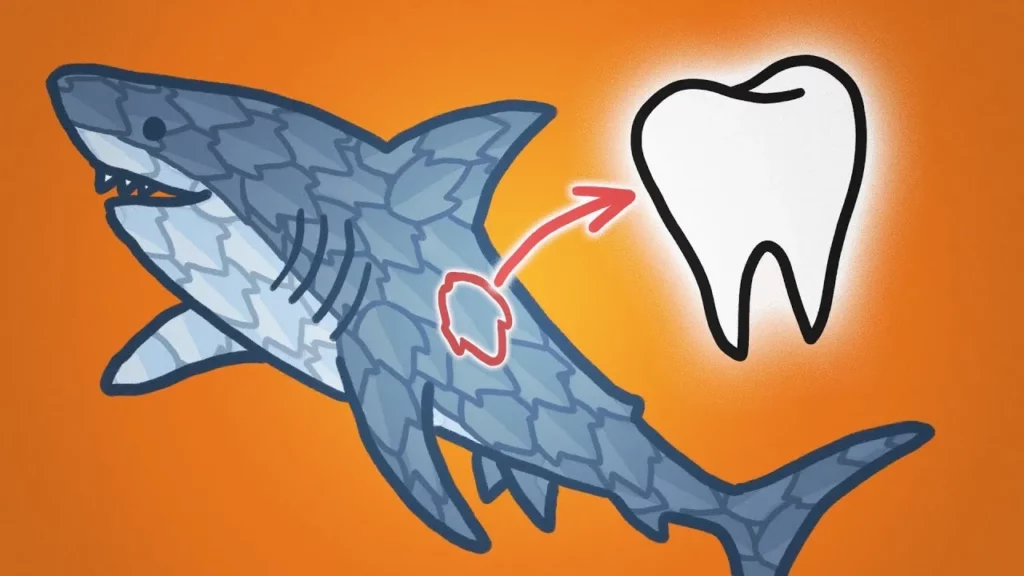
In this lesson, Julián from MinuteEarth explains the fascinating connection between sharks’ teeth and their scales, known as denticles, which share a similar structure. He traces the evolutionary journey from early fish without teeth or scales to modern sharks, highlighting how scales evolved into teeth, enabling these creatures to become powerful predators. The lesson emphasizes the remarkable adaptability of nature, showcasing how features like scales and teeth have evolved to meet the survival needs of different species.
The Science of Hobbit Gluttony

The lesson explores the unique eating habits of hobbits in J.R.R. Tolkien’s world, highlighting their need to consume food seven times a day despite their small size. It explains how Kleiber’s law relates to energy requirements in warm-blooded animals, illustrating that smaller creatures, like hobbits, need to eat a higher proportion of their body weight in food compared to larger animals. Ultimately, this scientific perspective clarifies why hobbits require more frequent meals to meet their energy needs.