
The Place Where Time Flows Backwards
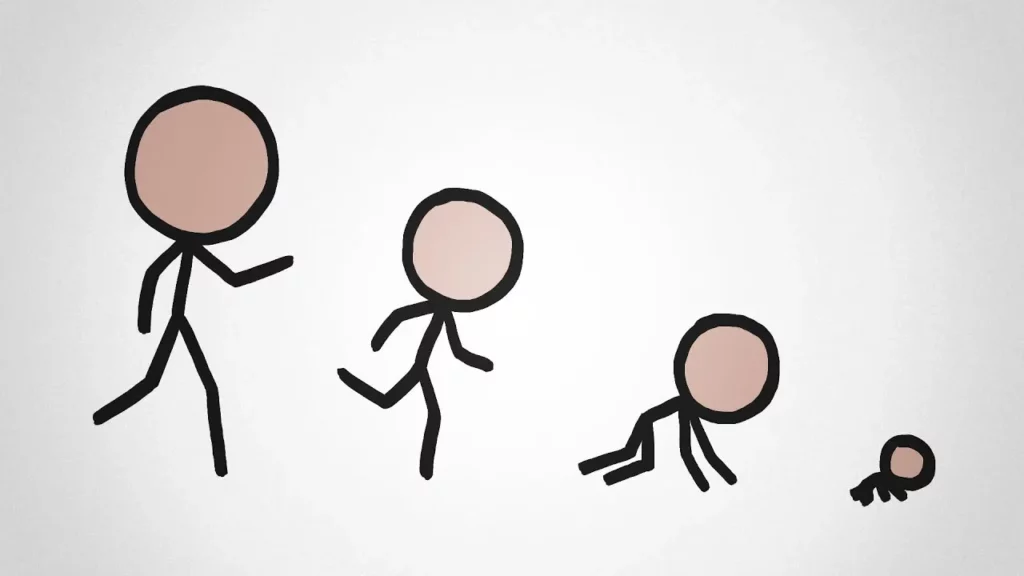
In the lesson “The Place Where Time Flows Backwards,” Kate from MinuteEarth explores how different cultures and languages perceive the concept of time spatially. While English and Spanish speakers typically visualize time as flowing from left to right, speakers of languages like Arabic and Hebrew see it moving from right to left, and others, like the Kuuk Thaayorre, may arrange time based on their orientation. Additionally, the Aymara people uniquely conceptualize the past as in front of them and the future as behind, highlighting the diverse ways humans understand and represent time.
How To Solve Every Global Crisis
The lesson outlines a four-step approach to solving global crises, illustrated through the successful recovery of the ozone layer. It emphasizes understanding the problem, developing a plan, gaining political support, and benefiting from fortunate circumstances, as demonstrated by the Montreal Protocol’s success in phasing out harmful CFCs. By applying this formula to other challenges, such as smallpox eradication, the lesson encourages a collaborative and determined effort to address complex global issues like climate change and pandemics.
The Hurricane Category Scale Is Broken
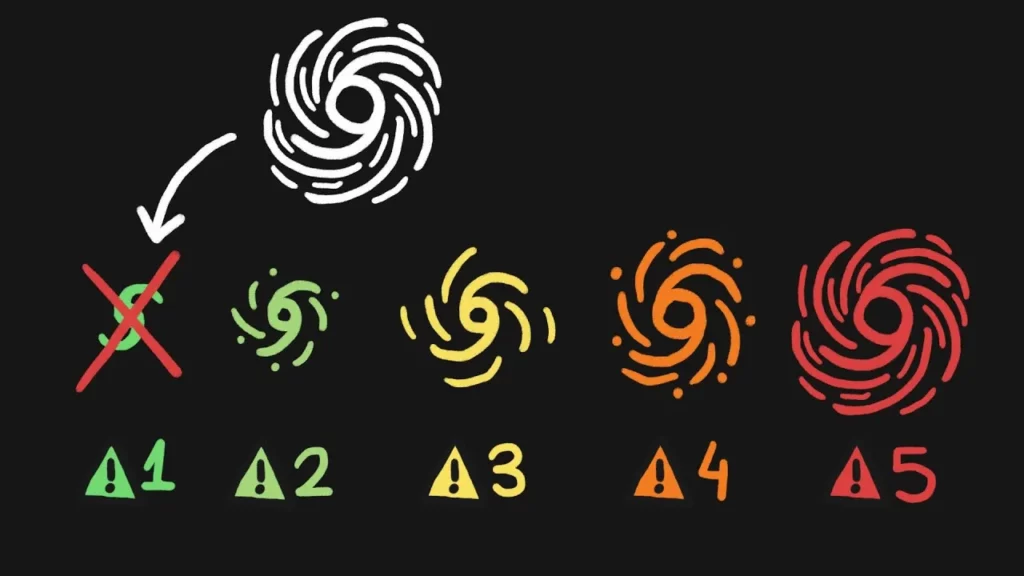
The lesson discusses the limitations of the current hurricane category scale, which primarily focuses on wind speed, and highlights the need for an update to better reflect the true dangers of hurricanes. It illustrates this point by comparing Hurricane Patricia, which had record wind speeds but caused minimal damage, to Hurricane Stan, which was less intense but resulted in significant destruction due to its location and the impact of flooding. The lesson advocates for a new categorization system that incorporates factors like storm surge, rainfall, and air pressure to provide a more accurate assessment of a hurricane’s potential threat.
Hyena Butter: Everything You Did And Didn’t Want To Know
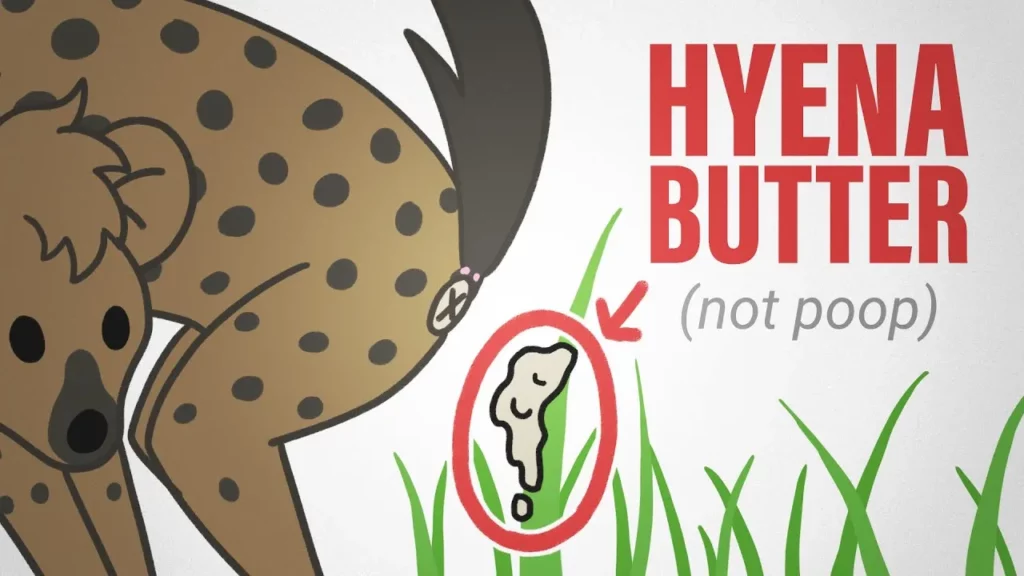
The lesson introduces the fascinating concept of “hyena butter,” a unique substance produced in hyenas’ scent glands that serves as a form of communication among them. This whitish, fermented goo allows hyenas to convey important information about their identity, health, and mating readiness to others in their environment. Additionally, the lesson highlights MinuteEarth’s initiative to create a book filled with intriguing facts about the world, drawing a parallel between the informative nature of hyena butter and the knowledge contained in their publication.
Why Some Fruits Won’t Ripen On Your Counter
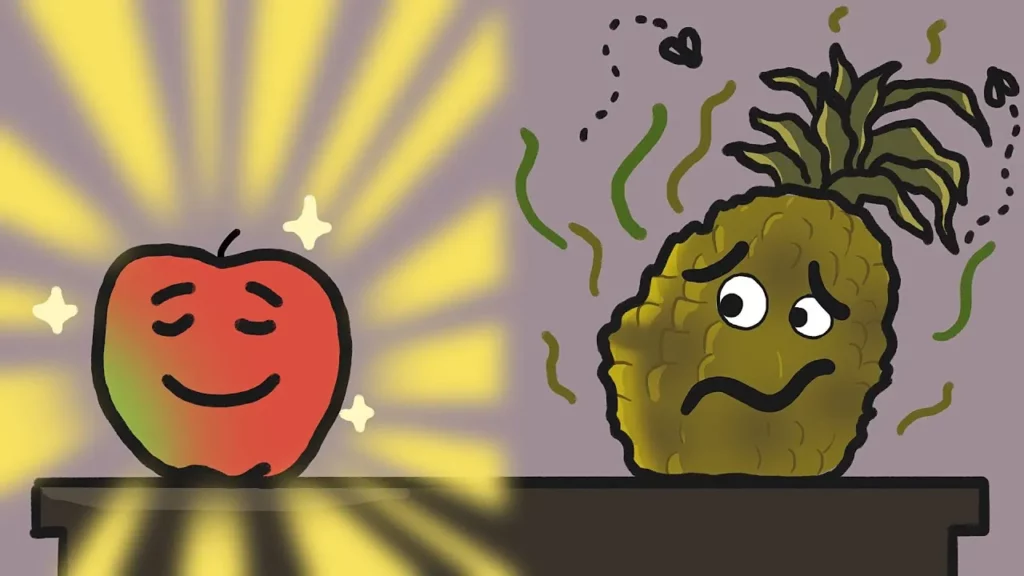
This lesson explains the ripening process of fruits and why some, like pineapples and oranges, do not continue to ripen once picked, while others, such as bananas and apples, can ripen independently. It highlights the evolutionary strategies plants use to ensure their seeds are dispersed at the right time, and emphasizes the importance of understanding these differences to enjoy fruits at their peak quality. Ultimately, knowing how different fruits ripen can enhance our shopping and eating experiences.
How Birds Fooled Military Radar

The lesson discusses how birds, specifically Canada geese, once deceived military radar systems during the Cold War, highlighting the limitations of early radar technology. It then explains advancements in radar, such as dual-polarization and frequency detection, which have improved the ability to distinguish between birds and aircraft. Additionally, modern radar techniques are being utilized by researchers and conservationists, like Nature Canada, to track migratory birds and enhance conservation efforts.
The Plankton Paradox
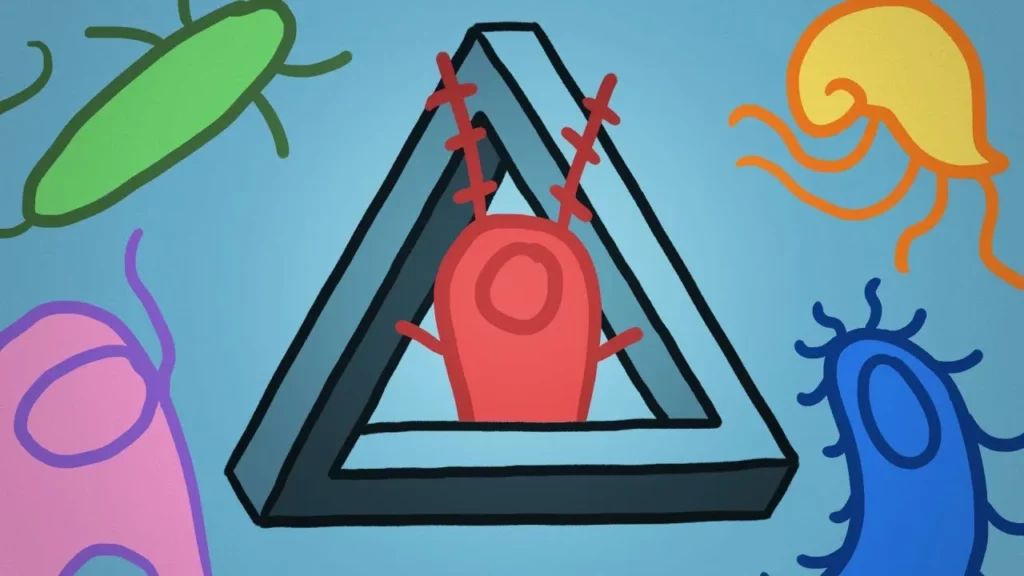
The lesson explores the “Plankton Paradox,” which questions why so many species of plankton can coexist in the ocean despite competing for similar resources, a phenomenon that contradicts typical ecological patterns where one species usually dominates. Possible explanations include the constant mixing of ocean water preventing any single species from gaining an advantage, the potential misrepresentation of plankton habitats during sampling, and the chaotic dynamics that arise when multiple species compete for various resources. This ongoing mystery highlights the complexities of ecological interactions and the need for further research into these tiny yet vital organisms.
Why The Shortest Day Of The Year Isn’t The Coldest
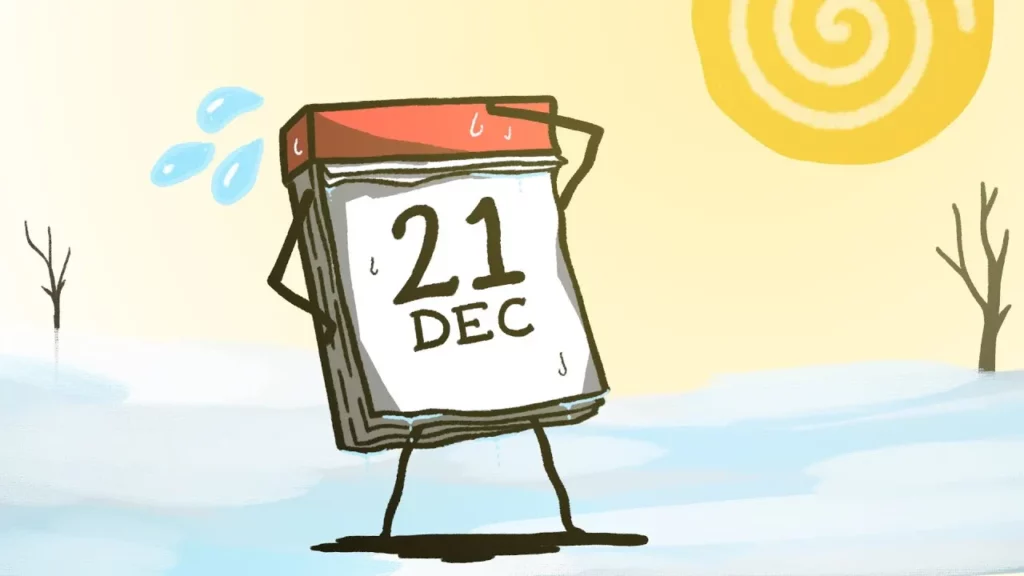
The lesson explains that seasons are defined by the amount of daylight rather than temperature, with solstices marking the longest and shortest days of the year. It highlights that while daylight increases in spring and summer, temperatures lag behind, leading to the hottest days occurring after the longest days. This discrepancy is why the shortest day of the year isn’t necessarily the coldest, emphasizing the reliability of daylight patterns over temperature fluctuations in defining the seasons.
The Most Common Allergy In The World
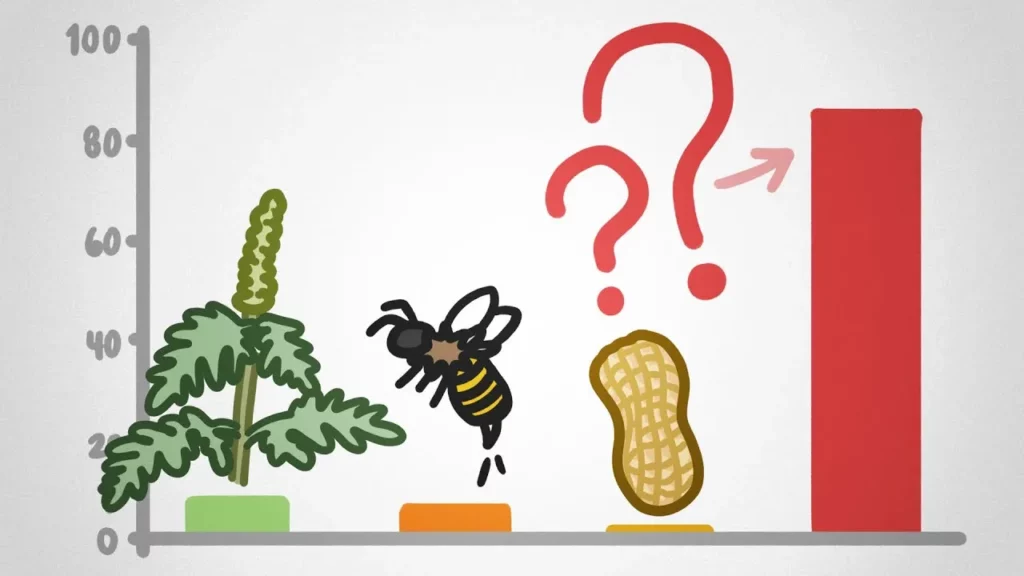
The lesson explains that urushiol, a molecule found in poison ivy and poison oak, triggers an allergic reaction in about 85% of people, making it the most common allergy worldwide. When urushiol comes into contact with skin, it misleads the immune system into perceiving it as a threat, resulting in an itchy rash. The lesson highlights the ongoing scientific inquiry into why this reaction occurs in humans and not in many animals that can consume these plants without issue.
Why The Ocean Needs Salt
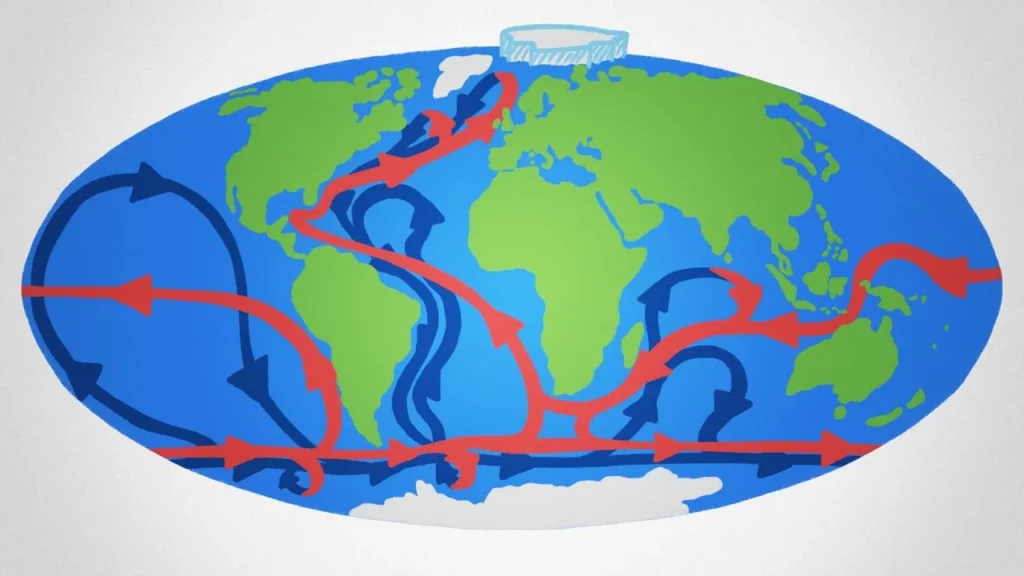
The lesson explains the significance of salt in the ocean, detailing how salt is formed from ions and how it behaves when mixed with water. It highlights the crucial role of ocean salinity in maintaining the health of marine ecosystems, regulating global temperatures, and facilitating nutrient flow. Additionally, it warns that changes in salinity due to climate change could disrupt ocean currents, impacting marine life and weather patterns.