
Why The Weather Is Worse At The Mall
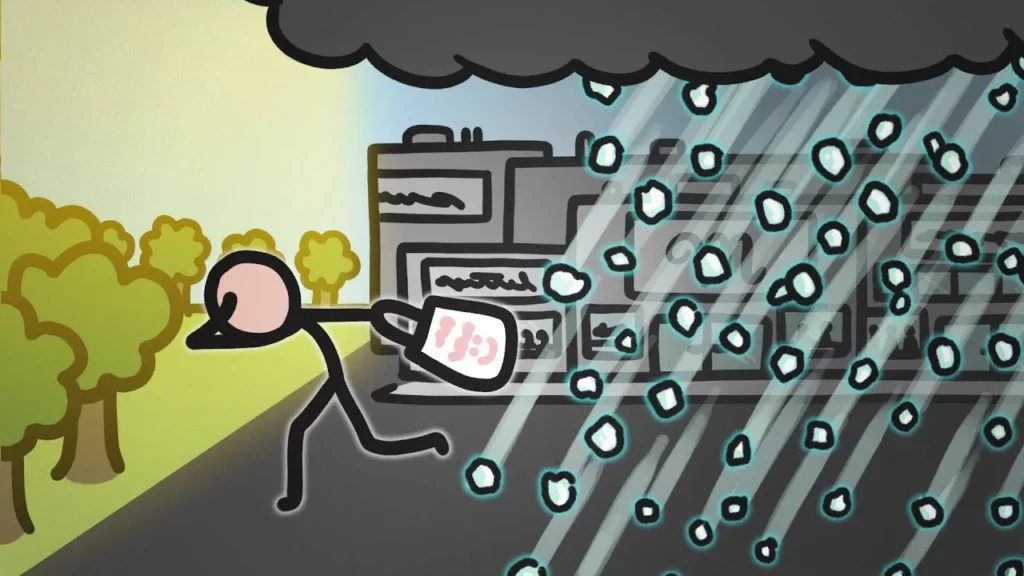
The lesson explains how shopping malls, with their concrete and asphalt surfaces, contribute to more intense weather conditions, particularly hailstorms. The heat generated by these materials causes warm air to rise, creating ideal conditions for storm formation, unlike cooler areas with vegetation that help stabilize temperatures. Simple solutions like planting trees and using reflective surfaces can mitigate these effects and promote a healthier environment.
Which is Worse?
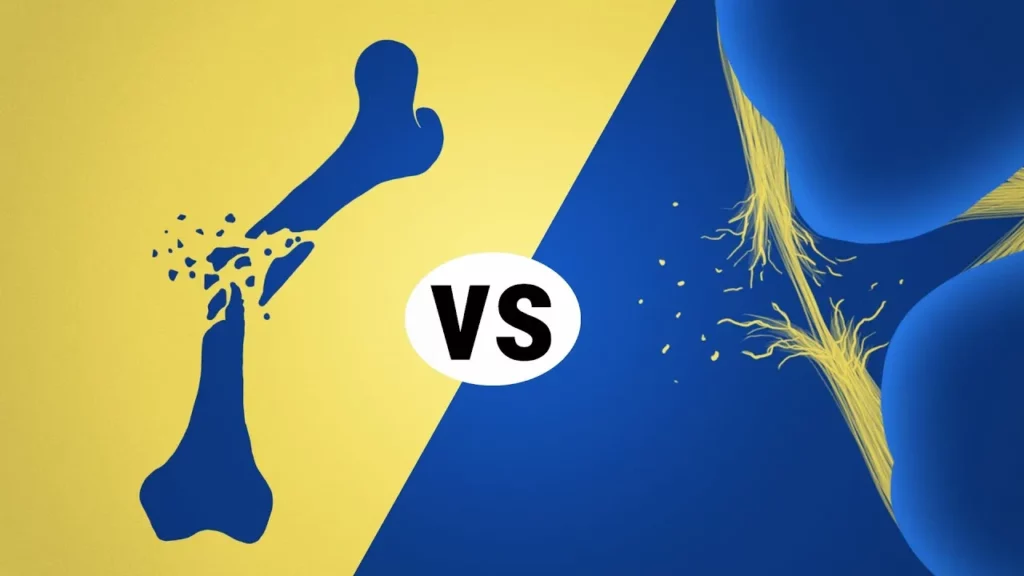
The lesson explains that breaking a bone is often more favorable than tearing a ligament due to the differences in their healing processes. Bones are dynamic structures with a rich blood supply that facilitates quick healing, typically within six weeks, while ligaments have limited blood flow and heal much more slowly, often taking ten weeks or longer. The lesson emphasizes the importance of blood supply in the healing speed of various tissues in the body.
The Cheapest Way To Save A Life
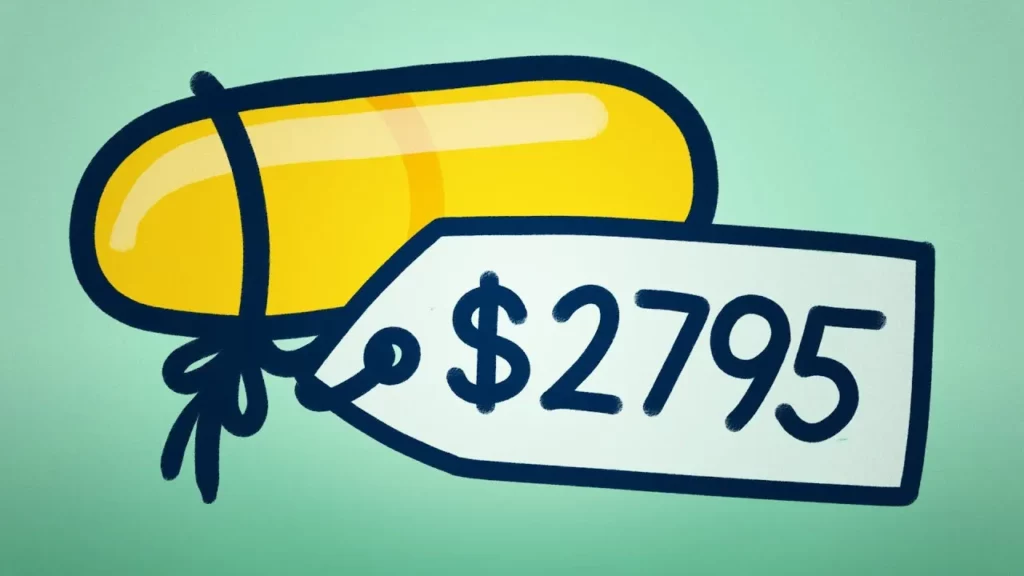
The lesson emphasizes the importance of cost-effectiveness in saving lives, highlighting that early interventions are often more affordable and impactful than later ones. It specifically points out the effectiveness of distributing vitamin A capsules to combat deficiency, which can prevent numerous deaths at a low cost. By investing in such targeted efforts, individuals can make a significant positive impact on global health.
Bitcoin mining is a lot like reindeer mating ????????????

The lesson draws a unique parallel between Bitcoin mining and the mating rituals of reindeer, highlighting how both processes involve competition for resources—energy in the case of Bitcoin miners and food for reindeer. Just as larger male reindeer have a better chance of attracting females due to their size, more powerful Bitcoin mining computers are more successful in solving complex puzzles and earning Bitcoin rewards, albeit at a high energy cost. The lesson also discusses the implications of rising energy demands and the potential constraints on both reindeer and Bitcoin miners if energy resources become limited or expensive.
Is Soil Alive?
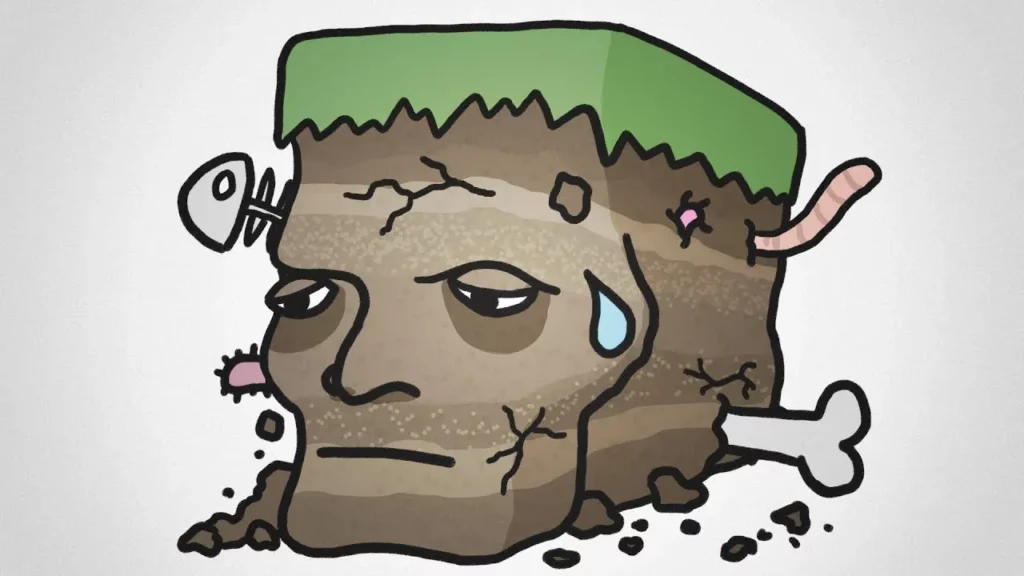
The lesson “Is Soil Alive?” explores the concept of soil as a living system, highlighting its dynamic components and essential roles in the ecosystem, such as nutrient transformation and water management. It emphasizes that, like other living entities, soil can “die” when its health is compromised, affecting its ability to support life. By considering soil as alive, we gain a better understanding of its complexities and the importance of sustainable practices for ecosystem restoration.
Why Do Humans Vomit So Much? ????
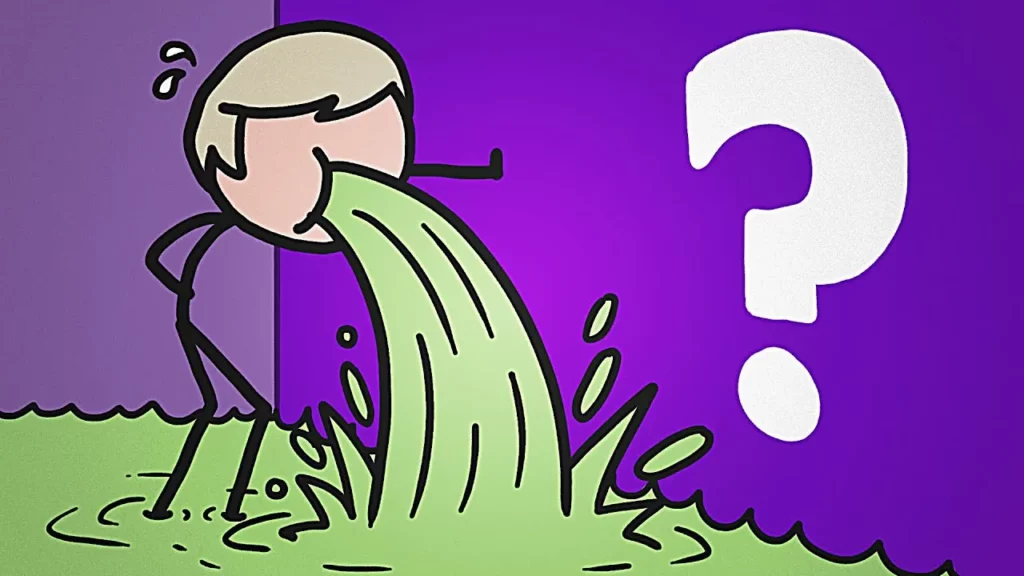
The lesson explains the biological reasons behind vomiting, highlighting its role as a protective mechanism against harmful substances. It describes how the brain’s control center processes information from the blood, stomach, and nausea signals to determine when to induce vomiting, even in situations unrelated to food, such as illness or anxiety. Understanding these mechanisms emphasizes the importance of vomiting in human survival and health.
The Freshwater Paradox
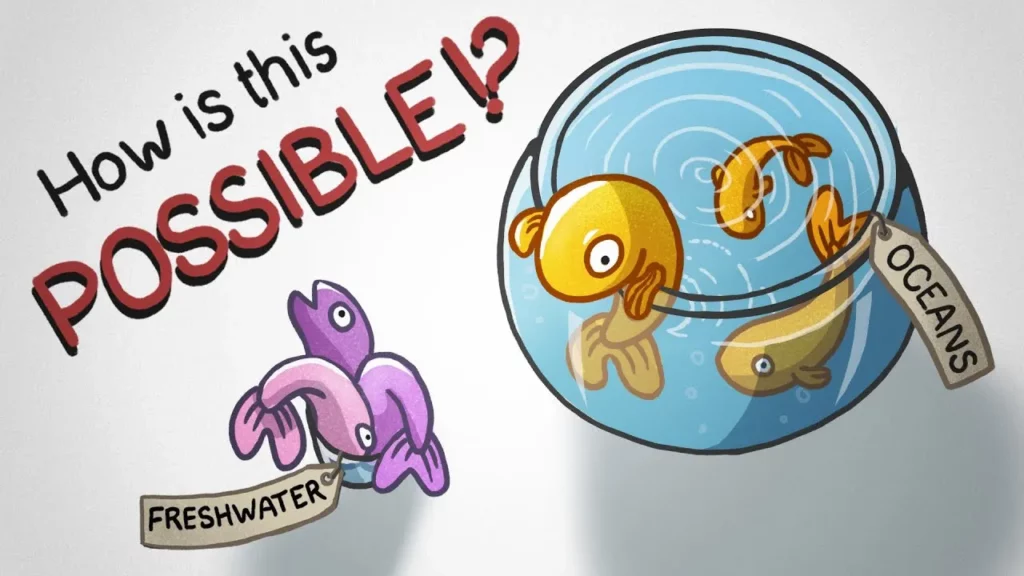
The “freshwater paradox” highlights the surprising fact that while freshwater accounts for less than 0.1% of Earth’s water, it is home to nearly half of all fish species, despite the vastness of the oceans. Factors such as isolation, competition, unique ecological niches, and lower extinction rates in freshwater environments contribute to this phenomenon, although the exact reasons remain unclear. Ongoing research continues to explore the interplay of these elements to better understand why freshwater ecosystems support such a diverse array of fish species.
Screens are NOT the reason kids need glasses ????
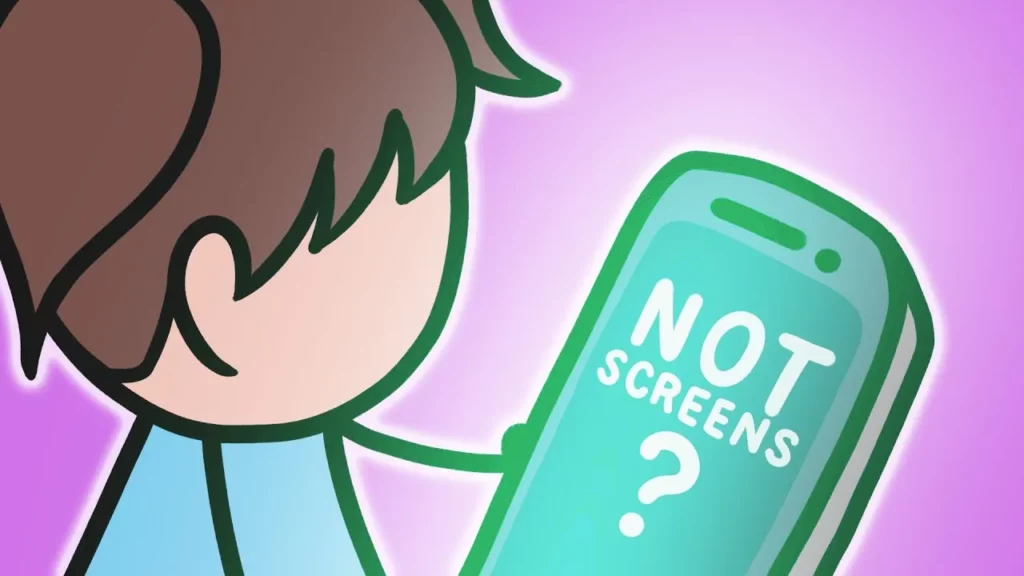
The lesson explains that the primary reason many children need glasses is due to the shape of their eyes, which can grow too long, leading to blurry vision. Contrary to the belief that screen time is the main culprit, recent research indicates that insufficient exposure to natural light may hinder the production of a hormone that signals the eyes to stop growing. Encouraging outdoor play can help ensure children receive enough light for healthy eye development.
An Egg Is Just One Cell
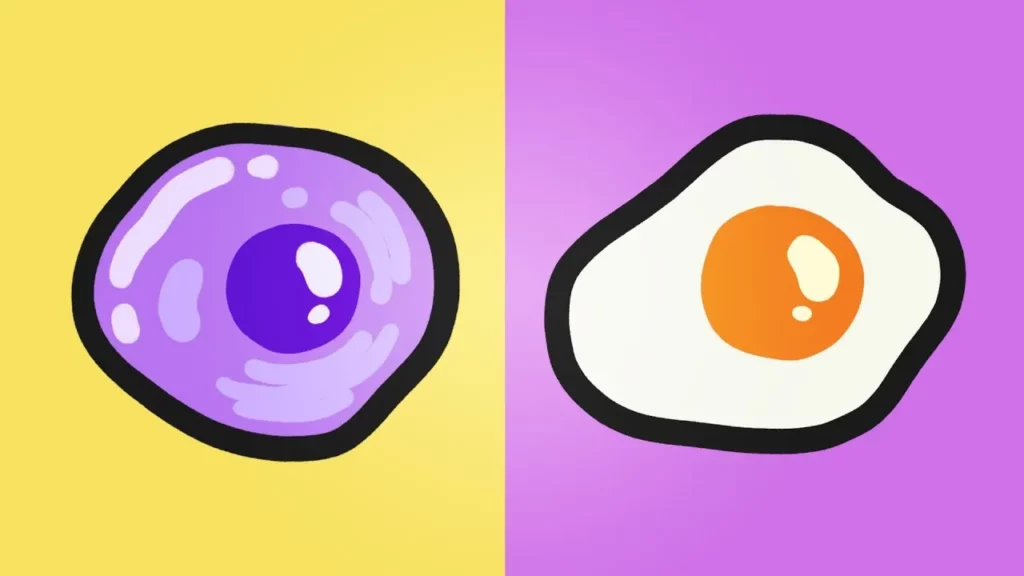
The lesson highlights the surprising size and significance of cells, particularly focusing on egg cells, which are the largest cells produced by animals and essential for the development of embryos. It explains that when an egg is fertilized, it divides into many smaller cells, while unfertilized eggs are often laid rather than reabsorbed. Additionally, the lesson introduces MinuteFood, a new channel exploring the science behind cooking and food, aimed at enhancing culinary skills.
Why Water Dissolves (Almost) Everything
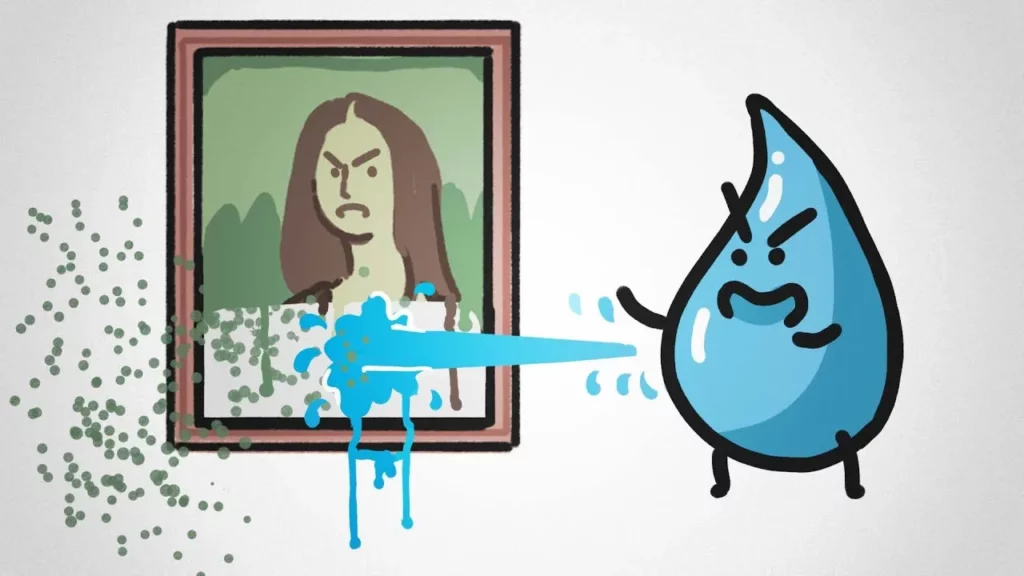
The lesson explains why water is often referred to as the “universal solvent,” highlighting its ability to dissolve a wide range of substances due to its charged molecules that interact with other charged parts. While water effectively cleans and transports nutrients, it does not dissolve everything, as materials like quartz and glass lack charged components, ensuring that essential structures remain intact. Additionally, both humans and nature have adapted to thrive in a world where water’s dissolving properties play a crucial role in life processes.